



Gachagua Absent as Court Delivers Impeachment Ruling, Rejects Adjournment Bid
Gachagua Absent as Court Delivers Impeachment Ruling, Rejects Adjournment Bid
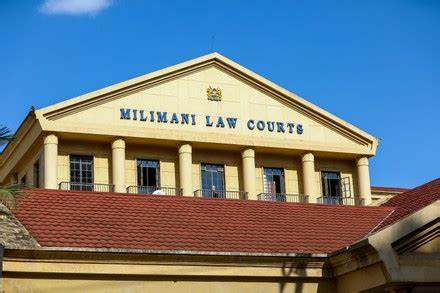
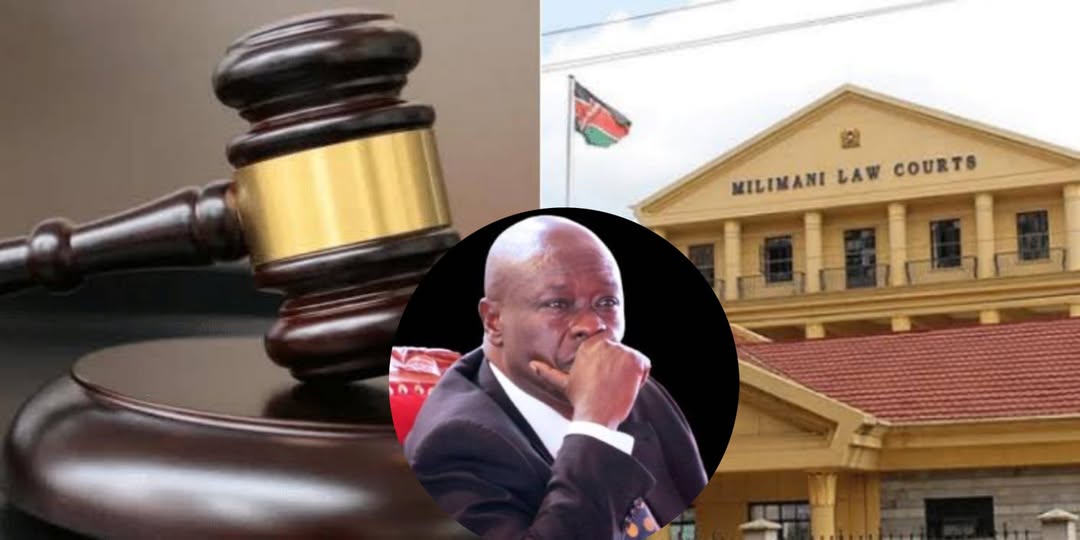
On Monday, former Deputy President Rigathi Gachagua was not present in court when a three-judge bench delivered its eagerly awaited ruling on the petitions contesting his impeachment. The bench, composed of Justices Eric Ogola, Anthony Murima, and Freda Mugambi, rejected a request to delay the judgment and went ahead with the ruling. The request for an adjournment had been submitted by lawyer Harrison Kinyanjui on behalf of petitioner Enock Aura, whose case was among the consolidated challenges to Gachagua’s removal.
The ruling is the most recent development in a legal dispute stemming from Gachagua’s impeachment in October 2024, which made him the first deputy president in Kenya’s history to be removed via the constitutional impeachment process. He was impeached by the National Assembly on October 8, 2024, and the Senate upheld his removal on October 17 after reviewing 11 charges. These charges fell into three main categories: gross violation of the constitution, commission of crimes under national and international law, and gross misconduct.
Under constitutional violations, lawmakers accused Gachagua of breaking integrity and national values provisions, including articles on accountability, public service, and the rule of law. He was also accused of violating rules on the conduct and functions of the Deputy President’s office, undermining governance and devolution, interfering with judicial independence, failing to meet Chapter Six leadership and integrity standards, and breaching accountability provisions for state officers.
The second category involved alleged crimes under national and international law, such as violating the National Cohesion and Integration Act through ethnically divisive remarks, committing corruption and economic crimes under relevant acts, and acquiring unexplained wealth of Sh5.2 billion within two years. Lawmakers also accused him of misleading the public in violation of the Penal Code and the Leadership and Integrity Act.
The third category focused on gross misconduct. Gachagua was accused of promoting tribalism and divisive politics through ethnic mobilization and favoritism, insubordination by undermining the President and Cabinet, and persistently bullying state officials and subordinates. While the National Assembly approved all 11 charges, the Senate upheld only five, leading to his removal. The Senate sustained charges related to his “shareholding” remarks for inciting ethnic division, undermining judicial independence through public attacks, violating the National Cohesion and Integration Act, and gross misconduct for publicly attacking the National Intelligence Service.
Challenging his impeachment, Gachagua argued he was denied a fair defense before the Senate due to illness and hospitalization. However, he later dropped efforts to regain the office and shifted to seeking financial compensation and benefits. He is demanding over Sh80 million in compensation and damages from the government, including salary and gratuity for the unserved five-year term (over Sh56 million), a lump-sum retirement package, a monthly pension of about Sh980,000, and comprehensive medical cover. He also wants state privileges restored, such as official vehicles, armed security, VIP airport access, and diplomatic passports. The court’s ruling is expected to significantly impact constitutional limits on impeachment, the rights of state officers facing removal, and benefits for former senior officials after leaving office.

You Might Also Like
-
Monday Ruling to Determine if Gachagua's Impeachment Met Constitutional Standard
-
Diplomacy in Motion: President Ruto Embarks on Three-Nation European Tour to Unlock Markets and Investments
-
High Court Slams Brakes on NTSA’s Smart Driving Licence Scheme, Suspends 21-Year Deal Amid Constitutional Storm
-
Government Reaffirms Support for Families Affected by Utumishi Girls Academy Fire Tragedy.
-
Education PS Bitok warns students responsible for school fires: 'We will come for you!'
-
President Ruto explains his approval for the construction of a U.S.-backed Ebola quarantine facility, citing public health preparedness and global disease prevention as key reasons.