CS DAVIS CHIRCHIR SOUNDS ALARM OVER ROAD ACCIDENTS, URGES MOTORISTS TO EXERCISE CAUTION AS RIRONI–MAU SUMMIT HIGHWAY CONSTRUCTION CONTINUES
Transport Cabinet Secretary Davis Chirchir's warning to motorists at Kimende on Wednesday, November 4, 2026, highlights the importance of road safety as construction continues along the Rironi–Mau Summit Highway. While the government is working to expand the highway and improve transportation, motorists must exercise patience, obey traffic regulations and remain alert when approaching construction zones. With more than 1,000 pieces of heavy machinery deployed along the corridor and significant construction milestones already achieved, the government is pushing to accelerate the project and improve connectivity. As the festive season approaches, the cooperation of motorists, contractors and road safety agencies will be essential in preventing accidents and protecting lives. The ultimate goal is to deliver a modern and efficient highway while ensuring that Kenyans can travel safely.
Transport Cabinet Secretary Davis Chirchir has called on motorists to exercise extreme caution while using the Rironi–Mau Summit Highway, particularly around Kimende, where major road construction works are ongoing. The Cabinet Secretary made the appeal on Wednesday, November 4, 2026, as he highlighted the importance of protecting motorists, construction workers and other road users during the expansion of the busy transport corridor.His warning comes at a time when the government is undertaking major infrastructure improvements along the Rironi–Mau Summit Highway, one of Kenya's most important road networks. The ongoing construction is expected to improve transport, reduce traffic congestion, shorten travelling time and strengthen the movement of people and goods between Nairobi, the Rift Valley and other parts of the country.
Speaking during activities around Kimende, Chirchir emphasised the need for motorists to remain alert, observe traffic regulations and follow directions provided along sections where contractors are carrying out construction. He noted that road users must understand that driving through an active construction zone requires additional responsibility because of the presence of heavy machinery, construction workers, temporary diversions and changing road conditions.The road serves thousands of motorists daily, including private vehicle owners, public service vehicles, long-distance truck drivers and businesses transporting goods between Nairobi and western Kenya. It also forms an important connection to neighbouring countries such as Uganda, Rwanda and the Democratic Republic of Congo.
The expansion is intended to address persistent traffic congestion, particularly along sections that experience heavy traffic during peak hours, weekends and holiday seasons.
The construction involves widening sections of the existing road, improving road surfaces and developing infrastructure that will support smoother traffic movement.
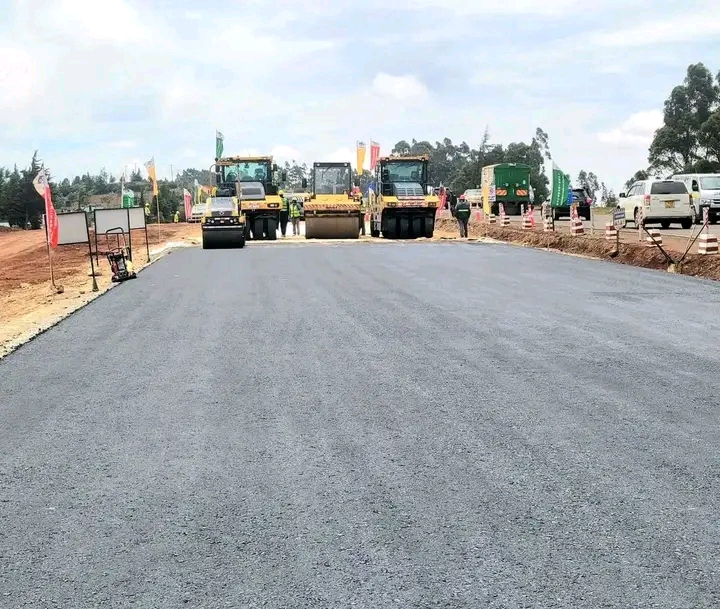
During recent inspections, Chirchir witnessed progress in the construction works, including the laying of the first layer of Dense Bituminous Macadam (DBM) at Lari. This is an important stage in road construction because it contributes to the development of a stronger road surface before subsequent finishing worksChirchir's warning comes amid concerns over road accidents and the risks associated with driving through sections undergoing major construction.
Construction activities can create challenging conditions for motorists. Some sections may have temporary diversions, uneven surfaces, construction barriers and machinery operating close to the road.
Drivers who fail to observe warning signs or ignore instructions from traffic controllers may expose themselves and other road users to serious danger.
The Cabinet Secretary's appeal is therefore aimed at encouraging a culture of responsible driving throughout the construction period.
Motorists have been encouraged to reduce their speed when approaching construction areas, maintain safe distances between vehicles and avoid dangerous overtaking.During this period, thousands of Kenyans travel from major towns and cities to visit relatives, attend celebrations and take holidays in different parts of the country.
The Rironi–Mau Summit route is expected to experience increased traffic because it connects Nairobi with several important destinations in the Rift Valley and western regions.
An increase in traffic, combined with ongoing construction, could create additional challenges if motorists fail to exercise patience.
Chirchir has previously appealed to Kenyans to take responsibility for their safety by ensuring that their vehicles are properly maintained before embarking on long journeys.
He specifically highlighted the importance of checking brakes and indicator lights, noting that vehicle maintenance plays an important role in preventing avoidable accidents.Beyond the safety concerns, the Rironi–Mau Summit Highway expansion is expected to deliver significant benefits to Kenya's economy.
The highway is an important transport link connecting Nairobi to the Rift Valley and western parts of the country. It also supports regional trade by facilitating the movement of agricultural produce, manufactured goods, fuel and other essential commodities.
For many businesses, delays along the route translate into increased transportation costs, delayed deliveries and reduced efficiency.
The expansion is therefore expected to make transportation more reliable by improving road capacity and reducing congestion.
Farmers are among those expected to benefit from improved road connectivity because they rely on efficient transport networks to deliver agricultural products to markets.Despite the progress being recorded, the project has experienced some challenges that have affected the pace of construction.
One of the major setbacks has been the shortage of bitumen, a key material used in road surfacing. Chirchir previously explained that geopolitical developments and supply chain disruptions had affected the availability of bitumen over the preceding two months.
The shortage contributed to unexpected delays, slowing down some construction activities along the highway.
The Cabinet Secretary acknowledged that the ongoing works had caused inconvenience to motorists and businesses that depend on the road. However, he assured the public that the government remained committed to accelerating construction and delivering the project.Construction companies have a responsibility to ensure that their working areas are properly secured and that road users receive adequate warnings before approaching potentially dangerous sections.
Warning signs, barriers, reflective materials and appropriate lighting are important in preventing accidents, especially during nighttime and periods of poor visibility.
Construction machinery should also be operated carefully to minimise interference with motorists using the available road sections.
The National Transport and Safety Authority (NTSA) has an important role in promoting compliance with road safety regulations and educating motorists about responsible driving.Message to public service vehicle operators and truck drivers
Public service vehicle operators have also been urged to exercise caution because they carry passengers whose safety depends largely on the decisions made by drivers.
Matatu and bus operators using the Rironi–Mau Summit Highway should ensure that their vehicles are roadworthy and that drivers observe speed limits.
They should also avoid stopping at dangerous locations, particularly near construction machinery and temporary traffic diversions.
Truck drivers transporting goods across the corridor must remain alert because heavy commercial vehicles require more distance to stop, especially when travelling at high speeds.
Reckless overtaking, overloading and driving while fatigued can increase the possibility of serious accidents.The project is expected to strengthen Kenya's position as a regional transport and logistics hub by improving connections between major towns, commercial centres and neighbouring countries.
The expansion will also support the transportation of agricultural products from farming regions to markets in Nairobi and other urban centres.
Improved connectivity is expected to encourage investment, support tourism and create opportunities for businesses operating along the corridor.
The government has maintained that completing the project will help address long-standing transport challenges while improving the efficiency of movement along one of the country's busiest routes.
However, officials will need to maintain close supervision of contractors to ensure that construction standards, timelines and safety requirements are respected.

You Might Also Like
-
The Government of Kenya has launched the NYOTA Access to Government Procurement Opportunities (AGPO) digital training programme targeting at least 600,000 entrepreneurs across the country, in a major initiative aimed at empowering young people, women and persons with disabilities to access governmen
-
Residents of Manyatta B in Kisumu County have been left shocked following the discovery of the body of an unidentified man dumped inside a damaged septic tank near Yellow Bridge on November 3, 2026. The discovery was reportedly made by a local resident, Willy Otiende, who was searching for his missi
-
Democrats have taken control of both the United States House of Representatives and the Senate following the November 3, 2026 midterm elections, marking a major political setback for President Donald Trump and the Republican Party. The Democratic victories across several states have shifted the bala
-
The Seventh Principal Secretaries’ Forum of 2026 in Malindi, Kilifi County, was an important government coordination meeting focused on national development, accountability and improved service delivery. Chaired by Chief of Staff and Head of Public Service Felix Koskei, the forum addressed critic
-
Kipchumba Murkomen's appearance before the National Assembly on November 4, 2026, brought attention to the government's wider security and service delivery agenda. Among the measures he highlighted were the 16-month security roadmap ahead of the 2027 General Election, efforts to dismantle criminal
-
University lecturers have threatened to resume strike action if the government fails to address concerns over funding and unpaid bills. The warning comes days after they ended a month-long strike and returned to classrooms following a KSh20 billion agreement with the government. The deal covers the