



-
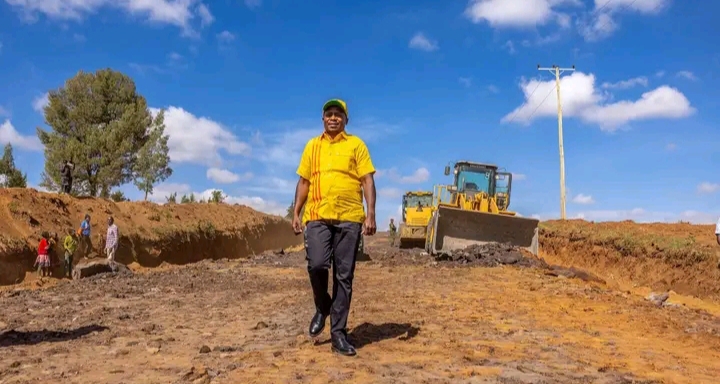
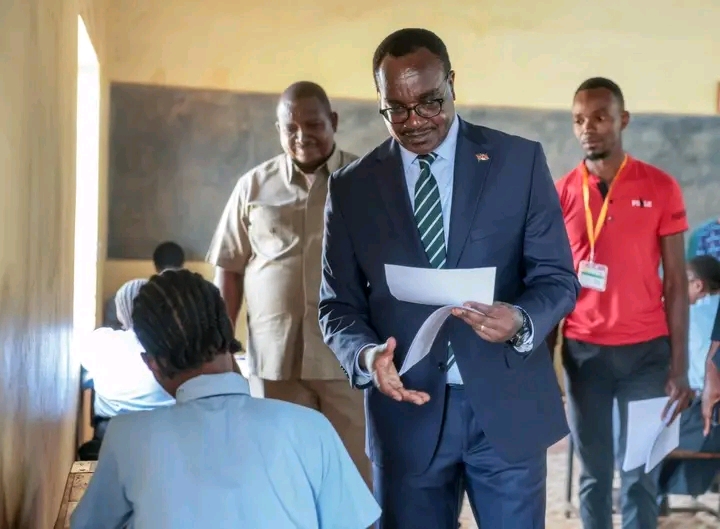
The reported inspection by Deputy President Kithure Kindiki of the Njoro–Beeston–Lawina–Elburgon road on October 27, 2026, highlights an important infrastructure project in Nakuru County. Official records confirm that the wider road programme covers approximately 40 kilometres, has a listed contract value of about KSh2.012 billion and is being implemented by Henan Highway Engineering Group Co. Ltd. Its objective is to upgrade existing roads to bitumen standards. Successful completion could improve agricultural transport, access to public services, road safety and business connectivity for communities in the surrounding areas.
-
-
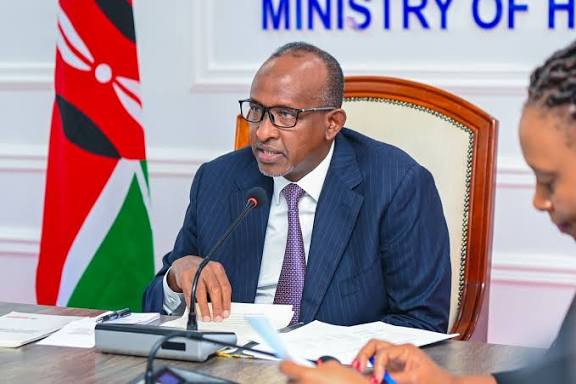
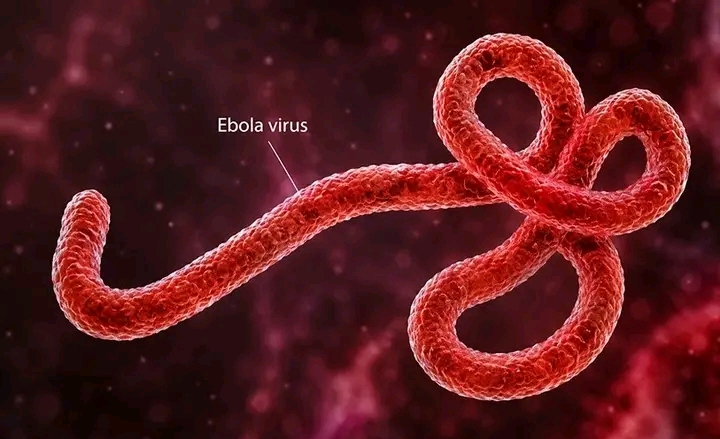
Kenya’s Ministry of Health has confirmed the release of 20 Ebola contacts from quarantine after completing the required monitoring period without developing symptoms. However, the ministry warns that the outbreak is not yet contained, with 98 other contacts still under observation and expected to be released in phases from November 3, 2026. Health officials continue to strengthen surveillance, contact tracing and public awareness to prevent further transmission. Kenyans are urged to remain vigilant, report suspected symptoms promptly and avoid spreading misinformation.
-
-
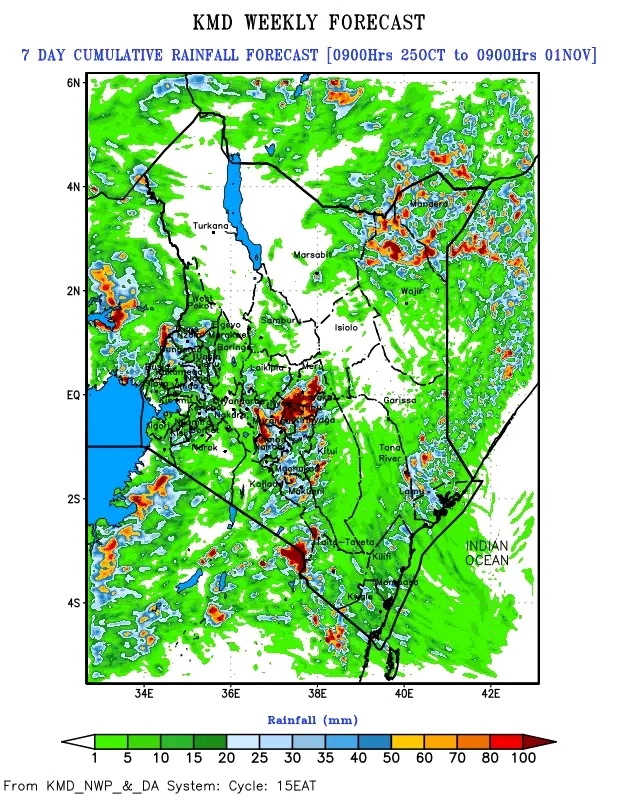
Kenya's latest published forecast available for this report points to rainfall across numerous counties, including areas in the Coast, North Eastern, Eastern, Central, Western, Nyanza and Rift Valley regions. Particular attention is warranted in Mandera, Wajir and parts of the coastal region, where isolated storms may cause flash flooding, as well as in western and Rift Valley counties where afternoon showers and thunderstorms are expected.
-
-
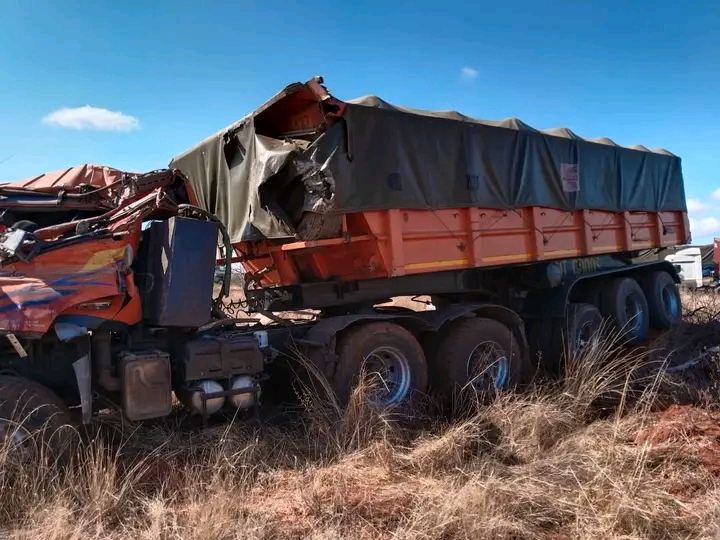
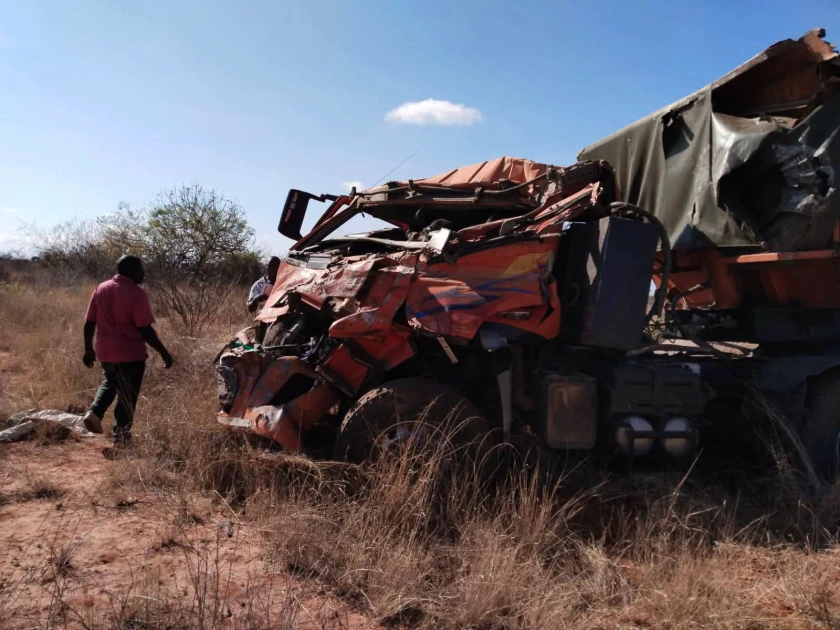
The commencement of post-mortem examinations for the 24 victims of the Mtito Andei road accident is a crucial step in the process of identifying the deceased, documenting the causes of death and facilitating burial arrangements. The tragedy occurred at Kanga along the Nairobi–Mombasa Highway on October 25, 2026, when a church bus collided with a truck. The crash also left survivors requiring medical attention. As families mourn their loved ones, the Makueni County Government's decision to waive hospital, mortuary and post-mortem bills offers some financial relief. Meanwhile, investigations into the collision and continued treatment of survivors remain important priorities. The tragedy is also a reminder that road safety requires the commitment of drivers, passengers, transport operators and government agencies. Preventing similar incidents will require responsible driving, effective enforcement of traffic regulations and careful investigation of serious crashes.
-
-
The discharge of 20 people from Ebola quarantine on 26 October 2026 marks an important step in Kenya’s efforts to contain the Bundibugyo virus disease outbreak. The individuals completed the mandatory 21-day monitoring period without symptoms and were released after health assessments. However, 98 contacts remain under quarantine, and continued surveillance is necessary to detect any additional infections quickly. The authorities must maintain contact tracing, laboratory testing, safe patient care and public awareness while providing timely updates about the situation. Kenyans can support the response by following official health guidance, reporting possible symptoms after exposure, avoiding misinformation and welcoming discharged contacts without stigma.
-
-
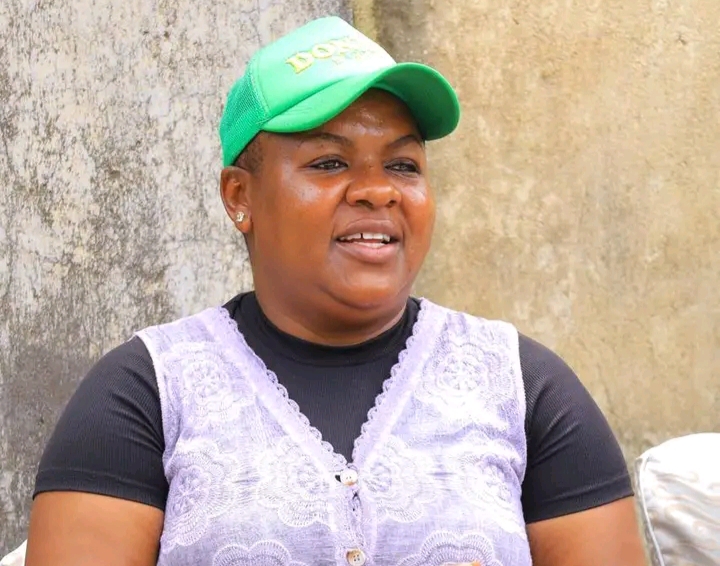
KeNHA Chairperson Winfrida Ngumi has praised President William Ruto for launching the Kandwia–Kyuso and Kyuso–Tseikuru B52 road projects.The projects are expected to improve connectivity and ease transportation across the region.Better roads could boost trade by making it easier for farmers and traders to transport goods to markets.The improved infrastructure is also expected to enhance access to essential services, including schools and healthcare facilities.The projects mark an important step towards promoting economic growth and improving the livelihoods of local communities.
-
-
Narok County's participation in World Polio Day highlights the importance of sustained community action in the fight against a disease that can cause lifelong disability and death. The End Polio Walk in Narok Town forms part of broader efforts to raise awareness and encourage families to protect children through vaccination. Kenya's progress against wild poliovirus demonstrates what long-term cooperation and immunisation can achieve. However, the threat posed by variant polioviruses and gaps in vaccine coverage means the work is not finished. Parents, healthcare professionals, government authorities and community organisations must continue working together to ensure that every child receives the recommended vaccine doses.
-
-
The concerns raised by Kisii Woman Representative Dorice Donya over the theft of electrical equipment and the lack of electricity in parts of Bonchari highlight the importance of protecting public infrastructure and ensuring that rural communities benefit from essential services. Previous reports have documented transformer theft in Bonchari and wider Kisii County, while the September 2026 launch of a last-mile electricity project in Nyabiendi offered hope to more than 150 households. Residents now need effective investigations into any newly reported theft, accountability for those found responsible, timely repairs where necessary and continued efforts to connect underserved households.
-
-
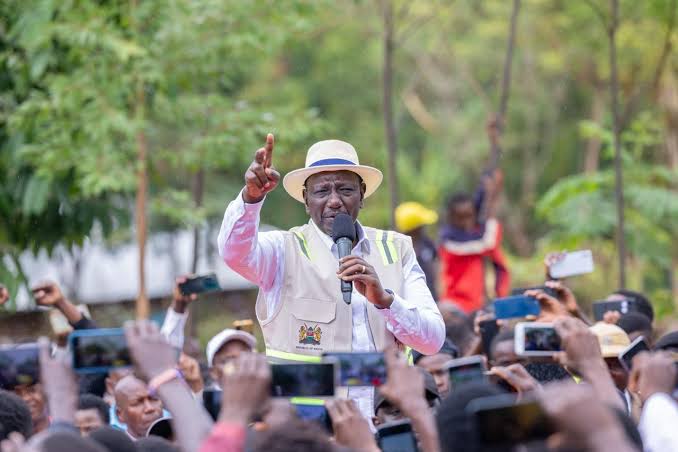
President William Ruto’s visit to Kitui and Makueni counties on October 24–26, 2026, forms part of a broader development programme covering the Ukambani region. The projects highlighted during the tour include the Wote–Kako–Ngoluni Road, Kyambeke–Kyuasini–Ukia Road, Kwa Vonza–Kanyangi–Kyandula Road, the planned Twimiwa–Tseikuru–Usweni Road, affordable housing developments, the Kitui KMTC campus, electricity connectivity initiatives and education and healthcare infrastructure. The President’s central message was that all regions deserve equitable development regardless of their political affiliation. He defended his administration’s investment plans and argued that infrastructure should be used to improve livelihoods and expand economic opportunities.
-
-
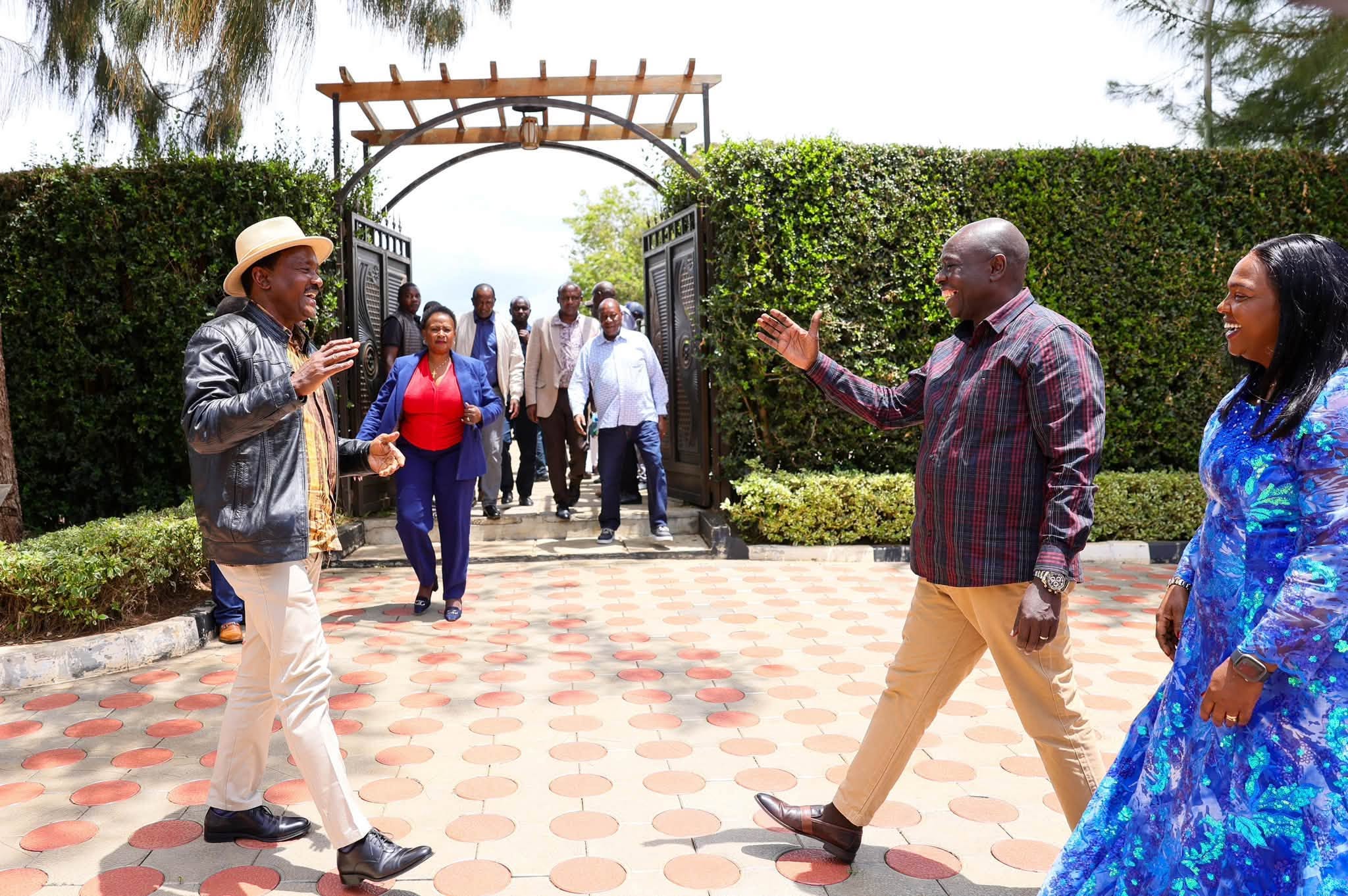
President William Ruto has urged residents of Tseikuru, Kitui County, to remind Wiper Party leader Kalonzo Musyoka of the political support he says he offered him during the 1992 General Election. The remarks came during Ruto's four-day Ukambani tour, as political leaders position themselves ahead of the 2027 General Election.
-