Gachagua Seeks to Build a Strong Political Movement Like Raila Odinga’s
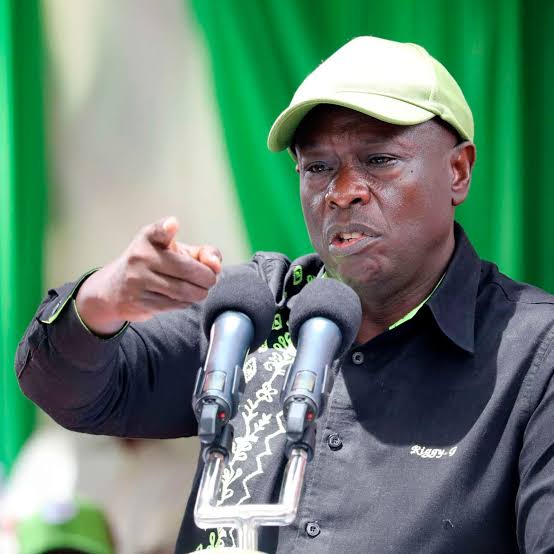
Former Deputy President Rigathi Gachagua has expressed his ambition to build a strong political movement, saying he hopes to emulate the late Raila Odinga’s political organisation and grassroots mobilisation. Gachagua has highlighted the importance of creating a movement that brings together leaders from different regions, attracts widespread public support and maintains strong connections with ordinary Kenyans. His remarks come amid growing political realignments ahead of the 2027 General Election, as opposition leaders explore possible alliances and strategies. The focus now turns to how Gachagua intends to establish the political structures and partnerships needed to build a movement with national reach and influence.
Rigathi Gachagua has expressed his desire to build a strong political movement, saying he hopes to emulate the leadership and organisational approach demonstrated by the late former Prime Minister Raila Odinga. His remarks highlight the importance he places on establishing a political organisation capable of attracting widespread public support, bringing together leaders from different regions and maintaining a strong connection with ordinary citizens.
Gachagua's reference to Raila Odinga reflects the influence the former Prime Minister had on Kenya's political landscape through decades of political activity, mobilisation and the development of a strong political following. Raila was widely recognised for his ability to build political alliances, mobilise supporters across different communities and maintain a political presence that extended beyond individual election campaigns. His political journey demonstrated how movements could grow through sustained engagement with citizens, political organisation and consistent communication of national issues.
For Gachagua, developing a strong political movement would require more than bringing together politicians who share similar interests. It would involve establishing structures that can reach people at the grassroots, identify issues affecting communities and provide a platform through which supporters can participate in political discussions. Such an organisation would also need to maintain unity among its members while accommodating different political interests and regional priorities.
The former Deputy President has increasingly placed emphasis on grassroots mobilisation and direct engagement with voters. His political message has often focused on the importance of leaders visiting communities, listening to residents and understanding the challenges they face. This approach reflects the argument that political support cannot be built entirely through press conferences, meetings in hotels or statements delivered through television appearances.
A strong political movement generally depends on the ability of its leaders to establish lasting relationships with supporters. Political organisations that maintain active structures at the local level can communicate their messages more effectively and remain connected to developments within different communities. Such structures also provide opportunities for members to participate in decision-making, organise activities and communicate their concerns to national leadership.
Raila Odinga's political career offers an example of how sustained mobilisation can influence the direction of national politics. Over several decades, he remained a central figure in opposition politics, democratic reform campaigns and national political negotiations. His influence was supported by political networks, party structures and a large following that remained active through different electoral cycles.
His political movement also brought together leaders and supporters from different backgrounds, making it possible to build alliances around shared political objectives. Although the composition of these alliances changed over time, his ability to maintain a recognisable political identity helped him remain influential in national conversations. His political organisation became an important part of Kenya's multiparty democracy and shaped the country's electoral and political debates.
Gachagua's intention to emulate aspects of Raila's political approach could therefore point to a strategy centred on building an organisation with a clear identity, strong leadership structures and an active grassroots presence. However, establishing such a movement would require careful planning, political negotiations and the ability to bring together leaders who may have different ambitions and interests.
Kenya's political environment is highly competitive, with political parties and movements often seeking support from different regions, communities and social groups. Building a national political organisation requires leaders to develop messages that address issues affecting citizens across the country. Matters such as the cost of living, unemployment, access to education, healthcare, agriculture, infrastructure and economic opportunities remain important subjects in political discussions.
A movement that seeks to attract broad support would also need to demonstrate how its political objectives relate to the everyday experiences of ordinary Kenyans. Voters often expect political leaders to explain how their proposed policies would address challenges affecting households, businesses, farmers, young people and other groups. This makes the development of a clear policy agenda an important part of building a sustainable political organisation.
Gachagua's emphasis on grassroots politics also raises questions about the role of local leaders in shaping national political movements. Members of Parliament, governors, Members of County Assemblies and community organisers can help connect national leadership with residents. Their involvement can strengthen communication between political leaders and voters while providing a better understanding of local development priorities.
Political mobilisation also requires consistency. A movement cannot depend entirely on activities carried out during election periods if it intends to maintain a lasting national presence. Regular community engagement, public meetings, policy discussions and organised communication can help sustain relationships with supporters. These activities also allow leaders to explain their positions and respond to questions from the public.
The challenge for any political movement is maintaining unity while accommodating different opinions. Political organisations often bring together individuals with varying ambitions, backgrounds and expectations. Without clear leadership structures and agreed objectives, disagreements can weaken internal cohesion and affect the ability of the organisation to pursue its political agenda.
Raila Odinga's political experience also demonstrated the importance of alliances in Kenya's political system. Throughout his career, he worked with different political leaders and parties at various stages, sometimes forming partnerships around common national objectives. These arrangements helped shape political competition and demonstrated how cooperation between different groups can influence the country's political direction.
For Gachagua, building a comparable political network would require engagement with leaders beyond his immediate political circle. It would involve identifying individuals and groups who share common objectives and are willing to work together within an organised structure. Such cooperation would also require negotiations over leadership responsibilities, policy priorities and the direction of the movement.
The political ambitions surrounding the 2027 General Election have increased attention on the formation of new alliances and the positioning of different political leaders. Parties and political movements are expected to play an important role in determining how candidates organise their campaigns and present their policy proposals to voters. Gachagua's remarks therefore add to the wider discussion about the future of opposition politics and the possibility of new political formations.
However, the success of a political movement cannot be measured only by the number of prominent politicians associated with it. Its long-term strength also depends on the participation of ordinary citizens, the effectiveness of its structures and its ability to maintain a clear political direction. A movement that attracts support from different regions must also demonstrate that it can accommodate competing interests without losing its identity.
Young people are another important group in the development of political movements. With many facing concerns over employment, business opportunities, education and the cost of living, their participation can influence the priorities and direction of political organisations. Leaders seeking to establish a strong national following may therefore need to create meaningful opportunities for young people to participate in political discussions and decision-making.
Women and community-based organisations also play an important role in grassroots political mobilisation. Their involvement can help political movements understand the different challenges experienced by households and communities. An inclusive organisation would need to provide opportunities for people from different backgrounds to contribute to its programmes and leadership structures.
The use of digital platforms has also changed the way political movements communicate with supporters. Social media and other online channels allow leaders to reach large audiences, explain their positions and respond to public concerns. However, digital communication alone may not be sufficient to establish lasting political relationships. Direct engagement remains important, particularly in communities where residents want to interact with leaders and raise local concerns.
Gachagua's reference to Raila Odinga also highlights the importance of political legacy in shaping the strategies of current leaders. Raila's long involvement in national politics left a significant mark on Kenya's democratic development, party politics and political mobilisation. His ability to remain relevant through changing political circumstances continues to provide a point of reference in discussions about political organisation and leadership.
At the same time, any new movement would have to develop its own identity rather than rely entirely on the political legacy of another leader. Gachagua would need to communicate what the organisation stands for, the policies it intends to promote and the changes it hopes to achieve. Establishing a clear identity would help supporters understand its objectives and distinguish it from other political formations.

You Might Also Like
-
Deputy President Kithure Kindiki's message at the 28th Commonwealth Heads of Government Meeting in Antigua and Barbuda reflects Kenya's determination to strengthen international trade, attract foreign investment and expand economic partnerships. By advocating for increased trade within the Commonwe
-
Education Cabinet Secretary Julius Migos Ogamba's visit to Kibra on Wednesday morning, November 4, demonstrates the government's continued commitment to monitoring the 2026 KCSE examinations and protecting their credibility. By witnessing the opening of the KNEC examination container and overseeing
-
Kenyan Professor Phoebe Okowa has been re-elected as a judge of the International Court of Justice (ICJ) for another nine-year term, extending Kenya’s representation at the United Nations’ principal judicial organ until 2036. Her re-election marks a significant achievement for Kenya and its lega
-
The recovery of the second body from the collapsed Eastleigh building is a painful reminder of the devastating consequences of the October 23 disaster. As rescue teams continue clearing the rubble, families remain anxious about their missing relatives and are calling for faster efforts to establish
-
Police and Kenya Pipeline Corporation officials have uncovered a suspected major fuel-siphoning syndicate in Migadini, Changamwe, Mombasa County, after discovering an illegal connection to the corporation’s main petroleum pipeline inside a condemned building. The discovery has raised concerns over
-
A Narok man has been sentenced to life imprisonment after being convicted of sexually abusing his 10-year-old daughter on several occasions between 2024 and February 2026 in the Bulla Kipangas area of Narok Central. The sentence was delivered by Chief Magistrate H. Nyaberi following a successful pro