Kenya Met Forecasts Heavy Rains in 29 Counties Over Five Days
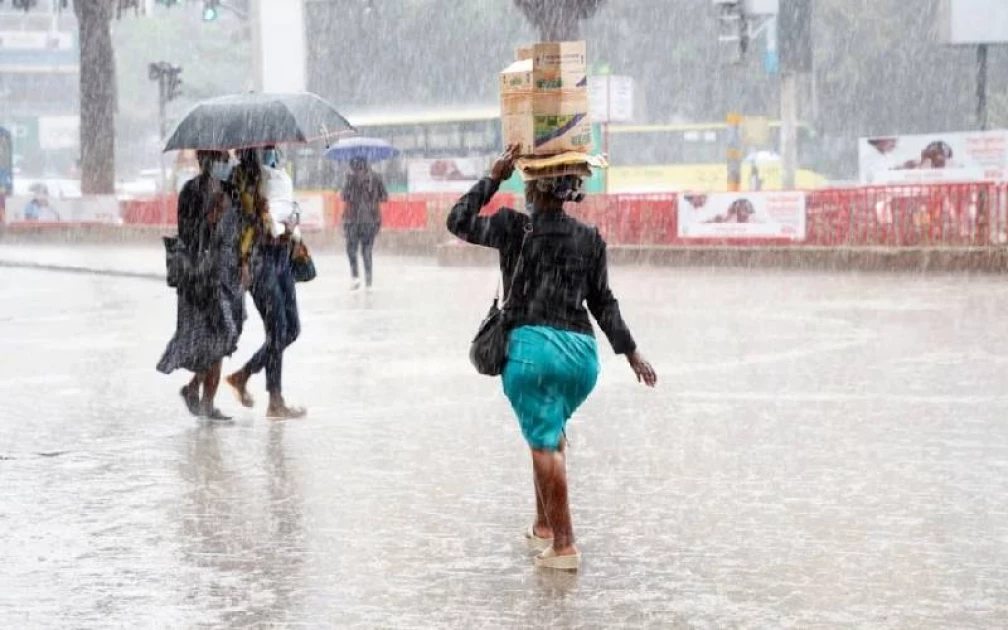
The Kenya Meteorological Service Authority has issued a five-day weather forecast warning of moderate to heavy rainfall in at least 29 counties across the country between Sunday, November 8, and Thursday, November 12. The anticipated rainfall is expected to affect several regions, including Central Kenya, Western Kenya, the Rift Valley, Northern Kenya, Eastern Kenya and the Lake Victoria Basin. Residents in the affected areas have been urged to remain alert and take necessary precautions as weather conditions continue to change. The expected rains could provide relief to farmers, support agricultural activities and improve water availability for communities and livestock. However, heavy downpours may also increase the risk of flooding, disrupt transport, damage property and affect daily activities, particularly in areas with poor drainage and those located near rivers. Motorists, pedestrians, farmers and residents in flood-prone areas are encouraged to exercise caution, monitor official weather updates and follow safety advisories from relevant authorities throughout the forecast period.
The Kenya Meteorological Service Authority has forecast moderate to heavy rainfall in at least 29 counties across the country over the next five days, from Sunday, November 8, to Thursday, November 12, warning residents to prepare for changing weather conditions.
According to the latest weather outlook, several parts of the country are expected to experience significant rainfall, with the forecast covering Central Kenya, Western Kenya, the Rift Valley, Northern Kenya, Eastern Kenya and the Lake Victoria Basin.
The forecast comes as different parts of the country continue to experience varying weather patterns, with some regions likely to receive substantial amounts of rainfall during the five-day period.
The meteorological department has indicated that rainfall will not be limited to one particular region, with several counties expected to experience showers and periods of heavier downpours. Residents in the affected areas have therefore been encouraged to remain alert and follow official weather updates as conditions develop.
The expected rainfall is likely to have different implications for communities depending on their location, geographical features and prevailing environmental conditions. While the rains may provide relief to farmers and communities that depend on agriculture, heavy downpours could also present challenges, particularly in areas that are vulnerable to flooding and other weather-related incidents.
In Central Kenya, residents should prepare for periods of rainfall that could affect daily activities, transport and agricultural operations. The region is home to many farming communities that rely on favourable weather conditions for crop production. The expected rains could therefore provide important moisture for agricultural activities, although excessive rainfall may affect some farming operations.
Farmers are encouraged to monitor weather developments and make informed decisions regarding planting, harvesting and other agricultural activities. Those working in areas with poor drainage should also take precautions to prevent waterlogging, which can affect crops and damage farmland.
Western Kenya is also among the regions expected to receive rainfall during the forecast period. Communities in the region may experience changes in weather conditions, particularly during periods of heavy precipitation.
The Lake Victoria Basin has also been included in the forecast, raising the importance of weather awareness among residents, fishermen and people whose livelihoods depend on activities around the lake. Heavy rainfall may affect movement on the water and create challenging conditions for those involved in fishing and other lake-related activities.
Fishermen and boat operators are encouraged to pay attention to weather advisories before heading out onto the lake. Sudden changes in weather, strong winds and reduced visibility can make water transport dangerous, particularly for small boats operating without adequate safety equipment.
The Rift Valley region is another area expected to experience rainfall. Given the region's varied geographical landscape, the effects of heavy rainfall may differ from one location to another. Areas situated near rivers, streams and low-lying sections may face increased risks of water accumulation and flooding.
Residents living in areas that have previously experienced flooding are advised to remain cautious and avoid crossing swollen rivers or streams. Heavy rainfall can cause water levels to rise rapidly, making it difficult to assess the safety of crossing points.
Northern Kenya and parts of Eastern Kenya are also expected to receive rainfall, according to the meteorological outlook. The forecast could bring relief to communities that depend on livestock keeping and rain-fed agricultural activities.
Pastoralist communities in these regions rely heavily on rainfall to support pasture regeneration and replenish water sources for their livestock. Improved water availability could help reduce pressure on existing water points and support livestock production.
However, heavy rainfall can also create challenges for pastoralist communities, especially where settlements are located in areas prone to flash floods. Livestock owners are encouraged to identify safer grazing areas and avoid keeping animals near seasonal rivers and other locations that may experience sudden flooding.
The expected rainfall may also affect transport and movement across different parts of the country. Heavy downpours can reduce visibility on roads, increase the risk of accidents and make some rural routes difficult to navigate.
Motorists are advised to exercise caution when driving during rainy conditions, maintain safe distances from other vehicles and avoid speeding on wet roads. Drivers should also be particularly careful when approaching bridges, drainage channels and sections of roads that are known to experience flooding.
Public transport operators are equally encouraged to take necessary precautions to protect passengers, especially when travelling through areas expected to receive heavy rainfall.
For pedestrians, the changing weather conditions may require additional caution when moving along roads and crossing drainage channels. Residents should avoid walking through flowing floodwater because its depth and strength may be difficult to determine.
The rainfall forecast also highlights the importance of proper drainage systems in residential areas and urban centres. Poorly maintained drainage channels can contribute to flooding when large amounts of rain fall within a short period.
Local authorities and relevant agencies are encouraged to ensure that drainage systems remain clear and that blocked waterways are addressed before the onset of heavy rainfall. Communities can also play a role by avoiding the disposal of rubbish in drainage channels, rivers and other waterways.
In areas where homes and businesses are located near rivers, residents should remain alert to possible changes in water levels. Those living in flood-prone locations should pay attention to official warnings and consider moving to safer areas whenever authorities issue evacuation instructions.
The agricultural sector is also expected to be among the areas affected by the changing weather conditions. Rainfall is an important factor in Kenya's agricultural economy, supporting crop production, livestock keeping and the availability of water for different farming activities.
For farmers, the anticipated rains could create opportunities to improve soil moisture and support the growth of crops. However, agricultural experts generally advise farmers to consider local weather conditions before undertaking major farm operations.
Excessive rainfall can damage crops, cause soil erosion and wash away nutrients from farmland. Farmers operating on sloping land are encouraged to consider soil conservation measures, including terracing and proper water management practices.
Livestock farmers should also ensure that their animals have access to safe shelter and dry resting areas. Prolonged exposure to wet conditions can create unfavourable environments for livestock and increase the risk of certain animal health challenges.
Schools and other learning institutions in affected regions may also need to prepare for possible disruptions caused by heavy rainfall. Parents, teachers and school administrators are encouraged to monitor local weather conditions, particularly when learners are expected to travel long distances to and from school.
Where roads become impassable or flooding affects access to learning institutions, school administrators should prioritise the safety of learners and staff.
Health and emergency response agencies are also encouraged to remain prepared during the forecast period. Heavy rainfall can sometimes lead to emergencies involving flooded homes, damaged infrastructure and people trapped in areas affected by rising water levels.
Communities are advised to report dangerous situations to the relevant authorities and avoid attempting risky rescue operations without proper equipment and training.
The public should also be careful when handling electrical appliances and power connections in areas affected by flooding. Water and electricity can create serious safety hazards, making it important for residents to avoid contact with fallen power lines and damaged electrical installations.
The five-day forecast serves as an important reminder of the need for communities to remain informed and prepared whenever significant rainfall is expected. Although rainfall is essential for agricultural production, water supply and environmental sustainability, heavy downpours can also pose risks when communities are not adequately prepared.
Residents are encouraged to obtain weather information from official government communication channels and follow any additional advisories issued by the meteorological department during the forecast period.
The public should avoid relying on unverified information circulating on social media, particularly when making decisions concerning travel, farming and personal safety.
County governments, emergency response teams and other relevant institutions are also encouraged to coordinate preparedness efforts in areas likely to experience heavy rainfall. Timely communication and appropriate response measures can help reduce the potential impact of weather-related emergencies.
As the country prepares for the forecast rainfall between November 8 and November 12, residents across the affected regions are urged to remain vigilant, take necessary precautions and pay attention to changing weather conditions.
The anticipated rainfall could bring important benefits to farmers, pastoralists and communities that depend on reliable water supplies. However, preparedness remains essential to ensure that the rains do not result in avoidable damage, disruptions or loss of lives.
The Kenya Meteorological Service Authority is expected to remain an important source of information as the weather situation develops, with residents encouraged to follow official updates throughout the five-day period.

You Might Also Like
-
The conclusion of the Eastleigh building collapse search and rescue operation after 15 days marks the end of one of the most difficult emergency response exercises in Nairobi in recent weeks. The operation resulted in four people being rescued alive and eight bodies being recovered, while three peo
-
Kenya has recorded another major breakthrough in its fight against the Bundibugyo Ebola outbreak following the successful discharge of the sixth patient after testing negative for the virus. The Ministry of Health, through Director-General Dr Patrick Amoth, confirmed that only one patient remains un
-
National Treasury Cabinet Secretary John Mbadi has challenged universities across Kenya to increase investment in research, innovation and technology, saying higher learning institutions must play a central role in transforming the country's economy. Speaking during the Adventist University of Afric
-
The Football Kenya Federation (FKF) is facing a major leadership shake-up following the expulsion of seven National Executive Committee members during Saturday’s Special General Meeting held in Meru. Among those affected is FKF Vice President McDonald Mariga Wanyama, alongside Robert Kenneth Macha
-
Nakuru Governor Susan Kihika has hit back at former Deputy President Rigathi Gachagua over his growing involvement in the county's political affairs, insisting that Nakuru residents have the freedom to determine their own political future. Kihika maintains that Nakuru belongs to the Rift Valley regi
-
The government has launched a nationwide field verification exercise to assess the progress and impact of major national development projects and programmes. Coordinated by the Office of the Prime Cabinet Secretary in partnership with NGAO, the exercise aims to establish whether government initiativ