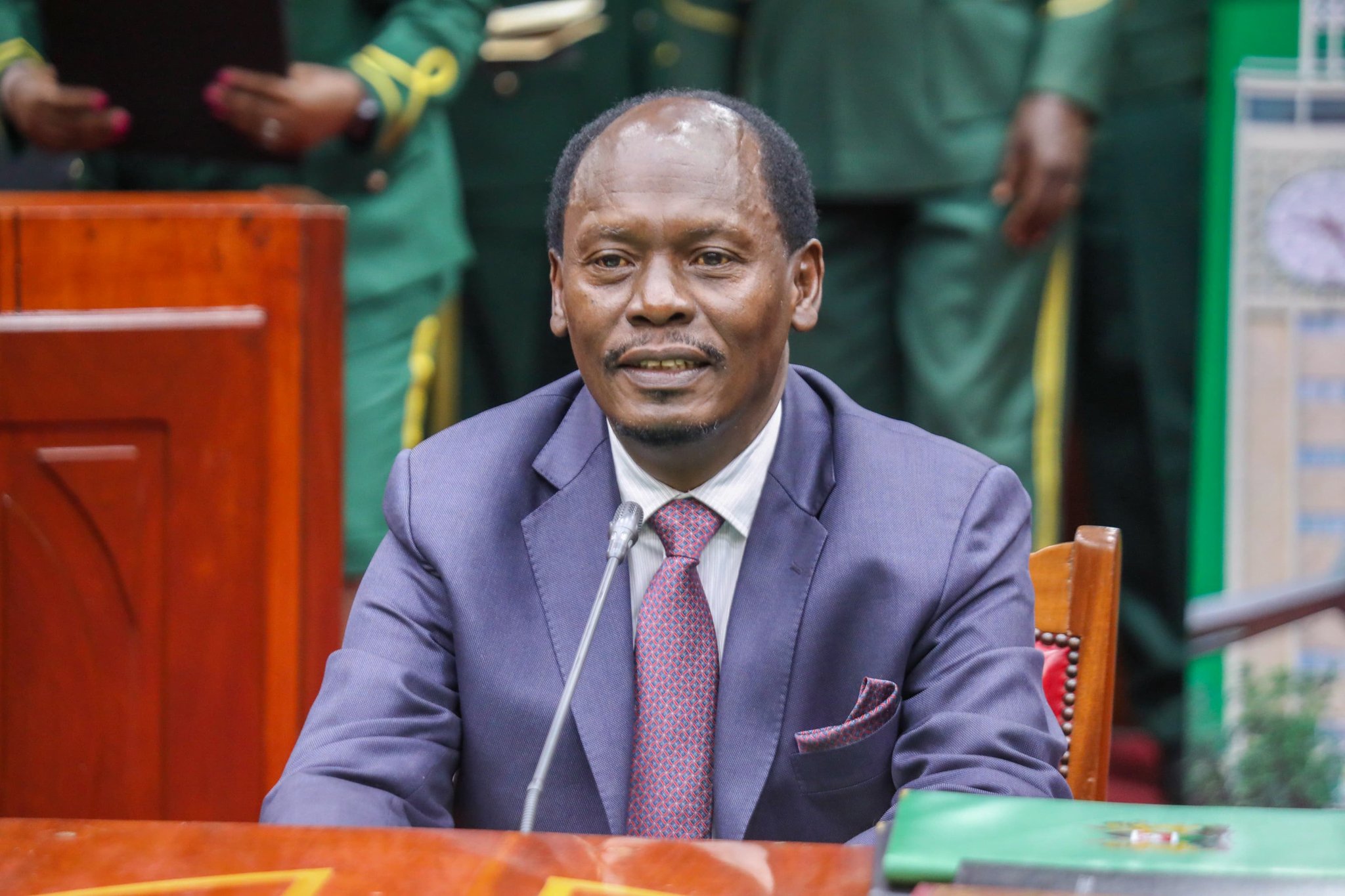
KENYA SECURES SEAT ON ITU COUNCIL AFTER WINNING 136 VOTES IN AFRICAN REGION
Kenya has secured a major victory in the global telecommunications sector after winning 136 votes in the International Telecommunication Union (ITU) Council elections, emerging as the top-performing country in Region D (Africa). Information, Communications and the Digital Economy Cabinet Secretary William Kabogo announced the achievement during the ITU Plenipotentiary Conference in Doha, Qatar, confirming that Kenya had secured a seat on the council for the 2027–2030 term. The victory reinforces Kenya's growing influence in international digital policy discussions and its longstanding participation in the global telecommunications organisation. Through its renewed membership, Kenya will have an opportunity to contribute to decisions concerning internet connectivity, telecommunications infrastructure, digital innovation, cybersecurity, emerging technologies and affordable access to digital services. The achievement also provides a platform for the country to advance Africa's interests in global technology discussions, particularly on bridging the digital divide, improving network coverage in underserved communities and promoting digital inclusion. Kenya's continued representation comes at a time when the country is strengthening its digital economy through investments in technology, online government services, mobile financial solutions and digital skills development. The council membership will allow Kenya to work alongside other member states in shaping policies and strategies that influence the future of global communications. As the 2027–2030 term approaches, attention will focus on how the country uses this international platform to promote technological growth, strengthen cooperation and create opportunities for citizens and businesses. The 136-vote victory marks an important diplomatic achievement for Kenya and strengthens its position as one of Africa's leading voices in the global information and communications technology sector.
Kenya has secured a seat on the International Telecommunication Union (ITU) Council for the 2027–2030 term after emerging victorious in Region D, which represents Africa, during elections held at the ITU Plenipotentiary Conference in Doha, Qatar.
Information, Communications and the Digital Economy Cabinet Secretary William Kabogo announced the achievement, confirming that Kenya received 136 votes in the regional election. The result placed the country among the African nations selected to represent the continent in the global telecommunications organisation for the next four years.
Kenya's victory is an important diplomatic and technological achievement, particularly at a time when countries across the world are investing heavily in digital infrastructure, telecommunications, internet connectivity and emerging technologies.
The successful election gives Kenya an opportunity to participate in important discussions and decisions shaping the future of global communication systems. It also provides the country with a platform to contribute to conversations on digital transformation, innovation, cybersecurity, affordable connectivity and the responsible use of technology.
Kabogo's announcement highlights the government's efforts to strengthen Kenya's position in international technology institutions and increase its participation in decisions affecting the global digital economy.
Kenya's performance in the election placed it ahead of several other African countries that contested the available positions. The country received 136 votes, demonstrating strong support from participating member states. The competitive election involved 19 African countries seeking 13 positions allocated to the continent.
The outcome means that Kenya will continue representing Africa in the ITU Council alongside other elected countries. The regional allocation is intended to ensure that different parts of the world participate in decisions concerning telecommunications and the development of information and communication technologies.
For Kenya, the achievement is particularly significant because the country has maintained representation on the ITU Council since 1982. Its continued membership reflects a longstanding relationship with the international organisation and provides an opportunity to build on its participation in global telecommunications discussions.
The International Telecommunication Union is a specialised agency of the United Nations responsible for matters relating to information and communication technologies. It brings together governments and other stakeholders to coordinate international telecommunications, support technological development and promote connectivity across different regions.
The organisation plays an important role in coordinating the use of radio-frequency spectrum and satellite orbits, developing international telecommunications standards and supporting the expansion of communication infrastructure. Its work affects how mobile networks, broadcasting services, satellite communication systems and other digital technologies operate across national borders.
As technology continues to advance, the organisation has become increasingly important in addressing issues that require international cooperation. These include expanding internet access, improving the reliability of communication networks, supporting digital innovation and ensuring that countries can benefit from developments in the global digital economy.
The ITU also provides a platform through which member states discuss emerging challenges affecting the telecommunications sector. Such discussions are important because digital technologies are increasingly connected to education, healthcare, commerce, public administration, financial services and national security.
Kenya's position on the council will therefore allow it to participate in discussions involving issues that directly affect the country's technology sector and its wider development priorities.
The ITU Council serves as the organisation's governing body between Plenipotentiary Conferences, which are held every four years. It oversees the implementation of decisions made by member states, provides guidance on the organisation's policies and strategies, coordinates programmes and considers matters affecting its operations.
The council also plays a role in preparing the organisation's strategic and financial plans, approving budgets and monitoring expenditure. Its work helps ensure that the ITU continues operating effectively while responding to changes in the global telecommunications environment.
Through its membership, Kenya will have an opportunity to contribute to discussions on the priorities guiding the organisation's activities. This includes participating in conversations on how countries can improve connectivity, develop telecommunications infrastructure and make digital services more accessible to their populations.
The position also provides Kenya with a platform to advance issues affecting developing countries, particularly those that continue to experience challenges in accessing reliable and affordable internet services.
For many communities across Africa, access to digital infrastructure remains uneven. While major towns and commercial centres have experienced significant growth in connectivity, some rural and remote areas still face limitations related to network coverage, affordability and access to suitable devices.
Kenya can use its participation in the council to support international discussions aimed at addressing these gaps and encouraging policies that promote meaningful digital inclusion.
One of the priorities expected to remain important during Kenya's council term is the promotion of affordable and meaningful connectivity. This involves ensuring that individuals, businesses, schools and public institutions can access reliable communication services at reasonable costs.
Internet connectivity has become an important requirement for participation in modern economic and social activities. Businesses increasingly depend on digital platforms to reach customers, process transactions and manage operations, while students and teachers rely on online resources to support learning.
Government services have also continued to adopt digital platforms to improve access to information and make public services more convenient. However, the benefits of these developments can only be fully realised when citizens have access to reliable networks, affordable devices and the skills required to use digital tools.
Kenya's participation in the ITU Council presents an opportunity to support discussions on policies that can help address these challenges.
Digital skills are another important area that the country can promote. As more activities move online, people need the knowledge and abilities required to use technology safely and productively.
Such skills are important for young people seeking employment, entrepreneurs developing businesses and workers adapting to changing demands in the labour market. They are also necessary for communities that want to benefit from online education, digital financial services and other technology-based opportunities.
By participating in international discussions on digital development, Kenya can contribute to efforts aimed at strengthening digital literacy and supporting skills development across different populations.
Another issue expected to remain important during the council's term is the need to strengthen confidence in digital services.
As internet use expands, governments, businesses and individuals increasingly rely on online platforms to exchange information, conduct transactions and access essential services. This growth makes it necessary to promote secure and reliable digital systems.
Cybersecurity threats, online fraud, data breaches and the misuse of digital platforms can undermine public confidence and expose individuals and institutions to significant risks.
International cooperation is important in addressing these challenges because cyber threats can cross national borders and affect several countries at the same time.
Kenya's participation in the ITU Council will provide an opportunity to contribute to discussions on building trust in digital technologies and encouraging cooperation among countries in developing secure communication systems.
The country can also support efforts to ensure that technological growth is accompanied by responsible practices, stronger digital awareness and policies that protect users.
Kenya's election is equally important for Africa's participation in international discussions on telecommunications and digital development.
The continent continues to experience rapid growth in mobile technology, digital financial services and online business activities. However, countries face different challenges in developing infrastructure, improving connectivity and ensuring that technological opportunities reach all communities.
Having African countries represented on the ITU Council gives the continent an opportunity to contribute to decisions affecting the direction of global telecommunications.
Kenya's high vote tally may strengthen its position in these discussions and allow it to work with other African representatives on issues of shared interest.
Cooperation among African countries will be important in promoting regional connectivity, encouraging investment in telecommunications infrastructure and supporting the development of technologies that respond to local needs.
The continent also has an interest in ensuring that international digital policies take into account the realities facing developing economies, including the cost of infrastructure, limited access to devices and differences in technological capacity.
Kenya's continued representation offers an opportunity to support these priorities while strengthening partnerships with other countries and international institutions.
The successful election followed diplomatic engagements undertaken by Kenya ahead of the voting process. The country's campaign was led by Cabinet Secretary William Kabogo, who headed the Kenyan delegation during the conference in Doha.
Kenya engaged representatives from different member states as it sought support for its candidature. The engagements included diplomatic activities intended to strengthen relationships with other countries and communicate Kenya's priorities in the global telecommunications sector.
The country used the conference as an opportunity to highlight its experience in telecommunications development, digital innovation and the expansion of technology-based services.
Kenya's campaign focused on its longstanding participation in the ITU Council and its commitment to contributing to the organisation's work. The country also presented its ambition to promote inclusive digital development and strengthen cooperation among member states.
The result provides an indication of the support Kenya received from other ITU member states and strengthens its position as it prepares to serve another four-year term.
The renewed mandate comes at a time when Kenya is seeking to expand its digital economy and attract investment in technology-related industries.
The country has made significant progress in areas such as mobile financial services, digital payments and technology-driven entrepreneurship. These developments have contributed to Kenya's reputation as an important technology hub in Africa.
However, continued progress will require investment in telecommunications infrastructure, improved internet coverage and the development of affordable digital services.
Kenya's council membership could help create opportunities for the country to participate in international conversations that influence the development of the telecommunications sector. It may also strengthen cooperation with other countries, technology institutions and development partners.
Issues such as artificial intelligence, satellite communication, digital infrastructure and emerging technologies are increasingly becoming part of global policy discussions. Kenya will have an opportunity to contribute to conversations on how these technologies can be developed and adopted in ways that benefit both developed and developing countries.
The country is also expected to support efforts to attract investment in last-mile connectivity and improve access to digital infrastructure, particularly in communities that remain underserved.
Kenya's new term on the ITU Council will begin in 2027 and run until 2030. During this period, the country will participate in the council's work alongside other elected member states from different regions.
The council will be expected to guide the organisation's activities, monitor the implementation of its strategic priorities and consider important policy and financial matters. Its decisions will help shape the international environment within which telecommunications and digital technologies continue to develop.
Kenya's representation will therefore carry responsibilities that go beyond securing a position in an international organisation. The country will be expected to contribute to discussions, cooperate with other member states and support initiatives that promote the growth of global connectivity.
The government will also have an opportunity to ensure that Kenya's priorities, as well as issues affecting other African countries, receive attention in international discussions.
For ordinary Kenyans, the value of the country's participation will ultimately be reflected in the opportunities it helps create for improved connectivity, access to digital services, technological innovation and skills development.
The election is also expected to strengthen Kenya's engagement with international institutions as the country continues positioning itself as a regional centre for technology and digital transformation.
With 136 votes, Kenya emerged as the leading African country in the Region D election, securing its place on the ITU Council for another four-year term. The achievement gives the country an opportunity to build on its longstanding relationship with the organisation and contribute to decisions shaping the future of global telecommunications.
As the new term approaches, attention will turn to how Kenya uses its renewed mandate to advance affordable connectivity, promote digital skills, strengthen confidence in online services and ensure that Africa has a stronger voice in global information and communications technology policy.
The successful election in Doha marks an important moment for Kenya's international technology engagement. The real test, however, will be how effectively the country translates its council membership into meaningful progress for its citizens and the wider African region.

You Might Also Like
-
Two individuals suspected of being members of a criminal gang have been shot dead by police officers following a dramatic pursuit in Bamburi, Mombasa County. The incident has raised renewed attention to security concerns in the coastal region, with questions emerging about the circumstances that led
-
Interior Cabinet Secretary Kipchumba Murkomen has visited the Rome Police Operations Centre in Italy to learn how modern technology is being used to strengthen security operations, improve police coordination and enhance law enforcement. The visit provided an opportunity for the Kenyan delegation to
-
 The Teachers Service Commission (TSC) has appointed Cheptumo Ayabei as its new Secretary and Chief Executive Officer, ushering in a new chapter in the leadership of the institution responsible for managing Kenya's teaching workforce. Ayabei, who previously served as the commission's Director of Fina
-
The Riverside tragedy has left a family devastated after a father of five reportedly lost his life, leaving behind five children to face an uncertain future without his presence. The heartbreaking incident has sparked concern and sympathy, highlighting the emotional and financial challenges families
-
President William Ruto’s 90-day plan to introduce a new basic education law has sparked debate over the management and control of the education sector, with county governments raising concerns about protecting their constitutional responsibilities. The proposed legal reforms are expected to review
-
Former Deputy President Rigathi Gachagua has declared his intention to challenge Johnson Sakaja and Ronald Karauri in the 2027 Nairobi gubernatorial race, signalling an increasingly competitive battle for City Hall. Gachagua has maintained that the Democratic Change Party (DCP) will not enter into z