




Kenya Weather Forecast for the Week of September 15–21, 2026
Overall, the weather forecast for September 15–21, 2026 shows a week of contrasting weather conditions across Kenya. Several counties, including Nairobi, Bomet, Kericho, Nandi, Kisumu, Kisii, Kakamega, Mombasa, Kilifi, Kwale and many others, are expected to receive rainfall, while parts of northern and northeastern Kenya will experience more sunshine and warmer conditions. The forecast is also significant because it comes shortly before the October–December short-rains season. While September is not expected to bring uniform rainfall across the country, the emerging showers provide an important reminder for communities to strengthen preparedness. Farmers should use the information to plan agricultural activities, while residents in areas vulnerable to flooding should prepare for sudden heavy rainfall. The most important message from the meteorological authorities is that weather information should be turned into early action. Following official updates throughout the week will help Kenyans make safer decisions regarding travel, farming, livestock, construction and other daily activities.
Kenya is expected to experience mixed weather conditions between Tuesday, September 15 and Monday, September 21, 2026, with rainfall affecting several counties while other parts of the country remain generally sunny and dry. The latest seven-day forecast from the Kenya Meteorological Department (KMD) covers September 15–21 and comes as the country prepares for the October–December short-rains season.
The forecast indicates that rainfall will be experienced in parts of Nairobi, western Kenya, the Rift Valley, central Kenya, the Coast and several eastern and northern counties. At the same time, some traditionally drier areas are expected to experience sunny intervals and relatively high temperatures. This means Kenyans should expect considerable regional differences during the week rather than one uniform weather pattern across the country.
Rainfall expected in several counties
According to the latest KMD forecast, rainfall is expected in parts of Baringo, Bomet, Bungoma, Busia, Elgeyo-Marakwet, Embu, Garissa, Homa Bay, Kakamega, Kajiado, Kericho, Kiambu, Kilifi, Kirinyaga, Kisii, Kisumu, Kitui, Kwale, Laikipia, Lamu, Machakos, Makueni, Mandera, Marsabit, Meru, Migori and Mombasa.
Other counties listed include Murang'a, Nairobi, Nakuru, Nandi, Narok, Nyamira, Nyandarua, Nyeri, Siaya, Taita Taveta, Tana River, Tharaka-Nithi, Trans Nzoia, Uasin Gishu, Vihiga, Wajir and West Pokot.
The distribution of rainfall will not necessarily be continuous throughout the week. Some locations may receive showers during particular parts of the day, while others could remain dry for long periods before receiving isolated rainfall.
This is particularly important for farmers, because even relatively short rainfall events can influence planting, crop management, livestock and water availability.
Nairobi weather outlook
Nairobi is among the areas expected to experience rainfall during the week. The forecast comes after the capital and surrounding areas experienced variable weather as September progresses.
Residents should therefore be prepared for changing conditions, including cloudy periods and occasional showers. People travelling in the morning or evening may find it useful to carry rain protection, particularly on days when showers are forecast.
The broader Nairobi region can also experience significant differences between daytime and nighttime temperatures. Cooler mornings and evenings may occur even when daytime conditions become warmer.
A separate extended forecast for Nairobi indicates a generally cloudy and showery pattern during the first part of the week, followed by warmer conditions toward Sunday and Monday.
Western Kenya and the Rift Valley
Western Kenya and parts of the Rift Valley are among the regions where rainfall is expected during the week. Counties such as Bungoma, Busia, Kakamega, Kisumu, Vihiga, Nandi, Uasin Gishu, Trans Nzoia, Kericho, Bomet, Kisii, Nyamira and West Pokot are included in the forecast.
The rainfall will be important for agricultural communities because September is a transitional period before the main October–December short-rains season.
However, the monthly outlook has indicated that some western and Rift Valley counties could receive below-average rainfall during September overall. This shows why a monthly forecast should not be interpreted as meaning that every day will be dry. A county can have several rainy days while still recording below-normal rainfall for the month as a whole.
Farmers should therefore continue following daily and weekly forecasts before making decisions concerning planting, spraying, harvesting and movement of livestock.
Central Kenya
Central Kenya is also expected to experience variable weather. Counties including Kiambu, Murang'a, Nyeri, Nyandarua, Kirinyaga, Embu, Meru, Tharaka-Nithi and Laikipia are included among areas where rainfall may occur.
The higher-altitude parts of central Kenya can remain noticeably cooler, especially at night and early in the morning. Recent forecasts have highlighted very low nighttime temperatures in some highland areas, particularly Nyandarua and parts of the central region.
Residents in these areas should therefore prepare for cool mornings while also remaining alert for afternoon showers.
Coast region
The Coast is also expected to experience rainfall during the week. Mombasa, Kilifi, Kwale and Lamu are among the counties mentioned in the forecast.
Coastal weather will continue to be influenced by the region's warm and humid conditions. Rainfall could occur at different times, and some areas may experience short periods of heavy showers.
People involved in fishing, marine transport and other activities along the Indian Ocean should continue monitoring official weather information, particularly when strong winds or rough marine conditions are reported.
The September monthly forecast places the Coast among areas where rainfall is expected to be closer to normal compared with several western and Rift Valley counties.
Northern and northeastern Kenya
Northern Kenya will continue experiencing generally warmer conditions compared with the highlands. Counties such as Wajir and Mandera are included in the weekly rainfall outlook, although rainfall distribution is expected to be uneven.
Some areas of the north, including Isiolo, Mandera, Marsabit, Samburu and Turkana, are expected to experience sunny intervals, particularly during afternoons.
Temperatures can become particularly high in northern and northeastern counties. KMD's broader September outlook indicates that several arid and semi-arid counties are likely to record warmer-than-average conditions.
Residents should therefore take precautions against excessive heat, including drinking sufficient water, avoiding unnecessary exposure to intense afternoon sunshine and protecting livestock from heat stress.
Temperature variations
One of the major features of Kenya's weather this week will be the large difference in temperatures between regions.
The Coast and northeastern parts of the country are likely to remain considerably warmer, while high-altitude locations in central Kenya and the Rift Valley will continue to experience cooler nights.
KMD has indicated that some counties could record daytime maximum average temperatures above 30°C, particularly in warmer northern and coastal areas. At the same time, minimum nighttime temperatures below 10°C are expected in some highland counties, including parts of Meru, Tharaka-Nithi, Kirinyaga, Murang'a, Nyeri, Nakuru, Narok, Taita Taveta and Kajiado.
This wide temperature range demonstrates why weather conditions in Kenya cannot be described using a single national temperature.
Agriculture and farming
The week's weather forecast will be important for Kenya's agricultural sector.
Rainfall in western Kenya, the Rift Valley, central Kenya and parts of the Coast could provide useful moisture for crops and pastures. Farmers can use the forecast when planning field activities, although they should avoid relying solely on a seven-day prediction.
Those preparing land for the October–December rainfall season should pay particular attention to updated forecasts because rainfall onset, intensity and distribution can vary significantly from one location to another.
The country's meteorological authorities have repeatedly urged Kenyans to turn weather warnings into early action as the OND season approaches.
Flooding and other weather-related risks
Although the weekly forecast does not mean that every location will experience dangerous rainfall, localized heavy showers can create problems.
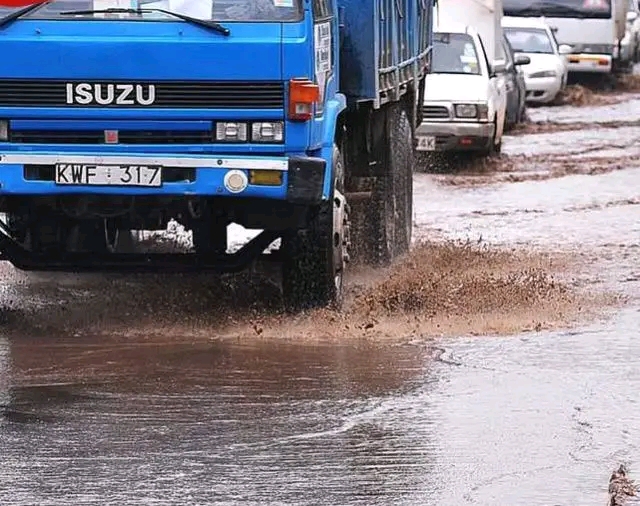
Urban areas such as Nairobi can experience temporary flooding when rainfall is intense, especially where drainage systems are blocked or inadequate. Rural areas can also experience waterlogging, muddy roads and difficult travel conditions.
People living near rivers, streams and other flood-prone locations should remain alert to changes in weather and follow official warnings.
Motorists should also exercise caution during heavy rainfall because visibility can deteriorate and roads can become slippery.
Impact on transport and daily activities
Changing weather conditions could affect road transport during periods of heavy rain. Muddy roads can become particularly difficult in rural areas, while urban roads may experience congestion when rainfall occurs during peak travelling hours.
Passengers and motorists should consider checking weather conditions before beginning long-distance journeys.
For people working outdoors, rainfall could interrupt construction, agricultural activities and other outdoor work. Conversely, warmer and sunnier conditions in northern and coastal areas could make outdoor activities uncomfortable during the hottest parts of the day.
Kenya preparing for the October–December rains
The week's forecast is particularly significant because Kenya is approaching the October–December 2026 short-rains season.
The meteorological authorities are encouraging communities, county governments and other institutions to use available forecasts to prepare for possible weather-related hazards.
The broader OND outlook has pointed toward an enhanced rainfall season in much of Kenya, although rainfall distribution is expected to differ between regions. Turkana and Samburu, for example, are expected to have poorer-to-fair rainfall distribution compared with many other areas.
This makes the current week an important period for preparedness. Farmers can prepare farms and water-storage facilities, while communities in flood-prone areas can clear drainage channels and identify safe areas before heavier seasonal rains arrive.
Advice to Kenyans
Kenyans are advised to keep monitoring updates from the Kenya Meteorological Department, especially when planning farming, travel, outdoor events or other activities affected by weather.
People in areas expecting rainfall should carry appropriate rain gear and avoid unnecessary movement during intense storms. Communities in flood-prone areas should remain vigilant and avoid crossing flooded rivers or roads.
In warmer counties, residents should take measures to stay hydrated and avoid prolonged exposure to extreme afternoon heat.
Farmers should also avoid making major agricultural decisions based on a single forecast. Instead, they should compare daily, five-day and seven-day updates as the weather situation develops.

You Might Also Like
-
Former Migori Governor Okoth Obado is back in the Milimani High Court on September 16, 2026, for sentencing following his conviction over the 2018 murder of Rongo University student Sharon Otieno. Obado, alongside his former personal assistant Michael Juma Oyamo and former Migori County official Cas
-
The announcement that Nairobi will host the 2029 World Athletics Championships has been met with considerable excitement in Eldoret, particularly among upcoming athletes, coaches and residents who identify strongly with Kenya's athletics tradition. Young athletes see the championships as a potentia
-
 President Ruto's reaction to Nairobi winning the 2029 World Athletics Championships has centred on national pride, Africa's historic opportunity and recognition of Kenya's athletics heritage. He has described the victory as belonging to Kenya, Africa and generations of athletes who have made the cou
 -
The 15th Mara Day celebrations concluded on Tuesday, September 15, 2026, at Bomet Stadium, bringing together Kenyan and Tanzanian leaders, environmental experts, conservation organisations and local communities to discuss the protection of the Mara River ecosystem. Key leaders included EAC Affairs a
-
The story of Mercy Kanini of Juja, Kiambu County, is both extraordinary and heartbreaking. She made headlines after delivering five babies through normal delivery at Thika Level Five Hospital, an event described as extremely rare in Kenya. The babies were subsequently transferred to Kenyatta Nationa
-
President William Ruto's September 15, 2026 visit to Siaya marks the third day of his current Nyanza development tour and represents one of the most politically significant stages of the regional visit. The day is centred on Dhogoye Bridge, Sihayi-Bar Ober-Sega Road, Alego Usonga Affordable Housing