



Kericho Mass Grave Court Case: Three Suspects Charged as Court Orders 30-Day Remand
The Kericho mass-grave case entered a significant new phase on September 14, 2026, when three people were formally charged over the alleged illegal burial of more than 33 bodies at the NCCK Public Cemetery in Kericho. The accused are Richard Towett, David Haraka and Jason Machora. Towett is accused of permitting the burial without valid permits, while Haraka and Machora are accused of illegally transporting and delivering the bodies to the cemetery. The prosecution has invoked Section 21 of the Births and Deaths Registration Act. The court ordered the three suspects to remain in custody for 30 days, and the matter will next be mentioned on October 15, 2026. The case is likely to become clearer as investigators present more evidence concerning the movement of the bodies from Nyamira Teaching and Referral Hospital to Kericho. Earlier investigations established that all 33 bodies were traced to the Nyamira facility, while human-rights investigators raised concerns that only 13 bodies appeared to have court approval for burial, leaving questions about the remaining 20.
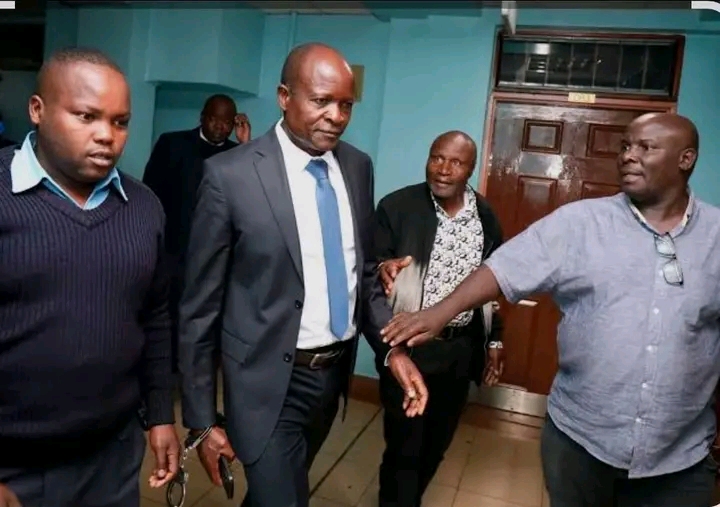
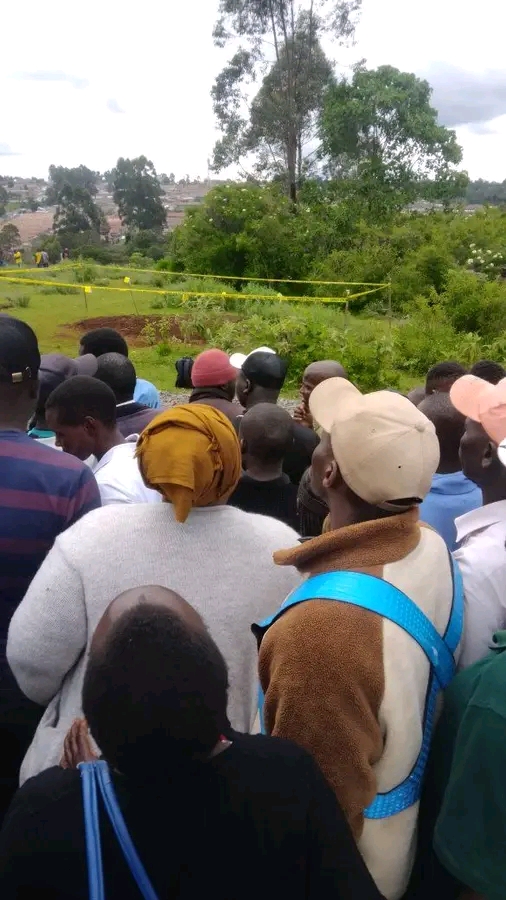
The Kericho mass-grave investigation took a major legal turn on Monday, September 14, 2026, when three people were charged in connection with the alleged illegal burial of more than 33 bodies in a single grave at the National Council of Churches of Kenya (NCCK) Public Cemetery in Kericho. The three suspects are cemetery supervisor Richard Towett, also known as Ezekiel, and two Nyamira County officials, David Haraka and Jason Machora. The suspects appeared before Kericho Chief Magistrate Atanga Thomas Obutu, where the prosecution presented allegations concerning the transportation, delivery and burial of the bodies. The court ordered all three to remain in custody for 30 days, with the matter scheduled for mention on October 15, 2026.
The court development is significant because it moves the matter from a largely investigative stage into a formal criminal case. It also provides an indication of what could happen next to the suspects, the hospital and county officials who may have information, the cemetery management and other people who may have been involved in the movement or burial of the remains.
What happened in court on Monday
According to the report published after the court proceedings, the prosecution alleges that the three suspects participated in an unlawful mass burial involving more than 33 bodies.
Richard Towett, the cemetery supervisor, is accused of allowing or permitting the burial without valid permits. The two Nyamira County officials, David Haraka and Jason Machora, are accused of illegally transporting and delivering the bodies to the cemetery.
The prosecution is relying on provisions of Section 21 of Kenya's Births and Deaths Registration Act, which regulates the disposal of human remains.
The case is therefore not simply about the fact that many bodies were discovered in one location. The immediate criminal question before the court is whether the people responsible for moving and receiving the bodies followed the legal procedures governing the disposal and burial of human remains.
That distinction is important because the earlier investigation established that the bodies were linked to a hospital morgue. The Directorate of Criminal Investigations had previously said that all 33 bodies recovered from the Kericho site had been traced to Nyamira Teaching and Referral Hospital. Investigators said hospital records and CCTV footage from the mortuary were important in establishing the movement of the bodies.
*Why the discovery caused so much concern*
The investigation began after concerns were raised about suspicious burials at Makaburini Cemetery in Kericho.
Initially, authorities were dealing with information suggesting that approximately 14 bodies had been buried at the site. When the exhumation was conducted, however, investigators recovered a much larger number.
Reports subsequently indicated that 33 bodies were recovered, including 25 children and eight adults. The remains included infants and foetuses, while investigators also reported finding body parts.
The discovery immediately raised questions about who had authorised the burial, where the bodies came from, how they had been transported and whether the appropriate legal procedures had been followed.
It also created public concern because a burial involving such a large number of bodies had not been widely known until the investigation began.
The major issue: authorised bodies versus bodies actually buried
One of the most important aspects of the case is the discrepancy between the number of bodies allegedly authorised for burial and the number eventually recovered.
The Kenya Human Rights Commission previously reported that documentation it had obtained showed that only 13 bodies had court approval for burial, while investigators recovered 33 bodies from the grave. That left a discrepancy involving 20 bodies.
The 13 bodies reportedly covered eight adults, one child, three foetuses and stillborn twins.
This discrepancy is likely to remain central to the criminal proceedings.
The prosecution will need to demonstrate what happened to the additional bodies and who authorised or facilitated their movement. The defence, on the other hand, will have an opportunity to challenge the prosecution's evidence and explain the circumstances surrounding the burial.
*What happens next to the three suspects?*
The immediate consequence of Monday's court appearance is that the three suspects will remain in custody for 30 days, rather than being released while investigators continue their work. The case will be mentioned on October 15, 2026.
During this period, investigators and prosecutors are expected to continue collecting evidence.
This could include:
Hospital and mortuary records.
Court orders authorising disposal of bodies.
Burial permits and cemetery records.
Transport records.
CCTV footage.
Statements from hospital workers.
Statements from cemetery employees.
Statements from grave diggers.
Evidence from county health officials.
Postmortem and forensic reports.
Documentation identifying the deceased.
Communications between people involved in the transfer.
The prosecution will ultimately need enough evidence to demonstrate that the accused persons committed the specific offences with which they have been charged.
Being charged does not mean the suspects have been found guilty. They remain legally presumed innocent unless a court eventually determines otherwise.
*What about the other people involved?*
The three people charged on Monday may not be the only individuals investigated.
The earlier investigation had already identified several people who could have information about how the bodies were moved from Nyamira to Kericho.
For example, the DCI said its investigation had traced all 33 bodies to Nyamira Teaching and Referral Hospital. Investigators examined activity at the hospital mortuary and CCTV footage showing bodies being loaded for transportation.
This means investigators could potentially question additional hospital employees, public-health officials, transporters, cemetery officials or other people who participated in the process.
However, being questioned or appearing in investigative records does not automatically mean that an individual will be charged.
The Director of Public Prosecutions will need to consider the available evidence before deciding whether additional people should face criminal charges.
The role of Nyamira County officials
The involvement of Nyamira County officials is particularly important because the bodies were reportedly connected to Nyamira Teaching and Referral Hospital.
The investigation needs to establish precisely who authorised the release of the bodies and what documentation accompanied them.
There has previously been a dispute over the number of bodies that Nyamira County officials said had been lawfully released.
The DCI reported that all 33 bodies came from Nyamira, while earlier accounts from the county indicated that only 13 bodies had been authorised for release and burial.
That difference is one of the reasons the case has attracted significant attention.
If investigators establish that additional bodies were released without proper documentation, officials responsible could face further legal scrutiny.
The role of the cemetery supervisor
Richard Towett's case is also significant because of the position he allegedly held at the cemetery.
The prosecution alleges that he permitted the burial without valid permits.
The central question for the court will therefore include whether he had a legal duty to verify the documentation before allowing the bodies to be buried.
If the prosecution proves that he knowingly allowed an unlawful burial, the evidence could form part of the case against him.
However, the defence will have an opportunity to challenge this allegation and explain what authority Towett had over the cemetery and what information was available to him at the time.
The role of the two Nyamira officials
David Haraka and Jason Machora are accused of illegally transporting and delivering the bodies to the cemetery.
Their cases will therefore focus heavily on the movement of the bodies.
Investigators are likely to examine who instructed them to transport the remains, which vehicle was used, who loaded the bodies, what documents they were given and who received them at the cemetery.
CCTV footage and documentary evidence could become particularly important if the prosecution seeks to establish a clear chain of responsibility.
*What about the families of the deceased?*
Another major issue is identification.
The authorities have to determine the identities of the people whose remains were recovered.
This is particularly important because some of the remains were those of children, infants and foetuses. The families of deceased people have a legitimate interest in knowing what happened to their relatives and how their remains were handled.
Forensic examinations, hospital records and DNA testing can assist in identifying the deceased.
The Kenya Human Rights Commission has previously called for comprehensive forensic identification and accountability in the case.
The identification process could also establish whether any of the remains belong to people whose families had been searching for them.
Postmortem examinations
Postmortem examinations are another important part of the investigation.
Authorities previously conducted examinations to establish the causes of death. Reports indicated that different causes of death were found among some of the bodies, rather than one common cause affecting everyone.
This is important because the existence of a mass grave does not automatically prove that the people buried there died through a single criminal act.
The investigation therefore has two related but distinct questions:
First, were the deaths themselves suspicious or criminal?
Second, regardless of how the people died, were their bodies illegally transported, handled or buried?
The charges reported on Monday appear to focus primarily on the illegal disposal and burial of human remains, rather than establishing that the three accused murdered the deceased.
*Could more suspects be charged?*
Yes, that remains possible if investigators uncover evidence connecting additional people to the alleged illegal burial.
The prosecution could potentially add accused persons or bring separate charges if investigators establish that other individuals knowingly participated in unlawful transportation, documentation, concealment or burial of the bodies.
However, this should not be assumed until authorities formally announce additional charges.
The investigation is still important because the court process can reveal whether the three accused were acting alone or whether the alleged operation involved a wider network of officials or individuals.
*What will happen on October 15?*
The next major date reported by the court is October 15, 2026, when the case is scheduled to be mentioned.
A mention is generally a procedural stage rather than a full trial.
At that stage, the court may receive updates on the investigation and prosecution case, address applications from either side and consider other procedural matters.
Depending on the circumstances, the court could also deal with issues concerning the accused persons' continued detention, bond or bail, disclosure of evidence and the progress of investigations.
The precise outcome on that date cannot be predicted in advance because it will depend on what applications and evidence are presented before the magistrate.
*Could the suspects get bail?*
The suspects' continued detention for 30 days does not necessarily mean that they will remain in custody throughout the entire criminal process.
Kenyan law generally provides accused persons with avenues to seek release on bail or bond, subject to the court considering relevant factors.
The prosecution can oppose release if it believes there are compelling reasons, such as a risk of interference with witnesses, destruction of evidence, absconding or other circumstances recognised by law.
The defence can challenge those concerns and request reasonable bail or bond conditions.
Therefore, one of the issues that could arise before the next stage of proceedings is whether the suspects should remain in custody or be released under conditions.
*The importance of the evidence*
The eventual strength of the case will depend heavily on documentary and forensic evidence.
The prosecution will likely need to connect each accused person to the alleged offence.
For example, it will need to establish what role the cemetery supervisor allegedly played, what role the Nyamira officials allegedly played and whether their actions violated the relevant law.
Evidence from CCTV, hospital records, transport arrangements, court documents and witnesses could become particularly important.
The prosecution must also distinguish between administrative mistakes and conduct that amounts to a criminal offence.
*Why the case matters nationally*
The Kericho case has become bigger than one cemetery.
It has raised questions about the management of unclaimed bodies in Kenyan hospitals and whether the system adequately protects the dignity of deceased persons.
Authorities have previously explained that hospitals may have procedures for disposing of unclaimed bodies after they have remained in mortuaries for a specified period, with legal authorisation required. The DCI said the Kericho bodies were traced to a hospital morgue and that investigators were examining whether their disposal had been conducted legally.
The case therefore provides an opportunity for government agencies to examine whether existing procedures are being followed.

You Might Also Like
-
Former Migori Governor Okoth Obado is back in the Milimani High Court on September 16, 2026, for sentencing following his conviction over the 2018 murder of Rongo University student Sharon Otieno. Obado, alongside his former personal assistant Michael Juma Oyamo and former Migori County official Cas
-
The announcement that Nairobi will host the 2029 World Athletics Championships has been met with considerable excitement in Eldoret, particularly among upcoming athletes, coaches and residents who identify strongly with Kenya's athletics tradition. Young athletes see the championships as a potentia
-
 President Ruto's reaction to Nairobi winning the 2029 World Athletics Championships has centred on national pride, Africa's historic opportunity and recognition of Kenya's athletics heritage. He has described the victory as belonging to Kenya, Africa and generations of athletes who have made the cou
 -
The 15th Mara Day celebrations concluded on Tuesday, September 15, 2026, at Bomet Stadium, bringing together Kenyan and Tanzanian leaders, environmental experts, conservation organisations and local communities to discuss the protection of the Mara River ecosystem. Key leaders included EAC Affairs a
-
The story of Mercy Kanini of Juja, Kiambu County, is both extraordinary and heartbreaking. She made headlines after delivering five babies through normal delivery at Thika Level Five Hospital, an event described as extremely rare in Kenya. The babies were subsequently transferred to Kenyatta Nationa
-
President William Ruto's September 15, 2026 visit to Siaya marks the third day of his current Nyanza development tour and represents one of the most politically significant stages of the regional visit. The day is centred on Dhogoye Bridge, Sihayi-Bar Ober-Sega Road, Alego Usonga Affordable Housing