



Kindiki Sounds the Alarm: Kenyans Urged to Prepare as El Niño Rains Loom
Deputy President Kithure Kindiki's message on September 22 was centred on preparedness, obedience to safety instructions and early action as Kenya prepares for the expected El Niño rains. He described the situation as a national-security concern and called on Kenyans to comply with evacuation orders and restrictions around flooded areas. He also said security agencies, local administrators, county governments, development partners and humanitarian organisations were being mobilised to strengthen the country's response. The government's preparations are focused on reducing loss of life and property, protecting agriculture and livestock, improving drainage, preparing emergency supplies and ensuring that vulnerable communities can receive assistance quickly. Kindiki's central message was that Kenyans should not panic, but they should not ignore the warnings either. With the expected rains capable of producing flooding, landslides and other disruptions, the government is encouraging citizens to remain alert and follow official instructions. The success of the preparedness measures will depend not only on government agencies but also on cooperation from communities. Following evacuation orders, avoiding flooded rivers and roads, keeping drainage channels clear and paying attention to official weather information are among the measures that can reduce risks during the rainy season. The latest government statements therefore point to a strategy of acting before disasters occur rather than waiting until communities are already affected.
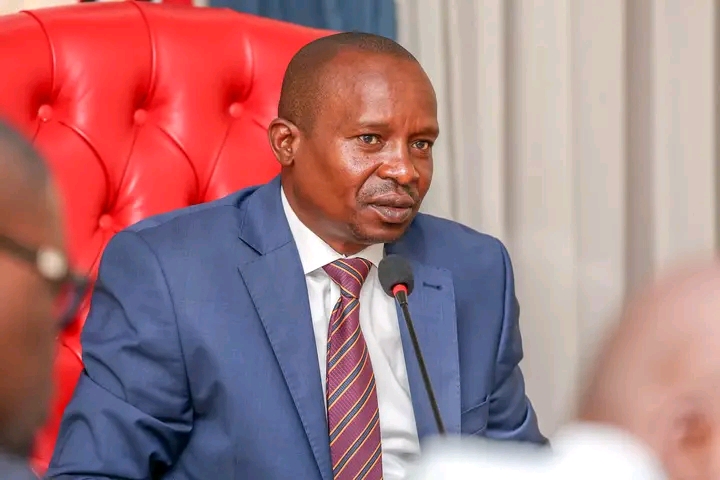
Deputy President Kithure Kindiki has urged Kenyans to take seriously warnings from the government and disaster-management agencies as the country prepares for the expected El Niño rains. Speaking on Tuesday, September 22, 2026, during a high-level preparedness meeting in Karen, Nairobi, Kindiki said the government had activated measures to reduce the possible loss of lives and destruction of property.
The Deputy President's remarks came as authorities intensified preparations for the October-December rainfall season, with forecasts indicating the possibility of heavy rainfall in several parts of the country. Kindiki emphasized that the situation should not be treated simply as an ordinary weather event, saying the potential consequences made it a matter of national security.
Kindiki urges Kenyans to follow safety instructions
One of the main messages from Kindiki was a call for Kenyans to obey instructions issued by security agencies, disaster-management authorities and local administrators.
He particularly warned people living in areas vulnerable to flooding, landslides and mudslides against ignoring official alerts.
According to Kindiki, where authorities issue evacuation orders, residents should leave affected areas rather than wait until the situation becomes dangerous. He also warned against entering or crossing flooded rivers and other dangerous areas during heavy rainfall.
The Deputy President said instructions restricting movement in flooded areas must be followed because failure to observe such warnings has contributed to loss of life during previous emergencies.
Kindiki also said security agencies and administrators, including village elders, had been instructed to help enforce safety measures issued by disaster-management authorities.
The emphasis on enforcement reflects the government's concern that warnings alone may not be sufficient if people continue living in high-risk areas or attempt to cross flooded roads and rivers.
Government says it is preparing early
Kindiki said the government was not waiting for the heavy rains to arrive before beginning preparations.
He chaired a meeting involving senior government officials and heads of departments and agencies responsible for preparing for and responding to the expected El Niño conditions.
The meeting brought together different government institutions, including agencies involved in weather forecasting, security, disaster management and emergency response. The government is also working with county governments, development partners and humanitarian organisations.
Kindiki said the objective is to ensure that government institutions can respond quickly if flooding, landslides, mudslides and other emergencies occur.
He also reassured the public that Kenyans should not panic because government agencies at both national and county levels were working together.
The government has described the approach as one based on preparedness and early intervention rather than waiting until disasters occur before responding.
Why the government is concerned about El Niño
El Niño is a climate phenomenon associated with changes in atmospheric and oceanic conditions in the Pacific Ocean. In East Africa, certain El Niño events have historically been associated with periods of unusually heavy rainfall.
Kenya has previously experienced serious flooding and other weather-related disasters during periods of heavy rainfall. The government is therefore preparing for possible impacts including flooding, landslides, destruction of roads and bridges, displacement of families and damage to crops and livestock.
Kindiki has previously referred to the devastating effects associated with the 1997-98 El Niño rains. He said the historical experience demonstrated why Kenya should prepare before the rains become severe.
The Deputy President has also argued that prevention and early intervention are more effective than waiting for a disaster before mobilising resources.
Nairobi receives special attention
Kindiki specifically highlighted Nairobi because of the city's unique urban environment.
Nairobi has a large population, extensive paved areas and drainage systems that can become overwhelmed during intense rainfall. Blocked drainage channels can increase the speed at which floodwater accumulates in roads, residential areas and commercial centres.
Kindiki said the government had taken account of Nairobi's urban dynamics and was giving the capital special attention to minimise the impact of heavy rains.
The preparations include efforts to improve drainage and reduce potential flood hotspots.
This is particularly important because heavy rainfall in Nairobi can quickly affect transport, businesses, homes and public services.
Authorities have therefore been encouraging residents to avoid dumping waste in drainage channels and to take precautions in areas known to experience flooding.
Other areas identified as vulnerable
Kindiki said Nairobi was not the only area receiving attention.
He identified several other regions and counties that could experience significant effects from the expected weather conditions, including Mombasa, Busia and parts of the arid and semi-arid lands.
Areas vulnerable to landslides and mudslides have also been mapped, with authorities expected to pay particular attention to communities living in such locations.
The identification of high-risk areas is intended to allow authorities to act before communities are overwhelmed by flooding or other disasters.
Some areas may experience flooding while others could face landslides, road damage or isolation because of impassable roads.
Evacuation orders
Another major point in Kindiki's message was evacuation.
The Deputy President said Kenyans should comply whenever authorities order them to leave areas considered unsafe.
Evacuations can become necessary when rivers overflow, dams or drainage systems reach dangerous levels, or when communities living on steep slopes face the risk of landslides.
Kindiki's warning means that residents should not wait until floodwater enters their houses before leaving a high-risk location.
Authorities may also restrict movement around flooded rivers and roads to prevent people from being swept away.
The government has therefore placed significant emphasis on cooperation between citizens and security agencies during the rainy season.
Security agencies and administrators involved
Kindiki said security agencies and local administrators had been instructed to enforce safety measures.
This includes administrators at community level who can help communicate warnings to residents and identify people who may require assistance.
Village elders are also expected to play a role in ensuring that warnings reach communities, particularly in areas where communication can be difficult.
The involvement of local leaders is important because disaster response often depends on how quickly information reaches people living in vulnerable locations.
KDF and emergency response preparations
Government preparations have also included broader emergency-response arrangements.
Reports indicate that security agencies and the Kenya Defence Forces have been placed on standby to support emergency operations where necessary. The National Disaster Operations Centre is also involved in coordinating preparedness and response efforts.
The purpose is to ensure that different agencies do not work independently during an emergency.
For example, security agencies may assist with evacuations, emergency personnel may provide rescue services, while county governments can help identify shelters and provide local support.
Humanitarian organisations and development partners are also being incorporated into the preparedness framework.
Protecting agriculture and livestock
The anticipated rains are also a concern for farmers.
While rainfall is important for agriculture, excessive rainfall can destroy crops, cause soil erosion and create conditions that increase livestock diseases.
Kindiki has previously said the government is considering measures to protect crops after harvest, including the provision of dryers to deal with excess moisture. Authorities are also preparing livestock vaccination programmes against diseases that could become more prevalent during the rainy season.
This is particularly significant because farmers can suffer losses even when their crops survive flooding. Excess moisture after harvesting can cause food to rot or become unsuitable for storage.
Livestock can also become vulnerable when farms are flooded or when animals are exposed to contaminated water.
Food and emergency supplies
The government has also been preparing emergency supplies for areas that could be affected.
According to reports on the government's preparedness plan, relief food and non-food supplies are being positioned in vulnerable areas so that they can be accessed quickly if communities become isolated.
Pre-positioning supplies is intended to reduce delays during emergencies.
Heavy rainfall can make roads impassable, particularly in remote parts of the country. If relief supplies are only transported after a disaster has occurred, affected communities may have to wait for assistance.
Kindiki's message to the public
Despite the warnings, Kindiki has also urged Kenyans not to panic.
His message has been that preparation should replace fear.
The government says national and county authorities, together with development partners and humanitarian organisations, are working on a coordinated response.
Kindiki said the public should therefore remain alert, monitor official weather and disaster alerts and follow instructions from authorities.
This means residents should take precautions without creating unnecessary alarm.
People living near rivers, drainage channels, steep slopes and other known danger zones should pay particular attention to official warnings.
Importance of early warning information
The Kenya Meteorological Service is expected to play an important role by providing weather forecasts, advisories and early warnings.
According to the government, scientific weather information will be used to support preparedness and early action at national, county and community levels.
Early warnings can help families protect property, move livestock, safeguard important documents and evacuate before conditions become dangerous.
They can also help farmers make decisions about harvesting and storage.
Government's wider preparedness strategy
The government has been developing a multi-agency framework covering early warning, contingency planning, resource mobilisation, emergency response and recovery.
Kindiki previously called on development partners to redirect some humanitarian and social-protection resources toward anticipatory action before the rains arrive. He argued that early intervention can save lives and reduce the cost of responding after disasters have already occurred.
The approach involves national government institutions, county governments, humanitarian organisations and development partners.
Such coordination is important because floods and other disasters do not respect administrative boundaries. A river can affect several counties, while damage to major roads can disrupt transportation and food supplies across large areas.
What Kenyans should expect
With the October-December rainfall season approaching, Kenyans can expect continued weather updates and safety advisories from government agencies.
Residents should monitor official forecasts rather than relying solely on rumours or information circulating on social media.
People in flood-prone areas should also identify safer places they can move to if an evacuation order is issued.
Motorists and pedestrians should exercise particular caution when roads are flooded because the depth and strength of moving water can be difficult to judge.
The same applies to rivers and bridges. A road or bridge that appears passable can become dangerous within a short period when rainfall increases upstream.

You Might Also Like
-
 The Kenya Tourism Board (KTB) is intensifying efforts to promote Kenya as a leading tourism destination by showcasing the country’s diverse attractions, including wildlife, beaches, culture, adventure, sports, conferences and lesser-known destinations across the 47 counties. Through the Magical Ke
 -
Kipchumba Murkomen's presence in Igembe today was centred on the passing-out of National Police Reservists at Magado in Igembe North, Meru County. The ceremony follows the government's recruitment and training of additional NPRs and comes alongside wider reforms aimed at strengthening community poli
-
Former Kenyan athlete Beatrice Murugi has received a new lifeline after being transferred to Kenyatta National Hospital (KNH) for specialised treatment following years of health and financial struggles. Reports published on September 23, 2026, indicate that Murugi, who previously competed profession
-
The Turbo tanker tragedy has become one of the major recent road accidents in the Eldoret area, with the death toll now standing at six according to the latest Citizen TV update available on September 23, 2026. What began as a road collision involving a fuel tanker escalated into a deadly fire aft
-
PS Agriculture Dr. Kipronoh Ronoh says agriculture remains the backbone of Kenya’s economy, supporting food security, livelihoods, employment and economic growth.
-
Today's Safaricom news is dominated by the government's legal challenge over the KSh204.3 billion sale of a 15 percent stake in Safaricom. The government is asking the Court of Appeal to overturn the High Court ruling that declared the transaction null and void and to suspend implementation of that