



Ministry of health urges public to use protective gear when handling suspected ebola cases
The ministry of health has urged kenyans to wear protective gear, including gloves, masks and gumboots, when assisting suspected ebola patients. the public has also been advised to avoid direct contact with potentially infectious body fluids and call the toll-free number 719 for guidance or to report suspected cases as the country strengthens its disease surveillance and prevention measures.
the ministry of health has issued a public health advisory urging kenyans to take extra precautions when assisting individuals suspected of having ebola virus disease, emphasising the importance of wearing protective equipment and reporting suspected infections to the relevant authorities.
in its advisory, the ministry called on anyone who may come into contact with a suspected ebola patient to wear gloves, face masks and gumboots to reduce the risk of exposure. members of the public have also been encouraged to contact the ministry through the toll-free health hotline, 719, for guidance on how to respond to suspected cases and report possible infections.
the advisory comes amid heightened attention to infectious disease preparedness and the need to strengthen public awareness about the risks associated with ebola. health authorities are encouraging people to remain vigilant, follow official instructions and avoid taking unnecessary risks when helping individuals who may be infected.
the ministry's message highlights the importance of protecting both the person who may be ill and those providing assistance. while members of the public may be willing to help someone showing signs of illness, direct contact without appropriate protection can expose caregivers to infectious body fluids.
the ministry is therefore urging kenyans to prioritise safety, seek professional guidance and allow trained health personnel to manage suspected cases in accordance with established infection prevention and control procedures.
ministry stresses the importance of personal protective equipment
the ministry's recommendation to use gloves, masks and gumboots is part of the broader effort to improve infection prevention and control as the country strengthens its preparedness for ebola virus disease.
personal protective equipment, commonly known as ppe, helps reduce the risk of exposure to potentially infectious materials when used correctly. however, wearing protective equipment alone does not guarantee complete protection, particularly if the equipment is used incorrectly, becomes damaged or is removed without following appropriate safety procedures.
health officials are therefore encouraging members of the public to avoid unnecessary physical contact with suspected patients and seek professional assistance as quickly as possible.
individuals who find someone seriously ill should prioritise contacting health professionals rather than attempting to provide extensive treatment themselves. anyone who has been exposed to a suspected case should inform medical personnel about the circumstances of the contact so that appropriate advice and assessment can be provided.
the ministry has also urged the public to remain alert to official communications and avoid spreading unverified information that could create unnecessary fear or confusion.
according to the ministry, kenyans can use the toll-free number 719 to obtain guidance on ebola and other health-related concerns.
understanding ebola virus disease
ebola virus disease is a serious infectious illness caused by viruses belonging to the ebolavirus group. it can cause severe illness and may result in death, making early detection and appropriate medical management important components of the public health response.
the disease is transmitted primarily through direct contact with the blood or other body fluids of an infected person who is showing symptoms, or through contaminated objects and materials. exposure to the bodies of people who have died from the disease can also present a risk, which is why trained teams follow special procedures when handling deceased patients.
unlike illnesses such as influenza, ebola does not ordinarily spread through the air during routine social interaction. nevertheless, people should avoid direct contact with the body fluids of suspected patients and follow the instructions provided by health professionals.
symptoms may include fever, fatigue, muscle pain, headache, sore throat, vomiting, diarrhoea and, in some cases, bleeding. these symptoms can resemble those of other illnesses, meaning that a person cannot be confirmed to have ebola based on symptoms alone.
laboratory testing and assessment by qualified health professionals are necessary to establish a diagnosis.
anyone experiencing concerning symptoms, particularly after possible exposure to an infected person, should seek medical guidance promptly and explain their exposure history.
kenya strengthens its response following an imported case
the public advisory comes after kenya confirmed its first imported case of bundibugyo ebola virus disease on october 6, 2026.
according to the ministry of health, the patient was a kenyan citizen who had been living in the democratic republic of congo. he reportedly became ill about a month before travelling to kenya and had received treatment at several health facilities in the drc.
the patient travelled by road to kampala, uganda, before boarding a flight to nairobi on october 3. after arriving at jomo kenyatta international airport, he was taken to nairobi hospital, where he was assessed and isolated. subsequent laboratory tests confirmed the infection.
the patient later died, prompting health authorities to intensify contact tracing and other public health measures.
the ministry said it had identified 57 contacts linked to the case as of october 7, including family members, healthcare workers and people associated with the patient's journey. authorities were working to trace those potentially exposed and monitor individuals considered to be at risk.
the incident prompted renewed calls for vigilance among healthcare workers, travellers and members of the public, particularly because early identification of potentially exposed individuals is important in preventing further transmission.
however, the ministry emphasised that the confirmed imported case did not, by itself, mean that kenya was experiencing a widespread outbreak. authorities continued to monitor the situation and strengthen preparedness measures.
contact tracing and surveillance remain key priorities
contact tracing is one of the central measures used by public health authorities when responding to infectious diseases.
the process involves identifying people who may have been exposed to an infected individual, assessing their level of risk and providing appropriate follow-up according to public health guidelines.
in the case of ebola, authorities may monitor contacts for symptoms during the relevant observation period. individuals identified as having a significant exposure may receive additional instructions from health officials.
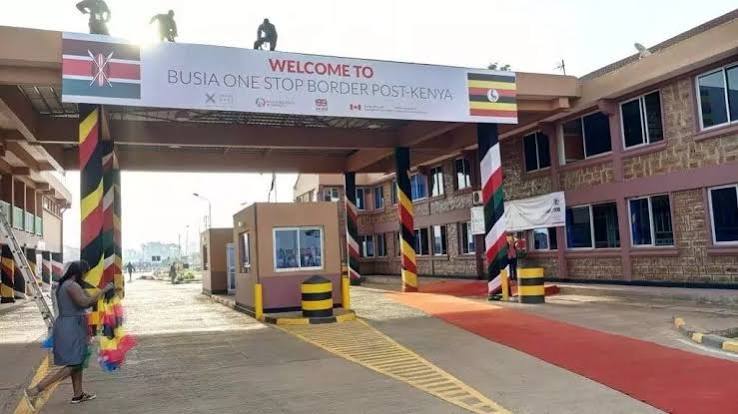
the ministry's efforts also include surveillance at airports and land border crossings, laboratory testing and coordination between national and county health departments.
these measures are intended to help detect potential infections early and ensure that people requiring assessment or treatment are directed to the appropriate facilities.
health officials have also emphasised the importance of accurate information from travellers and anyone who may have had contact with a suspected patient. providing complete information about travel history, symptoms and possible exposure can help authorities assess risks and make informed decisions.
members of the public are encouraged to cooperate with authorised health teams and avoid concealing information that could affect the safety of others.
healthcare workers urged to maintain strict safety standards
healthcare workers are among those who may face a higher risk of exposure when caring for patients with suspected infectious diseases.
the ministry has therefore continued to emphasise the importance of infection prevention and control in hospitals, clinics and other healthcare facilities.
such measures include appropriate use of personal protective equipment, hand hygiene, safe handling of potentially contaminated materials and proper procedures for cleaning and disinfecting affected areas.
healthcare facilities are also expected to follow established protocols for identifying, isolating and assessing suspected cases while protecting other patients, visitors and staff.
the government has reported that thousands of healthcare workers have received training in ebola prevention and case management. it has also identified specialised isolation and treatment facilities and is working to strengthen the country's ability to respond to potential public health emergencies.
the ministry's public advisory reinforces the message that infection prevention is a shared responsibility, although the management of suspected ebola cases should remain under the direction of trained health professionals.
public urged to maintain hygiene and avoid panic
alongside the use of protective equipment, health authorities continue to encourage regular handwashing with soap and water or the use of an appropriate alcohol-based hand sanitiser.
people should avoid direct contact with blood and other body fluids from individuals who may be infected. they should also refrain from handling materials that may have been contaminated unless they have received appropriate training and protection.
anyone who suspects that a person may have ebola should contact health professionals for instructions instead of attempting to transport or treat the individual without guidance.
the ministry has also urged kenyans to rely on official government communications for updates about the disease. sharing rumours, unconfirmed reports or misleading claims can cause unnecessary anxiety and interfere with efforts to communicate accurate public health information.
at the same time, the public should not ignore possible symptoms or potential exposure. seeking timely medical advice allows health professionals to assess the situation and determine whether further investigation is required.
the government has maintained that preparedness, early detection and coordination among health agencies are essential to managing the situation.
toll-free number 719 remains available for guidance
the ministry has encouraged kenyans who need information about ebola or wish to report a suspected case to contact the toll-free health information line on 719.
the hotline provides a channel through which members of the public can seek guidance on appropriate next steps and obtain information from health authorities.
people should provide clear details about their concerns, including any known contact with a suspected patient, and follow the instructions given by qualified personnel.
where someone is seriously ill, members of the public should seek urgent professional assistance rather than relying on social media discussions or unverified advice.
the ministry's appeal is intended to ensure that people know where to turn when confronted with a possible infectious disease emergency.
government calls for vigilance and cooperation
as kenya continues strengthening its preparedness following the imported case, the ministry of health is urging the public to remain calm, informed and cooperative.
the call to use gloves, masks and gumboots when assisting a suspected ebola patient forms part of a wider effort to reduce unnecessary exposure and ensure that suspected cases receive appropriate attention.
the public is also being reminded that protective equipment must be used correctly and should not replace professional medical assistance. people should avoid direct contact with potentially infectious body fluids and leave specialised patient care and the handling of suspected ebola-related deaths to trained teams.
through surveillance, contact tracing, laboratory testing, healthcare worker training and public awareness, authorities are seeking to identify possible infections quickly and reduce the risk of further transmission.
the ministry's central message is clear: protect yourself when helping others, report suspected cases promptly and call 719 for official guidance. kenyans are encouraged to follow verified health advisories, practise good hygiene and cooperate with medical teams as the country continues monitoring the situation.
the ministry says vigilance and timely reporting remain important in protecting individuals, families, healthcare workers and the wider community.

You Might Also Like
-
kenya’s amos kipruto has won the 2026 chicago marathon in a personal best time of 2:01:09, securing a major international title after finishing third in 2024 and second in 2025. his victory further cements kenya’s reputation as a global powerhouse in long-distance running.
-
Musalia Mudavadi's engagements in Vihiga County have highlighted the government's stated commitment to education, agriculture, infrastructure, land ownership and community development. His latest activity on October 10, 2026, was the groundbreaking ceremony for a Sh9 million dormitory at Kaimosi Com
-
President William Ruto’s attendance at St Mark’s Catholic Church in Matunda, Likuyani, on Sunday, October 11, 2026, combined a personal message of gratitude with political remarks and development announcements. His recollection of meeting his wife’s family in Likuyani offered a personal conne
-
A 35-year-old woman and her 15-year-old daughter are fighting for their lives at kerugoya referral hospital following a hippopotamus attack in kiumbu village, mwea, kirinyaga county. the incident raises fresh concerns over human-wildlife conflict and the safety of communities living near wildlife ha
-
Busia governor paul otuoma has praised president william ruto and ugandan president yoweri museveni for their efforts to improve road infrastructure along the kenya-uganda border. he says better roads will strengthen cross-border trade, ease the movement of people and goods, reduce transport challen
-
Laikipia county has brought together diverse communities through a cultural tourism festival aimed at celebrating heritage, promoting peaceful coexistence and boosting tourism. the event showcased traditional music, dance, food, clothing and indigenous knowledge while highlighting opportunities for