



Olekina Criticises ODM Leadership, Questions Role of Party’s Longtime Supporters
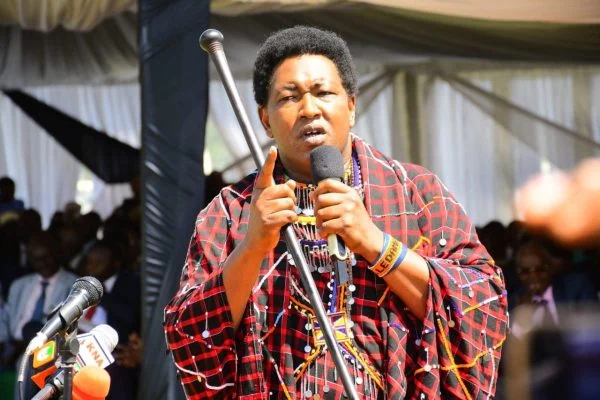
Narok Senator Ledama Olekina has criticised the growing number of voices seeking to shape ODM’s future, questioning the role of longtime party supporters now presenting themselves as its founders.
Narok Senator Ledama Olekina has criticised what he described as the growing number of political figures seeking to influence the direction of the Orange Democratic Movement (ODM), accusing some individuals of presenting themselves as the party’s original architects despite having previously served in different capacities.
Olekina used a medical analogy to describe what he sees as growing disagreements within the opposition party, saying there are now “too many doctors” around ODM who, instead of helping the organisation, are making its problems worse.
“Too many people claiming to be political doctors around ODM are only making the situation worse. Those who were once the party’s loyal soldiers are now presenting themselves as its founders,” Olekina said.
His remarks come at a time when ODM is navigating a politically significant period following the death of its longtime leader, Raila Odinga, and as the party prepares for the 2027 General Election.
ODM has dedicated October to commemorating Raila under the “Mwezi wa Baba” programme, with activities planned across different parts of the country. The party has also announced a major Nairobi rally for October 31 as part of the month-long programme.
The developments have placed renewed attention on the future direction of ODM, its leadership and the political legacy left behind by Raila.
Olekina Raises Questions Over Party Leadership
Olekina’s statement appears to target individuals he believes are attempting to assume greater ownership or influence over ODM after years of serving within or alongside the party.
His use of the term “political doctors” suggests a reference to politicians who claim to have solutions to the party’s challenges or who seek to advise members on the organisation’s future.
However, according to the senator, some of those voices may themselves be contributing to the disagreements they claim to be addressing.
He also questioned the changing political identities of some ODM figures, arguing that people who were previously regarded as loyal supporters or political “soldiers” of the party are now presenting themselves as founders.
The remarks add to an increasingly public conversation about who has the authority to speak for ODM and how the party should define its future following the death of Raila.
The question of ownership and legacy has become particularly sensitive because Raila was central to ODM’s identity for more than two decades.
A recent report by the Daily Nation noted that Raila’s family and ODM have been running separate programmes to commemorate his legacy, creating a broader conversation about whether his political legacy should be viewed primarily through ODM or as part of his wider contribution to Kenya’s political history.
ODM Navigates a New Political Era
Raila’s death has created a new political environment for ODM.
For many years, Raila served as the party’s most recognisable national figure and presidential candidate. His political influence helped shape ODM’s national strategy and its relationships with other opposition parties and political formations.
With him no longer leading the party, ODM is now operating under a different political reality.
The party has continued with its national activities while senior officials seek to maintain its structures and political influence.
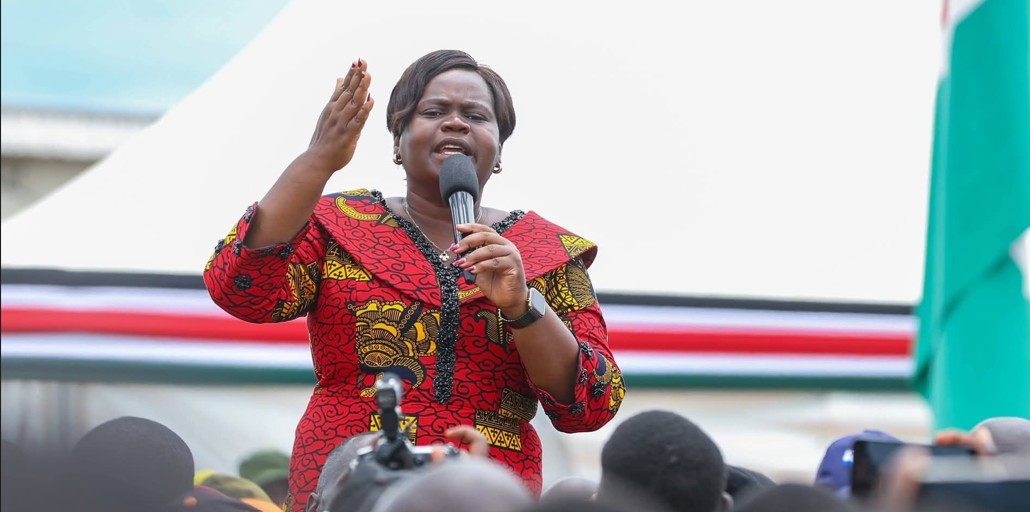
Homa Bay Governor Gladys Wanga, who serves as ODM National Chairperson, recently announced a series of activities planned across the country during October.
According to Wanga, ODM will travel to Western Kenya on October 9, head to Garissa on October 17 and hold an event targeting the Maasai community on October 21. The party is also expected to visit Turkana later in the month before returning to Nairobi for the October 31 rally.
The programme demonstrates that the party remains active nationally even as questions about its future leadership and political direction continue.
The Debate Over Raila’s Political Legacy
A major issue emerging within Kenya’s political landscape is the question of who will carry forward Raila’s political legacy.
The late former Prime Minister was not only ODM’s leader but also one of the country's most influential opposition figures.
His political career stretched across several decades, during which he played a major role in Kenya’s multiparty politics, constitutional reform debates and national elections.
ODM has sought to preserve his memory through the “Mwezi wa Baba” activities.
The party has described October as a month dedicated to remembering Raila’s contribution to Kenya’s democracy and political development.
At the same time, Raila’s family has been involved in separate commemorative activities.
That parallel approach has generated debate over how his legacy should be represented and who should have the leading role in determining its political interpretation.
Olekina’s latest remarks come against this broader backdrop.
Leadership Questions Ahead of 2027
The 2027 General Election is another factor shaping the debate within ODM.
Political parties are increasingly positioning themselves for the next electoral cycle, with questions emerging over presidential candidates, coalitions and the distribution of political influence.
ODM is expected to remain an important player in these discussions.
Recent reporting has also shown that some ODM leaders have been discussing possible cooperation with other political formations.
Olekina himself has previously spoken about ODM’s position in relation to potential political alliances. In January 2026, he dismissed claims that ODM was breaking apart and addressed disagreements involving senior party figures.
More recently, he said ODM would only enter a possible coalition with the United Democratic Alliance as an equal partner rather than a subordinate political force.
These statements illustrate the continuing debate within ODM over the party’s negotiating position, alliances and political identity.
Different Voices Within ODM
Like many large political organisations, ODM has different personalities and factions with varying views on the party’s future.
Some members have emphasised the need to preserve Raila’s political legacy, while others have focused on building new leadership structures capable of carrying the party into the next electoral cycle.
The disagreements do not necessarily mean that every member holds the same position on the party’s future.
Instead, the public statements demonstrate that different political actors are seeking to shape the direction of ODM as it enters a new era.
Olekina’s comments are therefore part of a broader political conversation rather than an isolated statement.
His description of some individuals as former “soldiers” who are now presenting themselves as founders reflects his own interpretation of the changing political landscape within the party.
The senator did not, in the quoted remarks, identify all the individuals he was referring to.
The Importance of Party Structures
Political parties rely heavily on their structures, officials and grassroots networks.
For ODM, maintaining these structures will be particularly important as it prepares for the next election.
The party has already begun nationwide activities through its October programme, indicating an effort to maintain contact with supporters across different regions.
The Nairobi rally planned for October 31 is expected to bring together party officials, supporters and political leaders as the party concludes its month-long commemorative activities.
Such events also provide political parties with an opportunity to communicate their priorities, demonstrate organisational strength and engage their supporters.
For ODM, these activities take place at a time when the party is attempting to balance remembrance of its former leader with the need to develop a political strategy for the future.
Olekina’s Position in the ODM Debate
Olekina has been associated with ODM for years and has publicly described himself as loyal to the party while also insisting that loyalty does not mean surrendering his independent political views.
His past statements have shown that he is willing to challenge positions within the party when he believes they require scrutiny.
In the latest remarks, his criticism focuses on what he sees as competing claims over who should shape ODM’s future.
By describing some politicians as “doctors,” he presents them as individuals claiming to diagnose or solve the party’s problems.
His argument, however, is that too many such interventions could make the situation more complicated.
The metaphor highlights a familiar problem in political organisations: when several leaders claim to have the answer to a party’s challenges, disagreements over the solution can become almost as significant as the original problem.
What Lies Ahead for ODM?
The coming months are likely to provide more clarity on the direction ODM takes ahead of the 2027 General Election.
The party will have to balance several priorities, including maintaining its grassroots networks, managing internal leadership discussions, determining its approach to potential coalitions and deciding how best to preserve Raila’s political legacy.
It will also need to communicate a clear message to its supporters as the country moves closer to the next election.
The October “Mwezi wa Baba” programme provides the party with an opportunity to connect its current activities to Raila’s legacy.
However, the longer-term political question will be how ODM translates that legacy into a sustainable political programme under a new generation of leadership.
For supporters, the debate will likely continue over whether the party should focus primarily on preserving its historical identity or adapt its political strategy to the changing electoral environment.
A Party at a Turning Point
Olekina’s remarks have added another voice to the continuing debate about ODM’s future.
His criticism of individuals he describes as former party “soldiers” now presenting themselves as founders reflects wider questions surrounding leadership, ownership and political succession within the organisation.
The party, meanwhile, continues with its nationwide activities and preparations for the 2027 political season.
ODM’s October programme is currently focused heavily on remembering Raila, with activities taking place across several regions and a major Nairobi event scheduled for the end of the month.
As the party moves beyond the commemorative period, attention is expected to increasingly shift toward its political strategy, leadership structures and potential alliances.
Whether the competing voices within ODM can find common ground remains a matter for the party and its members to determine.
For now, Olekina’s comments have highlighted the intensity of the debate and the importance of internal discussions as ODM enters a new chapter without the leader who dominated its political identity for many years.
The senator’s “political doctors” analogy is likely to continue generating discussion as party members and political observers examine the different positions emerging within ODM.
What is clear is that ODM is operating in a significantly different political environment, and its decisions over the coming months will shape how the party approaches the 2027 General Election and defines its identity in the post-Raila era.

You Might Also Like
-
An 18-year-old Form Four student, Joy Wangui, has been found dead in the Kiambaa area of Molo, Nakuru County, in a shocking incident that has left her family and residents deeply disturbed. Police are investigating the circumstances surrounding her death, with her boyfriend, identified as Walter Kip
-
The meeting hosted by Health CS Aden Duale and involving the Council of Governors Health Committee has produced a significant agreement on the future of county health facilities under SHA. The new framework clarifies how facilities will be contracted, reduces some documentation hurdles, maintains in
-
Head of Public Service Felix Koskei has emphasized the importance of peace, dialogue and unity within families and communities, remarks that come amid growing concern over domestic conflicts and a tragic suspected murder-suicide in Bomet. The deaths of a couple in Cheboin, Chepalungu, have renewed a
-
Kindiki's October 5 visit to Kiambu placed infrastructure and economic development at the centre of the government's message to residents. The Nyambari ESP Market, Uplands-Githunguri Road and Kwaheri-Mary Magdalena Road were among the key projects launched, while the Deputy President also inspected
-
Speaking during the World Teachers’ Day celebrations at Kasarani on October 5, Education Cabinet Secretary Julius Ogamba delivered a direct message to striking university lecturers: return to work, obey court orders and allow negotiations to continue. He said the government had fully cleared arrea
-
Homa Bay Governor Gladys Wanga has questioned Edwin Sifuna’s chances of defeating President William Ruto in 2027, citing the difficulty of uniting the opposition behind his candidacy.