Opposition Threatens Nationwide Mass Action as Pressure Mounts on IEBC Over Electoral Reforms Ahead of 2027 Elections
The threat by opposition leaders to organise mass action over electoral reforms marks a significant development in Kenya's preparations for the August 2027 General Election. Led by figures including Rigathi Gachagua, Kalonzo Musyoka, David Maraga, Martha Karua, Fred Matiang'i and Edwin Sifuna, the opposition is demanding a clean and verifiable voters' register, transparent election technology, changes to presidential results tallying, livestreaming of voting and counting, and improved participation for Kenyans living abroad. Their latest warning follows disagreements with IEBC chairman Erastus Ethekon over the format and agenda of stakeholder consultations. While the commission maintains that it remains open to dialogue, the opposition insists that meaningful technical discussions must take place before it can participate in further engagements. The coming months will be crucial in determining whether the two sides can reach an agreement.
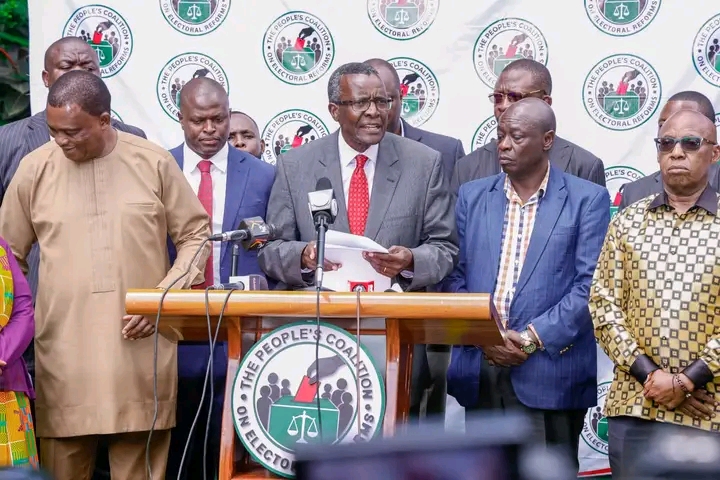
Kenya's political temperatures are rising following a fresh confrontation between opposition leaders and the Independent Electoral and Boundaries Commission (IEBC) over demands for comprehensive electoral reforms ahead of the August 2027 General Election. Opposition leaders have threatened to mobilise Kenyans across the country for mass action if the electoral commission fails to address their concerns and engage them in meaningful discussions before the end of the year.
The latest development emerged on Wednesday, November 25, 2026, after opposition leaders addressed the media in Nairobi, explaining why they had declined to participate in another consultative meeting with the IEBC. The leaders, operating under the banner of the People's Coalition, maintained that the commission must first address fundamental questions surrounding voter registration, election technology, the transmission of presidential results and the legal framework governing elections.Opposition rejects another IEBC meeting
The disagreement intensified after opposition leaders declined to attend a meeting scheduled for Wednesday, November 25, following an earlier disagreement with the electoral commission.
The leaders argued that the commission had failed to adequately address concerns they had raised during previous engagements. They insisted that another general meeting would not achieve meaningful progress unless a technical committee was established to examine the specific issues surrounding election preparedness.The DCP leader warned that if the IEBC continued to ignore the issues raised by political leaders, the opposition would mobilise Kenyans to engage the commission directly.
He proposed public engagements across constituencies to give citizens an opportunity to question the commission about its preparedness for the 2027 elections.
His message was that the electoral commission should not only listen to political leaders but also give ordinary Kenyans an opportunity to express their concerns.
The threat of mass mobilisation has introduced a new dimension to the ongoing disagreement. Instead of limiting the debate to meetings between political parties and electoral officials, the opposition is considering taking the issue to the public.The leaders want the IEBC to conduct an independent and comprehensive audit of the register to identify and remove duplicate entries, deceased voters and other ineligible registrations.
They argue that every eligible Kenyan should have an opportunity to register and verify their details before the next election.
The opposition maintains that an inaccurate voters' register could create unnecessary disputes and weaken public confidence in the electoral process.
The leaders also want the commission to make the register available for public inspection so that political parties, candidates and election observers can identify possible irregularities.The leaders believe that decentralising the process would reduce opportunities for interference and make it easier for political parties and election observers to monitor the results.
They have questioned the role of a central tallying centre in the final presidential results process and argue that the process should be transparent from polling stations to constituency level.
The coalition wants the results declared at polling stations to remain the foundation of the final outcome.The leaders believe that livestreaming could strengthen accountability by making it easier for election observers, political parties and members of the public to monitor the counting process.
They argue that transparency should not begin when results reach the national tallying centre. Instead, it should start at individual polling stations.
The proposal is intended to reduce suspicion and provide more opportunities for independent scrutiny.They argue that Kenyans living abroad should be able to exercise their constitutional right to vote without facing unnecessary logistical challenges.
The coalition has proposed that the commission consider piloting electronic voting to establish whether it can be implemented securely and reliably.
However, such a system would require appropriate legal safeguards, strong cybersecurity arrangements and reliable voter identification procedures.
The opposition believes that expanding voting access would strengthen democratic participation and ensure that citizens abroad are not disadvantaged.
These four proposals were outlined by the coalition during its November 19 electoral reform consultations, alongside further demands concerning election laws, technology procurement and the recruitment of electoral officials.He has compared the relationship between the commission and political contestants to that of a referee and players, arguing that political competitors should not speak on behalf of the institution responsible for overseeing the electoral process.
The opposition wants the commission to demonstrate that it can make independent decisions without political interference.
This issue is particularly important because the IEBC is expected to conduct the 2027 General Election, in which President Ruto and other political leaders may seek electoral mandates.
The opposition believes that public confidence in the commission will depend on its ability to demonstrate impartiality, transparency and professionalism.He argued that the opposition missed an opportunity to hear directly from the commission about the progress it had made, the challenges it was addressing and the measures being taken to prepare for the next election.
The commission also maintained that it was willing to receive formal submissions from political parties and consider proposed reforms within its constitutional and legal mandate.
This means the disagreement is not simply about whether the IEBC is willing to meet opposition leaders. It also concerns the structure, agenda and expectations surrounding those meetings.
The opposition wants technical discussions to address specific electoral concerns, while the commission has defended its broader stakeholder consultation approach.A credible election requires an accurate voters' register, reliable election technology, properly trained electoral officials and clear procedures for counting, transmitting and declaring results.
It also requires political parties to respect the law and accept that disagreements should be addressed through established legal and constitutional mechanisms.
The opposition argues that addressing electoral weaknesses before voting takes place is better than waiting until after results have been announced.
This position raises an important national question: should Kenya wait until an election dispute emerges before addressing concerns about the electoral system?
The participation of Gachagua, Kalonzo Musyoka, Martha Karua, Fred Matiang'i, David Maraga and Edwin Sifuna demonstrates the coalition's intention to make electoral reforms a major national political issue.
The proposed mobilisation could also increase public participation in discussions about democracy, voting rights and the responsibilities of the electoral commission.
However, mass action carries responsibilities. Political leaders will need to ensure that any demonstrations or public engagements remain peaceful and comply with the law.If the IEBC agrees to the proposed engagement, both sides could have an opportunity to resolve their differences through dialogue.
The commission could also use the opportunity to explain its preparations, clarify questions surrounding election technology and provide information about the planned voter registration and verification exercises.
On the other hand, failure to reach an agreement could intensify political pressure on the commission, particularly if opposition leaders proceed with their proposed nationwide mobilisation.
The opposition has indicated that it wants ordinary Kenyans to participate in the debate rather than leave electoral reforms exclusively to political leaders.

You Might Also Like
-
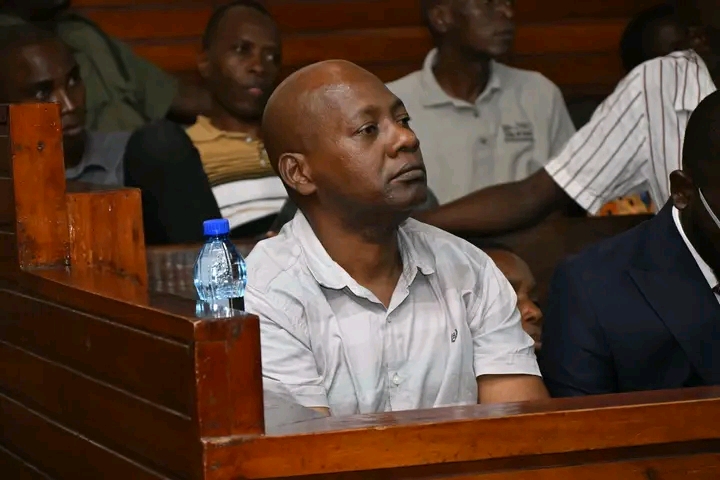
The conviction of Paul Nthenge Mackenzie and 11 others on November 25, 2026, marks another major development in the ongoing Shakahola cases. The Tononoka Children's Court found the 12 accused persons guilty of various offences involving assault, cruelty to children and violations of children's right
-
The seven-day strike ultimatum issued by the Kenya Union of Clinical Officers on November 25, 2026, has placed the government, the Council of Governors and several county administrations under pressure to resolve longstanding labour disputes. KUCO is demanding full implementation of the January 28,
-
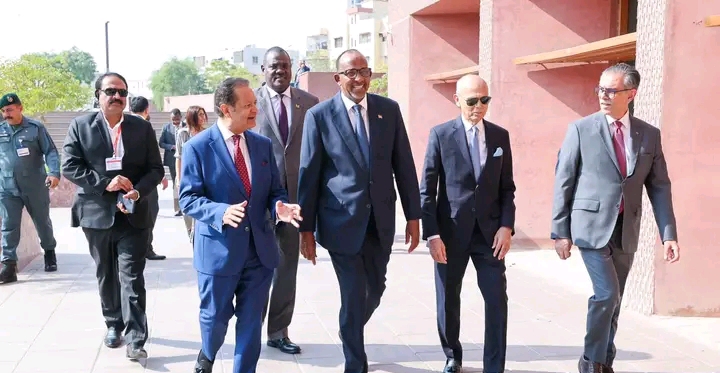
Aden Duale's meeting with Aga Khan University President and Vice-Chancellor Dr. Sulaiman Shahabuddin and Pakistan's Federal Health Minister Syed Mustafa Kamal in Karachi marks an important engagement in Kenya's efforts to strengthen international healthcare partnerships. The discussions focused on
-
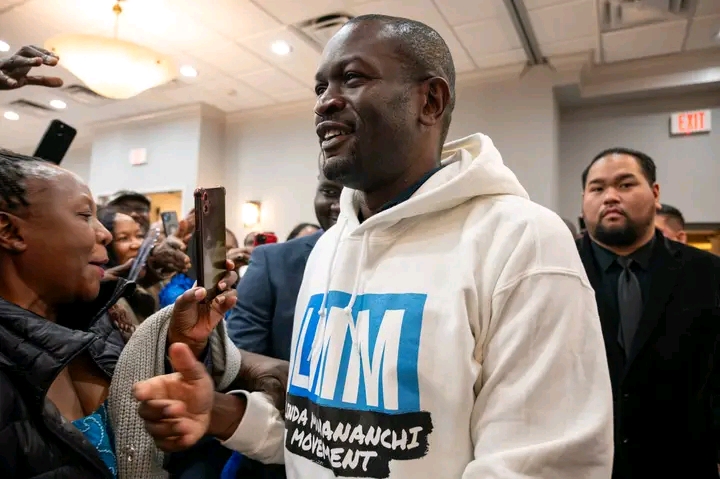
Edwin Sifuna's engagement with Kenyans in the diaspora in Maryland, USA, marks an important part of the Linda Mwananchi Movement's international outreach programme ahead of the 2027 General Election.Through meetings with businesspeople, Maryland elected officials, Afri Thrive, women, the 6.25 Moveme
-
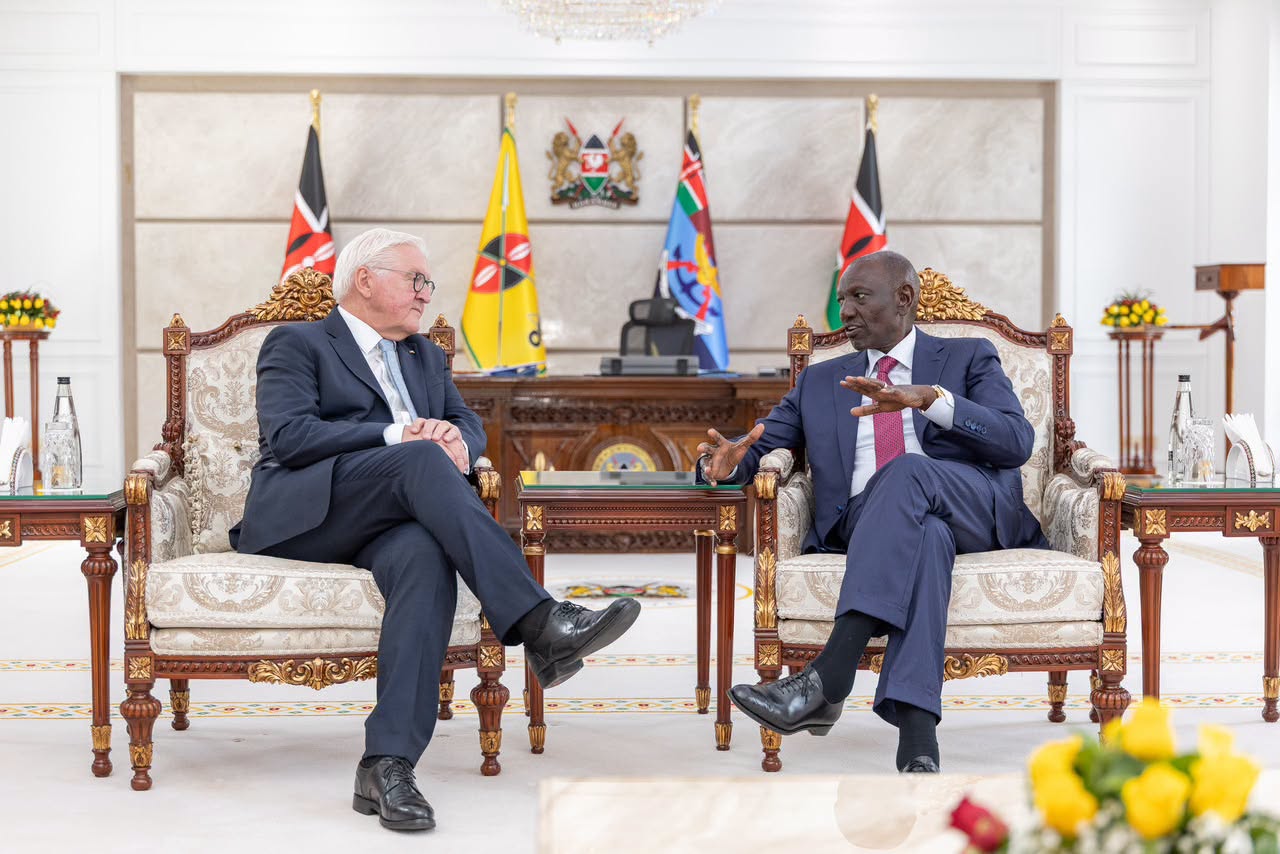
President William Ruto has held bilateral talks with German President Frank-Walter Steinmeier at State House, Nairobi, during his official visit to Kenya, with discussions focusing on strengthening diplomatic relations and expanding economic cooperation between the two countries. A key highlight was
-
The Kenya National Highways Authority (KeNHA) has announced temporary traffic disruptions at the Lower Kabete–Ndumbuini–Kapenguria–Uthiru Road Interchange from November 26 to December 31, 2026, to facilitate reconstruction works on ramps, loops and slip roads. The planned works are expected to