PRESIDENT RUTO TAKES CENTRE STAGE AT KICC INDUSTRIAL SUMMIT, ENGAGES KEPSA BUSINESS LEADERS AND SHOWCASES KENYAN ENTERPRISES
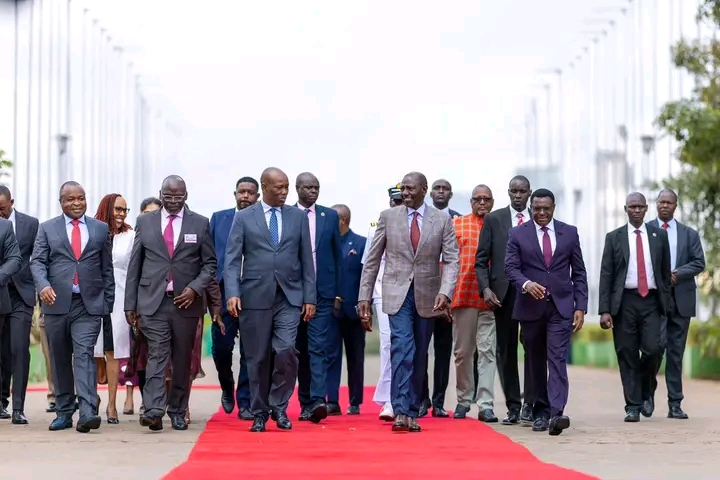
President William Ruto's participation in the KEPSA Presidential Roundtable and his subsequent tour of enterprise exhibition stands at the Industrialisation Summit at KICC on November 4, 2026, highlighted the government's focus on strengthening private sector partnerships and promoting locally manufactured products. His engagement with entrepreneurs and manufacturers provided an opportunity to appreciate the contribution of local enterprises while highlighting the importance of financing, market access, innovation and investment. The proposed industrial fund, efforts to secure international markets and promotion of the Buy Kenya, Build Kenya initiative are among the measures being advanced to strengthen domestic production. The five-day summit and Changamka Shopping Festival will continue providing manufacturers, investors and entrepreneurs with opportunities to showcase their products, establish partnerships and discuss solutions to challenges affecting industrial development.
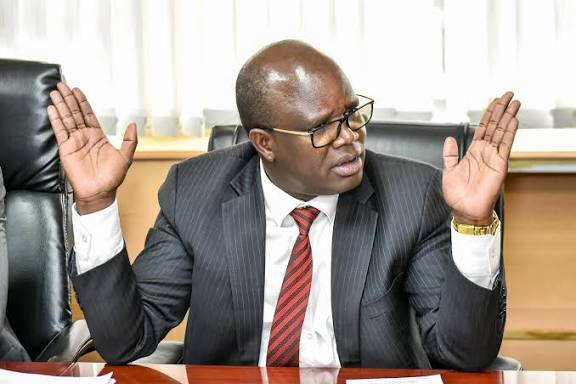
President William Ruto on Wednesday, November 4, 2026, participated in the Kenya Private Sector Alliance (KEPSA) Presidential Roundtable in Nairobi, where he engaged business leaders and other stakeholders on matters affecting Kenya's economy, investment opportunities, trade and industrial development.The President also toured exhibition stands belonging to several enterprises during the ongoing Industrialisation Summit at the Kenyatta International Convention Centre (KICC), where local manufacturers and entrepreneurs showcased products manufactured in Kenya.
The two engagements highlighted the government's continued efforts to strengthen cooperation with the private sector, promote local industries, attract investment and create more employment opportunities for Kenyans.
The 6th KEPSA Presidential Roundtable brought together the government and representatives of the private sector to discuss economic priorities and identify practical solutions to challenges affecting businesses. The meeting was organised in collaboration with KEPSA, the Ministry of Investments, Trade and Industry, and the Kenya Investment Authority.
The Presidential Roundtable provides an important platform for direct engagement between the Head of State and business representatives. It allows the private sector to present its concerns, share recommendations and discuss policies that can improve the business environment.He sampled different locally manufactured products, including shoes, honey, clothing and ornaments. The tour provided an opportunity for the President to appreciate the work being done by Kenyan manufacturers and the diversity of products produced by local enterprises.
The exhibition also demonstrated the potential of small and medium-sized businesses to contribute to Kenya's industrial development. Many of the enterprises participating in the event are involved in production, processing, value addition and distribution of goods.
The President's interaction with exhibitors highlighted the importance of supporting businesses that use locally available resources to manufacture products for the domestic and international markets.The event is being held under the theme "Driving Industrial Growth Through Investment, Manufacturing, Trade, Innovation and Sustainable Financing."
The discussions focus on identifying opportunities that can accelerate industrialisation, attract new investments, improve manufacturing capacity and strengthen the country's competitiveness.
The summit also provides a platform for businesses to establish partnerships, connect with potential investors and explore opportunities to expand their operations.
Another major attraction is the Changamka Kenya Shopping Festival, which promotes locally manufactured products and encourages Kenyans to support domestic industries through the Buy Kenya, Build Kenya initiative.
More than 400 exhibitors are showcasing products at the festival, giving consumers and business partners an opportunity to interact directly with manufacturers and discover locally produced goods.One of the important announcements associated with President Ruto's engagement at the Industrialisation Summit was the government's plan to establish a new industrial fund to provide affordable financing to businesses involved in manufacturing.
The President indicated that the government was in the final stages of establishing the fund, which is expected to provide loans at single-digit interest rates.
The proposed financing facility is intended to support enterprises seeking to enter the manufacturing sector, expand production or invest in equipment and other resources needed to improve their operations.
Access to affordable financing has remained one of the major challenges facing local manufacturers, particularly small and medium-sized enterprises.
Many entrepreneurs struggle to secure loans because of high borrowing costs, collateral requirements and limited access to financial institutions willing to support businesses at their early stages.President Ruto also used the Industrialisation Summit to emphasise the importance of opening international markets for Kenyan manufacturers and exporters.
He defended his administration's diplomatic engagements with foreign governments, explaining that securing trade opportunities for Kenyan businesses is part of his responsibility as Head of State.
The President highlighted a trade agreement with China, which he said would provide Kenyan manufacturers, exporters and industrialists with duty-free access to the Chinese market.
The agreement is expected to create opportunities for Kenyan businesses to expand their operations, reach more customers and increase exports.
He explained that international partnerships are important because local manufacturers need access to larger markets to grow their businesses and increase production.Supporting the Buy Kenya, Build Kenya initiative
The exhibition tour also reinforced the importance of the Buy Kenya, Build Kenya initiative, which encourages consumers, government institutions and businesses to support locally manufactured products.
The initiative seeks to strengthen domestic industries by increasing demand for goods produced within the country.
When consumers purchase locally manufactured products, they support a wider economic chain that includes farmers, raw-material suppliers, factory workers, transporters, distributors and retailers.
For example, locally manufactured leather shoes create opportunities for livestock farmers who supply hides and skins, workers involved in leather processing and businesses responsible for distributing finished products.Kenya Association of Manufacturers Chairperson Hitesh Mediratta emphasised that manufacturing is an important driver of employment, government revenue and national economic growth.
He called for an environment that allows manufacturers to operate efficiently, invest confidently and expand production.
Among the issues raised were tax predictability, the cost of doing business, regulatory requirements and the need to address the challenges associated with multiple taxes and charges.
Manufacturers argue that frequent policy changes can make it difficult for businesses to plan investments and calculate their long-term operating costs.
They also want stronger enforcement against illicit goods and counterfeit products that undermine legitimate businesses.Another important aspect of the summit is the potential of manufacturing to address unemployment, particularly among young people.
Kenya has a growing population of young people who need opportunities to earn a living and participate in economic development.
Expanding manufacturing industries can create employment in factories, processing plants, logistics companies, distribution networks and other related sectors.
Industrial development can also encourage young people to become entrepreneurs by establishing businesses that supply goods and services to larger manufacturers.
For instance, young entrepreneurs can establish packaging companies, clothing workshops, food-processing businesses and technology-based enterprises that support industrial production.Strengthening partnerships between government and businesses
The KEPSA Presidential Roundtable and Industrialisation Summit demonstrate the importance of maintaining strong relationships between the government and the private sector.
The private sector contributes significantly to economic development through investment, employment creation, innovation and the production of goods and services.
Through KEPSA, businesses have an organised platform to communicate their concerns and present proposals to the government.
The Presidential Roundtable also creates an opportunity for discussions on how government policies can support investment, trade and enterprise development.However, the success of these engagements will depend on the implementation of agreed policies and the ability of the relevant institutions to address challenges affecting businesses.
Investors need confidence that their investments will be protected, regulations will be predictable and infrastructure will support their operations.
Manufacturers also need affordable electricity, accessible financing, efficient transport networks and a reliable supply of raw materials.
Addressing these concerns will be important in ensuring that Kenya attracts more industrial investments.

You Might Also Like
-
The Government of Kenya has launched the NYOTA Access to Government Procurement Opportunities (AGPO) digital training programme targeting at least 600,000 entrepreneurs across the country, in a major initiative aimed at empowering young people, women and persons with disabilities to access governmen
-
Residents of Manyatta B in Kisumu County have been left shocked following the discovery of the body of an unidentified man dumped inside a damaged septic tank near Yellow Bridge on November 3, 2026. The discovery was reportedly made by a local resident, Willy Otiende, who was searching for his missi
-
Democrats have taken control of both the United States House of Representatives and the Senate following the November 3, 2026 midterm elections, marking a major political setback for President Donald Trump and the Republican Party. The Democratic victories across several states have shifted the bala
-
The Seventh Principal Secretaries’ Forum of 2026 in Malindi, Kilifi County, was an important government coordination meeting focused on national development, accountability and improved service delivery. Chaired by Chief of Staff and Head of Public Service Felix Koskei, the forum addressed critic
-
Kipchumba Murkomen's appearance before the National Assembly on November 4, 2026, brought attention to the government's wider security and service delivery agenda. Among the measures he highlighted were the 16-month security roadmap ahead of the 2027 General Election, efforts to dismantle criminal
-
University lecturers have threatened to resume strike action if the government fails to address concerns over funding and unpaid bills. The warning comes days after they ended a month-long strike and returned to classrooms following a KSh20 billion agreement with the government. The deal covers the