PRESIDENT WILLIAM RUTO CALLS FOR PROSECUTION OF POLICE OFFICERS INVOLVED IN KILLING OR INJURING KENYANS DURING PROTESTS
President William Ruto has publicly called for the prosecution of police officers found responsible for killing or injuring Kenyans while exercising their constitutional rights. His remarks have renewed attention to police accountability, human rights protection and the need for security agencies to respect the freedoms guaranteed by the Constitution. The statement comes amid continued public debate over alleged police brutality, excessive use of force and fatalities recorded during demonstrations. Ruto's position places renewed focus on ensuring that officers found culpable face legal consequences, regardless of their rank or position. The public will now be watching to see whether the declaration translates into concrete action through independent investigations, transparent prosecutions and stronger accountability within the National Police Service.
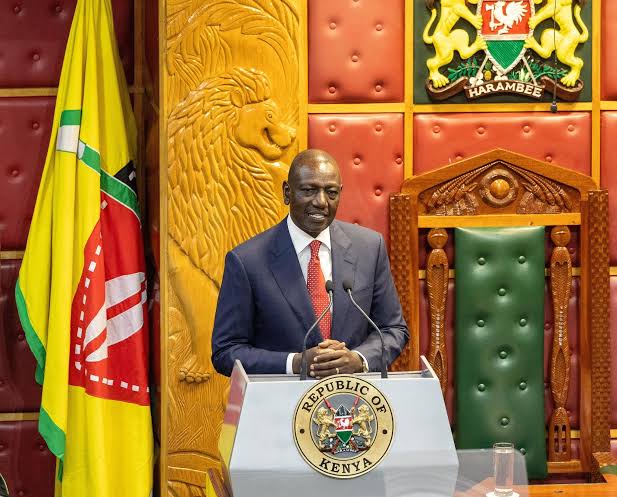
President William Ruto has, for the first time, publicly called for the prosecution of police officers found responsible for killing or injuring Kenyans while exercising their constitutional rights, marking a significant statement on police accountability, the protection of civil liberties and the responsibility of security agencies to operate within the law.
The President's remarks signal a renewed focus on the conduct of security officers, particularly during demonstrations and other public gatherings where citizens exercise their constitutional freedoms. His position comes amid continued national discussions about police brutality, excessive use of force, unlawful arrests and the deaths and injuries reported during protests across the country.
Ruto's call for prosecution places renewed attention on the need to ensure that officers who violate the law are held accountable for their actions, regardless of their positions or responsibilities within the National Police Service.
Kenya's Constitution guarantees citizens several fundamental rights, including the right to peaceful assembly, demonstration, picketing and presenting petitions to public authorities. These freedoms form an important part of the country's democratic system and allow citizens to express dissatisfaction, demand accountability and participate in national conversations on governance.
However, concerns have repeatedly emerged over how security agencies respond when demonstrations turn tense or confrontational. Reports of injuries, deaths and alleged excessive force during public protests have generated calls for investigations and appropriate legal action against officers found to have violated the law.
The President's latest position is therefore expected to attract considerable attention from human rights organisations, political leaders, civil society groups and members of the public who have consistently demanded accountability for violations committed during security operations.
For many Kenyans, the issue of police accountability has remained a major national concern, particularly following demonstrations in which young people and other protesters have lost their lives or sustained serious injuries.
The events surrounding the 2024 protests against the Finance Bill brought the matter of police conduct into sharp national focus. Demonstrations were witnessed in Nairobi and several other parts of the country, with protesters expressing opposition to proposed tax measures and raising broader concerns about the cost of living, governance and public accountability.
The protests were accompanied by reports of fatalities, injuries, arrests and confrontations between demonstrators and security officers. The incidents generated widespread public debate about the limits of police authority and the obligation of the government to protect citizens exercising their constitutional freedoms.
The events also renewed calls for independent investigations into allegations of unlawful killings, excessive force and other violations committed during demonstrations.
Ruto's call for prosecution reinforces the principle that membership in the security services should not provide immunity from criminal responsibility. Police officers, like every other Kenyan, are subject to the Constitution and the laws governing the country.
The National Police Service has a responsibility to maintain law and order, prevent crime and protect life and property. Nevertheless, those responsibilities must be carried out while respecting human dignity, fundamental freedoms and the constitutional rights of individuals.
The use of firearms and other forms of force during public demonstrations is governed by legal standards that require officers to act within the limits of necessity and proportionality. Where an officer is suspected of using unlawful force, the circumstances should be independently investigated and appropriate legal procedures followed.
The Independent Policing Oversight Authority, commonly known as IPOA, plays a central role in investigating complaints involving police misconduct, including deaths and serious injuries resulting from police actions.
The authority is mandated to provide independent oversight of police conduct and promote accountability within the security sector. Its investigations can help establish the circumstances surrounding incidents involving police officers and determine whether there is sufficient evidence to recommend further legal action.
Where criminal responsibility is established, the appropriate legal institutions are expected to take the necessary steps in accordance with the law.
The Director of Public Prosecutions also has an important responsibility in determining whether evidence gathered during investigations supports criminal charges against individual officers.
The President's remarks are likely to renew discussions about the effectiveness of these accountability institutions and whether investigations into alleged police violations are concluded promptly and transparently.
For families who have lost loved ones during demonstrations, accountability remains an important demand. Beyond public statements, affected families often seek answers about the circumstances surrounding the deaths of their relatives, the officers involved and whether those responsible will face justice.
The question of compensation, investigations and criminal prosecution has therefore remained central to conversations about police reforms and the protection of human rights.
The President's statement also comes at a time when young people continue to play an increasingly visible role in national discussions about governance, accountability and the future of the country.
Many young Kenyans have used demonstrations, social media platforms and other civic spaces to raise concerns about government policies, economic opportunities, unemployment, corruption and the cost of living.
Their participation has highlighted the importance of protecting constitutional freedoms while ensuring that public demonstrations are conducted peacefully and that security agencies respond professionally.
The right to demonstrate does not remove the responsibility of participants to obey the law. Equally, the responsibility of police officers to maintain order does not give them permission to use unlawful force against members of the public.
Both citizens and security agencies are expected to operate within the constitutional framework.
Ruto's latest remarks could also influence ongoing conversations about the relationship between the government and citizens, particularly those who have expressed dissatisfaction with the handling of demonstrations and allegations of human rights violations.
For the government, ensuring accountability within the police service remains an important part of strengthening public confidence in security institutions.
Trust between citizens and law enforcement agencies is essential for effective policing. When members of the public believe that officers can be held responsible for misconduct, they may be more willing to cooperate with security agencies, report criminal activities and participate in community policing initiatives.
However, rebuilding that confidence requires more than public declarations. It depends on consistent investigations, transparent communication, fair disciplinary procedures and prosecution where sufficient evidence establishes criminal responsibility.
The police service also faces the challenge of ensuring that officers receive adequate training on crowd management, human rights protection and the lawful use of force.
Improved training, appropriate equipment and clear operational guidelines can help officers manage demonstrations while reducing the likelihood of unnecessary confrontations and loss of life.
At the same time, commanders and senior security officials have a responsibility to ensure that officers under their supervision follow established procedures and respect the rights of citizens.
The President's position is therefore likely to place renewed pressure on the relevant institutions to demonstrate that allegations of police misconduct are treated seriously and that those found culpable are subjected to the appropriate legal consequences.
As the country continues to debate police reforms, the protection of constitutional rights and the responsibility of security agencies, Ruto's statement adds another important dimension to the national conversation.
Ultimately, the effectiveness of the President's call will be measured by the actions taken by investigative agencies, prosecutors and the courts whenever evidence of unlawful conduct emerges.
Kenyans will be watching to see whether the commitment translates into concrete action, particularly in cases involving deaths and serious injuries during public demonstrations.

You Might Also Like
-
Police have arrested four suspects in connection with the brutal attack on Amos Masika Boaz, popularly known as Hammer Hammer, an aide to Trans Nzoia Governor George Natembeya. The incident reportedly involved the burning of his vehicle before he was allegedly attacked and hacked several times. The
-
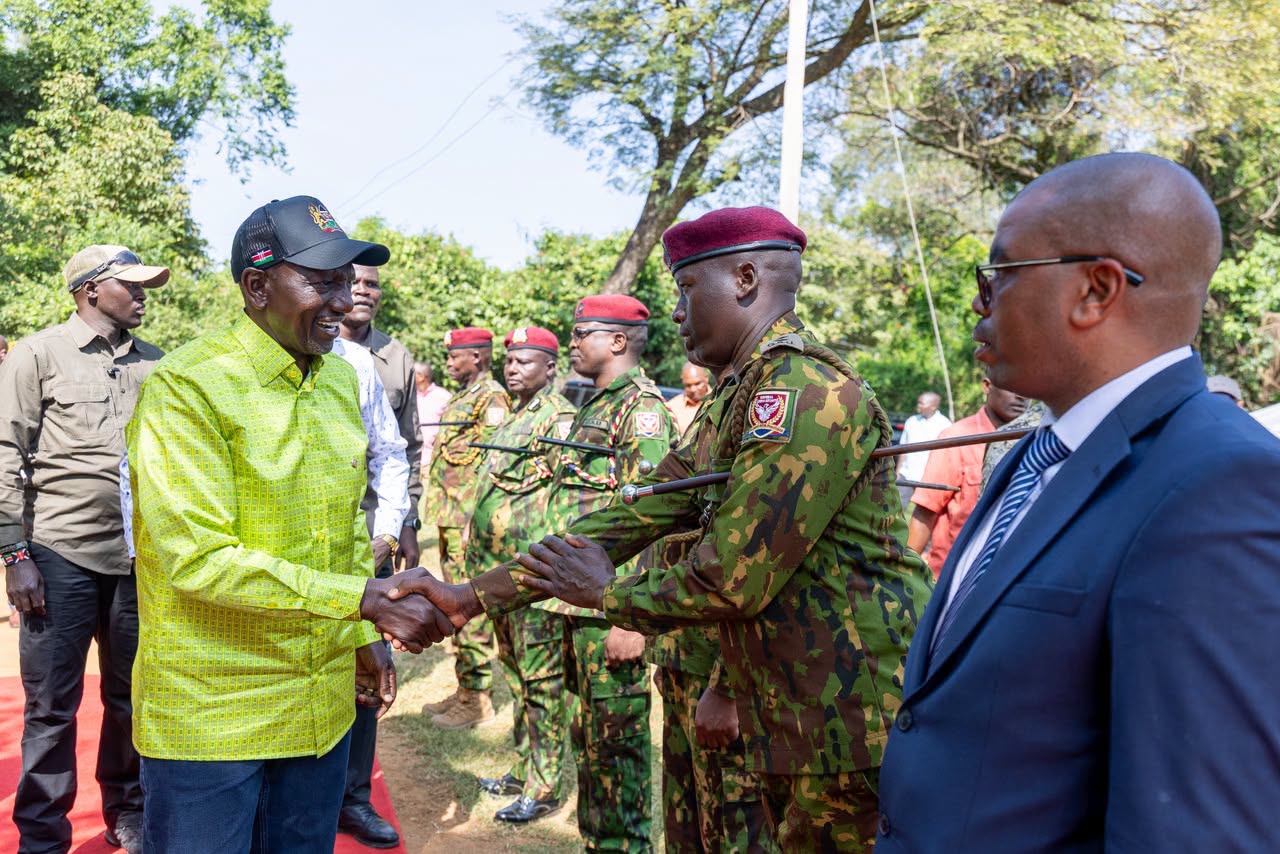
President William Ruto has reaffirmed the government's commitment to improving the welfare and working conditions of security officers through the provision of decent housing, modern equipment and essential operational resources. The Head of State says the government is focused on strengthening secu
-
Treasury Cabinet Secretary John Mbadi and Attorney General Dorcas Oduor have been found guilty of contempt of court following their failure to disclose sovereign bond agreements and provide a detailed account of how the borrowed funds were spent. The ruling has raised fresh questions about transpare
-
A 26-year-old man has been sentenced to 100 years in prison by the Kerugoya Law Courts after being found guilty of stealing a police AK-47 rifle. The lengthy sentence highlights the seriousness of firearm-related offences and the dangers posed when weapons entrusted to security agencies fall into un
-
Former Public Service Cabinet Secretary Justin Muturi has been appointed to serve in the Commonwealth Election Observation Mission ahead of The Gambia's electoral process. The mission will be led by former Lesotho Prime Minister Pakalitha Mosisili and will comprise distinguished personalities and ex
-
A woman has been sentenced to 25 years in prison for murdering her sister in Kieni East, Nyeri County, in an incident that occurred on January 2, 2022. The victim was reportedly doing laundry when she was repeatedly struck with a metal rod. The High Court in Nanyuki found the accused guilty after co