PSC Defends Recruitment and Deployment Processes Over Staffing Imbalances in Government Institutions
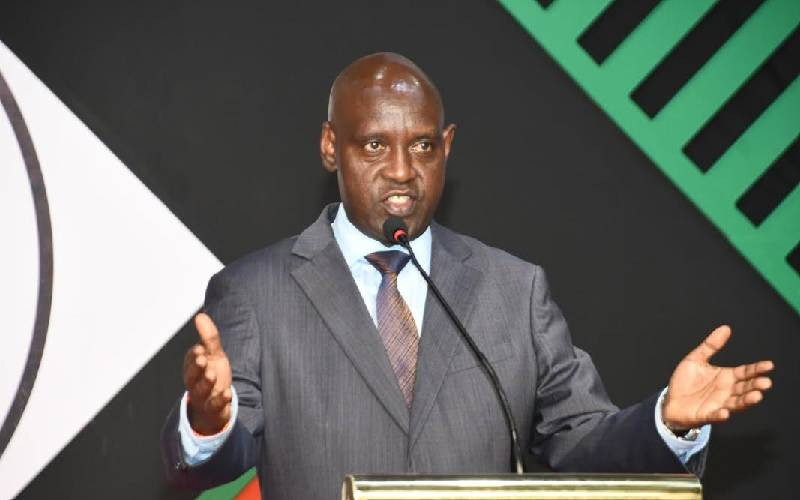
The Public Service Commission (PSC) has defended its recruitment and deployment procedures before the Public Accounts Committee, maintaining that it should not be held responsible for staffing imbalances experienced in various government institutions. The commission's position comes amid growing scrutiny over the uneven distribution of public servants, with some government agencies facing personnel shortages while others have comparatively higher staffing levels. The discussions have raised questions about workforce planning, institutional responsibilities and the coordination of recruitment and deployment processes across the public service. The committee is expected to examine the commission's mandate and the roles played by different government institutions in addressing staffing gaps. The matter has also renewed attention on the need for fair recruitment practices, effective deployment of qualified personnel and proper utilisation of public resources to improve service delivery across the country.
The Public Service Commission (PSC) has defended its recruitment and deployment procedures, maintaining that it should not be held responsible for staffing imbalances witnessed in various government institutions. Appearing before the Public Accounts Committee, the commission explained its position on concerns surrounding the distribution of public servants across government departments and agencies, insisting that the existing recruitment and deployment framework should be understood within the broader responsibilities of different public institutions.
The commission's position comes amid continued scrutiny of staffing levels in government offices, with questions being raised about why some institutions have adequate personnel while others continue to experience shortages. The issue has attracted attention because staffing levels directly influence the delivery of public services, the implementation of government programmes and the ability of public institutions to meet their operational responsibilities.
During its engagement with the Public Accounts Committee, the PSC sought to clarify the extent of its mandate in matters relating to recruitment and deployment. The commission maintained that it carries out its responsibilities within the established public service framework and should not automatically be blamed for staffing disparities that may emerge across government institutions.
The debate over staffing imbalances has remained an important issue in the management of Kenya's public service. Government institutions require sufficient personnel to perform their duties effectively, but the distribution of employees across different departments and regions has often raised questions about fairness, efficiency and the ability of the government to respond to public needs.
Staffing shortages can affect the operations of institutions, particularly those responsible for providing essential services. Where an institution does not have enough employees, the available workforce may be forced to handle additional responsibilities, potentially affecting efficiency, productivity and the quality of services offered to the public.
On the other hand, institutions with more personnel than their operational requirements may face challenges in managing human resources effectively. Such differences can create concerns about whether public servants are being distributed according to actual institutional needs and whether government resources are being utilised efficiently.
The PSC's defence therefore brings renewed attention to the responsibilities of the various agencies involved in public service management. Recruitment, deployment, staff establishment and the management of employees involve different administrative considerations, making it important to establish where responsibility lies when staffing challenges emerge.
The Public Service Commission plays a central role in overseeing human resource management within the public service. Its responsibilities include matters relating to the recruitment, appointment, promotion and discipline of public officers, subject to the Constitution and relevant laws. The commission is also expected to promote efficiency, professionalism and accountability in the public service.
However, staffing requirements vary from one institution to another. Ministries, departments and government agencies have different responsibilities, operational demands and service delivery priorities. As a result, their personnel requirements may also differ depending on the nature and scale of their work.
This means that staffing decisions must take into consideration the specific needs of individual institutions. An agency responsible for delivering services across several regions may require a different workforce structure from a department whose operations are mainly administrative.
The commission's appearance before the committee provided an opportunity to address questions about how these requirements are considered during recruitment and deployment. It also highlighted the need for a clear understanding of the processes through which institutions identify staffing gaps and communicate their personnel requirements.
One of the major concerns surrounding staffing imbalances is the unequal distribution of public servants across the country. Some regions and institutions may experience shortages of personnel despite having significant responsibilities, while others may have comparatively higher staffing levels.
Such differences can affect access to government services, particularly in areas where public institutions are already operating under pressure. Citizens depend on government employees for services in sectors such as health, education, administration and other essential public functions.
Where staffing shortages persist, members of the public may experience delays, longer waiting periods and difficulties accessing services. Employees working in understaffed institutions may also face increased workloads, which can affect morale and overall performance.
The issue is therefore not only about the number of employees recruited into government but also about how effectively available personnel are distributed. Proper workforce planning is necessary to ensure that public institutions have the right number of employees with the appropriate skills to fulfil their mandates.
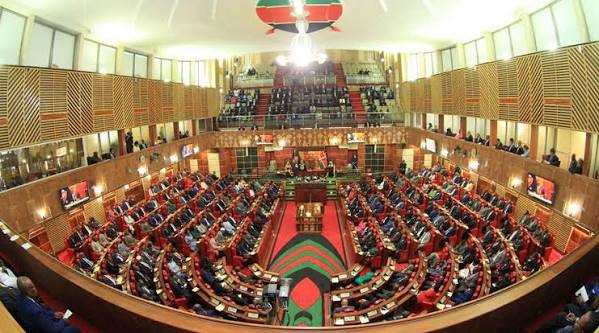
The Public Accounts Committee's engagement with the PSC also underscores Parliament's oversight role in examining the management of public resources and the performance of government institutions. Staffing decisions have financial implications because salaries and other employment-related costs account for a significant portion of public expenditure.
Lawmakers are therefore expected to examine whether recruitment and deployment decisions are supported by proper planning and whether public funds are being used efficiently. They may also seek explanations where institutions continue to experience staffing shortages despite government expenditure on public service salaries.
The commission's defence is likely to contribute to discussions on accountability within the public service. Establishing responsibility for staffing imbalances requires examining the roles played by the PSC, government ministries, departments and individual agencies.
Institutions must be able to identify their staffing requirements and provide accurate information on the number of employees needed to carry out their functions. Without proper workforce data, recruitment and deployment decisions may fail to address the actual challenges facing public offices.
Workforce planning is also important in anticipating future staffing needs. Government institutions must consider changes in population, expansion of services, new responsibilities and the introduction of technology when determining the number and categories of employees required.
For instance, an institution that expands its operations may require additional personnel to serve a growing number of citizens. Similarly, the introduction of new government programmes may create demand for employees with specialised skills and professional qualifications.
The government must therefore ensure that recruitment processes are guided by institutional requirements rather than simply focusing on filling available positions. A structured approach to human resource planning can help reduce disparities and ensure that employees are deployed where their services are most needed.
Another issue connected to staffing imbalances is the availability of qualified personnel. Some institutions may experience shortages not necessarily because of a lack of approved positions but because of difficulties in attracting or retaining employees with specialised skills.
This can be particularly challenging in technical and professional fields where the demand for qualified workers is high. Public institutions must therefore consider strategies for attracting skilled employees, retaining experienced personnel and providing opportunities for professional development.
The distribution of public servants also raises questions about regional equity and access to government opportunities. Recruitment and deployment processes are expected to operate within constitutional principles, including fairness, transparency, merit and equal opportunity.
Public institutions must ensure that employment decisions do not unfairly disadvantage particular communities or regions. At the same time, deployment decisions should take into account the need to provide government services across the country.
Achieving a fair balance requires reliable information about staffing levels, institutional needs and the distribution of available personnel. It also requires coordination among the agencies responsible for managing the public service.
The PSC's position before the Public Accounts Committee highlights the importance of clarifying these responsibilities to avoid situations where different institutions shift blame when staffing problems arise. A coordinated approach would make it easier to identify gaps, determine the causes of imbalances and establish practical solutions.
The discussion also raises the importance of maintaining accurate records of public servants across government institutions. Reliable human resource information can help the government determine where employees are stationed, identify vacancies and establish whether existing staff establishments match operational requirements.
Without accurate records, government agencies may struggle to make informed decisions about recruitment and deployment. They may also find it difficult to determine whether staffing shortages are caused by inadequate recruitment, poor distribution or changes in institutional responsibilities.
The government may therefore need to strengthen coordination and information-sharing among institutions involved in public service management. Such efforts could improve workforce planning and help ensure that recruitment decisions are based on clear evidence.
Public servants themselves are also affected by deployment decisions. Employees may be required to work in different locations depending on institutional needs, while changes in staffing arrangements can influence their professional development and working conditions.
Fair and transparent deployment procedures are therefore important in maintaining confidence among public officers. Employees need to understand the basis upon which deployment decisions are made and the procedures available for raising concerns where necessary.
The commission's defence comes at a time when public institutions continue to face pressure to improve service delivery while operating within limited financial resources. The government must balance the need to recruit additional personnel with the responsibility of managing public expenditure sustainably.
Recruitment without proper planning could increase the government's wage bill without necessarily addressing the most urgent staffing gaps. Equally, failing to fill essential positions could undermine the ability of institutions to deliver services and implement government policies.
The challenge is therefore to ensure that available resources are directed towards the areas where additional personnel are most needed. This requires cooperation between the PSC, ministries, departments and agencies responsible for identifying and managing workforce requirements.
The Public Accounts Committee's scrutiny is expected to keep attention focused on the processes used to recruit and deploy public servants and the measures being taken to address staffing disparities. Lawmakers will be interested in understanding how the commission carries out its mandate and how other government institutions contribute to workforce management.
The outcome of such discussions could inform broader efforts to strengthen accountability and improve the management of human resources across the public service. Clearer responsibilities and better coordination may help reduce disagreements over staffing challenges while ensuring that institutions remain accountable for their operational needs.
Members of the public, the issue has direct implications because the effectiveness of government services depends partly on whether institutions have sufficient and appropriately deployed personnel. From administrative offices to service delivery centres, public servants play a critical role in implementing government programmes and responding to citizens' needs.
The commission's appearance before the Public Accounts Committee has therefore brought renewed attention to the question of who should be held accountable when staffing levels across government institutions are uneven. While the PSC has defended its recruitment and deployment procedures, the broader issue requires examining the responsibilities of all agencies involved in public service management.
As discussions continue, the focus will remain on ensuring that recruitment and deployment decisions are transparent, properly planned and aligned with the needs of government institutions. Addressing staffing imbalances will require more than defending existing procedures; it will also involve identifying gaps, strengthening coordination and ensuring that available public servants are distributed effectively.
The matter is expected to remain an important part of conversations about public service efficiency, accountability and the management of government resources. Ultimately, the objective is to ensure that public institutions have the personnel required to fulfil their responsibilities while maintaining fairness and efficiency in the use of public resources.

You Might Also Like
-
President William Ruto has officially handed over the newly constructed Bumala Modern Market in Butula Constituency, Busia County, in a move aimed at strengthening small-scale trade and improving business opportunities for local residents. The modern facility is expected to provide traders with a mo
-
The Ministry of Education has been given 30 days to review the criteria used in placing learners in Grade 10 ahead of the 2027 senior school admission exercise. The proposal was presented by the National Assembly Departmental Committee on Education to the Budget and Appropriations Committee on Frida
-
The Teachers Service Commission (TSC) is considering plans to introduce mandatory practising certificates for all registered teachers, a proposal that has sparked debate over the commission’s authority to license and regulate the teaching profession. The proposed framework would require teachers t
-
A major cybersecurity concern has emerged following reports that hackers have infiltrated Kenya’s eCitizen platform and begun leaking personal information belonging to more than 32 million Kenyans on the dark web. The compromised data is reportedly said to include sensitive identification details,
-
Martha Karua's renewed declaration of her 2027 presidential ambitions marks an important development in Kenya's political preparations ahead of the next General Election. Through her People's Liberation Party and the "Simama na Kenya, Simama na Martha" mobilisation campaign, she is seeking to attrac
-
Bomet East MP Richard Yegon has threatened legal action against individuals and online platforms circulating alleged AI-generated videos and images linking him to the disappearance of nominated MP Sabina Chege's mobile phone. Addressing the National Assembly, Yegon denied any involvement in the inci