



Public Health PS Mary Muthoni Warns of Disease Risks as Kenya Steps Up El Niño Preparedness
The Public Health Principal Secretary's warning highlights the growing importance of preparing Kenya's health system before the anticipated El Niño rains intensify. Mary Muthoni has called for stronger disease surveillance, safe water, improved sanitation, adequate medicine stocks and greater preparedness by health facilities. The government has activated an El Niño health contingency plan and identified 18 counties as high-risk areas. Communities in flood-prone locations have been urged to take basic precautions such as treating drinking water where necessary, storing it safely, washing hands, cooking food thoroughly and reporting unusual illness patterns. The message from the Ministry of Health is clear: preparedness must begin before the emergency arrives. With heavy rains capable of contaminating water sources, disrupting hospitals, damaging infrastructure and displacing families, coordinated action between national government, counties, health workers, partners and ordinary citizens will be essential. The PS's speech therefore represents a preventive public-health strategy aimed at ensuring that Kenya does not wait for disease outbreaks and other consequences of flooding to become widespread before responding.
Kenya has intensified preparations for the anticipated El Niño rains, with the Ministry of Health warning that heavy rainfall and flooding could trigger a rise in waterborne diseases, disrupt health services and expose vulnerable communities to serious public-health risks. Public Health and Professional Standards Principal Secretary Mary Muthoni has called on national and county governments, health facilities, communities and development partners to strengthen preventive measures before the rains intensify.
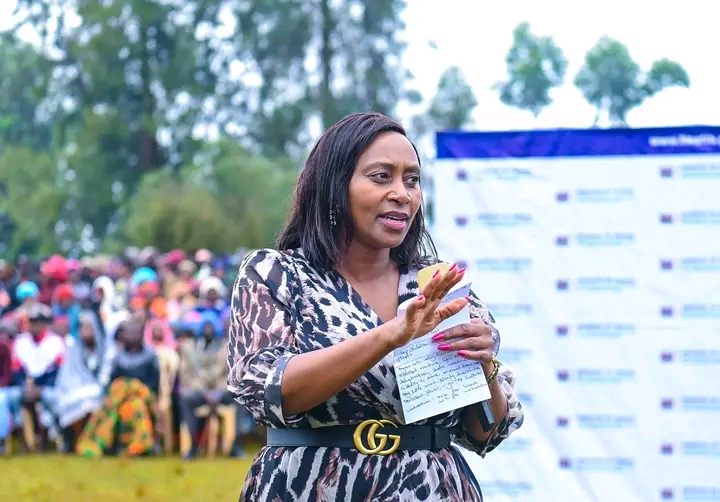
Muthoni's latest warning came as the country increased its preparedness for the expected October–December rainy season. On Saturday, September 12, she told residents in Karumandi, Gichugu Constituency in Kirinyaga County, that increased rainfall could contaminate water sources and create conditions favourable for diseases such as cholera, typhoid and dysentery.
The PS emphasised that the government was taking preventive action rather than responding to an already declared outbreak. She specifically clarified that the advisory should not be interpreted as an announcement of an ongoing cholera or other waterborne-disease outbreak. Instead, the government wants health authorities and communities to prepare early so that suspected cases can be detected and treated quickly if they emerge.
*Warning over waterborne diseases*
One of the major concerns raised by the PS is the possibility of contamination of drinking-water sources during flooding. Heavy rains can overwhelm drainage and sewage systems, allowing contaminated water to mix with rivers, wells, boreholes and other sources used by households.
According to the Ministry of Health's warning, diseases of particular concern include cholera, typhoid, dysentery and other diarrhoeal illnesses. These diseases can spread rapidly where communities lack reliable access to clean water and sanitation facilities.
The risk is particularly serious in densely populated urban settlements and informal settlements, where drainage systems may already be under pressure. Blocked drainage channels, overflowing sewage systems and accumulated garbage can worsen the situation when large amounts of rain fall within a short period.
Muthoni therefore urged county governments and water-service providers to monitor water quality, repair sewage leakages, protect water sources and improve waste disposal systems.
Government activates El Niño health contingency measures
The Ministry of Health has already activated its health-sector El Niño preparedness arrangements. Earlier in September, Muthoni announced that the ministry had rolled out an El Niño preparedness plan covering 18 high-risk counties.
The plan is intended to strengthen disease surveillance, outbreak response, health-facility preparedness and availability of essential medical supplies. The ministry has also established coordination mechanisms to ensure that national and county health authorities can respond quickly if floods or disease outbreaks occur.
The 18 counties have been identified as particularly vulnerable to the effects of the anticipated heavy rains. The risks vary from county to county and include flooding, landslides, water contamination, displacement, disease outbreaks and disruption of transport and health services.
Nairobi is among the areas under attention because of its vulnerability to urban flooding, blocked drainage and pressure on infrastructure. Coastal counties including Tana River, Kilifi, Lamu, Mombasa and Kwale are also considered vulnerable because of flooding, rising water levels, storm-related impacts and possible displacement.
The Lake Basin counties, including Kisumu, Busia, Siaya, Homa Bay and Migori, are also being closely monitored.
*Health facilities told to prepare*
A major part of Muthoni's message was directed at health facilities. Hospitals and other health centres have been urged to review their preparedness before the rains become more intense.
Facilities are expected to check their stocks of essential medicines and emergency supplies, including items needed to manage diarrhoeal diseases. They have also been encouraged to ensure that they have adequate supplies of oral rehydration salts, infection-prevention materials and other essential commodities.
The ministry wants facilities to be able to treat patients quickly if there is an increase in diarrhoeal diseases following flooding.
Health facilities in areas that are prone to flooding also face another challenge: accessibility. Roads can become impassable, bridges can be damaged and transport of medicines and other supplies can be interrupted. The government is therefore seeking to ensure that essential commodities are positioned in vulnerable areas before the worst of the rains.
Disease surveillance to be strengthened
Muthoni has also emphasised the importance of disease surveillance. Rather than waiting for large numbers of people to fall sick, health authorities want unusual increases in illnesses to be identified at an early stage.
Community Health Promoters are expected to play an important role in this process because they interact directly with households. They have been urged to intensify health education and report unusual clusters of diarrhoeal diseases to surveillance teams.
Early detection can enable authorities to investigate suspected outbreaks, identify contaminated water or food sources and introduce measures to stop further transmission.
This approach is especially important during floods because disease can spread quickly through contaminated water and poor sanitation.
Advice to Kenyan households
The Public Health PS also placed responsibility on individual households. She urged Kenyans to take simple precautions to protect themselves and their families.
Residents have been advised to drink safe water and treat water where necessary. Water should be stored in clean, covered containers to prevent contamination.
Households should also maintain proper hand hygiene, particularly after using the toilet, before preparing food and before eating. Food should be cooked thoroughly, while waste should be disposed of properly.
These measures may appear simple, but they can be critical during periods of heavy rainfall when water and sanitation systems are under pressure.
Children and vulnerable groups at greater risk
The ministry has identified several groups that may require special attention during the rainy season. These include children, pregnant women, older people, persons with disabilities and displaced families.
Children can become particularly vulnerable to diarrhoeal diseases and other infections when sanitation conditions deteriorate. Pregnant women and elderly people may also face additional challenges when health facilities become difficult to reach.
Families displaced by flooding may lose access to clean water, sanitation facilities, food and medication. Emergency response therefore needs to take into account not only disease treatment but also shelter, nutrition, water and sanitation.
*Lessons from previous El Niño events*
The government's current preparedness is also informed by Kenya's experience with previous El Niño events.
The Ministry of Health has pointed to lessons learned from earlier disasters, including the significant impacts experienced during previous heavy-rainfall episodes. In 2023, for example, 43 counties were affected by El Niño-related impacts, with flooding, disease risks and disruption of essential services reported.
The government is therefore attempting to move away from a response that begins only after disasters have occurred. The current approach focuses more heavily on early warning, preparation, pre-positioning of supplies, surveillance and coordination.
Muthoni has stressed the importance of moving from planning to actual operational readiness.
Need for county governments to act
County governments will have an important role in implementing the preparedness measures because many public-health responsibilities are devolved.
Counties are expected to monitor local disease patterns, maintain health facilities, manage sanitation and waste-disposal systems and work with communities to reduce health risks.
County authorities also need to ensure that drainage systems are functioning, sewage leaks are repaired and water sources are protected.
The effectiveness of the national preparedness plan will therefore depend heavily on cooperation between the national government and county governments.
Importance of clean water and sanitation
Clean water is at the centre of the ministry's preparedness strategy. Flooding can turn an otherwise safe water source into a health hazard.
For example, when latrines overflow or sewage systems break down, human waste can enter rivers and other water sources. If people consume contaminated water without treatment, they can develop serious diarrhoeal illnesses.
For this reason, the government is calling for increased monitoring of water quality and better protection of drinking-water sources.
Communities are also encouraged to avoid using visibly contaminated floodwater for drinking, cooking or washing food.
El Niño could create wider health problems
The health consequences of heavy rainfall are not limited to waterborne diseases.
Flooding can displace families, damage homes, interrupt transport and make it difficult for people to reach hospitals. Standing water can also create breeding grounds for mosquitoes, potentially increasing the risk of mosquito-borne diseases in affected areas.
Floods can additionally cause injuries, increase nutritional challenges among displaced populations and disrupt routine health services.
The Ministry of Health is therefore approaching El Niño preparedness as a broad public-health issue rather than focusing on one disease.
Role of health partners
The government has also been seeking assistance from health and development partners to strengthen preparedness.
The ministry has indicated that support may be needed for temporary medical facilities, emergency medical services, health promotion, nutrition assessments, water and sanitation interventions, logistics and medical supplies in areas that could be affected.
This is important because a major disaster can place pressure on government resources. Partnerships can help provide additional personnel, equipment, emergency supplies and technical support.
Public urged not to panic
Although the PS has issued a strong warning about the health risks associated with the anticipated rains, her message is primarily one of preparedness rather than panic.
The government has not announced a nationwide outbreak of cholera or another waterborne disease as a result of the warning. Instead, authorities are attempting to reduce the likelihood of outbreaks by acting before the rains cause widespread disruption.
Members of the public should therefore rely on official health and weather information and avoid spreading unverified reports about disease outbreaks.

You Might Also Like
-
The arrest of two suspects marks the latest development in the investigation into the Nembure chaos in Embu County, where a UDA meeting attended by Deputy President Kithure Kindiki was violently disrupted on September 12, 2026. The incident resulted in one confirmed death, several injuries and six
-
The Kikopey-Gilgil accident of Sunday night, September 13, 2026, has claimed five lives after an Easy Coach bus and a Toyota IST/private saloon car collided on the busy highway. Four occupants of the private vehicle, including two women and two juveniles, died at the scene, while the vehicle's drive
-
The developing 2026 El Niño is becoming one of the major weather concerns for Kenya as the country approaches the October-December short-rains season. Kenya Meteorological Service forecasts indicate that many parts of the country could receive above-average rainfall, with the possibility of heavy r
-
The Linda Mwananchi gathering at Jacaranda Grounds in Nairobi on Sunday, September 13, 2026, was a major political mobilisation event that attracted prominent opposition figures and large crowds. The day's activities began with a church service at All Saints Cathedral before the leaders and their s
-
The 15th Mara Day celebrations in Bomet County are an important regional event focused on the conservation of the Mara River and the protection of the diverse life it supports. Taking place from September 12 to 15, 2026, the celebrations include environmental activities, community engagement, a stak
-
President William Ruto's visit to Kisumu today marks the beginning of an important four-day development tour of Nyanza. The President started the day at the Voice of Salvation and Healing Church, where he worshipped alongside senior national and county leaders, including Governor Anyang' Nyong'o, Go