




Riara University Bullying Scandal: Youths Rally at Buruburu Church to Stand with Jahenda
The rally at Redeemed Gospel Church Buruburu has become one of the latest developments in the growing controversy surrounding the alleged bullying of Jahenda. The young people who gathered wanted her case to receive attention and accountability, while the church maintained that it condemns the alleged conduct and that membership should not protect anyone from consequences. Pastor Felix Kavoi has also rejected claims linking his family to the incident, while acknowledging that one of the women in the video is affiliated with the church. Meanwhile, Riara University has condemned the conduct depicted in the footage and indicated that the matter is being reviewed. As investigations and institutional processes continue, the case has sparked an important national conversation about bullying, violence, humiliation, social-media responsibility and the need for young people to treat one another with dignity. The strongest path forward remains establishing the facts, protecting Jahenda and ensuring that any person found responsible is dealt with through the appropriate legal and disciplinary channels.
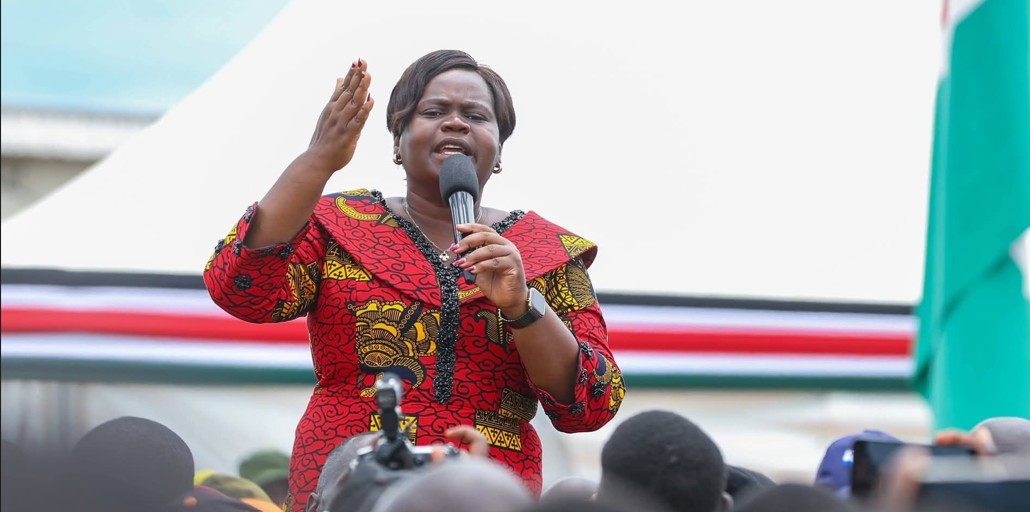
A group of young Kenyans rallied outside the Redeemed Gospel Church in Buruburu, Nairobi, on Sunday, October 4, 2026, demanding accountability and justice for a young woman identified as Jahenda following the circulation of disturbing videos allegedly showing her being bullied and harassed. The gathering, which attracted significant attention both at the church and across social media, marked a major escalation of public anger over the incident.
The youths, largely described in reports as Gen Z protesters, gathered outside the church during Sunday services while chanting Jahenda's name. They said they had come to stand in solidarity with her and demand that the people allegedly involved in the incident be held accountable through the appropriate legal and institutional processes. Police officers were also reported to have been deployed around the church as the gathering continued.
Why the youths went to Buruburu
The rally followed the rapid circulation of a video on social media that allegedly showed Jahenda being subjected to bullying and humiliation by several young women in a washroom during a night out.
The footage generated widespread anger among Kenyans because of the nature of the treatment shown. Reports say the video appears to show several women surrounding Jahenda, with one of them pushing or restraining her while another records the incident. The circumstances leading to the confrontation, as well as everything that happened before and after the recording, have not been fully established from the video alone.
Despite those limitations, the footage triggered intense public debate about bullying, gender-based harassment, violence among young people and the responsibilities of individuals who record or participate in such incidents.
The issue moved quickly from social media into public spaces, with young Kenyans organizing themselves around the demand for accountability.
Church connection fuels controversy
The decision by the youths to rally at the Buruburu church was linked to claims circulating online that one of the young women seen in the video was affiliated with the church.
The church subsequently confirmed that one of the individuals appearing in the video is a member of the congregation. However, the church emphasized that membership does not provide protection from accountability.
In a statement, the church condemned bullying, humiliation, intimidation, harassment and violence, saying such conduct was inconsistent with the values it teaches. It also stated that no individual's association with the church should be used to shield them from accountability for their actions.
That clarification became particularly important because social media claims had gone further, alleging that one of the people involved was the daughter of a pastor at the church.
Pastor Felix Kavoi rejects claims
Reverend Felix Kavoi, who is associated with the Buruburu church, publicly rejected claims that one of the women implicated in the incident was his daughter.
Speaking during a church service, Kavoi said he did not have a daughter studying at Riara University and argued that social media users had wrongly connected his family to the controversy. He said his daughters were adults and working, and that their identities were known.
The clarification was significant because the alleged connection between the pastor and one of the women had become one of the issues fueling the anger directed toward the church.
Reports indicate that the pastor acknowledged that one of the girls appearing in the viral video worships at the church, but stressed that the alleged bullying incident did not happen at the church.
Pastor says he was caught off guard
On Monday, October 5, reports emerged of Kavoi describing the youths' arrival at the church as unexpected.
According to K24 Digital, the pastor said the church had not anticipated the demonstration and that the gathering left some members of the congregation uneasy. He questioned why protesters had selected a place of worship to express their anger over an incident that had occurred elsewhere.
At the same time, Kavoi condemned the bullying itself and expressed sympathy for Jahenda.
He said the church stood with Jahenda and that the appropriate processes should be followed to address the incident and prevent similar cases from happening in future.
This position created an important distinction between the church's condemnation of the alleged bullying and the protesters' decision to take their demands to the church premises.
Police presence at the scene
The demonstration also attracted a police presence as authorities sought to monitor the situation and maintain order around the church.
The Standard reported that youths and police clashed during the demonstration, while other reports described officers, including uniformed and plain-clothes personnel, around the premises.
The presence of police added another dimension to an already emotionally charged situation. The protesters maintained that their primary objective was to demand accountability for Jahenda, while authorities had the responsibility of ensuring that the gathering did not result in violence, property damage or disruption of public order.
Jahenda's case sparks debate on bullying
The incident has opened a wider conversation in Kenya about bullying and humiliation among young people.
Many Kenyans have expressed concern over the apparent willingness of individuals to record humiliating incidents rather than intervene. The widespread circulation of the video has also raised questions about the consequences of sharing footage involving victims of alleged abuse.
For many of the youths who rallied at Buruburu, the issue was therefore bigger than the individuals appearing in the video. They viewed Jahenda's case as an example of the kind of treatment that should not be normalized among young people.
The protesters' actions reflected the growing influence of social media in mobilizing young Kenyans around issues that generate public concern. Within a short period, the video had generated discussions across various platforms, followed by calls for accountability and physical mobilization.
Riara University responds
The controversy has also involved Riara University after reports indicated that some of the young women appearing in the video are students at the institution.
The university condemned the conduct shown in the video and indicated that it was reviewing the matter through its disciplinary procedures. The institution also said it was prepared to cooperate with authorities should investigations require its involvement.
The university's response has added an institutional dimension to the controversy, as attention shifts toward determining what happened and what consequences, if any, should follow.
Calls for accountability
The central demand from the youths at Buruburu was accountability for what they believe was unacceptable treatment of Jahenda.
One protester quoted by The Standard said the issue was particularly serious because it involved a woman being allegedly harassed and assaulted while others laughed and recorded the incident.
The protesters' message was that friendship, social status, religious affiliation or educational background should not prevent allegations of wrongdoing from being properly investigated.
However, establishing responsibility remains a matter for competent authorities and relevant institutions. Social media videos may provide important evidence, but they do not necessarily reveal the complete circumstances surrounding an incident.
A controversy that continues to grow
The Buruburu gathering has demonstrated how quickly a social-media controversy can develop into a major public issue.
What began with a viral video has now involved Jahenda, the young women accused of bullying her, Riara University, Redeemed Gospel Church Buruburu, Pastor Felix Kavoi and law-enforcement authorities.
The controversy has also highlighted the dangers of unverified information spreading online. While the church confirmed that one person in the video is a member of its congregation, the pastor has firmly rejected claims that the individual is his daughter.
This distinction is important as the public continues following the story. Allegations circulating online should be treated separately from facts that have been independently established.

You Might Also Like
-
An 18-year-old Form Four student, Joy Wangui, has been found dead in the Kiambaa area of Molo, Nakuru County, in a shocking incident that has left her family and residents deeply disturbed. Police are investigating the circumstances surrounding her death, with her boyfriend, identified as Walter Kip
-
The meeting hosted by Health CS Aden Duale and involving the Council of Governors Health Committee has produced a significant agreement on the future of county health facilities under SHA. The new framework clarifies how facilities will be contracted, reduces some documentation hurdles, maintains in
-
Head of Public Service Felix Koskei has emphasized the importance of peace, dialogue and unity within families and communities, remarks that come amid growing concern over domestic conflicts and a tragic suspected murder-suicide in Bomet. The deaths of a couple in Cheboin, Chepalungu, have renewed a
-
Kindiki's October 5 visit to Kiambu placed infrastructure and economic development at the centre of the government's message to residents. The Nyambari ESP Market, Uplands-Githunguri Road and Kwaheri-Mary Magdalena Road were among the key projects launched, while the Deputy President also inspected
-
Speaking during the World Teachers’ Day celebrations at Kasarani on October 5, Education Cabinet Secretary Julius Ogamba delivered a direct message to striking university lecturers: return to work, obey court orders and allow negotiations to continue. He said the government had fully cleared arrea
-
Homa Bay Governor Gladys Wanga has questioned Edwin Sifuna’s chances of defeating President William Ruto in 2027, citing the difficulty of uniting the opposition behind his candidacy.