Kenya Faces 85% Funding Gap in Malaria Control Programme
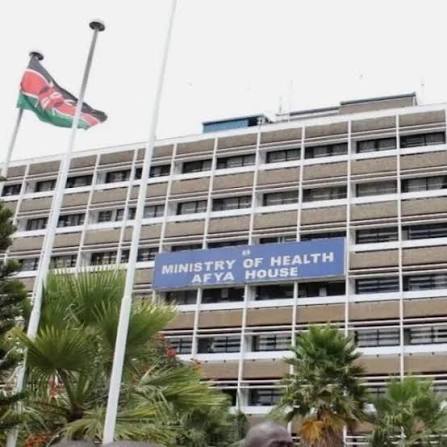
The Ministry of Health has warned of a major funding crisis facing Kenya’s malaria control programme. The country is experiencing an estimated 85 per cent funding shortfall, with only KSh2.66 billion available against the KSh17.7 billion required annually. The deficit threatens key malaria prevention and treatment activities across the country. Essential programmes such as mosquito net distribution, indoor spraying, testing and access to medication could be affected. Declining support from international donors has increased pressure on the government to find alternative sources of funding. Vulnerable groups, including children and pregnant women, remain at greater risk of severe malaria complications. Health officials warn that reduced investment could undermine the progress made in controlling the disease. The government is being urged to strengthen domestic health financing and sustain essential interventions. The funding challenge raises concerns about Kenya’s ability to protect communities from malaria infections and related deaths.
The Ministry of Health has raised concerns over a significant funding shortfall threatening Kenya’s efforts to control malaria, warning that declining financial support from development partners could undermine the progress made in reducing infections and deaths caused by the disease.
Kenya’s malaria programme is facing an estimated 85 per cent funding gap, with only KSh2.66 billion available against the KSh17.7 billion required annually to implement planned prevention, diagnosis and treatment activities. The shortage has raised concerns about the country's ability to sustain essential interventions aimed at protecting millions of people, particularly those living in regions where malaria remains a major public health challenge.
The funding deficit presents a serious challenge to the health sector because malaria control requires consistent investment in preventive measures, access to effective medication, laboratory testing, public awareness and disease surveillance. These activities must be maintained throughout the year to prevent new infections and reduce the risk of severe illness and deaths.
Malaria remains one of the significant public health concerns in Kenya, particularly in areas where environmental and climatic conditions support the breeding of mosquitoes that transmit the disease. Communities in western Kenya, the Lake Victoria region and parts of the coastal areas have historically experienced a higher malaria burden compared to regions where transmission is less common.
The disease is caused by parasites transmitted to humans through the bites of infected female Anopheles mosquitoes. Once the parasites enter the human body, they multiply and can cause symptoms such as fever, headaches, chills, sweating, body weakness and general discomfort. Without timely diagnosis and treatment, malaria can develop into a severe condition, especially among young children, pregnant women and people with weakened immune systems.
The Ministry of Health has continued to emphasise the importance of prevention and early treatment in reducing the burden of malaria. However, maintaining these interventions requires adequate financial resources to support healthcare facilities, community health programmes and the distribution of essential medical supplies.
One of the major components of malaria prevention is the distribution and use of insecticide-treated mosquito nets. These nets help protect people from mosquito bites, particularly during sleeping hours when malaria-transmitting mosquitoes are most active. Regular distribution campaigns are necessary to ensure that households have access to effective nets and that damaged or worn-out ones are replaced.
A shortage of funding could affect the ability of health authorities to conduct large-scale distribution exercises and reach communities that depend heavily on these interventions. It could also affect public education campaigns designed to encourage households to sleep under treated nets and maintain proper sanitation around their homes.
Indoor residual spraying is another important malaria prevention strategy used in selected areas. The exercise involves applying approved insecticides to the interior walls of houses to kill mosquitoes that rest on treated surfaces. Such programmes require trained personnel, adequate supplies and regular operational funding to reach targeted communities.
If resources become limited, health authorities may face difficulties maintaining the frequency and coverage of these spraying activities. This could leave some vulnerable households exposed to increased mosquito activity, particularly during periods when weather conditions favour mosquito breeding.
Access to malaria diagnosis and treatment is equally important in controlling the disease. Patients experiencing symptoms need to visit healthcare facilities for proper testing before receiving appropriate medication. Rapid diagnostic tests and laboratory services help health workers establish whether a patient has malaria and determine the most suitable treatment.
Insufficient funding could place additional pressure on the availability of diagnostic kits, medicines and other essential supplies in public health facilities. This may affect the ability of healthcare workers to respond quickly to suspected cases, particularly in remote communities where access to medical services is already limited.
The timely treatment of malaria is essential because delays can increase the risk of complications. Severe malaria can affect vital organs and may require specialised medical attention. Children under the age of five are particularly vulnerable because their immune systems may not have developed sufficient protection against the disease.
Pregnant women also face increased risks associated with malaria infections. The disease can contribute to anaemia, premature delivery, low birth weight and other complications that may affect both the mother and the unborn child. Preventive treatment and regular antenatal care therefore remain important components of malaria control efforts.
The funding shortage could also affect programmes designed to provide preventive treatment to pregnant women in areas where malaria transmission is common. Such interventions are intended to reduce infections during pregnancy and protect mothers and babies from serious health complications.
Another important area requiring financial support is disease surveillance. Health authorities need reliable information about where malaria cases are occurring, how frequently infections are being reported and which communities are experiencing increased transmission. This information helps determine where resources should be directed and which interventions are most urgently needed.
Surveillance activities also enable health officials to identify unusual increases in infections and respond before outbreaks spread to wider areas. These operations depend on trained health workers, reliable reporting systems, laboratory services and regular monitoring.
A reduction in funding could weaken these systems, making it more difficult for the government to monitor malaria trends and evaluate the effectiveness of ongoing programmes. Without reliable information, health authorities may struggle to identify emerging challenges and respond effectively.
The funding gap also raises questions about Kenya's dependence on external financial assistance for major public health programmes. Development partners have played an important role in supporting malaria prevention, diagnosis, treatment and research activities over the years. However, declining donor support means the government may need to increase domestic investment to protect existing gains.
Changes in international development financing have affected several health programmes in different countries. As governments and development organisations adjust their priorities, countries that rely heavily on external assistance may face difficulties maintaining essential services.
For Kenya, the current funding challenge highlights the need to strengthen domestic financing mechanisms and establish sustainable approaches to supporting disease prevention programmes. Increased government investment could help reduce dependence on external funding and provide greater certainty when planning long-term health interventions.
The national and county governments also have important responsibilities in ensuring that healthcare services remain accessible to communities. County health departments manage many frontline services, including primary healthcare facilities, community health programmes and the distribution of essential medical supplies.
Closer cooperation between national and county governments could help identify funding priorities and ensure that available resources are directed towards areas experiencing the greatest malaria burden. Effective coordination would also support the implementation of prevention strategies and improve the delivery of services to vulnerable populations.
Public awareness remains another important part of malaria prevention. Communities need accurate information about how the disease spreads, how it can be prevented and why early medical attention is necessary. Health education campaigns can encourage people to use mosquito nets, eliminate mosquito breeding sites and seek testing whenever symptoms develop.
Households can also contribute by ensuring that water containers are properly covered, clearing stagnant water where possible and maintaining clean surroundings. Although these measures cannot completely eliminate malaria transmission, they can help reduce mosquito breeding opportunities and complement other prevention activities.
Schools, community organisations, religious institutions and local leaders can play a role in spreading malaria prevention messages. Their involvement can help health authorities reach people who may not regularly access formal healthcare information.
Healthcare workers are also central to the success of malaria control programmes. They conduct tests, provide treatment, educate patients and monitor the progress of those receiving medical care. Adequate financing is therefore necessary to support training, supervision and the availability of essential equipment.
The current funding shortfall could create additional pressure on health workers if facilities experience shortages of medicines, diagnostic supplies or other resources. Such challenges may affect service delivery and increase the workload in areas where malaria cases are frequently reported.
Kenya has made efforts over the years to reduce malaria infections through a combination of prevention, diagnosis, treatment and public education. Sustaining these achievements requires continuous investment because the disease remains a threat in several parts of the country.
The Ministry of Health's warning comes at a time when the health sector is facing the challenge of balancing competing priorities while ensuring that essential programmes receive adequate resources. Malaria control must compete for funding alongside other public health needs, including maternal and child healthcare, immunisation, infectious disease prevention and the management of non-communicable diseases.
However, a reduction in malaria prevention activities could have consequences that extend beyond individual patients. Increased infections may lead to more hospital visits, higher treatment costs, missed school days and reduced productivity among working adults. Families may also experience financial difficulties when members become seriously ill and require repeated medical attention.
The government will therefore need to consider both the immediate and long-term implications of the funding deficit. Addressing the shortage would help maintain essential services, protect vulnerable populations and strengthen the country's ability to respond to malaria transmission.
The KSh17.7 billion annual requirement compared with the available KSh2.66 billion demonstrates the scale of the financial challenge facing the programme. Closing the estimated 85 per cent gap will require coordinated efforts involving government institutions, development partners and other stakeholders in the health sector.
As Kenya works towards reducing the burden of malaria, ensuring consistent financing will remain essential. Prevention campaigns, mosquito net distribution, indoor spraying, diagnostic services, treatment and disease surveillance all depend on reliable resources.
The Ministry of Health's warning has placed renewed attention on the need to protect the country's malaria control programme from disruptions caused by declining donor support. Without adequate funding, the progress made over the years could become difficult to sustain, potentially exposing millions of Kenyans to increased health risks.

You Might Also Like
-
Sugarcane farmers in Nandi County are calling on the national government to fast-track investigations concerning the Kenya Sugar Board and address the concerns surrounding its operations and leadership. They want the institution to be given the freedom to stand independently, exercise its responsibi
-
President William Ruto and First Lady Rachel Ruto on Friday, November 6, 2026, joined their daughter Charlene Ruto and Tanzanian businessman Isaya Yunge as they officially exchanged marriage vows at Malaika Beach Resort in Mwanza, Tanzania. The colourful ceremony attracted several Kenyan political
-
The upcoming Great Chepsaita Cross Country Run scheduled for December 5, 2026, is expected to bring together approximately 10,000 athletes from different parts of the world. With 21 countries confirming participation and nearly KSh20 million in prize money available, the competition is preparing for
-
The Nairobi lawyers' demonstration on November 6, 2026, has brought renewed attention to the disappearance of Advocate Abshir Ahmedsadak Abdi and concerns about the safety of legal practitioners in Kenya. Led by LSK President Charles Kanjama, the lawyers marched from Milimani Law Courts towards Vig
-
The sentencing of Paul Nthenge Mackenzie to 200 years in prison marks a significant moment in Kenya's pursuit of justice for the victims of the Shakahola massacre. The tragedy, which claimed 191 lives covered by the murder trial, including 190 children, exposed the dangers of religious manipulation
-
The investigation into Rose Mwende Mala's illness remains an important matter for her family and the wider public. The 32-year-old reportedly became unwell during her birthday celebration on February 14, 2026, and has since remained bedridden and unable to speak. Her family suspects possible exposu