



Trump Tightens U.S. Immigration Rules, Raising New Concerns for International Students
President Trump's immigration policies are creating a more restrictive environment for international students in the United States. Increased visa scrutiny, tighter controls on student employment, closer monitoring of immigration status and possible limits on the duration of student stays could make studying in America more complicated. Nevertheless, the United States remains open to international students who meet the requirements and follow immigration regulations. For Kenyan and other African students, the key lesson is not to abandon their plans automatically, but to prepare more carefully. Students should verify the latest requirements through official U.S. government sources and their universities before applying, traveling, changing programs or accepting employment. The situation is also subject to legal and policy changes, meaning today's rules may not necessarily remain unchanged. Anyone planning to study in the United States should therefore check the latest requirements before making financial or travel decisions.
Trump Administration Tightens Restrictions on International Students in the United States
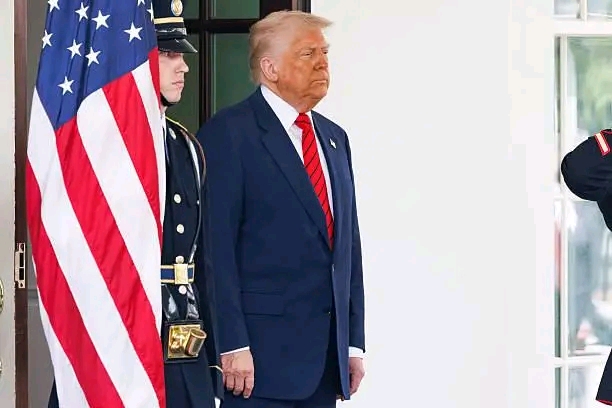
The administration of U.S. President Donald Trump has introduced and proposed a series of measures aimed at tightening immigration controls, with international students among those affected. The changes have created uncertainty for foreign students who are planning to study in the United States, as well as those already enrolled in American universities and colleges.
International students have historically been an important part of the U.S. higher-education system. Thousands of students from Africa, Asia, Europe and other parts of the world travel to the United States every year to pursue undergraduate, master's and doctoral degrees. However, under the Trump administration, students are facing increased scrutiny over their visas, immigration status, employment and length of stay.
Stricter rules for international students
One of the major concerns is the administration's effort to place greater limits on how long international students can remain in the United States under student immigration status.
Under the traditional F-1 system, students are generally admitted for the duration of their academic program, provided they maintain their immigration status and comply with the requirements of their student visa. New proposals and policy changes would give the government greater control over the length of time students can remain in the country.
For some students, this could mean having to request an extension if they need additional time to complete their studies. Students who change their academic programs, transfer institutions or take longer than expected to graduate could therefore face additional administrative requirements.
The changes are particularly significant for students pursuing degrees that take several years to complete. A student who experiences academic difficulties, changes their major or needs extra time to complete a research project could potentially face additional scrutiny.
Greater scrutiny of student visas
Another major concern is increased scrutiny during the visa application process.
Students applying for an F-1 visa must demonstrate that they have been accepted by an approved educational institution, have sufficient financial resources and intend to comply with U.S. immigration rules. Under the Trump administration, immigration officials have been instructed to examine applicants more closely.
This can result in longer processing times and additional questions during visa interviews. Students may be asked to provide more information about their academic history, finances, intended program and plans after graduation.
For students from developing countries, including Kenya and other African nations, this increased scrutiny can be particularly important. Applicants should ensure that their documentation is accurate and consistent and that they can clearly explain why they chose their university and course.
Restrictions involving student employment
International students in the United States are also concerned about restrictions surrounding employment.
F-1 students are allowed to work under specific circumstances. For example, students may qualify for on-campus employment and, in certain circumstances, Curricular Practical Training (CPT) or Optional Practical Training (OPT).
CPT allows eligible students to participate in practical work that is directly connected to their curriculum. OPT, meanwhile, allows eligible students to gain practical experience related to their field of study.
The administration has been increasing scrutiny of these programs because officials are concerned that some students or institutions may use them as a way to obtain employment that is not genuinely connected to education.
Universities therefore have an incentive to carefully review applications for practical training. Students who fail to comply with the rules could put their immigration status at risk.
Impact on African students
The changes are particularly important for African students who see American universities as a pathway to quality education and international career opportunities.
The United States remains attractive because of its large number of universities, research opportunities, scholarships and globally recognized qualifications. However, the changing immigration environment means prospective students must now consider immigration policies alongside tuition fees, university rankings and available scholarships.
A Kenyan student planning to study in America, for example, may need to prepare more carefully for the visa interview. Financial documents, academic records, admission letters and evidence supporting the student's plans should be properly organized.
Students should also understand the conditions attached to their immigration status after entering the United States.
Could students be deported?
Maintaining legal immigration status is becoming increasingly important.
International students are expected to comply with the conditions of their visas. Problems can arise if a student stops attending classes, works without authorization, fails to maintain the required academic status or violates other immigration rules.
Under a stricter enforcement environment, students may have less room for mistakes.
This does not mean that every international student is at risk of deportation. Students who follow the rules and maintain valid immigration status can continue pursuing their education. However, students should not assume that immigration violations will be overlooked.
Universities' international student offices and designated school officials can provide guidance about maintaining F-1 status.
What about OPT after graduation?
OPT is another area of significant interest for international students.
Many foreign students rely on OPT to gain professional experience in the United States after completing their degrees. Students in eligible science, technology, engineering and mathematics fields may also qualify for an extension known as STEM OPT.
Changes to immigration policy could affect how students approach employment after graduation. Although international students should not assume that OPT is disappearing, they should closely monitor official government announcements and university guidance because policies can change.
Students who hope to work in the United States after graduation should also understand that obtaining a degree does not automatically guarantee permanent employment or a green card.
Universities are also affected
The new immigration environment affects American universities as well.
International students contribute significantly to universities through tuition payments, research and cultural diversity. Universities therefore have a strong interest in helping students maintain their immigration status.
At the same time, institutions must comply with federal immigration regulations. This can result in additional administrative work for international student offices and greater scrutiny of employment and academic-status requests.
Some universities have warned international students to avoid international travel when their immigration documents are uncertain and to consult their international offices before making major changes to their academic programs.
Should students still apply to the United States?
Despite the restrictions, studying in the United States remains possible for international students.
The changes do not amount to a blanket ban on foreign students. Students from Kenya and other countries can still apply to American universities and seek F-1 visas.
However, prospective students should approach the process more carefully than before. They should select legitimate institutions, understand the costs involved, prepare strong financial documentation and make sure their academic plans are realistic.
They should also avoid relying on social media rumors. Immigration policies can change quickly, and information circulating online may be outdated or incomplete.

You Might Also Like
-
Rosemary Chemutai Koech Kimwatu's death has brought together grief, family disagreements and a legal dispute over burial rights. She was a respected KCB data-protection executive and mother of four who died at the age of 40. Her family initially planned to bury her in Chepseon, Kericho, but her husb
-
Majority Leader Cheruiyot Addresses Kalenjin Media Stations in Exclusive Interview, Backs Ruto for Second Term
-
Siaya Governor James Orengo has intensified his political rhetoric against President William Ruto, using the burial ceremony of Steven Onyango in Homa Bay County to declare his readiness to contest for the presidency.
-
The death of popular Kenyan personality and entertainer Stoopid Boy has left family, friends, fans and the wider entertainment community mourning, with the latest loss coming only about two months after the death of his brother.
-
Interior Cabinet Secretary Kipchumba Murkomen and Inspector General of Police Douglas Kanja have arrived at the National Police College Main Campus in Kiganjo, Nyeri County, ahead of today’s highly anticipated passing-out parade for newly trained police recruits
-
RUTO SET TO LAUNCH NEW KENYA POLICE UNIFORM AFTER 2023 REJECTION