WMO Warns of Strong El Niño Expected to Peak in December 2026
The World Meteorological Organization (WMO) has warned that the El Niño weather phenomenon is expected to reach its peak in December 2026, raising concerns over possible extreme weather conditions across different parts of the world. The developing climate event could trigger significant changes in rainfall patterns, temperatures and atmospheric conditions, increasing the risk of heavy rainfall, flooding, prolonged drought and unusually high temperatures in vulnerable regions. In East Africa, including Kenya, attention is particularly focused on the potential impact of excessive rainfall, flash floods, landslides and disruptions to agricultural activities and infrastructure. Farmers, livestock keepers and communities that depend on seasonal rainfall could face both opportunities and challenges depending on how the weather patterns develop. The WMO is urging governments, meteorological agencies and disaster management authorities to strengthen preparedness, improve early-warning systems and ensure that vulnerable communities receive timely weather updates. With the anticipated peak approaching, countries are being encouraged to take precautionary measures to protect lives, property, food supplies and essential services as the world prepares for possible climate disruptions extending into 2027.
The World Meteorological Organization (WMO) has issued a warning over the intensifying El Niño weather phenomenon, projecting that the climate event will reach its peak in December 2026 before its effects continue to influence weather patterns across different parts of the world into 2027.
The warning has raised concerns among governments, meteorological agencies, farmers, humanitarian organisations and communities that could experience significant changes in rainfall and temperature patterns in the coming months. The anticipated peak is expected to bring heightened risks of extreme weather conditions, including heavy rainfall, flooding, drought and unusually high temperatures in different regions.
According to the WMO, El Niño is already firmly established and is continuing to strengthen as unusually warm ocean temperatures develop across the central and eastern tropical Pacific. Forecasts indicate that the phenomenon could reach very strong intensity towards the end of 2026, making it one of the most significant El Niño events observed in recent decades.
The international weather agency has warned that the strengthening climate phenomenon could significantly disrupt normal seasonal weather patterns, potentially affecting agriculture, food production, water availability, infrastructure and livelihoods. The organisation has therefore called on countries to strengthen preparedness measures and ensure that communities likely to be affected receive timely weather information.
El Niño is a naturally occurring climate phenomenon associated with the unusual warming of surface waters in the central and eastern tropical Pacific Ocean. It is part of a larger climate system known as the El Niño-Southern Oscillation, commonly referred to as ENSO, which influences atmospheric circulation and weather conditions across different parts of the world.
Under normal circumstances, ocean temperatures and atmospheric conditions work together to influence rainfall, wind patterns and temperatures. However, during an El Niño event, changes in ocean temperatures alter these atmospheric conditions, resulting in unusual weather patterns that can affect countries thousands of kilometres away from the Pacific Ocean.
The effects are not experienced equally across the world. While some regions may experience unusually heavy rainfall and increased flooding, others could face prolonged dry conditions, water shortages and rising temperatures. The intensity and nature of these effects depend on geographical location, seasonal conditions and other climate factors.
The WMO has indicated that the current event could become exceptionally strong, with forecasts showing that sea surface temperatures in the central and eastern tropical Pacific could rise to unprecedented levels during the October-November-December period.
The agency's October climate outlook projected that the temperature anomaly in the Niño 3.4 region could reach approximately 3.7 degrees Celsius above the long-term average, with the warming expected to peak around December. Such conditions would represent an exceptionally strong event compared with previous El Niño episodes.
The development has increased concerns about the possibility of widespread climate disruptions, particularly in countries that depend heavily on rainfall for agriculture, livestock production and water supplies.
In East Africa, the anticipated weather changes have drawn attention because of the region's vulnerability to extreme rainfall and flooding. Several communities depend on seasonal rains to sustain farming activities, maintain livestock and support household incomes.
The October-to-December rainfall season is particularly important for millions of people across the region. Increased rainfall in some areas could improve water availability and support agricultural production. However, excessive rainfall could also create serious challenges, including flash floods, overflowing rivers, landslides and destruction of homes and infrastructure.
Kenya is among the countries that must remain vigilant as the region prepares for changing weather conditions. Heavy rainfall can disrupt transportation networks, damage roads and bridges, destroy crops and displace families living in flood-prone areas.
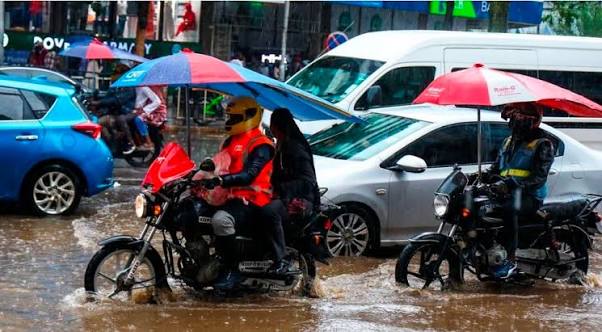
Urban centres are also vulnerable, particularly neighbourhoods with inadequate drainage systems, settlements located near rivers and communities built on waterways and wetlands. Heavy downpours can quickly overwhelm drainage infrastructure, resulting in flooding that affects businesses, schools, homes and essential services.
The situation also presents challenges for farmers who may experience difficulties protecting their crops during periods of excessive rainfall. Although adequate rainfall is essential for successful agricultural production, unusually heavy downpours can destroy planted crops, wash away fertile topsoil and prevent farmers from accessing their farms.
Livestock keepers could equally experience disruptions, especially in areas where flooding damages grazing fields, contaminates water sources and destroys animal shelters. Prolonged periods of extreme weather may also increase the cost of maintaining livestock and accessing essential veterinary services.
The WMO has emphasised that the strength of an El Niño event does not automatically determine the severity of its effects in every country. Other climate systems, including the Indian Ocean Dipole and temperature conditions in the Atlantic Ocean, can influence how the phenomenon affects particular regions.
A positive Indian Ocean Dipole has also been identified as an important factor in the current climate outlook. This climate pattern involves differences in sea surface temperatures between the western and eastern parts of the tropical Indian Ocean. Its development can influence rainfall distribution across East Africa and other neighbouring regions.
The interaction between these climate systems makes accurate weather forecasting particularly important. Meteorological agencies must continuously monitor changing ocean temperatures, atmospheric conditions and rainfall patterns to provide communities with reliable information.
Beyond East Africa, other parts of the world could experience different consequences as El Niño strengthens. Some regions are likely to experience increased rainfall, while others may face drought conditions that threaten agricultural production and water resources.
Countries in parts of Southern Africa, for example, could experience reduced rainfall, raising concerns about crop production, food security and access to water. Prolonged dry conditions may increase pressure on farmers and communities that depend on seasonal rainfall for their livelihoods.
In other regions, unusually high temperatures could increase the risk of heat-related illnesses, strain electricity supplies and place additional pressure on public health systems. Vulnerable populations, including children, older persons and people working outdoors, could face greater exposure to extreme heat.
The potential effects on food production have also become a major concern. Agriculture is particularly sensitive to changes in rainfall and temperature, meaning that prolonged droughts or excessive rainfall can significantly affect harvests and food supply chains.
Farmers may be forced to adjust planting schedules, select different crop varieties or adopt improved water management practices to cope with changing weather conditions. Governments are also being encouraged to support agricultural communities with information and resources that can help reduce potential losses.
The possibility of flooding has equally highlighted the importance of disaster preparedness. Authorities in vulnerable areas are being encouraged to identify high-risk locations, improve drainage systems, strengthen emergency response arrangements and ensure that evacuation plans are in place where necessary.
Communities living near rivers, steep slopes and other flood-prone locations are particularly encouraged to remain alert to weather warnings. Residents should avoid crossing flooded roads and rivers, as fast-moving water can sweep away vehicles and pedestrians.
Local authorities also have an important responsibility to ensure that drainage channels remain clear and that waste materials do not block waterways. Proper land-use planning and enforcement of building regulations could help reduce the damage associated with extreme rainfall.
The WMO has stressed the importance of early-warning systems, noting that accurate forecasts can give governments and communities valuable time to prepare before dangerous weather conditions develop.
Access to timely information can help farmers make informed decisions, enable authorities to organise emergency services and allow vulnerable households to take precautionary measures before disasters occur.
The organisation has also encouraged countries to strengthen cooperation between national meteorological departments, disaster management agencies and humanitarian organisations. Such collaboration is considered essential in ensuring that weather forecasts are translated into practical measures that protect lives and property.
For Kenya, continued monitoring by the Kenya Meteorological Department will remain important in providing region-specific information about rainfall distribution, temperature changes and possible extreme weather events. Residents are encouraged to follow official advisories rather than relying on unverified information circulating on social media.
Despite the concerns surrounding the current El Niño event, experts have maintained that its effects can be managed more effectively through proper planning, public awareness and timely intervention. Governments that invest in climate resilience and disaster preparedness are better positioned to minimise the impact of extreme weather conditions.
The WMO's latest warning serves as a reminder that climate-related risks require coordinated action rather than waiting until disasters occur. With December expected to mark the peak of the current El Niño event, the coming weeks will be particularly important for countries seeking to strengthen their preparedness.
The organisation projects that the phenomenon will remain influential beyond its anticipated December peak, with forecasts indicating a high likelihood of El Niño conditions continuing into February 2027. This means that countries cannot assume that the risks will disappear immediately after December.
As the world prepares for the possibility of more extreme weather conditions, governments, businesses and communities are being urged to take the necessary precautions to protect livelihoods, infrastructure and essential services.
The coming months will therefore be critical in determining how effectively countries respond to the changing climate conditions, with early preparation expected to play a significant role in reducing potential losses and protecting vulnerable populations.

You Might Also Like
-
Two individuals suspected of being members of a criminal gang have been shot dead by police officers following a dramatic pursuit in Bamburi, Mombasa County. The incident has raised renewed attention to security concerns in the coastal region, with questions emerging about the circumstances that led
-
Interior Cabinet Secretary Kipchumba Murkomen has visited the Rome Police Operations Centre in Italy to learn how modern technology is being used to strengthen security operations, improve police coordination and enhance law enforcement. The visit provided an opportunity for the Kenyan delegation to
-
 The Teachers Service Commission (TSC) has appointed Cheptumo Ayabei as its new Secretary and Chief Executive Officer, ushering in a new chapter in the leadership of the institution responsible for managing Kenya's teaching workforce. Ayabei, who previously served as the commission's Director of Fina
-
The Riverside tragedy has left a family devastated after a father of five reportedly lost his life, leaving behind five children to face an uncertain future without his presence. The heartbreaking incident has sparked concern and sympathy, highlighting the emotional and financial challenges families
-
President William Ruto’s 90-day plan to introduce a new basic education law has sparked debate over the management and control of the education sector, with county governments raising concerns about protecting their constitutional responsibilities. The proposed legal reforms are expected to review
-
Former Deputy President Rigathi Gachagua has declared his intention to challenge Johnson Sakaja and Ronald Karauri in the 2027 Nairobi gubernatorial race, signalling an increasingly competitive battle for City Hall. Gachagua has maintained that the Democratic Change Party (DCP) will not enter into z