



National Assembly to Vet New Cabinet Secretaries Appointees George Ruku & Hanna Wendot on April 14
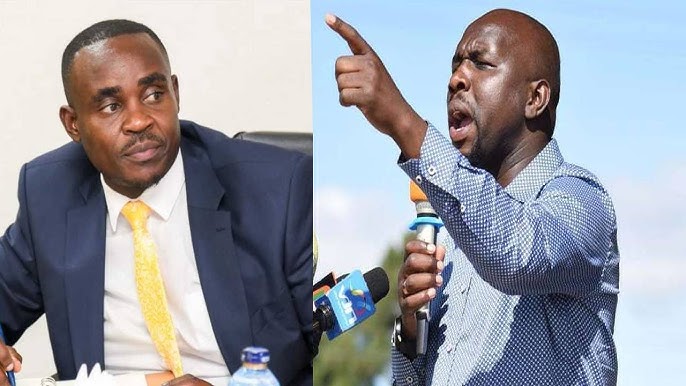
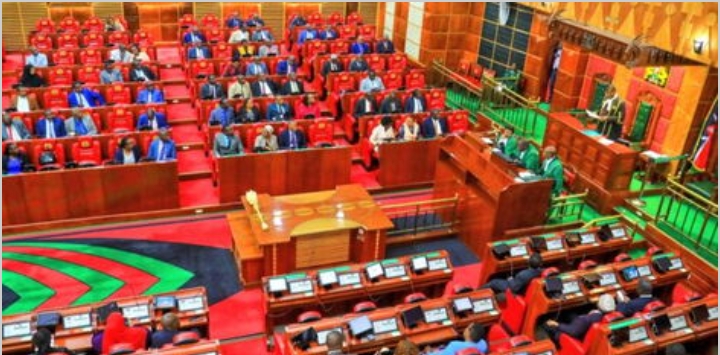
The newly appointed Cabinet Secretary for Public Service and Human Capital Development, George Ruku, and Gender and Culture, Hanna Wendot Cheptum, will be vetted on April 14, the National Assembly has announced.
The National Assembly has extended an invitation to the general public, encouraging them to come forward with any concerns or objections they might have regarding the recent appointment of two individuals to Cabinet Secretary positions. This move aligns with the principles of transparency and public participation in governance, allowing citizens to actively take part in the vetting process of high-ranking government officials. Kenyans who have any reservations or objections about the suitability of the nominated candidates—Ruku and Wendot—are encouraged to submit written statements under oath. These statements must be accompanied by credible and verifiable supporting evidence that questions the fitness of the two nominees to serve in their respective roles as Cabinet Secretaries.
The public memoranda, commonly referred to as memoranda of negation, are to be formally addressed to the Clerk of the National Assembly. Citizens have been given several avenues to submit their statements: they may hand-deliver the documents to the Clerk’s office located within the Parliament buildings in Nairobi or choose to submit them electronically via email. The National Assembly has set a strict deadline for the submission of these memoranda, with the cutoff being 5:00 p.m. on April 10. This deadline gives the public a short window to gather their thoughts, compile evidence, and raise any legitimate concerns they might have regarding the nominees past conduct, qualifications, or ability to perform the duties of the Cabinet Secretary roles.
Ruku, a Member of Parliament, was recently nominated to the Cabinet in a reshuffle initiated by President William Ruto. He is expected to replace outgoing CS Justin Muturi. Along with Wendot, both appointees are required to present themselves with original copies of their identity cards, academic credentials, and other supporting documents that substantiate their professional backgrounds and achievements. These documents will be reviewed as part of the vetting process to determine their suitability for public service at the cabinet level.
According to President Ruto, the decision to remove Justin Muturi from his Cabinet position was driven by concerns over his consistent absenteeism from Cabinet meetings and an apparent lack of commitment to fulfilling his official responsibilities. The President stated that a Cabinet Secretary is expected to be fully engaged, responsive, and participatory in national policymaking, and any lapse in these areas calls into question their effectiveness in the role.
However, the circumstances surrounding Muturis dismissal have taken a political twist. In a sharp and defiant response, Muturi challenged the President’s justification for his removal. He claimed that his sacking had less to do with his attendance and more to do with his outspoken criticism of ongoing human rights violations in the country. Specifically, Muturi revealed that he had taken a firm public stance against the alarming rise in cases of forced disappearances and extrajudicial killings, which have sparked outrage among human rights organizations and the general public alike.
He went on to disclose that he had formally recorded a statement with the Directorate of Criminal Investigations (DCI) to express his concerns about these serious issues. According to Muturi, his activism on behalf of victims of state-sponsored violence and his insistence on accountability may have made him a target within the administration. Despite his ousting, Muturi remained undeterred, firmly asserting his commitment to justice and the rule of law.
In his own words, Muturi declared, "If their intention is to silence me, they have dialed the wrong number, for I will never tire of championing for the rights of the people of Kenya." His powerful statement has resonated with many Kenyans who feel that their voices are often suppressed when they question government actions or demand accountability from those in power.
This unfolding saga has ignited a national conversation on the integrity of government processes, the role of civil society in governance, and the importance of maintaining democratic values in the face of political pressure. As the vetting of Ruku and Wendot proceeds, the public’s participation and scrutiny may prove instrumental in ensuring that only individuals of unquestionable character and competence are entrusted with leadership roles that have a significant impact on national policy and the lives of millions of citizens.

You Might Also Like
-
Interior Minister Kipchumba Murkomen has criticised journalists for questioning his remarks suggesting that police officers can ask citizens for fuel for their vehicles when they are called to security agencies. Speaking amid public outrage.
-
Senator Karen Nyamu has slammed Isiolo MCAs for pushing an impeachment motion against Governor Abdi Guyo without following legal procedures. She called the move a "dangerous joke" lacking evidence and due process. The Senate was forced to suspend proceedings amid a growing standoff.
-
Interior CS Kipchumba Murkomen questioned Cleophas Malala’s involvement in the National Drama Festivals. He criticized the use of student plays for political messaging, urging that scripts be left to teachers. This followed Butere Girls’ walkout over alleged mistreatment during the event.
-
It is January and every person has a new year resolution they believe will make them better. For the majority, losing weight is usually at the very top to starve off lifestyle diseases and lead a healthier and happier life.
-
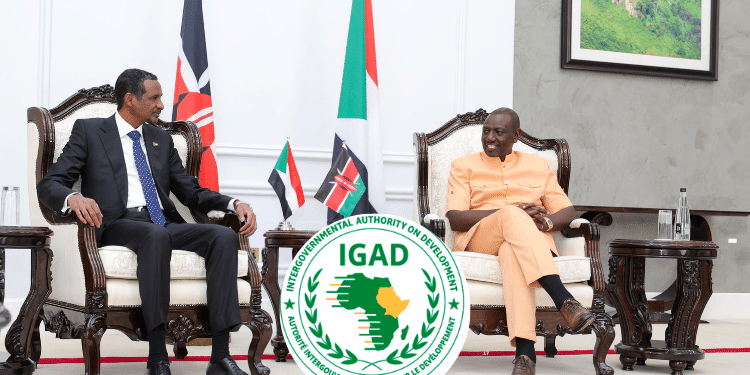
The African Unions (AU) regional economic community, the Intergovernmental Authority on Development (IGAD), has denied allegations in a letter that it supported President William Ruto's hosting of the Rapid Support Forces (RSF), a Sudanese rebel group.