



NTSA Questioned Over Unused Smart Cards Worth Ksh788 Million
The National Transport and Safety Authority (NTSA) had a hard time on Tuesday before Parliament over the slow implementation of the Smart Driving License project, which has been plagued by delays and inefficiencies.
Appearing before the Public Investments Committee (PIC) on Governance and Education chaired by Jack Wamboka, NTSA Director General George Njao was questioned about the project stagnation and supposed wastage of public funds on the procurement of smart cards for the Smart Driving Licence project.
According to an audit report presented during the meeting, NTSA procured 4,042,050 smart cards at Ksh1.19 billion. However, as of March 2025, only 1,479,176 cards had been printed and issued over six years. This meant that 2,562,874 smart licenses—valued at Ksh788 million—are lying unused in NTSA stores, raising concerns over mismanagement and lack of urgency in implementing the digital transition. The lawmakers criticised the NTSA for failing to meet the initial three-year project timeline, which was meant to conclude in March 2020.
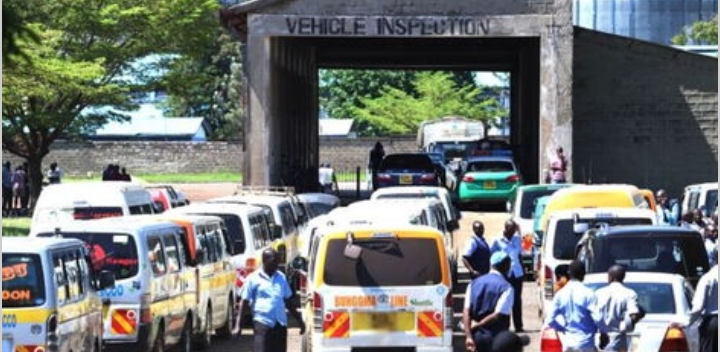
The committee expressed concerns that the delay, now in its fourth year, not only risked wasting public funds but also undermined efforts to modernise Kenya’s transport sector. NTSA officials admitted to the delays but assured lawmakers that plans were in place to accelerate production and issuance. Beyond the Smart Licence rollout, MPs also questioned NTSA on other governance issues, including the lack of a clear policy on issuing laptops to board members and the agencys failure to account for 15 parcels of land used for motor vehicle inspection.
Lawmakers demanded that NTSA fast-track the land valuation process and ensure the properties are officially recorded in financial statements by June 30, 2025. In a bid to ensure equal access to the safety body’s services across the country, lawmakers called for affirmative action to ensure NTSA services are accessible in all 47 counties. The committee further raised concerns over unequal service distribution, noting that some regions had multiple NTSA offices while others had none, making it difficult for citizens to access essential transport services. The PIC vowed to push for reforms to ensure that NTSA improves efficiency, enhances transparency, and prevents wastage of taxpayer funds in future projects.
Beyond the financial concerns, the committee also scrutinized NTSAs operational challenges and accountability. Legislators raised concerns that the agency had failed to adhere to established procurement guidelines, particularly in the acquisition of the smart driving license materials. They emphasized the importance of oversight to ensure that public funds are utilized effectively. The lawmakers insisted that NTSA should provide a clear timeline for the completion of the Smart Driving Licence project and address any bottlenecks hindering its rollout.
Further discussions revealed that NTSA had also faced challenges in integrating the smart licenses into a broader transport management system. Some MPs questioned whether the procurement of the cards was done with a long-term digital strategy in mind, or if the agency had simply acquired the cards without a structured implementation plan. The committee demanded that NTSA submit a detailed report outlining steps taken to address these challenges and ensure full utilization of the procured smart cards.
Moreover, the audit report indicated gaps in NTSA’s financial management, including unaccounted expenditures and procurement inconsistencies. Lawmakers noted that the agencys budgetary allocations did not always align with the expected outcomes, leading to inefficiencies in project execution. They emphasized the need for the NTSA to establish a robust financial tracking system to enhance transparency and accountability.
The issue of NTSA’s operational efficiency extended beyond the Smart Driving Licence project. Legislators also raised concerns about the general management of road safety initiatives, particularly the effectiveness of NTSA’s efforts in curbing road accidents. Some MPs pointed out that despite various interventions, road carnage remained a significant issue in Kenya. They called for a comprehensive review of NTSA’s strategies to ensure that the agency fulfills its mandate effectively.
In response, NTSA officials acknowledged the concerns raised and committed to implementing reforms to improve service delivery. They assured the committee that the agency was working on expediting the issuance of smart licenses and addressing the procurement and governance issues highlighted in the audit report. Additionally, NTSA pledged to enhance collaboration with other government agencies to streamline operations and ensure efficient service delivery across all counties.
The committee concluded the session by urging NTSA to provide periodic progress reports on the Smart Driving Licence project and other ongoing initiatives. MPs warned that failure to implement the necessary changes could result in further scrutiny and potential sanctions. The legislators emphasized that NTSA must adopt a proactive approach to addressing inefficiencies and ensuring that public resources are used responsibly.
As the government continues to push for digital transformation in the transport sector, the success of projects like the Smart Driving Licence initiative remains crucial. The PIC reiterated its commitment to holding government agencies accountable and ensuring that taxpayer funds are utilized effectively. Moving forward, the committee expects NTSA to align its operations with best practices in governance and service delivery to enhance efficiency and improve public trust in the institution.

You Might Also Like
-
Interior Minister Kipchumba Murkomen has criticised journalists for questioning his remarks suggesting that police officers can ask citizens for fuel for their vehicles when they are called to security agencies. Speaking amid public outrage.
-
Senator Karen Nyamu has slammed Isiolo MCAs for pushing an impeachment motion against Governor Abdi Guyo without following legal procedures. She called the move a "dangerous joke" lacking evidence and due process. The Senate was forced to suspend proceedings amid a growing standoff.
-
Interior CS Kipchumba Murkomen questioned Cleophas Malala’s involvement in the National Drama Festivals. He criticized the use of student plays for political messaging, urging that scripts be left to teachers. This followed Butere Girls’ walkout over alleged mistreatment during the event.
-
It is January and every person has a new year resolution they believe will make them better. For the majority, losing weight is usually at the very top to starve off lifestyle diseases and lead a healthier and happier life.
-
The African Unions (AU) regional economic community, the Intergovernmental Authority on Development (IGAD), has denied allegations in a letter that it supported President William Ruto's hosting of the Rapid Support Forces (RSF), a Sudanese rebel group.