




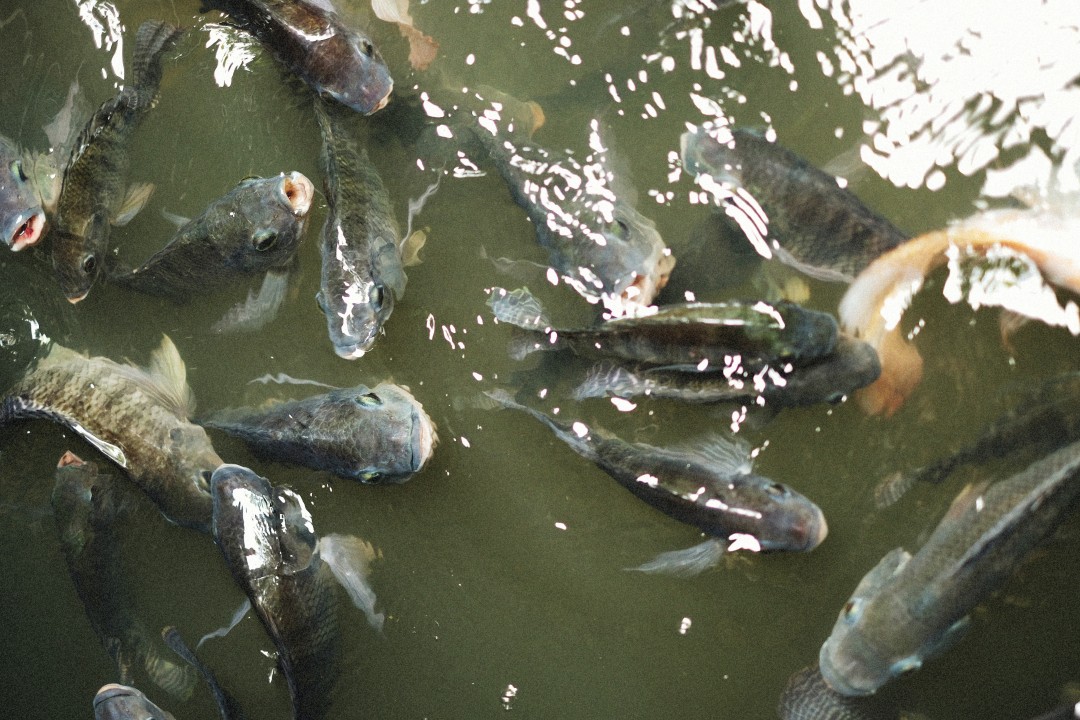
The Harvest of Hope Lukas Fish Farm Revolution
In a Kenyan village grappling with dwindling fish stocks in Lake Victoria, Luka, a young visionary, challenges generations of tradition to embrace a new, sustainable path: fish farming. Despite initial skepticism and setbacks, Luka's perseverance transforms a barren plot into a thriving tilapia pond. His success inspires his community, leading to a cooperative movement that provides a consistent income, improves nutrition, and fosters a renewed sense of purpose. This is a story of innovation, resilience, and the power of community to cultivate hope and prosperity in the face of environmental challenges.
In the heart of Kisumu County, Kenya, nestled beside the shimmering waters of Lake Victoria, lived a young man named Luka. For generations, his family had been fishermen, casting their nets into the vast lake, their lives dictated by its unpredictable bounty. But lately, the lake had been less generous. Overfishing, pollution, and climate change had dwindled the fish stocks, leaving many families like Lukas struggling to survive.
Luka, however, was a visionary. He’d heard whispers of a new way, a sustainable way, to provide for his family and community: fish farming. The idea took root in his mind, growing with each meager catch from the lake. He spent countless hours at the local internet cafe, poring over articles about aquaculture, learning about different fish species, pond construction, and feeding techniques. His family, steeped in the traditions of open-water fishing, were skeptical. "The lake provides, Luka," his grandfather would grumble, "always has, always will."
Undeterred, Luka invested his meager savings in a small plot of land a little ways inland from the lake. It was a sun-baked patch, but with determination, he began to dig. Day after day, under the blazing Kenyan sun, he toiled, shaping the earth into what would soon become his first fish pond. He learned about tilapia, a hardy and fast-growing species, ideal for aquaculture in the region. He researched their diet, their breeding habits, and the optimal water conditions for their growth.
His first setback came quickly. After meticulously filling his pond, a sudden, heavy downpour caused the banks to overflow, washing away a significant portion of his precious fingerlings. Despair threatened to consume him, but Luka remembered a proverb his grandmother always said: "A fall is not the end of the journey, but a chance to choose a new path." He reinforced his pond banks, improved his drainage system, and started again, this time with even greater care.
Slowly, his efforts began to bear fruit. He learned to monitor water quality, adjust feeding schedules, and even manage the occasional disease outbreak with homemade herbal remedies he learned from a local agricultural extension officer. Word of his thriving pond spread throughout the village. Neighbors, initially dismissive, started to visit, their curiosity piqued by the sight of plump tilapia darting beneath the waters surface.
Luka, never one to hoard knowledge, shared his insights freely. He taught others how to construct their own ponds, how to mix feed, and how to identify signs of healthy fish. He even helped them secure small loans from a microfinance institution. Soon, what started as one mans dream blossomed into a community-wide initiative. Several families began their own fish farms, transforming barren land into vibrant, productive aquaculture sites.
The impact was profound. No longer were families solely reliant on the dwindling catches from Lake Victoria. They had a consistent, reliable source of income and protein. Children, once thin and listless, grew stronger, nourished by the fresh, affordable fish. The local market, once dominated by lake-caught fish, now boasted an abundance of farm-raised tilapia, much to the delight of consumers.
Luka’s vision extended beyond just individual ponds. He envisioned a cooperative, where farmers could collectively purchase feed, market their produce, and share best practices. He believed that by working together, they could achieve even greater success. The cooperative not only streamlined their operations but also gave them a stronger bargaining position with buyers, ensuring fair prices for their hard-earned produce.
Years passed, and Luka, now a respected elder in the community, often sat by his original pond, the water teeming with life. He watched as children, the next generation, learned the art of fish farming from their parents, just as he had learned from his own struggles and triumphs. The lake still held its magic, but it was now supplemented by the silent, steady hum of the fish farms, a testament to innovation, resilience, and the power of a community working together to forge a sustainable future. Luka had not only brought fish to his village but had also cultivated hope, prosperity, and a renewed sense of purpose.