ACK Archbishop Jackson Ole Sapit Urges Government to Strengthen Measures Against Ebola
The reported call by ACK Archbishop Jackson Ole Sapit for the government to strengthen measures against Ebola highlights the importance of preparedness, accountability and cooperation in protecting public health. Kenya needs adequate protective equipment, trained healthcare workers, functional isolation facilities, effective contact tracing, reliable laboratory services and stronger surveillance at points of entry. National and county governments must coordinate their efforts, while religious leaders and community organisations can help educate the public and counter misinformation. The country's reported preparedness measures and international assistance provide a foundation for action, but continued monitoring and investment remain essential.
The Anglican Church of Kenya (ACK) Archbishop, the Most Rev. Jackson Ole Sapit, has called for stronger government measures to combat the Ebola threat, emphasizing the need for effective preparedness, improved healthcare services, public awareness and protection of frontline health workers. His reported concerns come at a time when disease surveillance, emergency response planning and public cooperation are essential in preventing the spread of dangerous infectious diseases.
The call highlights the important role played by religious leaders in encouraging the government to prioritize public health while urging Kenyans to remain vigilant and follow guidance from qualified health professionals. As communities continue to depend on hospitals, health centres and public health officers for reliable information, stronger prevention measures are crucial to reducing the risk of infection and protecting vulnerable populations.The reported appeal attributed to Archbishop Ole Sapit raises an important national question: whether the government is doing enough to protect citizens from the threat of Ebola and other infectious diseases.
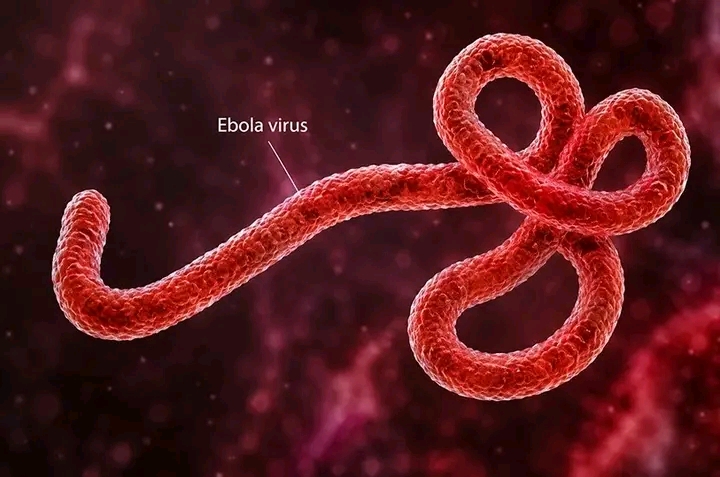
Ebola is a serious viral disease that can cause severe illness and death. It can spread through direct contact with the blood or other bodily fluids of an infected person, or through contaminated objects. The virus can also spread through contact with the body of someone who has died from the disease.
Kenya’s preparedness became a major public concern after the country confirmed an imported case of Bundibugyo virus disease in October 2026. The Ministry of Health reported that the patient had travelled from the Democratic Republic of Congo, where the disease had been reported. Improving protective equipment for health workers
One of the most important measures in fighting Ebola is ensuring that health workers have adequate, high-quality protective equipment.
Doctors, nurses, clinical officers, laboratory technicians and public health officers may encounter suspected cases before the disease has been confirmed. Without appropriate protection and training, they could be exposed to infection while providing care.
In October 2026, health professionals in Kenya raised concerns about the availability of protective equipment and the readiness of isolation facilities. The Kenya Medical Association and the Kenya Union of Clinical Officers called for adequate personal protective equipment, operational isolation units and stronger surveillance at points of entry. Kenya’s international connections make border surveillance an important part of its public health strategy. Travellers arrive by air, road and other transport routes from countries with different disease risks, making early detection essential.
However, temperature screening alone cannot identify every infected person. Some people may not have noticeable symptoms when they arrive, while others may develop symptoms later.
The Ministry of Health reported on October 7, 2026, that more than 652,000 travellers had been screened and 267 samples tested as part of Kenya’s preparedness efforts. It also reported that nearly 5,000 healthcare providers had received training in Ebola prevention and case management. Increasing funding and improving healthcare facilities
Effective disease prevention requires adequate financing. The government must ensure that national and county health departments have sufficient resources to prepare for emergencies and maintain essential services.
Funding should cover protective equipment, laboratory testing, isolation facilities, staff training, transport for emergency response teams and public education programmes.
Kenya has already received support from international partners. On October 12, 2026, the World Health Organization announced the delivery of medical supplies worth approximately US$70,000 to support the country's response. The supplies included protective equipment, testing materials, thermometers and items for safe handling of medical waste.Archbishop Ole Sapit’s reported appeal also draws attention to the potential role of religious institutions in promoting public health awareness.
Churches have strong connections with communities across Kenya. Religious leaders can help communicate prevention messages, encourage people to seek medical attention and discourage the spread of rumours.
The Anglican Church of Kenya and other religious institutions can work with county health departments to organise awareness programmes in churches, community meetings and local outreach activities.
Public education should explain how Ebola spreads, the importance of avoiding contact with bodily fluids from infected people, and the need to follow official health instructions.Fighting misinformation and public panic
During a disease scare, rumours can spread quickly through social media, messaging platforms and informal community conversations.
False claims about infected people, hospitals or the source of an outbreak can cause fear and confusion. Misinformation may also encourage people to use unproven remedies or avoid medical facilities when they need help.
The government should provide timely, accurate and understandable updates through official websites, radio, television, public announcements and social media.Strengthening county governments and community health services
The fight against Ebola cannot be left to the national government alone. County governments are responsible for many of the health services through which suspected cases may first be identified.
County hospitals, health centres and community health workers need clear procedures for identifying possible infections and referring patients safely.
The national government should work with county administrations to assess emergency preparedness, identify gaps in equipment and personnel, and ensure that health facilities can communicate rapidly with response teams.International cooperation and regional disease surveillance
Ebola preparedness also requires cooperation between Kenya and its regional and international partners.
Infectious diseases do not respect national borders. Countries therefore need systems for sharing information about outbreaks, monitoring cross-border movement and coordinating responses when necessary.
The World Health Organization has supported Kenya's Ebola response through medical supplies, training and technical assistance. Kenya has also reported working with regional and international partners to strengthen surveillance and preparedness. The government should regularly assess whether protective equipment is available, isolation facilities are operational, staff have received training and suspected cases can be tested promptly.
Public reporting can help identify areas where additional assistance is required. Procurement processes should be transparent, with measures to prevent wastage, corruption and the purchase of substandard medical supplies.
Long-term investment is equally important. Kenya needs a health system capable of responding not only to Ebola but also to other infectious diseases and public health emergencies.
Investment in laboratories, disease surveillance, medical research, emergency transport and trained personnel can improve the country's ability to detect and contain future threats.Kenyans should seek medical advice promptly if they develop concerning symptoms after a possible exposure to Ebola. They should inform healthcare professionals about relevant travel or contact history and follow instructions from public health authorities.
The public should avoid direct contact with the blood and bodily fluids of suspected or confirmed patients and should not handle the bodies of people who may have died from the disease. Such situations require trained personnel following appropriate safety procedures.
People should also avoid sharing unverified reports about suspected cases and should not discriminate against individuals because of their travel history or suspected exposure.
The Ministry of Health has identified 719 as its toll-free health information line for Ebola guidance and other health concerns. Kenyans can use this number to seek guidance and should also consult official Ministry of Health communications for current instructions.

You Might Also Like
-
The Kenya Medical Association's call for adequate protective equipment highlights a fundamental requirement for effective Ebola prevention: healthcare workers must be protected before they can safely protect others. The government, county administrations and hospital managers need to ensure that PP
-
The National Assembly has approved the Elections (Amendment) Bill, 2024, which seeks to remove the legal requirement for the Independent Electoral and Boundaries Commission (IEBC) to livestream the announcement of election results at polling stations. The proposed change has sparked renewed attentio
-
Public university students are threatening to join the ongoing nationwide strike by lecturers and non-academic staff as the labour dispute enters its third week, raising fresh concerns over the future of learning in Kenya’s public universities. Students at the University of Nairobi staged demonstr
-
Hon. Gladys Boss Shollei has highlighted President William Ruto’s “Usawa ni Sawa” slogan as a reflection of his administration’s commitment to fairness, equal opportunities and inclusive development. She noted that the initiative seeks to ensure every Kenyan benefits from national resources
-
The arrest of 76 suspects in Kitale over alleged criminal activities has brought renewed attention to security in Trans Nzoia County and to the troubling disappearance of Lilly Cherono Kimutai, wife of retired police officer Michael Kimutai. The reported arrest of two suspects linked to the case of
-
The Anti-Counterfeit Authority's push for stronger regional cooperation and more consistent legal frameworks reflects the reality that counterfeit trade crosses borders and cannot be defeated by isolated national action. Kenya's engagements with Tanzania, Uganda, WIPO and other African partners dem