Gladys Boss Shollei Says Ruto’s ‘Usawa ni Sawa’ Slogan Promotes Fairness and Equal Opportunities for All Kenyans
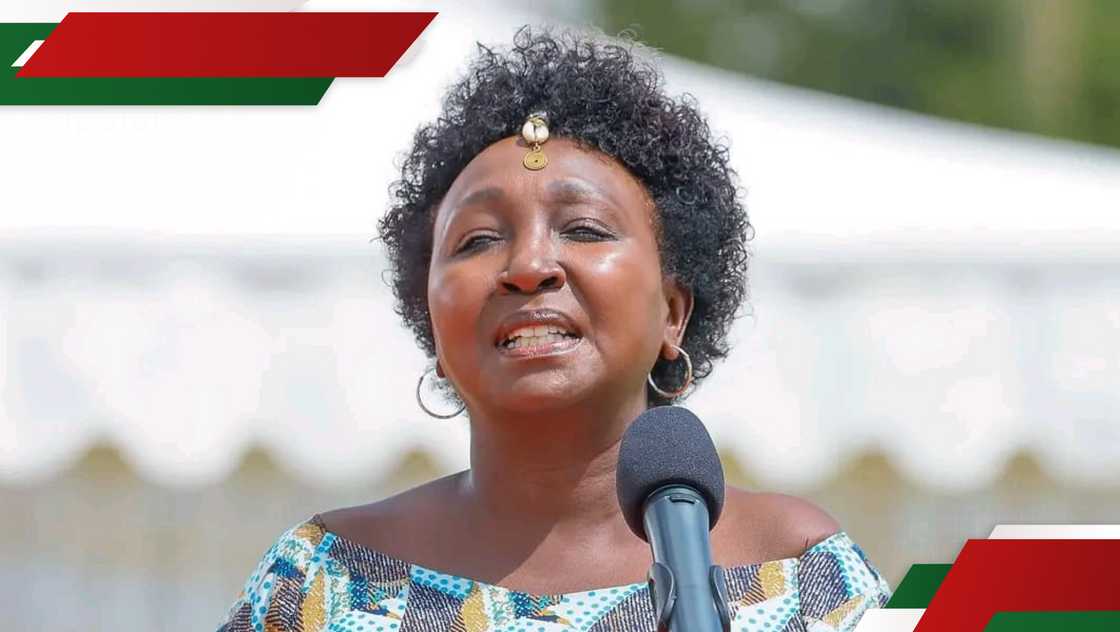
Hon. Gladys Boss Shollei has highlighted President William Ruto’s “Usawa ni Sawa” slogan as a reflection of his administration’s commitment to fairness, equal opportunities and inclusive development. She noted that the initiative seeks to ensure every Kenyan benefits from national resources and government programmes, regardless of their social or economic background. Shollei also emphasised the importance of empowering ordinary citizens, promoting social justice and improving access to essential services such as education, healthcare, infrastructure and economic opportunities. She said equitable development is key to ensuring that all communities participate in and benefit from Kenya’s national progress.
Hon. Gladys Boss Shollei has highlighted the significance of President William Ruto’s “Usawa ni Sawa” slogan, describing it as a reflection of the government’s commitment to fairness, equal opportunities and inclusive development for all Kenyans. She said the principle seeks to ensure that every citizen has an opportunity to benefit from national resources, government programmes and development initiatives regardless of their social, economic or geographical background.
Shollei emphasised that the concept of equality should remain central to the country’s development agenda, noting that every Kenyan deserves an opportunity to improve their living standards and contribute to national progress. She explained that inclusive governance requires policies and programmes that recognise the needs of different communities and ensure that development opportunities are not concentrated in a few regions or among particular groups.
The remarks underline the importance of creating a society where citizens have fair access to education, healthcare, employment opportunities, infrastructure and other essential services. Under this approach, development should be measured not only by the amount of money allocated to projects but also by the number of people who benefit from them and the extent to which those projects improve their lives.
Shollei's comments also draw attention to the responsibility of government institutions to ensure that public resources are managed in a way that serves the interests of the entire population. Public funds are collected from citizens and businesses, making accountability and fairness important considerations when determining how the resources should be distributed.
For many Kenyans, access to government services and economic opportunities remains a significant concern. Communities in rural areas may face challenges related to poor road networks, limited healthcare facilities, inadequate access to clean water and insufficient employment opportunities. In urban centres, residents may struggle with the high cost of living, housing challenges, unemployment and pressure on public services.
An inclusive development agenda seeks to address these differences by ensuring that policies respond to the realities experienced by different communities. It requires governments to identify areas where services are inadequate and direct resources towards addressing those gaps while maintaining fair and transparent systems for allocating public funds.
The “Usawa ni Sawa” slogan, as described by Shollei, places emphasis on the principle that every Kenyan should have a chance to participate in and benefit from the country's economic and social progress. This includes young people seeking employment, farmers looking for reliable markets, small business owners trying to expand their enterprises and families seeking better access to education and healthcare.
Economic empowerment is an important component of this vision because equal opportunities cannot be achieved through public declarations alone. Citizens need practical ways to generate income, develop their skills and participate in productive economic activities. Government policies that support small businesses, improve access to affordable financing and encourage investment can help create opportunities for people across different income groups.
Small and medium-sized enterprises play a major role in Kenya's economy by creating jobs, supplying goods and services and supporting livelihoods in towns and rural communities. Providing these enterprises with a supportive business environment can help them grow and employ more people.
Access to credit, business training, markets and reliable infrastructure can make a significant difference to entrepreneurs who want to expand their operations. When economic programmes are designed to reach people who have traditionally faced barriers to financing and business opportunities, they can contribute to broader participation in economic growth.
Agriculture is another important sector in which inclusive development can improve livelihoods. Many households depend on farming for income and food security, yet producers may face challenges involving the cost of farm inputs, changing weather patterns, transport expenses and limited access to markets.
Investments in rural roads, irrigation, storage facilities, agricultural extension services and market access can help farmers improve productivity and reduce losses. Fair access to these services can also enable smaller producers to compete more effectively and benefit from opportunities in the agricultural value chain.
Shollei's emphasis on equitable development also highlights the importance of education as a pathway to social and economic mobility. Quality education equips children and young people with knowledge and skills that can help them secure employment, start businesses and participate in national development.
However, equal opportunities in education require more than ensuring that children are enrolled in school. Schools must have adequate classrooms, trained teachers, learning materials, sanitation facilities and appropriate infrastructure. Students from disadvantaged backgrounds may also require additional support to overcome financial and social barriers that interfere with their learning.
Technical and vocational training is equally important in preparing young people for employment in sectors that require practical skills. Strengthening vocational institutions and aligning training programmes with labour market needs can help learners acquire skills relevant to construction, manufacturing, agriculture, information technology and other industries.
Healthcare is another area where fairness and equal access remain essential. Citizens should be able to obtain necessary medical services without facing unreasonable financial or geographical barriers. Communities located far from major hospitals may require better-equipped local facilities, adequate medical personnel and reliable supplies of essential medicines.
An inclusive healthcare system also requires attention to vulnerable groups, including children, older persons, persons with disabilities and households with limited financial resources. Improving access to preventive services, maternal care, emergency treatment and essential medicines can help reduce inequalities in health outcomes.
Infrastructure development also plays a major role in connecting communities to economic opportunities. Roads, electricity, water systems and digital connectivity can influence whether businesses operate efficiently, farmers reach markets and students access learning resources.
For example, a well-maintained road can reduce transport costs, improve access to health facilities and enable traders to move products more efficiently. Reliable electricity can support businesses, improve services in public institutions and create opportunities for manufacturing and digital enterprises.
Expanding access to these services in underserved areas can help reduce regional disparities and create a stronger foundation for economic growth. Nevertheless, projects must be selected according to clearly established needs, implemented efficiently and maintained to ensure that their benefits continue over time.
Shollei's remarks also point to the importance of social justice in public policy. Fairness requires that citizens be treated with dignity and that access to government services is not determined by political connections, personal relationships or other forms of favouritism.
Public institutions must apply established rules consistently and provide citizens with clear information about eligibility for government programmes. Transparent procedures can help prevent discrimination and ensure that support reaches the intended beneficiaries.
Accountability is equally important in ensuring that development initiatives achieve their objectives. Government agencies should provide information about how public funds are allocated, how projects are implemented and whether the intended outcomes are being achieved.
Where programmes involve financial assistance, procurement or the distribution of benefits, strong oversight mechanisms can help identify irregularities and reduce the risk of resources being misused. Citizens should also have accessible channels through which they can raise concerns and seek clarification about public decisions.
Public participation can further strengthen inclusive governance by allowing communities to contribute to decisions that affect their lives. Residents often understand the challenges in their areas and can help identify the projects that would provide the greatest benefit.
Consultations with local communities can help governments establish priorities, improve project planning and identify possible implementation challenges. When public participation is meaningful, citizens are better positioned to understand government decisions and assess whether development programmes reflect their needs.
The principle of equal opportunity also extends to women and young people, who represent a significant proportion of Kenya's population. Supporting their participation in education, employment, entrepreneurship and leadership can help expand the country's economic potential.
Women-owned businesses may benefit from improved access to financing, markets and business development services, while young people require opportunities to acquire skills, find employment and participate in innovation. Removing unnecessary barriers to participation can help ensure that talent and ambition are not limited by circumstances beyond an individual's control.
Persons with disabilities also need accessible public facilities, inclusive education, employment opportunities and effective participation in decision-making. Development planning that considers accessibility from the beginning can help ensure that public infrastructure and services serve a wider section of the population.
At the same time, achieving equitable development requires careful management of national resources. Government spending must be guided by public priorities, realistic financial planning and a clear assessment of expected benefits. Resources are limited, and decisions about public expenditure must balance competing needs while protecting essential services.
The effectiveness of the “Usawa ni Sawa” principle will therefore depend on how equality and inclusion are translated into practical programmes and measurable outcomes. Citizens need to see whether public investments are improving services, creating opportunities and addressing inequalities that affect their daily lives.
Regular monitoring can help determine whether programmes are reaching their intended beneficiaries and whether adjustments are necessary. It can also provide information that helps policymakers identify successful interventions and address weaknesses in implementation.
For communities, the promise of equitable development is closely connected to tangible improvements, including better roads, reliable electricity, accessible healthcare, quality education, clean water and opportunities to earn a living. These are the areas through which citizens can assess the practical impact of government policies.
The principle also requires a recognition that equal treatment does not always mean providing identical support to every community. Areas facing greater infrastructure gaps or long-standing barriers to essential services may require targeted interventions to ensure that residents can access comparable opportunities.
Such interventions should be based on transparent criteria, reliable information and clearly identified needs. This approach can help ensure that public resources are directed towards reducing disparities while maintaining accountability and fairness.
Shollei's remarks present “Usawa ni Sawa” as a principle centred on fairness, inclusion and shared national progress. The message is that development should create opportunities for citizens across the country rather than leave particular communities or groups behind.
For the government, the challenge lies in ensuring that policies and public investments deliver meaningful results. For citizens, access to reliable information, participation in public decision-making and accountability from leaders remain important in ensuring that development programmes meet their intended objectives.
As Kenya continues to pursue economic growth and improved public services, the debate over equitable development will remain an important part of national policy discussions. The success of this approach will ultimately depend on whether citizens experience greater access to opportunities, improved living standards and fair treatment by public institutions.
Shollei's message reinforces the importance of building a country in which every Kenyan has an opportunity to contribute to national development and benefit from its progress. Through transparent governance, responsible management of public resources and policies that respond to the needs of diverse communities, the principle of equal opportunity can become a practical part of Kenya's development journey.

You Might Also Like
-
The reported call by ACK Archbishop Jackson Ole Sapit for the government to strengthen measures against Ebola highlights the importance of preparedness, accountability and cooperation in protecting public health. Kenya needs adequate protective equipment, trained healthcare workers, functional isol
-
The Kenya Medical Association's call for adequate protective equipment highlights a fundamental requirement for effective Ebola prevention: healthcare workers must be protected before they can safely protect others. The government, county administrations and hospital managers need to ensure that PP
-
The National Assembly has approved the Elections (Amendment) Bill, 2024, which seeks to remove the legal requirement for the Independent Electoral and Boundaries Commission (IEBC) to livestream the announcement of election results at polling stations. The proposed change has sparked renewed attentio
-
Public university students are threatening to join the ongoing nationwide strike by lecturers and non-academic staff as the labour dispute enters its third week, raising fresh concerns over the future of learning in Kenya’s public universities. Students at the University of Nairobi staged demonstr
-
The arrest of 76 suspects in Kitale over alleged criminal activities has brought renewed attention to security in Trans Nzoia County and to the troubling disappearance of Lilly Cherono Kimutai, wife of retired police officer Michael Kimutai. The reported arrest of two suspects linked to the case of
-
The Anti-Counterfeit Authority's push for stronger regional cooperation and more consistent legal frameworks reflects the reality that counterfeit trade crosses borders and cannot be defeated by isolated national action. Kenya's engagements with Tanzania, Uganda, WIPO and other African partners dem