CS Alice Wahome Backs Government Development Projects in Maragua, Calls for Continued Focus on Service Delivery
Cabinet Secretary Alice Wahome has defended President William Ruto's development agenda in Murang'a, highlighting road infrastructure, affordable housing, modern markets and student hostels. Recent reporting also points to major initiatives relevant to Maragua, including the 764-unit Makuyu housing development, electricity connectivity projects and a planned KSh300 million land registry serving Murang'a South. These initiatives have the potential to improve housing access, support businesses, create employment and bring essential government services closer to residents. Their success will depend on implementation, transparency, affordability and accountability.
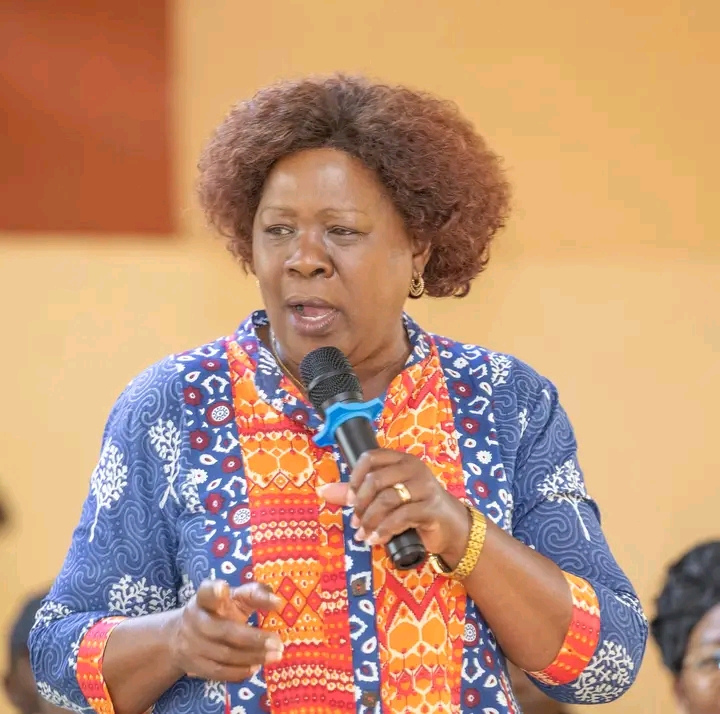
Cabinet Secretary for Lands, Public Works, Housing and Urban Development Alice Wahome has been a key government voice in promoting development initiatives aimed at improving infrastructure, housing, access to essential services and economic opportunities in Murang’a County, including the Maragua area. Her support for government development projects reflects the administration’s broader agenda of taking public investments closer to citizens and improving living standards through infrastructure and service delivery.
Maragua, located in Murang’a County in central Kenya, is an important agricultural and commercial area whose residents depend on roads, water, electricity, markets and reliable public services to support their livelihoods. Development initiatives in the area are therefore significant not only to households but also to farmers, traders, young people and small businesses.On October 24, 2026, The report that Alice Wahome and nominated MP Sabina Chege were leading efforts in Murang’a to explain government-funded development programmes to residents. The meetings involved chiefs, community health volunteers, Nyumba Kumi elders and village opinion leaders. The initiative sought to communicate the benefits of national government projects and give residents an opportunity to discuss development priorities.
Wahome defended the government's development record, arguing that residents should assess the administration through the projects implemented rather than political claims made by competing leaders.
She cited the Kenol–Marua dual carriageway as evidence of infrastructure investment in the wider Central Kenya region. She also defended the Affordable Housing Programme, modern markets and student hostels as part of the government's efforts to improve living conditions and expand economic opportunities.Modern markets and opportunities for small businesses
Wahome has also defended the government's programme to establish modern markets, which is intended to provide traders with improved working environments.
In Murang’a County, the wider development programme includes investments in markets designed to offer better facilities to small-scale traders, including those selling fresh produce. The national government has presented these investments as part of its strategy to improve local commerce and support livelihoods. Road infrastructure remains one of the major development priorities in Murang’a County. Farmers need dependable transport links to move agricultural produce to markets, while traders and workers rely on roads to reach business centres, schools and health facilities.
Wahome's defence of government investment in the Kenol–Marua dual carriageway places road development at the centre of the administration's argument that national infrastructure spending is benefiting the region.
Better roads can reduce travel time, improve access to markets and make it easier for emergency services to reach communities. They can also encourage businesses to invest in areas where transport has previously been difficult.For Maragua, where farming and agricultural trading are important economic activities, better market facilities can make a meaningful difference.
Farmers need appropriate spaces to sell their produce, while traders require clean, accessible and secure workplaces. Well-designed markets can help improve hygiene, reduce exposure to bad weather and make it easier for customers to access goods.
Modern markets can also create opportunities for young people through transport services, food businesses, retail shops and other enterprises operating around the facilities.
However, investment in markets should be accompanied by transparent allocation of trading spaces, reasonable operating costs, proper waste management and reliable water and sanitation.Electricity access is another important development issue in Maragua.
A report on February 12, 2026, stated that the government was implementing electricity projects worth KSh125 million in Maragua Constituency. The programme was expected to connect 1,545 households to the national electricity grid, with implementation involving the Rural Electrification and Renewable Energy Corporation and Kenya Power.
The planned connections were intended to improve household access to power, strengthen security and open up economic opportunities in previously underserved areas.
For households, electricity can improve lighting and make it easier for children to study after dark. For businesses, it can support refrigeration, welding, hairdressing, retail operations and other income-generating activities.Bringing land services closer to residents
Another important development affecting residents of Maragua and neighbouring constituencies is the planned land registry at Makenji in Gatanga Constituency.
On October 16, 2026, The report that the government had allocated KSh300 million for a new Murang’a South land registry, with construction expected to begin in November 2026. Lands Cabinet Secretary Alice Wahome said the facility would serve residents of Gatanga, Kandara, Maragua and Kigumo.
The facility is intended to reduce the need for residents to travel to Murang’a town to obtain land records, conduct searches, register documents and follow up on succession matters.Wahome's role in defending the government's development record
Wahome's support for government projects also has a political dimension.
The October 24 report noted that government-aligned leaders were seeking to explain the administration's development record to communities in Murang’a ahead of the 2027 general election. Wahome defended President William Ruto's record, while Sabina Chege called for residents to seek information about the use of public development funds.What residents expect from the development agenda
Residents of Maragua have a direct interest in ensuring that announced projects translate into visible improvements. First, they expect government-funded projects to be completed within reasonable timelines and to meet required standards. Delays can increase costs and postpone the benefits that residents were promised.
Second, they expect local employment and business opportunities to arise from public investment. Contractors and implementing agencies can support this by engaging qualified local workers and suppliers where appropriate.
Third, residents need transparent communication about project budgets, beneficiaries and implementation progress. Public meetings should provide opportunities to ask questions rather than simply promote government achievements.
Finally, communities expect development to be inclusive. Young people, women, farmers, traders and vulnerable households should all have opportunities to benefit from public investment.

You Might Also Like
-
Police are hunting a 25-year-old man accused of killing his elder brother and stabbing his wife in Gisambai, Hamisi Sub-County, Vihiga County, over suspected infidelity. The incident has raised concerns about family conflicts and domestic violence. Authorities are investigating the circumstances sur
-
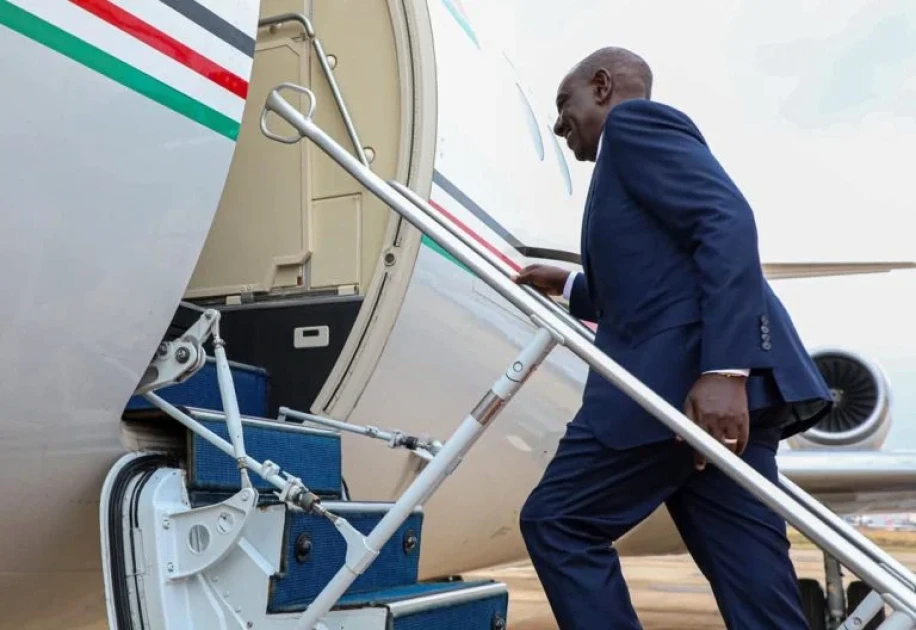
President William Ruto has departed for Russia to seek new markets for Kenyan products, attract foreign investment and strengthen economic ties between the two countries. The visit aims to create opportunities for Kenyan exporters, promote business partnerships and encourage investment in key sector
-
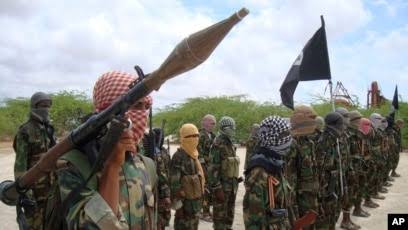
Somalia’s Defence Ministry has announced that 75 Al-Shabaab militants were killed and 56 others wounded during clashes with government forces in southern Somalia. The fighting comes amid ongoing military operations aimed at weakening the insurgent group and improving security in areas affected by
-
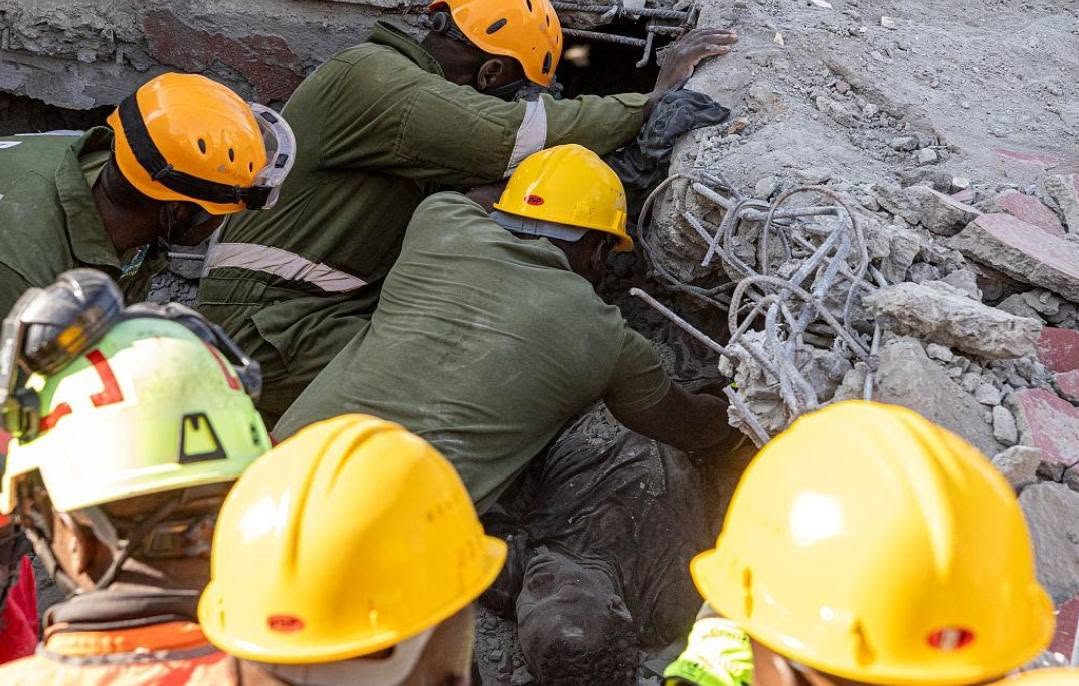
Authorities have confirmed that 20 people remain unaccounted for following the collapse of a multi-storey building in Eastleigh, Nairobi. The incident has raised concerns over building safety and emergency response as efforts continue to establish the whereabouts of those missing. The tragedy has re
-
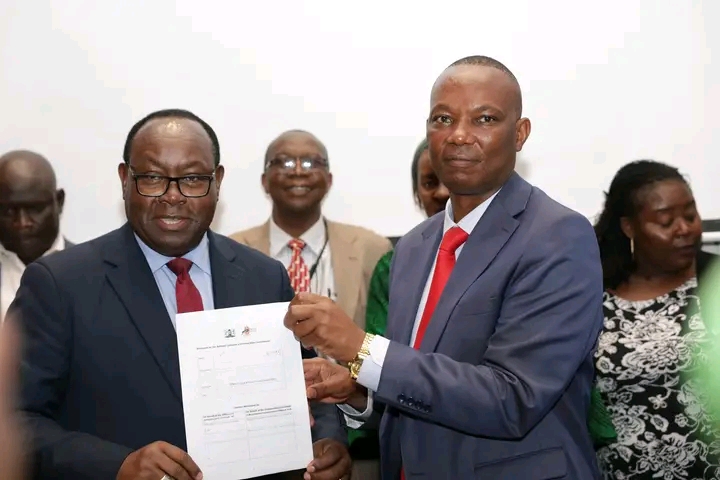
IEBC's participation in multi-agency engagement on the 2027 General Election reflects the importance of early preparation, cooperation and prevention in protecting Kenya's democratic process. The effort to secure political parties' commitment to a peace charter seeks to establish a shared standard a
-
Foreign Affairs Principal Secretary Korir Sing’Oei says Kenya will engage Nigeria through diplomatic and political channels to address visa challenges affecting Kenyan travellers. The planned talks aim to resolve the concerns, improve communication on visa procedures and make travel arrangements m