RUTO DEPARTS FOR RUSSIA TO SEEK NEW MARKETS, ATTRACT INVESTMENT AND BOOST TRADE TIES
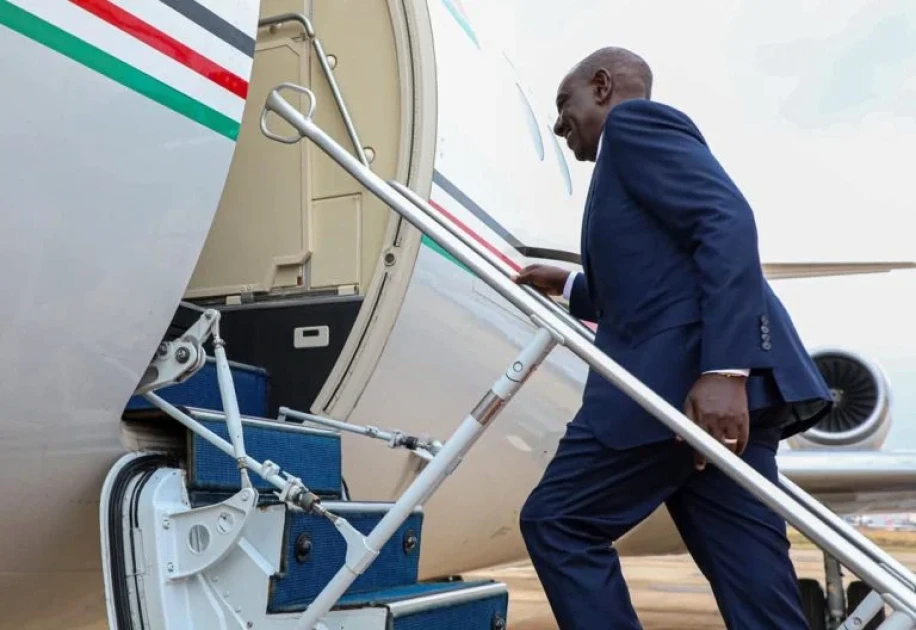
President William Ruto has departed for Russia to seek new markets for Kenyan products, attract foreign investment and strengthen economic ties between the two countries. The visit aims to create opportunities for Kenyan exporters, promote business partnerships and encourage investment in key sectors such as agriculture, manufacturing, energy and infrastructure. Ruto is also seeking to deepen economic cooperation with Russia and other African countries as Kenya pursues broader trade opportunities. The success of the visit will depend on the partnerships established and the extent to which they translate into increased exports, job creation and sustainable economic growth.
President William Ruto has departed for Russia on a visit aimed at exploring new markets for Kenyan products, attracting foreign investment and strengthening economic relations between Kenya, Russia and other African countries. The trip comes as Kenya continues to pursue international partnerships that could expand trade, create employment opportunities and support the country's broader economic development agenda.
The visit is expected to provide an opportunity for Kenya to engage with Russian leaders, investors and business representatives on areas of mutual interest. By strengthening diplomatic and commercial ties, the government hopes to create opportunities for Kenyan businesses to access new markets while encouraging foreign companies to consider investing in the country's key economic sectors.
Expanding export markets remains an important priority for Kenya, whose economy relies on a range of products and services, including agricultural produce, manufactured goods, tourism and professional services. Access to additional international markets could give Kenyan producers more opportunities to sell their products, diversify their customer base and reduce dependence on a limited number of trading partners.
Russia is one of the international markets Kenya may seek to engage more closely as it explores opportunities for increased commercial cooperation. Stronger trade links could create openings for Kenyan exporters, depending on market demand, product standards, transport arrangements and the commercial terms agreed upon by businesses in both countries.
Kenya's agricultural sector could feature prominently in discussions about expanding exports. The country produces tea, coffee, horticultural products, flowers and other agricultural commodities that contribute to export earnings and support the livelihoods of farmers and workers. Identifying new buyers and strengthening access to international markets could help producers broaden their commercial opportunities.
Agriculture also supports numerous businesses beyond the farm. Export activity creates demand for packaging, storage, transport, processing, quality inspection and logistics services. When overseas demand grows, the benefits can extend across the supply chain, supporting jobs in rural communities and urban centres alike.
However, expanding agricultural exports requires more than identifying potential buyers. Kenyan producers must meet the relevant import requirements of destination markets, maintain consistent quality and ensure that goods are delivered within the required timelines. Reliable shipping arrangements, effective cold-chain systems for perishable products and competitive pricing are also important in helping businesses secure lasting commercial relationships.
The government's efforts to seek new markets could therefore help open doors for exporters, while the private sector would need to assess commercial opportunities and establish partnerships that can operate sustainably. Long-term trade growth depends on reliable supply, clear contractual arrangements and a sound understanding of the regulations governing each market.
Foreign investment is another important objective associated with the visit. International investors can provide capital, technology, specialised expertise and access to wider business networks. When investment is directed towards productive sectors, it can support the establishment of new enterprises, expansion of existing businesses and creation of employment opportunities.
Kenya has opportunities to attract investment in areas such as manufacturing, agriculture, energy, infrastructure, tourism, logistics and technology. Investment in these sectors could strengthen domestic production, improve services and support the development of industries capable of competing in regional and international markets.
Manufacturing is particularly important because it can create employment while adding value to raw materials. Rather than exporting products in an unprocessed form, Kenya can benefit from investment in facilities that process agricultural commodities, manufacture consumer goods and produce materials required by other industries. Such investments can create demand for local suppliers and strengthen connections between different parts of the economy.
Investment partnerships can also support technology transfer. Businesses entering new markets often bring technical knowledge, production methods and management practices that may help local companies improve efficiency. When accompanied by training and cooperation with Kenyan enterprises, such arrangements can contribute to the development of local skills and strengthen the country's productive capacity.
Energy is another sector where Kenya could explore opportunities for cooperation with international partners. The country continues to invest in expanding electricity access, improving energy reliability and supporting the growth of industries that require dependable power. Partnerships involving technology, infrastructure and technical expertise could contribute to these objectives, provided they meet Kenya's development priorities and investment requirements.
Kenya's location in East Africa also gives it an advantage as a potential regional business hub. Its transport links, financial services, communications infrastructure and access to neighbouring markets provide opportunities for companies seeking to establish a presence in the region. Foreign investors operating in Kenya may be able to serve customers beyond the domestic market, depending on applicable trade arrangements and business conditions.
The government will also need to demonstrate that Kenya offers a predictable and competitive environment for investment. Investors typically consider regulatory stability, infrastructure, taxation, access to skilled labour and the ease of doing business when deciding where to commit their resources. Addressing these issues can help Kenya attract investments that generate lasting economic benefits.
Strengthening economic relations with Russia could also create opportunities for dialogue on trade barriers, investment protection, business partnerships and the movement of goods between the two countries. Discussions between government officials and private-sector representatives can help identify obstacles that prevent businesses from taking advantage of existing opportunities.
Beyond bilateral relations, Ruto's visit is framed around strengthening economic cooperation involving other African countries. Greater collaboration among African economies can help businesses access wider markets, develop regional supply chains and increase the continent's participation in international trade. Kenya has an interest in partnerships that support these objectives while protecting its own economic priorities.
The African Continental Free Trade Area provides a framework for expanding trade among participating African countries by reducing barriers and improving access to markets. Although implementation varies across countries and sectors, the agreement offers opportunities for businesses to increase trade, develop regional value chains and reach more consumers. International partnerships that complement these efforts could help African producers strengthen their position in the global economy.
For Kenya, the wider goal is to ensure that international engagement translates into practical benefits for citizens. New trade agreements and investment announcements are important, but their success ultimately depends on whether they lead to increased exports, productive investment, employment and improved business opportunities.
Small and medium-sized enterprises could benefit if stronger international relationships create opportunities to supply larger companies, participate in export chains or access new customers. However, these businesses may require assistance with financing, product certification, packaging and market information to compete effectively. Supporting them could help ensure that the gains from international trade are not limited to large corporations.
Young people could also benefit from investments that expand production and create new employment opportunities. Manufacturing facilities, agricultural processing businesses, logistics companies and technology enterprises can provide jobs for workers with different levels of training. Skills development and cooperation between employers and training institutions would be important in ensuring that Kenyans are prepared to take advantage of emerging opportunities.
The government will also face the task of balancing the pursuit of foreign investment with the protection of domestic interests. Investment projects need to comply with Kenyan laws, environmental standards and labour requirements. Transparent agreements and appropriate oversight can help ensure that projects contribute to sustainable development and deliver value to the country.
Similarly, expanding trade with Russia and other international partners requires businesses to assess market conditions carefully. Currency fluctuations, transport costs, payment arrangements and changes in international trade rules can affect the profitability of export and import transactions. Companies must therefore evaluate risks before committing resources to new markets.
The visit also highlights the importance of diplomacy in supporting economic development. Government-to-government engagement can establish a foundation for business cooperation, but commercial success often depends on sustained follow-up. Business forums, trade missions and direct engagement between companies can help turn diplomatic discussions into actual transactions and long-term partnerships.
As Kenya seeks to strengthen its international economic position, diversification remains an important consideration. Building relationships with additional trading partners can give exporters more options and potentially reduce overdependence on individual markets. Nevertheless, diversification works best when it is supported by competitive products, dependable logistics and a clear understanding of consumer demand.
President William Ruto's visit to Russia is intended to advance Kenya's search for new markets, attract foreign investment and deepen economic cooperation. The effectiveness of the engagement will depend on the opportunities identified, the agreements reached and the extent to which businesses can convert those opportunities into sustainable commercial activity.
For Kenyan farmers, manufacturers, exporters and entrepreneurs, access to new markets could provide opportunities to expand production and reach more customers. For the wider economy, productive foreign investment could contribute to employment creation, technology transfer and industrial development.
The challenge will be to translate diplomatic engagement into measurable outcomes that benefit the country over the long term. Stronger trade relations, responsible investment and sustained cooperation could support Kenya's economic ambitions, provided the resulting partnerships are commercially viable and aligned with national development priorities.

You Might Also Like
-
Police are hunting a 25-year-old man accused of killing his elder brother and stabbing his wife in Gisambai, Hamisi Sub-County, Vihiga County, over suspected infidelity. The incident has raised concerns about family conflicts and domestic violence. Authorities are investigating the circumstances sur
-
Somalia’s Defence Ministry has announced that 75 Al-Shabaab militants were killed and 56 others wounded during clashes with government forces in southern Somalia. The fighting comes amid ongoing military operations aimed at weakening the insurgent group and improving security in areas affected by
-
Authorities have confirmed that 20 people remain unaccounted for following the collapse of a multi-storey building in Eastleigh, Nairobi. The incident has raised concerns over building safety and emergency response as efforts continue to establish the whereabouts of those missing. The tragedy has re
-
IEBC's participation in multi-agency engagement on the 2027 General Election reflects the importance of early preparation, cooperation and prevention in protecting Kenya's democratic process. The effort to secure political parties' commitment to a peace charter seeks to establish a shared standard a
-
Foreign Affairs Principal Secretary Korir Sing’Oei says Kenya will engage Nigeria through diplomatic and political channels to address visa challenges affecting Kenyan travellers. The planned talks aim to resolve the concerns, improve communication on visa procedures and make travel arrangements m
-
The University of Nairobi students’ demonstrations along Waiyaki Way on October 27, 2026, reflect mounting frustration over the nationwide lecturers’ strike that has disrupted learning since October 2. Students lit bonfires and barricaded sections of the highway with stones, forcing motorists to