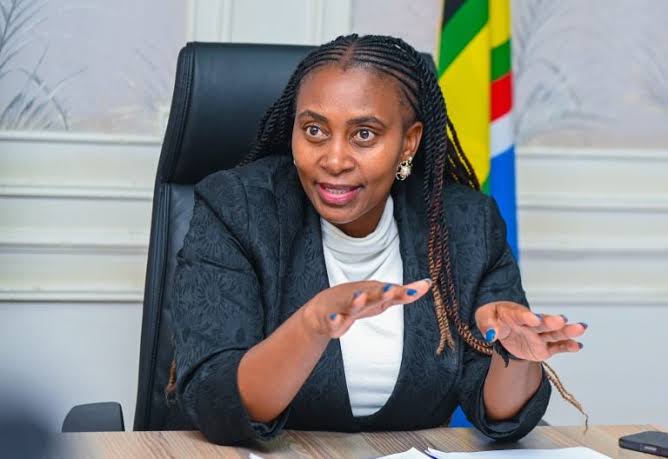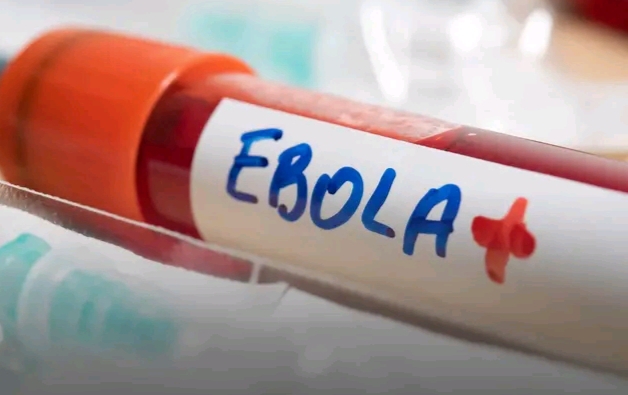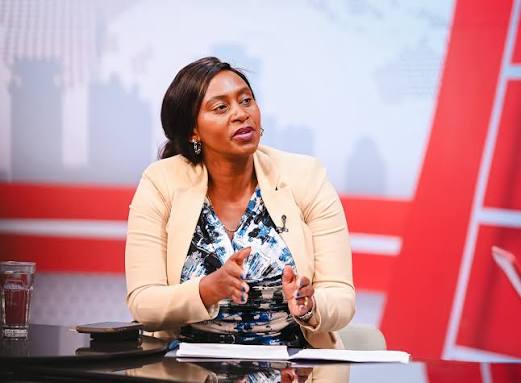
Ebola Risk Remains Low as Government Intensifies Containment Measures, Says Health PS Mary Muthoni
Health Principal Secretary Mary Muthoni has reassured Kenyans that the risk of Ebola spreading widely remains low as the government intensifies efforts to contain the outbreak. The Ministry of Health continues to strengthen surveillance, contact tracing, testing and isolation to prevent further infections. Kenyans have been urged to remain calm, observe public health guidelines and rely on verified information as authorities monitor the situation and work to protect communities across the country. Health officials are also working with international partners to improve preparedness and ensure suspected cases are identified and managed promptly. The public has been advised to seek medical attention if they develop symptoms after possible exposure to the virus. Authorities maintain that public cooperation and early reporting will be essential in preventing further transmission and safeguarding public health.
Public Health and Professional Standards Principal Secretary Mary Muthoni has reassured Kenyans that the risk of Ebola infection among the general public remains low, urging citizens to remain calm as the government strengthens surveillance, contact tracing and other measures to contain the spread of the virus.
Muthoni's remarks come as Kenya steps up its response to the Bundibugyo strain of Ebola virus disease following the confirmation of additional cases, including infections involving people who had come into contact with the country's first patient.
The Ministry of Health has maintained that the risk to the general public remains low despite the growing number of confirmed infections, citing the identification and monitoring of contacts as key measures in limiting further transmission.
The government has called on Kenyans to remain vigilant, observe public health guidelines and obtain information from official channels instead of relying on unverified reports circulating on social media.
The latest developments have placed renewed attention on the country's preparedness to respond to infectious diseases, particularly those that can spread through direct contact with an infected person's bodily fluids.
Government steps up Ebola response
Kenya's Ebola response began following the confirmation of an imported case involving a Kenyan citizen who had been living in the Democratic Republic of Congo (DRC), where the virus has caused a major outbreak.
The patient travelled through Uganda before arriving in Nairobi on October 3, 2026. He was taken to a hospital for medical attention and subsequently isolated after presenting symptoms consistent with Ebola.
Laboratory tests confirmed that he had contracted Bundibugyo Ebola virus disease. Despite receiving supportive treatment, the patient died on October 5.
The Ministry of Health immediately activated emergency response measures to establish the people who had interacted with the patient and assess their possible exposure to the virus.
Health teams began tracing family members, healthcare workers, passengers and other individuals who might have come into contact with him during his illness and journey to Kenya.
The government also strengthened surveillance at points of entry and intensified public awareness campaigns to help identify suspected cases early.
According to the World Health Organization (WHO), Kenya's response has involved case investigation, contact monitoring, screening at high-risk points of entry and coordination with regional health authorities.
These measures are intended to reduce the likelihood of further transmission and ensure that anyone who develops symptoms after a possible exposure receives prompt medical assessment.
More cases confirmed as surveillance continues
The country's response has become increasingly important following the confirmation of additional infections linked to the initial patient.
On October 14, health authorities confirmed a second case involving a 39-year-old man who was a close relative of the first patient.
A third case, involving a 65-year-old woman who was also a close family contact, was confirmed on October 16.
Both patients were already under quarantine when their infections were identified, allowing health workers to monitor their conditions and respond after symptoms developed.
However, on October 17, the Ministry of Health confirmed four additional cases, raising Kenya's total to seven, including the first patient who died.
The newly confirmed infections involved a close male relative of the initial patient and three healthcare workers who had attended to him while he was hospitalised.
The detection of infections among healthcare workers has underscored the importance of strict infection prevention and control procedures in medical facilities.
Doctors, nurses, laboratory personnel and other frontline workers are required to follow established safety protocols when assessing or treating suspected Ebola patients.
The Ministry has continued to isolate confirmed patients, monitor contacts and strengthen its investigation into the circumstances surrounding the infections.
Despite the increase in confirmed cases, authorities maintain that the risk to the general public remains low because response teams are working to identify exposed individuals and prevent further spread.
The government has also emphasised that additional infections may still emerge among people who were exposed before being placed under observation.
Why the public risk is considered low
Health authorities assess public health risks by considering several factors, including how a disease spreads, the number of confirmed infections, the links between cases and the effectiveness of measures designed to contain transmission.
Ebola is primarily transmitted through direct contact with the blood or other bodily fluids of an infected person who is experiencing symptoms. Transmission can also occur through contact with contaminated materials.
This means that identifying people who have been exposed and monitoring them for symptoms can play an important role in limiting the spread of the virus.
In Kenya, health officials have been tracing contacts associated with the initial patient and placing individuals considered at risk under observation.
The fact that several subsequent infections were detected among known contacts has allowed medical teams to isolate affected individuals and investigate possible exposure before further contact occurs.
Nevertheless, the assessment that public risk remains low does not mean that the virus should be ignored or that additional cases are impossible.
The government must continue monitoring contacts, testing suspected cases and ensuring that healthcare facilities follow infection prevention guidelines.
The Ministry has therefore urged Kenyans to take official advisories seriously while avoiding unnecessary panic.
Public cooperation remains important because individuals who may have been exposed need to share accurate information with health professionals and follow instructions issued by response teams.
Understanding Bundibugyo Ebola virus disease
Bundibugyo Ebola virus disease is a severe illness caused by the Bundibugyo virus, one of the viruses responsible for Ebola disease.
Symptoms may include fever, fatigue, muscle pain, headache, sore throat and general weakness. Some patients may subsequently develop vomiting, diarrhoea, abdominal pain and other serious complications.
The illness can become life-threatening, making early recognition, medical assessment and supportive care essential.
Because the early symptoms can resemble those of other common illnesses, a person's symptoms alone cannot establish whether they have Ebola.
Laboratory testing is necessary to confirm an infection.
People who develop concerning symptoms after travelling from an affected area or coming into contact with a suspected or confirmed case should seek medical attention promptly and disclose their exposure history.
They should avoid close contact with others while awaiting professional assessment if Ebola exposure is suspected, and follow instructions from trained healthcare personnel.
Members of the public should not attempt to manage suspected Ebola cases at home without professional guidance.
Health workers caring for suspected or confirmed patients must use appropriate protective equipment and follow strict infection prevention procedures.
The safe handling of contaminated materials and the proper management of suspected cases are also important in preventing further transmission.
Contact tracing remains a priority
Contact tracing is among the most important measures being used by Kenyan health authorities to contain the infections.
The process involves identifying people who may have been exposed to an infected person, determining the nature of their contact and monitoring their health for signs of illness.
The initial investigation identified approximately 130 contacts linked to Kenya's first patient.
These included family members, friends, healthcare workers and people who travelled on the same flight.
As of October 17, reports indicated that 128 of the 130 identified contacts had been traced and quarantined, while efforts to locate the remaining two continued.
Health officials have emphasised that the identification and monitoring of contacts help reduce the risk of undetected transmission.
People under observation are expected to report symptoms immediately so that medical teams can arrange testing and isolation when necessary.
The government is also working to establish whether additional people may have been exposed through contact with the confirmed cases.
Contact tracing requires cooperation from affected individuals, families, healthcare facilities and communities.
Providing accurate information about travel, medical visits and interactions with others can help investigators identify possible transmission routes and respond more effectively.
Government strengthens surveillance at points of entry
Kenya's geographical position and its close links with neighbouring countries make border surveillance an important part of the Ebola response.
The initial patient travelled from the DRC through Uganda before arriving in Nairobi, highlighting the importance of monitoring the movement of people from areas experiencing active transmission.
The Ministry of Health has strengthened screening and surveillance at airports and other points of entry to identify travellers who may require further assessment.
The measures are intended to help detect suspected infections early and reduce the possibility of further imported cases.
According to the Ministry's earlier updates, Kenya had screened more than 652,000 travellers by October 6 as part of its broader Ebola preparedness efforts.
The government has also trained thousands of health workers in Ebola prevention and management and assessed isolation facilities in high-risk areas.
These preparations are intended to ensure that medical personnel can recognise suspected cases, collect samples safely and arrange appropriate care.
Kenya is also working with the WHO and other partners to strengthen laboratory testing, response coordination and public health communication.
Regional cooperation remains essential because the outbreak in the DRC continues to pose challenges for countries connected through travel and trade.
Public urged to remain calm and vigilant
Muthoni's reassurance comes amid growing public interest in the disease and concerns about the possibility of wider transmission.
Health authorities have urged Kenyans to remain calm while observing recommended precautions.
Frequent handwashing with soap and clean water, avoiding contact with bodily fluids from sick individuals and seeking medical attention when necessary remain important steps.
People who suspect that they have been exposed to Ebola should contact a recognised health facility and follow professional advice.
The public has also been warned against spreading unverified claims about infections, deaths or alleged restrictions.
Misinformation can cause unnecessary fear, undermine confidence in health authorities and lead to the stigmatisation of people who may have travelled from affected areas.
Kenyans are encouraged to rely on updates from the Ministry of Health and the WHO for accurate information about the situation.
Community cooperation is particularly important because early reporting and prompt isolation can help prevent further exposure.
Health workers have also been urged to maintain strict safety procedures when handling suspected cases and caring for patients.
International support for Kenya's response
The WHO has been supporting Kenya's efforts to contain the imported infection and manage subsequent cases.
On October 12, the organisation announced that it had provided essential medical supplies worth approximately US$70,000 to support the country's response.
The assistance was intended to help protect frontline healthcare workers and strengthen the testing of suspected cases.
International support is important in ensuring that health facilities have access to appropriate protective equipment, diagnostic resources and technical guidance.
The government continues to coordinate with health partners to strengthen preparedness and improve the capacity to identify and manage infections.
The outbreak in the DRC has demonstrated the challenges associated with containing Ebola when infections occur across multiple locations.
For Kenya, maintaining strong surveillance, adequate isolation facilities and effective communication will remain essential as health officials monitor the situation.
Conclusion
Health Principal Secretary Mary Muthoni has urged Kenyans to remain calm as the government intensifies measures to contain Bundibugyo Ebola virus disease.
Although the number of confirmed cases has risen to seven, authorities maintain that the risk to the general public remains low, citing contact tracing, quarantine, isolation and surveillance as key components of the response.
The identification of additional infections, including among healthcare workers, highlights the need for continued vigilance and strict adherence to infection prevention procedures.
The government is working with the WHO and other health partners to monitor exposed individuals, strengthen laboratory testing and prevent further transmission.
For the public, health officials emphasise the importance of following verified guidance, reporting possible exposure promptly and avoiding misinformation.
The situation remains under close monitoring, and authorities are expected to continue providing updates as investigations progress.
While the government's assessment offers reassurance, continued cooperation between health workers, affected families and the wider public will be essential in limiting the spread of the virus and protecting communities across Kenya.

You Might Also Like
-
KTDA is prioritising investments in technology and infrastructure to improve tea storage, streamline trading operations and enhance efficiency across its managed factories. The plan aims to strengthen tea marketing systems, improve operational performance and maximise returns for smallholder farmers
-
 The October 17, 2026, Enkaputi ceremony in Narok County became a platform for a renewed discussion about national cohesion after Defence Cabinet Secretary Soipan Tuya called on Kenyans to look beyond ethnic labels and embrace one another as brothers and sisters. Her message emphasised cultural dive
 -
Interior Principal Secretary Raymond Omollo's stated commitment to modernising school infrastructure reflects the wider national objective of improving the quality of education and expanding opportunities for Kenyan learners. Examples such as the Wajir High School upgrade and the reconstruction of
-
Public Health Principal Secretary Mary Muthoni urges Kenyans to understand how Ebola spreads, recognise its symptoms and observe recommended preventive measures. She emphasises the importance of personal hygiene, early medical attention and sharing accurate health information to protect families and
-
Kenya's confirmation of seven Ebola cases on October 17, 2026, represents a serious public health development that requires sustained attention. At the same time, the reported achievement of tracing 128 out of 130 identified contacts demonstrates substantial progress in locating people who may have
-
The Ministry of Health has reassured Kenyans amid growing concerns over a possible nationwide lockdown following the confirmation of seven Ebola cases in the country. Health officials say containment measures, including early detection, isolation of confirmed patients, contact tracing and quarantine