Ministry of Health Reports 7 Confirmed Ebola Cases as Contact Tracing Reaches 99%
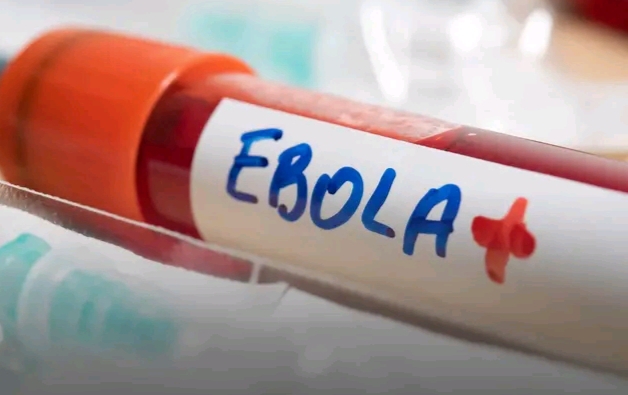
Kenya's confirmation of seven Ebola cases on October 17, 2026, represents a serious public health development that requires sustained attention. At the same time, the reported achievement of tracing 128 out of 130 identified contacts demonstrates substantial progress in locating people who may have been exposed. The approximately 98.5 per cent tracing rate, rounded to 99 per cent, is encouraging because contact tracing can help interrupt transmission when combined with quarantine where indicated, symptom monitoring, rapid testing, isolation and appropriate medical care. However, the two contacts who remained untraced in the October 17 report show why the work cannot stop. Health officials must complete the tracing exercise, investigate any new suspected infections and continue protecting healthcare workers and the wider population.
Kenya’s Ebola response has drawn increased attention following reports that the Ministry of Health has confirmed seven cases of the disease and that contact-tracing efforts have reached 99 per cent. The reported figures highlight the importance of identifying people who may have been exposed to the virus, monitoring their health and preventing further transmission.
Contact tracing is one of the most important tools used by public health authorities during an Ebola outbreak. It helps health workers establish who may have come into contact with an infected person, determine when that exposure occurred and ensure that potentially exposed individuals receive the necessary follow-up.According to reports published on October 17, 2026, Kenya confirmed four additional Ebola cases, bringing the cumulative number to seven. The announcement marked a significant development in the country’s response because the newly identified infections included three healthcare workers who had treated the first patient and a male relative of the initial case. Reuters reported that all four were already in quarantine when they tested positive.
The cases involve the Bundibugyo strain of Ebola virus disease, which is associated with an ongoing outbreak in the Democratic Republic of Congo. Kenya’s first confirmed patient had travelled from Congo through Uganda before arriving in Nairobi on October 3. He died on October 5, after which health authorities began tracing people who might have been exposed to the virus. Once contacts are identified, public health teams work to locate them and assess their exposure. Those at risk receive instructions on symptom monitoring and what to do if they become unwell.
The process can be difficult when patients have travelled through several locations, visited multiple healthcare facilities or interacted with numerous people before diagnosis.
Kenya's reported tracing progress is therefore significant because it shows that authorities have located nearly all the contacts included in the initial tracing exercise. Nevertheless, the effectiveness of the response also depends on completing the search for outstanding contacts, continuing surveillance and identifying any additional links between cases.Contact Tracing Reaches Approximately 99 Per Cent
One of the most important developments in Kenya’s Ebola response is the high proportion of identified contacts who have been traced.
According to Reuters’ report of October 17, health authorities had identified 130 contacts linked to the initial patient. Of these, 128 had been traced and placed in quarantine, representing approximately 98.5 per cent of the identified contacts. This figure can reasonably be rounded to 99 per cent. Two contacts were still being traced at the time of the report.
The achievement indicates that health officials have located almost all the people identified as potentially exposed to the first patient. However, the remaining two contacts are important because their exposure status and whereabouts need to be established.Once contacts are identified, public health teams work to locate them and assess their exposure. Those at risk receive instructions on symptom monitoring and what to do if they become unwell.
The process can be difficult when patients have travelled through several locations, visited multiple healthcare facilities or interacted with numerous people before diagnosis.
Kenya's reported tracing progress is therefore significant because it shows that authorities have located nearly all the contacts included in the initial tracing exercise. Nevertheless, the effectiveness of the response also depends on completing the search for outstanding contacts, continuing surveillance and identifying any additional links between cases.Healthcare Workers Among the Newly Confirmed Cases
The confirmation that three healthcare workers tested positive has raised particular concern about occupational exposure.
Healthcare professionals are essential during an outbreak because they examine patients, provide treatment, collect samples and support infection prevention activities. However, they can face increased exposure risks when caring for an infected person, especially before the disease has been recognised or when appropriate protective measures are not consistently applied.
Reuters reported that the three healthcare workers had treated the initial patient on October 3 and 4 and had been in quarantine since October 9. They were among the four newly confirmed cases announced on October 17. The Condition of Patients and Medical Response
The Ministry of Health's response includes isolating confirmed patients and providing medical care while monitoring people who may have been exposed.
According to the October 17 Reuters report, the two patients confirmed before the latest four cases were described as stable and responding well to supportive treatment. The four newly confirmed patients were already in quarantine when their infections were detected.
Supportive care is important in Ebola management. It may include maintaining fluid and electrolyte balance, monitoring vital signs, treating complications and providing other medical assistance based on the patient's condition.What the Seven Cases Mean for the Kenyan Public
The increase to seven confirmed cases means that Kenya's Ebola response requires continued vigilance. It does not, by itself, establish that the virus is spreading uncontrollably throughout the country.
The reported cases were linked to the initial patient, and Reuters reported that the Ministry of Health had not found evidence of wider community transmission at the time of its October 17 report. The Ministry also said the general public risk remained low.
These findings are important, but the situation can change as investigations continue. Authorities must keep monitoring contacts, investigating new symptoms and assessing whether additional cases have links to the confirmed infections.The public can help reduce risk by taking several precautions:
Avoid direct contact with the bodily fluids of anyone suspected or confirmed to have Ebola.
Do not handle materials that may be contaminated with infectious bodily fluids.
Follow instructions from trained health workers regarding suspected cases and quarantine.
Report possible exposure to the appropriate health authorities.
Seek prompt medical advice if symptoms develop after a possible exposure.
Rely on verified Ministry of Health updates instead of unconfirmed social media messages.Border Surveillance and Continued Government Action
Kenya's first confirmed case was linked to travel from the Democratic Republic of Congo through Uganda. This makes cross-border surveillance and cooperation with neighbouring countries important parts of the response.
Health authorities can use screening, surveillance and information-sharing to identify people who may need further assessment. Such measures must be combined with clear communication so that travellers understand what to do if they have symptoms or a relevant exposure history.Kenya has also strengthened screening and public health measures following the confirmed infections. The Associated Press reported that authorities had intensified screening and established an emergency hotline for people concerned about possible exposure or symptoms.
These measures are intended to support early detection and guide people towards appropriate medical advice. They do not mean that every traveller is infected or that every person with a fever has Ebola.
The Ministry must continue communicating accurate information about confirmed cases, contacts traced, patients receiving care and any changes in the outbreak assessment.

You Might Also Like
-
KTDA is prioritising investments in technology and infrastructure to improve tea storage, streamline trading operations and enhance efficiency across its managed factories. The plan aims to strengthen tea marketing systems, improve operational performance and maximise returns for smallholder farmers
-
 The October 17, 2026, Enkaputi ceremony in Narok County became a platform for a renewed discussion about national cohesion after Defence Cabinet Secretary Soipan Tuya called on Kenyans to look beyond ethnic labels and embrace one another as brothers and sisters. Her message emphasised cultural dive
 -
Interior Principal Secretary Raymond Omollo's stated commitment to modernising school infrastructure reflects the wider national objective of improving the quality of education and expanding opportunities for Kenyan learners. Examples such as the Wajir High School upgrade and the reconstruction of
-
Public Health Principal Secretary Mary Muthoni urges Kenyans to understand how Ebola spreads, recognise its symptoms and observe recommended preventive measures. She emphasises the importance of personal hygiene, early medical attention and sharing accurate health information to protect families and
-
The Ministry of Health has reassured Kenyans amid growing concerns over a possible nationwide lockdown following the confirmation of seven Ebola cases in the country. Health officials say containment measures, including early detection, isolation of confirmed patients, contact tracing and quarantine
-
The Kenya Medical Practitioners, Pharmacists and Dentists Union (KMPDU) has raised concerns over its alleged exclusion from the Ministry of Health’s Ebola preparedness and response efforts as confirmed cases in Kenya rise to seven. KMPDU Secretary-General Dr Davji Atellah is calling for greater in