



EPRA Maintains Fuel Prices as Petrol Remains at KSh214.03 Per Litre
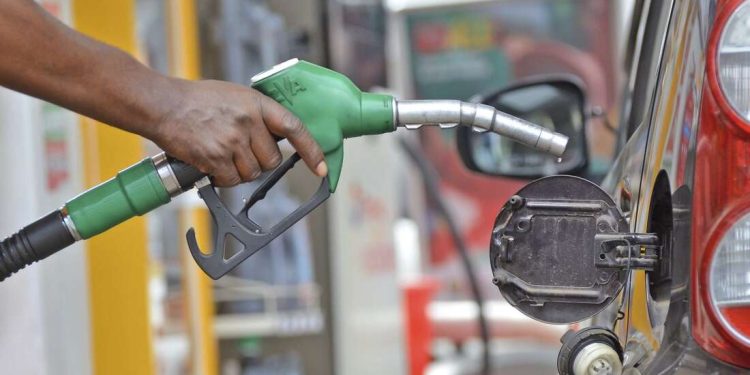
EPRA has retained fuel prices for the September–October cycle, with petrol at KSh214.03, diesel at KSh217.86, and kerosene at KSh191.38 per litre.
EPRA Maintains Fuel Prices as Petrol Remains at KSh214.03 Per Litre
The Energy and Petroleum Regulatory Authority (EPRA) has maintained the prevailing fuel prices for the September–October pricing cycle, keeping the cost of petrol, diesel and kerosene unchanged across the country.
Under the latest review, a litre of petrol will continue to retail at KSh214.03, while diesel remains at KSh217.86 per litre. Kerosene, which is still used by some households and businesses, will continue to retail at KSh191.38 per litre.
The decision means motorists, transport operators, businesses and other consumers will continue purchasing the three major petroleum products at the existing regulated maximum retail prices during the new pricing cycle.
Fuel prices are closely monitored by Kenyans because petroleum products play a major role in the economy. Changes in the cost of fuel can have a direct or indirect impact on transportation, food prices, manufacturing, agriculture, businesses and household expenses.
For motorists, the retention of the current prices means there will be no additional increase in the cost of filling vehicles during the September–October period. Private vehicle owners, public transport operators and commercial drivers will continue operating under the existing fuel-price environment.
Diesel remains particularly important to the transport and industrial sectors. The product is widely used by trucks, buses, agricultural machinery, generators and various industrial operations. Any significant increase in diesel prices can therefore affect the cost of transporting goods and running businesses.
Petrol, meanwhile, remains one of the most commonly used petroleum products, particularly among private motorists and other road users. Kerosene continues to serve some households and small businesses, despite its declining use compared with previous years.
The unchanged prices are likely to provide some level of stability for consumers and businesses planning their budgets. Transport companies and other fuel-dependent enterprises can continue making financial projections based on the existing regulated prices without having to immediately account for an increase arising from the latest monthly review.
However, the cost of fuel remains a significant component of the overall cost of living in Kenya. Petroleum products are closely connected to the movement of goods and people across the country. When fuel prices rise, businesses may incur higher transportation and production costs, which can eventually be reflected in the prices consumers pay for goods and services.
Farmers can also be affected by fuel-price changes because petroleum products are used in agricultural machinery, transportation and other activities associated with food production and distribution. Traders and manufacturers similarly rely on fuel to move goods and operate equipment.
EPRA reviews petroleum prices on a monthly basis, taking into consideration various factors that determine the final retail price. These include international petroleum prices, exchange-rate movements and other components incorporated into the regulated pricing structure.
Developments in the international oil market can therefore influence the price of petroleum products in Kenya. Global changes in crude oil prices can affect the cost of imported petroleum products, while movements in the Kenya shilling against major international currencies can also influence importation costs.
The latest decision to maintain the prices comes as consumers continue to pay close attention to the cost of living and household expenditure. For many Kenyans, fuel prices remain an important economic indicator because of their connection to transport and the prices of essential goods and services.
Public transport operators will also be watching developments in the petroleum sector. Although the latest review does not introduce an increase in fuel prices, transport fares can still be affected by other operating costs, including vehicle maintenance, spare parts, insurance and other expenses.
Businesses that rely heavily on fuel are equally expected to monitor future EPRA announcements. Any substantial changes in international oil prices or currency exchange rates could affect subsequent monthly reviews and potentially lead to adjustments in local pump prices.
The government and relevant regulatory authorities continue to monitor developments in the petroleum sector as part of efforts to ensure an orderly and predictable fuel market. Stable fuel prices can help businesses plan their operations while giving consumers greater certainty about their transport and energy expenses.
For ordinary Kenyans, the latest announcement means that there will be no change in the maximum retail prices during the current September–October cycle.
The prevailing prices remain:
⛽ Petrol — KSh214.03 per litre
🚛 Diesel — KSh217.86 per litre
🔥 Kerosene — KSh191.38 per litre
The prices will remain subject to the applicable location-based variations under EPRA's pricing framework.
The retention of the prices means motorists will not face an additional fuel-cost burden arising from the latest review. It also provides businesses and transport operators with some certainty as they plan their expenses for the coming weeks.
Nevertheless, attention will now shift to the next EPRA pricing review. Consumers and businesses will be watching international crude oil prices, currency movements and other factors that could influence the cost of petroleum products in Kenya.
Fuel prices have remained a major topic of public discussion because of their wider impact on the economy. Any changes at the pump can affect how much Kenyans spend on transportation and, indirectly, the cost of goods and services.
With the latest review leaving prices unchanged, consumers can continue planning around the current rates while awaiting the next announcement from the regulator.
The September–October pricing cycle therefore begins with petrol, diesel and kerosene prices retained at their existing levels, offering motorists, businesses and households a period of relative price stability.
As the country heads into the next pricing cycle, the performance of the international oil market and the movement of the Kenya shilling will remain among the key factors to watch.
For now, Kenyan motorists and consumers will continue paying KSh214.03 for petrol, KSh217.86 for diesel and KSh191.38 for kerosene per litre, following EPRA's decision to maintain the prevailing fuel prices.

You Might Also Like
-
Musalia Mudavadi's speech in Kapsengere, Nandi County, on September 13, 2026, was primarily about the 2027 General Election and President William Ruto's expected re-election campaign. Mudavadi firmly rejected suggestions that Ruto would need to rig the election or use electoral shortcuts. He urged p
-
President William Ruto's second day in Kisumu has been marked by a combination of major infrastructure launches, development announcements and strong political speeches. The biggest project commissioned today is the Sh8.4 billion Lake Victoria Water and Sanitation Project, which is expected to impr
-
Deputy Inspector General of Police Gilbert Masengeli urges Kenyans to work with security agencies, share information responsibly and help safeguard peaceful elections.
-
Rural Electrification and Renewable Energy Corporation (REREC) is targeting the connection of more than 50,000 households in Bomet and Kericho counties to electricity before Christmas, as part of the government’s wider push to expand electricity access in rural Kenya. The initiative is expected to
-
The Public Health Principal Secretary's warning highlights the growing importance of preparing Kenya's health system before the anticipated El Niño rains intensify. Mary Muthoni has called for stronger disease surveillance, safe water, improved sanitation, adequate medicine stocks and greater prepa
-
The arrest of two suspects marks the latest development in the investigation into the Nembure chaos in Embu County, where a UDA meeting attended by Deputy President Kithure Kindiki was violently disrupted on September 12, 2026. The incident resulted in one confirmed death, several injuries and six