GLADYS WANGA URGES POLITICAL LEADERS TO ENGAGE IEBC ON ELECTORAL REFORMS AHEAD OF 2027 POLLS
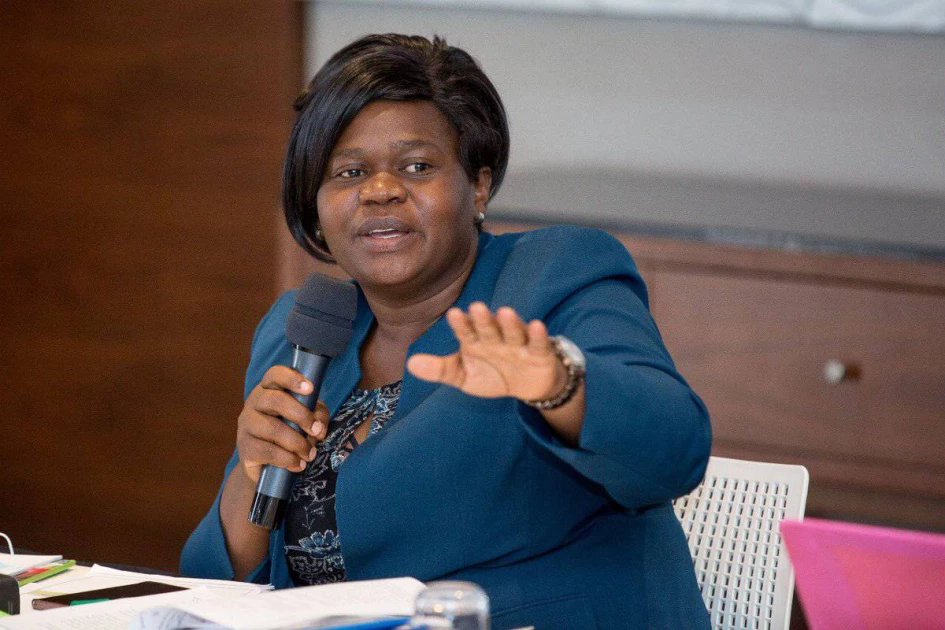
Homa Bay Governor Gladys Wanga has urged political leaders to engage the Independent Electoral and Boundaries Commission (IEBC) through dialogue and constructive consultations as the country prepares for the 2027 General Election. Wanga emphasised the importance of cooperation between political parties and the electoral body, noting that meaningful engagement is key to addressing electoral concerns, strengthening transparency and building public confidence in the electoral process. Her remarks come amid growing disagreements among political leaders over electoral reforms, including the voters' register, election technology and the transmission of results. She called on leaders to prioritise dialogue over confrontation, insisting that all stakeholders have a responsibility to safeguard democracy and ensure credible, free and fair elections.
Homa Bay Governor Gladys Wanga has called on political leaders to engage the Independent Electoral and Boundaries Commission (IEBC) on electoral matters, urging them to prioritise dialogue, cooperation and constructive consultations ahead of future elections.
Wanga emphasised the importance of maintaining open communication between political leaders and the electoral agency, noting that meaningful engagement would help address concerns surrounding the country's electoral processes and strengthen public confidence in the institutions responsible for managing elections.
Her remarks come at a time when electoral preparedness, institutional independence, transparency and credibility remain important issues in Kenya's political discussions. With the country continuing to prepare for future political contests, the governor believes that leaders have an important responsibility to work with the IEBC rather than allow disagreements to undermine confidence in the electoral system.
Speaking during a women empowerment programme in Kendu Bay, Homa Bay County, on Thursday, November 19, 2026, Wanga welcomed the IEBC's decision to engage political parties through dialogue, describing the initiative as an important step towards building trust between the commission and political stakeholders. She maintained that such consultations should not be viewed as an opportunity for political confrontation but rather as a platform where leaders can express their concerns, exchange ideas and contribute to improving the country's electoral framework.
The governor's remarks come amid growing political discussions surrounding preparations for the 2027 General Election, with different political formations raising questions about the credibility, transparency and administration of the upcoming polls. Political parties have increasingly called for reforms that would guarantee a level playing field for all candidates while ensuring that the will of Kenyan voters is respected.
Wanga's position is that political leaders should take advantage of the available consultation platforms to present their proposals directly to the electoral commission. She believes that maintaining communication with the IEBC is necessary because elections involve several stakeholders, including political parties, candidates, election officials, security agencies, observers and ordinary citizens.
According to Wanga, establishing a cordial working relationship between political parties and the electoral commission is important not only during election campaigns but also before and after voting takes place. She stressed that the responsibility of safeguarding democratic processes should not be left entirely to the electoral agency, arguing that political leaders also have a significant role to play in ensuring peaceful and credible elections.
Her remarks also appeared to challenge the tendency among some politicians to blame the electoral commission whenever election-related disagreements emerge. She maintained that political parties should be willing to participate in constructive discussions and take responsibility for their positions rather than automatically treating the IEBC as an opponent.
Wanga expressed confidence that with proper preparations and meaningful engagement, political parties would be able to compete fairly and accept the outcome of a properly conducted election. She indicated that the commission should be allowed to discharge its constitutional responsibilities independently while political leaders concentrate on presenting their policies and convincing voters.
The ODM National Chairperson's comments followed a high-level consultative meeting convened by the IEBC on November 19, bringing together representatives of various political parties to discuss electoral preparedness ahead of the 2027 General Election.
However, the meeting was marked by disagreements after a section of opposition leaders walked out, accusing the commission of failing to adequately incorporate their concerns into the discussions. The opposition delegation, which included former Deputy President Rigathi Gachagua, Wiper Party leader Kalonzo Musyoka, Nairobi Senator Edwin Sifuna and former Chief Justice David Maraga, argued that the consultation process needed to address specific electoral reforms before meaningful discussions could proceed.
The opposition leaders raised concerns regarding the voters' register, election technology, transmission of presidential results and transparency in the tallying process. They called for measures that would strengthen accountability and ensure that every stage of the electoral process could be independently scrutinised.
Among their proposals were a comprehensive audit of the voters' register to eliminate duplicate and deceased voters, improved transparency in the transmission of election results and greater access to electoral information for political parties, candidates and other stakeholders.
They also proposed changes to the presidential results tallying framework, arguing that the existing arrangements needed to be reviewed to strengthen confidence in the final outcome. Their demands have added to the wider national conversation about the reforms necessary to prepare the country for the next General Election.
Despite the disagreements, the IEBC proceeded with consultations involving political parties that remained in the meeting. ODM representatives indicated their willingness to continue engaging the commission and contribute expertise to discussions aimed at improving electoral preparedness.
Wanga's call for engagement therefore comes at a critical moment when political parties are expected to find common ground on issues affecting the country's democratic institutions. Her remarks suggest that dialogue remains one of the most important approaches through which competing political interests can be addressed without creating unnecessary tensions.
She also maintained that political competition should be based on the strength of candidates, political organisation and the support they receive from voters rather than accusations against institutions responsible for conducting elections.
The governor's remarks are particularly significant as political parties begin strengthening their structures and positioning themselves ahead of the 2027 electoral contest. With different leaders already expressing interest in various elective positions, the credibility of the electoral process is expected to remain a major subject of political debate.
Wanga further backed President William Ruto's Usawa ni Sawa message, describing it as an important contribution towards promoting national unity and peaceful coexistence among Kenyans. She presented the message as a call for fairness and inclusion, noting the importance of ensuring that people from different communities and political backgrounds feel recognised and respected.
Her support for the message also reflects ODM's participation in the broader political engagement between the government and sections of the opposition. The party has continued to position itself as an important player in discussions surrounding national unity, political cooperation and governance.
Nevertheless, the growing disagreements over electoral reforms demonstrate that political consensus will remain an important challenge as the country approaches the 2027 elections. Different parties have their own expectations regarding how the commission should address concerns about election management, transparency and accountability.
The IEBC, on its part, faces the responsibility of demonstrating its independence, impartiality and preparedness while ensuring that all political parties receive equal opportunities to participate in consultations. Its ability to address legitimate concerns raised by stakeholders will be crucial in determining the level of public confidence in the electoral process.
For many Kenyans, the credibility of an election goes beyond the actual voting exercise. It also depends on voter registration, the accuracy of electoral records, the preparedness of election officials, the security of voting materials, the transparency of results transmission and the effective resolution of disputes.
Political leaders are therefore expected to approach these matters with seriousness and avoid statements or actions that could undermine public confidence in democratic institutions.
Wanga's appeal for cooperation highlights the importance of maintaining dialogue even when political parties disagree on particular issues. While different political formations may have competing interests, the overall objective should remain the protection of the democratic rights of citizens and the establishment of a credible electoral environment.
As preparations for the August 10, 2027 General Election continue, attention is expected to focus on whether political parties and the IEBC can reach an understanding on the proposed reforms and establish a framework that addresses the concerns of all stakeholders.
Ultimately, the responsibility of choosing Kenya's next leaders rests with the electorate. Ensuring that every eligible voter has an opportunity to participate freely, and that every vote is accurately counted, will remain central to the country's democratic journey.
Wanga's message is therefore a call for political maturity, constructive engagement and cooperation, urging leaders to use dialogue as a means of strengthening electoral institutions rather than allowing political disagreements to overshadow the preparations for the next General Election.

You Might Also Like
-
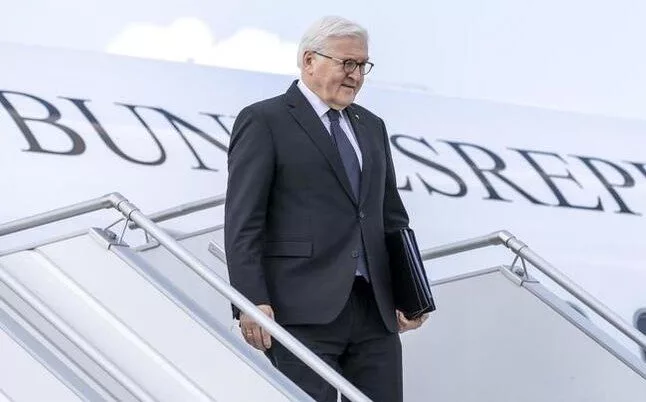
German Federal President Frank-Walter Steinmeier is expected to arrive in Kenya on November 25–26, 2026, for a two-day official visit that will include high-level bilateral talks with President William Ruto at State House. The visit is expected to strengthen diplomatic relations between Kenya and
-
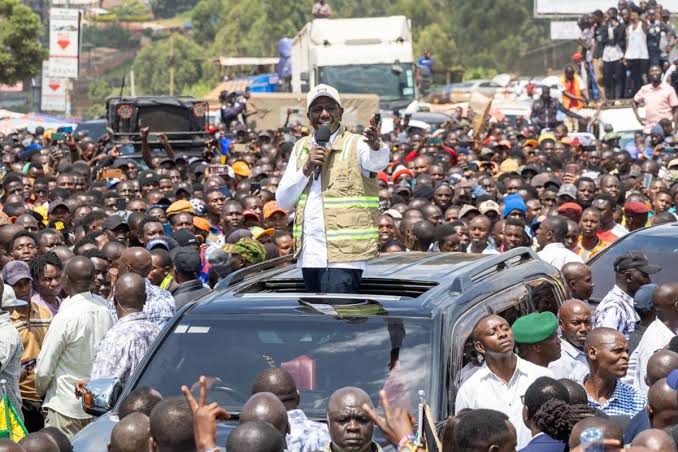
President William Ruto has renewed his criticism of opposition leaders who walked out of a consultative meeting with the Independent Electoral and Boundaries Commission (IEBC), accusing them of transferring their frustrations over disagreements on who should lead their presidential campaign to the e
-
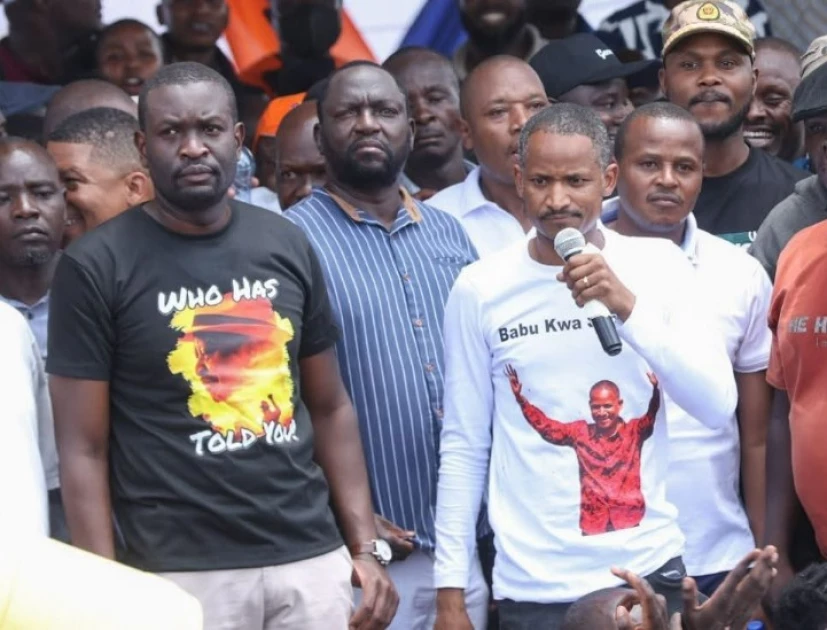
Embakasi East MP Babu Owino has reaffirmed his political relationship with Nairobi Senator Edwin Sifuna, describing him as his brother and dismissing speculation that their individual political ambitions could create divisions within the Linda Mwananchi movement. Babu maintained that their political
-
A political party has moved to court seeking to suspend the recruitment of the Independent Electoral and Boundaries Commission (IEBC) Chief Executive Officer, citing alleged integrity concerns surrounding the selection process. The legal challenge comes at a critical time as the electoral commission
-
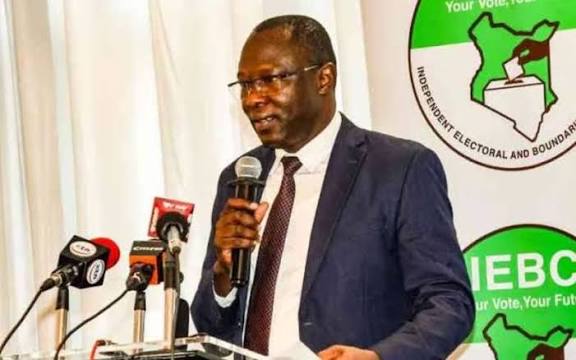
The Independent Electoral and Boundaries Commission (IEBC) has criticised opposition leaders for walking out of a consultative meeting on electoral preparedness ahead of the 2027 General Election. The commission accused the leaders of missing an important opportunity to raise concerns, discuss propo
-
Police Headquarters has ordered a mandatory nationwide physical headcount of all National Police Service officers following reports that some serving officers are allegedly being illegally recruited by foreign agencies to work as mercenaries abroad. The exercise is expected to establish the whereabo