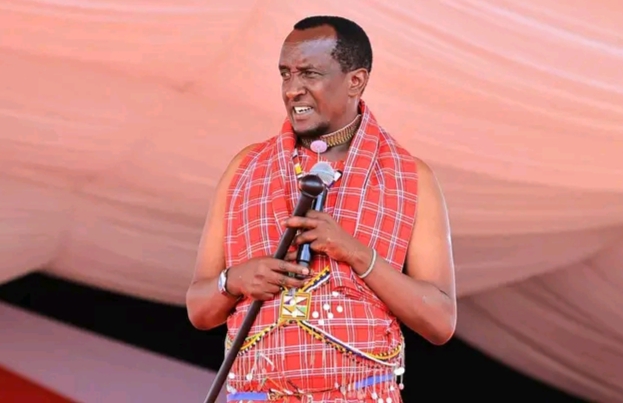
Governor Patrick Ole Ntutu Leads the Launch of the Fourth Edition of Maa Cultural Week as Narok Celebrates Maasai Heritage
Governor Patrick Ole Ntutu's leadership in the commencement of the fourth edition of the Maa Cultural and Tourism Festival places Narok County at the centre of an important celebration of cultural identity, heritage and tourism. The event brings together the Maa community from Narok, Kajiado and Samburu, providing a platform to showcase traditional music, dance, beadwork, fashion, cuisine, storytelling and other cultural practices. Beyond entertainment, the festival is expected to strengthen tourism, support local businesses, create opportunities for women and young people and encourage discussions about the economic development of the Maa community. As the celebrations continue from November 10 to November 14, 2026, attention will remain on the ability of Governor Ntutu and fellow leaders to ensure that the festival achieves its objectives.
The festival is an important opportunity for the Maa community to showcase its cultural identity, promote unity and strengthen the connection between traditional practices and modern economic opportunities. It also seeks to position Maa culture as an important part of Kenya's tourism industry while creating opportunities for local communities and businesses.
Governor Patrick Ole Ntutu has been among the key leaders championing the event, working alongside Kajiado Governor Joseph Ole Lenku and Samburu Governor Jonathan Lati Lelelit in preparations for the fourth edition. The three counties share important cultural connections and have continued to support initiatives aimed at protecting and promoting the heritage of the Maa-speaking communities.
The 2026 festival is being promoted under the theme "Promoting Maa Cultural Expressions for Socio-Economic Development." This theme highlights the importance of preserving cultural traditions while ensuring that communities benefit economically from their heritage.Ntutu has worked with fellow governors and other stakeholders to prepare for the event, which brings together communities from Narok, Kajiado and Samburu. Their cooperation demonstrates how county governments can work together to promote shared cultural interests and strengthen regional development.
The governor has also maintained that the festival should remain focused on cultural preservation and economic development rather than political competition. During preparations, he warned politicians against using the celebrations to advance personal political interests, emphasising that the event belongs to the community and should serve the interests of its people.
Celebrating Maa Culture and Traditional Heritage
One of the major objectives of the Maa Cultural Week is to preserve traditions that have been passed down from one generation to another. The Maa community is known for its distinctive cultural practices, traditional attire, beadwork, music, dances, storytelling and strong attachment to its ancestral heritage.
The five-day celebrations provide a platform for elders, cultural practitioners and young people to demonstrate these traditions and educate visitors about their importance.
Among the activities planned for the festival are: Traditional music and dance: Cultural groups will showcase traditional Maa songs, dances and performances that reflect the community's history and identity.
Traditional wrestling: Participants will demonstrate traditional wrestling as part of the community's cultural sporting activities.
Beadwork and traditional fashion: Women and other artisans will have an opportunity to display their creativity through colourful beadwork, ornaments and traditional clothing.
Traditional cuisine: Visitors will get an opportunity to appreciate traditional foods and understand the community's culinary heritage.
Storytelling and poetry: Elders and cultural practitioners will share stories, poems and historical experiences that help preserve the community's identity.
Economic and investment forums: Stakeholders will discuss ways of improving tourism, investment and economic opportunities within the Maa region.The location provides an opportunity to connect cultural tourism with wildlife tourism. Visitors who travel to experience the Maasai Mara can also learn about the people whose heritage is closely associated with the region.
Governor Ntutu and his administration are expected to benefit from increased tourism activities, including accommodation bookings, transport services, hospitality businesses and the sale of locally made cultural products.
The organisers are targeting more than 100,000 visitors during the five-day event. Such attendance could provide a major boost to businesses operating around the Maasai Mara and other parts of Narok County. The three counties share cultural traditions and have a common interest in ensuring that their heritage is protected and promoted.
Governor Patrick Ole Ntutu has worked closely with Kajiado Governor Joseph Ole Lenku and Samburu Governor Jonathan Lati Lelelit to prepare for the fourth edition.
Their partnership demonstrates that cultural preservation can bring together different county governments despite their separate administrative responsibilities.
The annual rotation of the festival among the three counties also ensures that each region gets an opportunity to showcase its cultural attractions, tourism potential and economic opportunities.
Through this partnership, the leaders hope to establish the Maa Cultural and Tourism Festival as an important annual event that attracts visitors and creates opportunities for communities across the region.The initiative, championed by Governor Joseph Ole Lenku in collaboration with Prof. Ole Sena of ILU and adviser John Kamanka, seeks to provide a broader development framework for the Maa community.
The proposed blueprint is expected to address important social and economic priorities affecting the community.
It also provides an opportunity for leaders and stakeholders to discuss how traditional resources, tourism potential and community enterprises can contribute to sustainable development.
The discussions are particularly important because cultural preservation should go hand in hand with improvements in education, healthcare, infrastructure, employment and economic opportunities.According to preparations reported before the festival, the national government committed KSh100 million, while Narok County pledged KSh40 million. Kajiado and Samburu counties each committed KSh30 million.
Organisers were seeking an additional KSh100 million from partners and other stakeholders to meet the projected costs.
Transport and accommodation are among the major expenses, with approximately KSh16 million allocated for transporting an estimated 2,000 participants from different sub-counties across the three counties. Accommodation costs were projected at approximately KSh40 million.
These figures demonstrate the scale of the event and the resources required to bring together thousands of participants.
However, the organisers will also face expectations to demonstrate that public resources allocated to the festival deliver meaningful benefits to the communities.One of the major concerns involves alleged unpaid bills from the previous edition. Some local artists, suppliers, masters of ceremonies, traders and creative influencers have complained about outstanding payments and demanded greater transparency in the organisation of the event.
A section of Maa leaders, led by East African Legislative Assembly MP David Ole Sankok, also called for a boycott over concerns about livestock killed during a security operation in Samburu County.
Sankok argued that affected herders should receive compensation through a culturally acceptable process before the community proceeds with celebrations.
Livestock holds significant cultural and economic importance among pastoralist communities. Cattle are associated with livelihoods, wealth, identity and traditional social relationships.Women in the Maa community play an important role in preserving traditional knowledge, particularly through beadwork, traditional clothing, crafts and cultural education.
The festival offers an opportunity for women artisans to showcase their products to a wider market and establish connections with potential customers and investors.
Young people can also benefit by participating in cultural performances, creative industries, hospitality, tourism and other activities associated with the event.
One of the challenges facing traditional communities is the gradual loss of cultural knowledge as younger generations adopt modern lifestyles.
By bringing elders and young people together, the festival provides an opportunity for traditional knowledge to be transferred to future generations.
It also demonstrates that cultural identity can remain relevant in modern society while creating opportunities for innovation and entrepreneurship.The Maasai Mara is already famous for its wildlife, natural beauty and annual wildebeest migration. However, cultural tourism offers an additional attraction that allows visitors to understand the communities and traditions associated with the region.
The festival gives tourism operators an opportunity to market cultural experiences alongside wildlife safaris.
Hotels, tour companies, transport operators, restaurants and local traders could benefit from the increased number of visitors.
The organisers are also seeking to strengthen the relationship between cultural heritage and tourism investment, ensuring that communities receive economic benefits from the attractions they help preserve.
This approach could help diversify the local economy and reduce overreliance on traditional tourism activities.President Ruto Expected at the Closing Ceremony
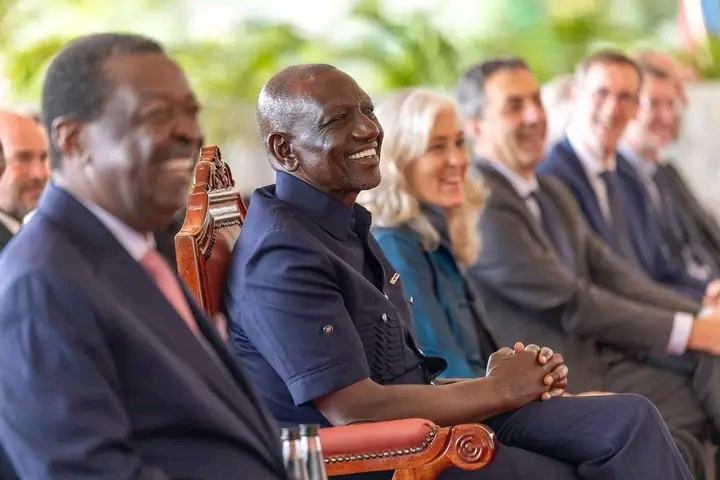
President William Ruto is expected to attend the closing ceremony on November 14, 2026.
His anticipated attendance is expected to give the celebrations additional national significance and provide an opportunity for discussions about government support for cultural preservation and development in the Maa region.
The festival also provides an opportunity for leaders to highlight the importance of protecting indigenous heritage while promoting national unity.
However, the event's long-term success will depend on whether the promises and development discussions translate into practical benefits for local communities.

You Might Also Like
-
The reported discovery of lawyer Abshir Ahmedsadak Abdi alive in Isiolo County is an encouraging development following nearly two weeks of uncertainty and growing concern about his disappearance. His case had attracted national attention, with his family, fellow lawyers, human rights activists and
-
Thousands of Kenyan teachers are set to benefit from a historic promotion exercise after President William Ruto directed the Teachers Service Commission (TSC) to increase the number of available promotion opportunities from 34,016 to 50,000. The initiative is expected to provide career advancement o
-
Interior Cabinet Secretary Kipchumba Murkomen's order for an immediate crackdown on armed gangs terrorising residents of Ruiru marks a significant government intervention in addressing insecurity in Kiambu County. His November 11, 2026, security tour focused on Two Rivers Crescent and Imani Estates
-
Police officers have arrested a suspect following an intelligence-led operation in Kanduyi, Bungoma County, where 5.3 kilogrammes of suspected narcotic drugs were recovered from a residential property. According to the National Police Service, officers conducted a search at the premises and discover
-
President Ruto hosted heads of European union delegations to African countries at state house.The meeting comes as Kenya and the European Union celebrate 50 years of diplomatic relations and seek to strengthen cooperation in trade, investment, security, climate action, technology and development. A
-
The World Health Organization (WHO) has launched a new global initiative aimed at strengthening public trust in science and promoting the use of scientific knowledge to improve healthcare and development worldwide. Dubbed Together for Science and Health, the movement brings together more than 240 or