IEBC Sets December 9 Deadline for Public Fundraising as Mass Voter Registration Targets 3.2 Million New Voters
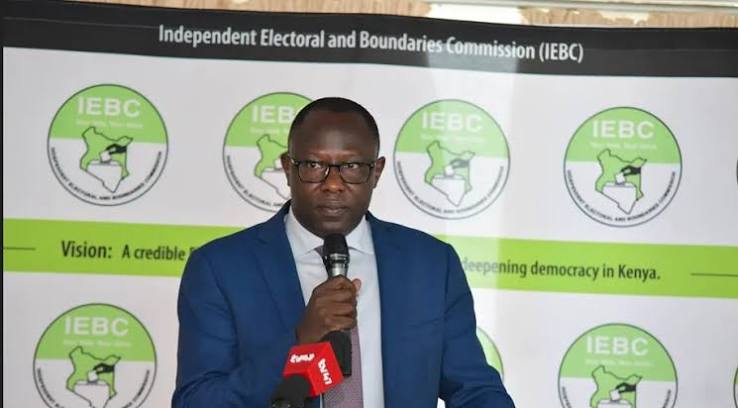
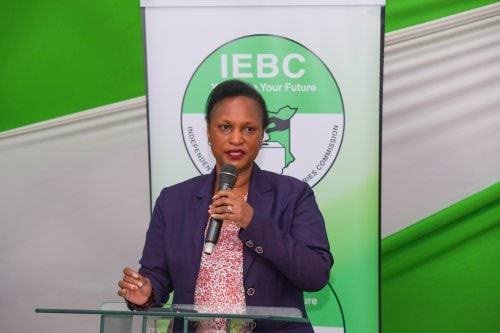
IEBC Commissioner Ann Nderitu has announced December 9, 2026, as the deadline for public fundraising activities by aspirants seeking elective positions in the 2027 General Election. She also revealed that the commission will commence a nationwide mass voter registration exercise on January 11, 2027, targeting an additional 3.2 million registered voters. The exercise is expected to provide an opportunity for eligible Kenyans, particularly young people who have attained voting age, to register and participate in the upcoming polls. The commission is urging political aspirants and voters to take note of the announced timelines as preparations for the 2027 General Election gather momentum.
The Independent Electoral and Boundaries Commission (IEBC) has announced key timelines ahead of the 2027 General Election, with political aspirants expected to conclude public fundraising activities by December 9, 2026.
IEBC Commissioner Ann Nderitu said the deadline forms part of preparations for the next electoral cycle as the commission continues putting in place measures to ensure a well-organised, transparent and credible election.
Nderitu also announced that the commission plans to launch a nationwide mass voter registration exercise on January 11, 2027, targeting an additional 3.2 million voters.
The exercise is expected to provide an opportunity for eligible Kenyans who have not registered as voters to enlist and participate in the upcoming General Election.
The announcement comes as political activities gradually intensify across the country, with various leaders and prospective candidates positioning themselves ahead of the 2027 polls.
The December 9 deadline is particularly important for individuals seeking elective positions who intend to conduct public fundraising activities as they prepare for the competitive political contest.
Public fundraising has traditionally been an important part of political mobilisation in Kenya, with aspirants using such events to raise financial support, engage communities and strengthen their networks ahead of elections.
However, the IEBC's announcement signals the importance of observing the timelines and requirements governing political activities as the country moves closer to the election period.
Nderitu's remarks also underline the commission's responsibility to ensure that political actors operate within the established electoral framework.
As the election approaches, aspirants are expected to familiarise themselves with the applicable laws and guidelines to avoid activities that could expose them to legal or regulatory challenges.
The commission is also expected to continue engaging political stakeholders and members of the public to create awareness about the electoral process.
One of the major priorities highlighted by the IEBC is increasing the number of registered voters ahead of the 2027 General Election.
The planned mass voter registration exercise, scheduled to begin on January 11, 2027, will target an additional 3.2 million eligible Kenyans.
The target reflects the commission's efforts to expand the national voter register and ensure that more citizens have an opportunity to exercise their constitutional right to vote.
Voter registration remains one of the most important stages in the electoral process because only individuals whose names appear in the official register can participate in an election.
Through the planned nationwide exercise, the commission is expected to reach eligible citizens in different parts of the country, including communities that may not have been adequately covered during previous registration activities.
The exercise will also seek to encourage young people who have attained the legal voting age to register and become active participants in the country's democratic processes.
Kenya has a significant population of young people, many of whom are expected to play an important role in determining the outcome of the 2027 General Election.
The IEBC's target of registering 3.2 million additional voters therefore places emphasis on bringing more eligible citizens into the electoral system.
Successful registration will depend on public awareness, accessibility of registration services and cooperation between the commission and local communities.
The commission is expected to mobilise its registration teams and communicate the necessary requirements to ensure that eligible Kenyans understand how and where they can register.
Public participation will also be essential in achieving the ambitious target.
Political leaders, religious institutions, community organisations and civil society groups could play an important role in encouraging eligible citizens to take advantage of the registration exercise.
Young people, in particular, are expected to be a key focus of voter education campaigns because their participation could significantly influence the country's political direction.
The commission's preparations also come at a time when discussions surrounding the 2027 General Election are becoming increasingly prominent.
Across different regions, political leaders are engaging residents, attending public meetings and building support networks as they prepare for possible electoral contests.
The next General Election is expected to feature competition for various positions, including the presidency, governorships, parliamentary seats and county assembly positions.
With political activities gathering momentum, the IEBC faces the responsibility of ensuring that all preparations are conducted within the requirements of the Constitution and electoral laws.
The commission must also ensure that the voter register is accurate and that eligible citizens are given adequate opportunities to participate.
A credible voter register is essential in preventing electoral irregularities and ensuring that the election reflects the will of the people.
It also helps strengthen confidence among political parties, candidates and voters by providing a reliable record of those entitled to cast ballots.
The planned registration exercise is therefore expected to be an important milestone in the preparations for the 2027 polls.
Beyond registering new voters, the commission will also need to undertake public education initiatives to help citizens understand their rights and responsibilities.
Voters need to know the importance of registering within the designated period, verifying their details and understanding the procedures that will apply during the election.
The IEBC will also be expected to address public concerns and provide timely information to prevent confusion and misinformation.
As the country approaches the election period, effective communication between the commission and citizens will be crucial in building public confidence.
The December 9 fundraising deadline and January 11 voter registration commencement date provide important timelines for political aspirants and the electorate.
For prospective candidates, the announcement serves as a reminder to observe the requirements governing public fundraising and other political activities.
For eligible voters, the January registration exercise will provide an opportunity to secure their place in the electoral process and prepare to participate in choosing the country's next leaders.
The commission's ability to meet its registration target will depend on effective planning, adequate resources and the willingness of eligible citizens to participate.
The target of 3.2 million new voters is significant and will require coordinated efforts across the country.
As preparations continue, the IEBC is expected to provide further guidance on the registration process and other electoral activities leading up to the 2027 General Election.

You Might Also Like
-
The Kenya Bureau of Standards (KEBS) has announced new vehicle importation requirements set to take effect on January 1, 2027, under the eight-year age limit rule. From that date, only right-hand-drive vehicles first registered in 2020 or later will qualify for importation into Kenya. Vehicles first
-
A family in Corner Village, Transmara South, is demanding justice following the alleged murder of an 86-year-old woman who was reportedly strangled by a 20-year-old man. According to the family, the suspect allegedly sneaked into the elderly woman's house and hid underneath her bed before attacking
-
IEBC Chairperson Erastus Ethekon has called on journalists to take a leading role in combating hate speech, political propaganda and misinformation as Kenya prepares for the 2027 General Election. He has emphasised the media's responsibility in promoting responsible journalism, verifying information
-
Kenya recorded an increase in murder, robbery, economic crimes, motor vehicle theft and livestock theft in the 12 months leading up to August 2026, according to the latest Annual Report on the State of National Security presented to Parliament by President William Ruto. The report, covering Septembe
-
The killing of five people and injury of four others in the deadly bandit attack in Burat Ward, Isiolo County, has once again exposed the persistent insecurity affecting northern Kenya. The incident has triggered fear among residents, attracted condemnation from local leaders and renewed calls for u
-
The High Court has dismissed a petition challenging the constitutionality of life imprisonment in Kenya, ruling that judges cannot convert life sentences into fixed prison terms without legislative backing. The case was filed by a Kamiti Main Prison inmate whose death sentence for murder had earlier