IEBC Shortlists Nine Candidates for Commission Secretary Job, Sets Interviews for November 12–13
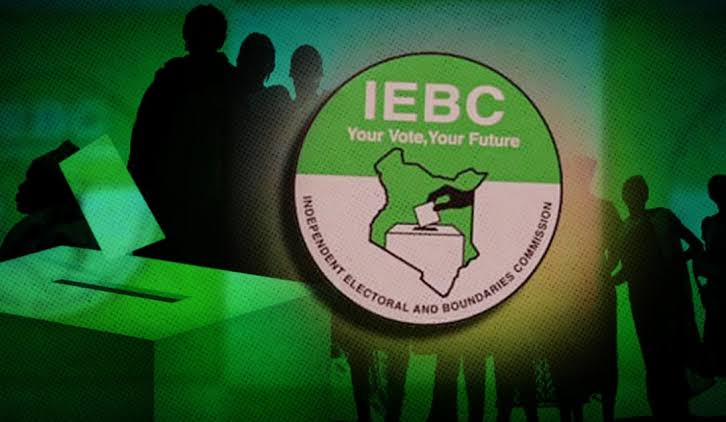
The Independent Electoral and Boundaries Commission (IEBC) has shortlisted nine candidates for the position of Commission Secretary and Chief Executive Officer. The interviews are scheduled for November 12 and 13, 2026, as the commission advances its recruitment process. The successful candidate will oversee the commission’s administrative operations and support the implementation of its electoral mandate. The position is crucial to institutional coordination, resource management and preparations for future elections. Attention now turns to the interview process and the next steps towards filling the senior leadership position.
The Independent Electoral and Boundaries Commission has shortlisted nine candidates for the position of Commission Secretary and Chief Executive Officer, marking a significant step in the process of identifying a new leader to oversee the commission’s administrative operations. The interviews are scheduled for November 12 and 13, 2026, when the shortlisted candidates are expected to undergo an assessment of their qualifications, professional experience and suitability for the senior position.
The recruitment process comes at an important time for the electoral agency, which is responsible for organising and supervising elections and referenda in Kenya. The Commission Secretary and Chief Executive Officer plays a central role in ensuring that the institution operates effectively, implements its policies and maintains the administrative systems required to support electoral activities across the country.
The shortlisting of nine candidates indicates that the recruitment exercise has progressed to the interview stage, where the applicants will have an opportunity to demonstrate their abilities and explain how their professional backgrounds align with the responsibilities of the office. The interviews are expected to form an important part of the selection process before the commission proceeds with the next steps required to fill the position.
The Commission Secretary and Chief Executive Officer is a key administrative position within the IEBC structure. The office supports the implementation of decisions made by the commission and coordinates the institution’s day-to-day operations. The individual appointed to the role is expected to work with commissioners, departmental heads and other staff members to ensure that the organisation fulfils its legal mandate and operational responsibilities.
The position also involves overseeing administrative planning, coordinating the use of institutional resources and supporting the implementation of programmes designed to strengthen electoral management. Given the scale of the commission’s responsibilities, effective leadership and sound administrative practices are important for maintaining continuity and ensuring that electoral preparations are carried out in an organised manner.
Kenya’s electoral process involves extensive coordination among national and county institutions, security agencies, political parties, candidates, civil society organisations and members of the public. The IEBC must maintain systems that support voter registration, electoral planning, the management of polling activities and the transmission and verification of election results in accordance with the applicable legal framework.
Although commissioners provide leadership on the commission’s constitutional and policy responsibilities, the secretariat is essential in translating decisions into practical activities. It coordinates staff, manages operational requirements and supports the technical processes needed to prepare for elections. The Commission Secretary therefore occupies a position that connects institutional leadership with the daily administration of electoral programmes.
The forthcoming interviews are consequently an important stage in identifying an individual who can manage these responsibilities while ensuring that the commission’s operations remain organised and accountable. The recruitment process is also an opportunity to assess candidates’ understanding of public administration, institutional governance and the requirements of election management in Kenya.
The nine shortlisted applicants are expected to be assessed through the established recruitment procedures. Such interviews commonly provide an opportunity for candidates to explain their professional experience, demonstrate their understanding of the position and respond to questions related to the responsibilities associated with the office. The precise assessment criteria and interview arrangements would depend on the commission’s official recruitment guidelines.
The position requires an understanding of public sector management and the ability to coordinate different departments within a complex institution. The successful candidate would be expected to support efficient decision-making, maintain effective internal communication and ensure that administrative processes are implemented in line with the relevant laws, regulations and institutional policies.
Financial management is another important consideration for a senior executive responsible for the operations of a public institution. The IEBC requires resources to support voter registration, staff training, the acquisition and distribution of election materials, public awareness programmes and other activities associated with its mandate. Proper planning and accountability are necessary to ensure that available resources are used responsibly and that operational priorities are addressed.
The commission also relies on technical systems and professional personnel to support electoral activities. These include information technology, logistics, legal services, communications, procurement, human resource management and field operations. Coordinating these functions requires organisational skills and a clear understanding of how different departments contribute to the commission’s overall objectives.
Beyond administrative management, the leadership of the secretariat can influence the institution’s ability to maintain public confidence through reliable service delivery and transparent procedures. Elections are closely watched by political parties, candidates, civil society groups and voters, making consistency in administrative processes particularly important.
Public confidence in an electoral institution depends on several factors, including compliance with the law, clear communication, effective dispute-handling mechanisms and the consistent implementation of established procedures. While the Commission Secretary does not independently determine every decision made by the commission, the office has an important responsibility in ensuring that the administrative systems supporting those decisions function properly.
The recruitment process therefore attracts attention because of the position’s connection to the management of electoral operations. The successful applicant will be expected to work within the commission’s legal and institutional framework while supporting preparations for future electoral activities and other responsibilities assigned to the agency.
Kenya’s electoral environment requires the IEBC to engage with a wide range of stakeholders who may hold different political interests and expectations. The commission must administer its responsibilities in accordance with the Constitution and relevant electoral laws, while maintaining professional standards in its engagement with the public and other institutions.
For the Commission Secretary, effective stakeholder coordination can be important in ensuring that administrative information is communicated clearly and that operational matters are addressed through appropriate channels. The role may involve coordinating with government agencies, election officials, political party representatives and other organisations whose activities intersect with electoral administration.
Communication is particularly important during periods of intensive electoral preparation. Clear instructions, timely dissemination of information and reliable coordination can help election officials understand their responsibilities and reduce the risk of avoidable administrative challenges. The secretariat must also support the dissemination of accurate information to the public through the commission’s authorised communication channels.
The recruitment exercise also highlights the importance of continuity within public institutions. Senior administrative positions provide organisational direction and help preserve institutional knowledge as leadership arrangements change. A well-managed transition can allow ongoing programmes to continue while the incoming officeholder familiarises themselves with existing priorities, operational challenges and administrative procedures.
The scheduled interviews on November 12 and 13 provide a defined period for evaluating the shortlisted candidates. Following the interviews, the commission would be expected to proceed according to its applicable recruitment procedures before announcing or implementing a final appointment. The timeline for any subsequent decision would depend on the requirements of the process and any other relevant administrative steps.
For the candidates, the interview stage represents an opportunity to demonstrate not only their professional achievements but also their understanding of the public responsibilities attached to the office. Managing a national electoral institution requires careful coordination, respect for established procedures and the ability to work within a framework where transparency and accountability are essential.
The eventual appointment will be significant for the commission’s administrative leadership, particularly as it continues to manage its ongoing programmes and prepare for future electoral responsibilities. The successful candidate will need to work with the commission’s leadership and staff to support operational planning, institutional coordination and the effective use of resources.
The IEBC’s mandate extends beyond the period immediately surrounding a general election. Its responsibilities include maintaining and updating voter registration systems, conducting electoral education, managing election-related preparations and carrying out other functions provided for under the law. These activities require ongoing administration and careful planning even when a national election is not taking place.
The secretariat must therefore maintain the capacity to support both routine operations and the more demanding activities that arise during election periods. This requires forward planning, effective personnel management and the ability to respond to changing operational needs without compromising established procedures.
The recruitment of a Commission Secretary and Chief Executive Officer is thus an important institutional process rather than simply the filling of a vacant office. The person selected will be expected to help maintain the systems through which the commission carries out its work, supports electoral officials and manages the administrative demands associated with its national mandate.
As the interview dates approach, attention is expected to remain on the recruitment process and the steps the commission will take after evaluating the shortlisted applicants. The process will determine who advances towards assuming responsibility for one of the institution’s most important administrative offices.

You Might Also Like
-
Dr Juma Mukhwana's call for Africa to stop relying excessively on raw-material exports and begin manufacturing more of its own products highlights a major challenge facing the continent's economic development. The opening of the fifth KCA University Innovation Week and Industry Summit in Nairobi br
-
The Universities Fund has raised concerns over a KSh 16 billion funding shortfall for university scholarships in the 2026/2027 financial year amid growing demand for higher education financing. The gap has sparked concerns about the availability of financial support for students pursuing university
-
Kipchumba Murkomen's message at the Second Eastern Africa Dialogue Platform on Anticipatory Action centred on the need for stronger preparedness, regional cooperation and early intervention in the face of climate-related disasters. His call for IGAD member states to strengthen early action is parti
-
The Eastleigh building collapse remains a serious emergency, with rescue teams continuing to search for people who may be trapped beneath the rubble. The detection of two possible life signals by China's Blue Sky Rescue team has provided fresh hope, although their condition and the outcome of effort
-
Moi Teaching and Referral Hospital CEO Philip Kirwa has confirmed that 10 people who had been isolated for Ebola monitoring have been discharged after testing negative for the virus. The development offers reassurance as health authorities continue strengthening surveillance and disease prevention m
-
A recent poll on President William Ruto’s potential running mate for the 2027 General Election places Kirinyaga Governor Anne Waiguru at 43% support, ahead of Deputy President Kithure Kindiki at 30% and Homa Bay Governor Gladys Wanga at 13%. The findings have sparked fresh discussion about possibl