Kenya and WHO Strengthen Cooperation to Contain Ebola Virus as Government Intensifies Public Health Measures
Kenya's strengthened cooperation with the World Health Organization represents an important step towards containing the Bundibugyo Ebola virus and protecting the population from further infections. Through joint efforts in disease surveillance, contact tracing, laboratory testing, healthcare worker training, medical supplies and community awareness, the government and its international partners have strengthened the country's capacity to respond to the disease. The confirmation of nine cases, with no new infections reported since October 19, demonstrates encouraging progress. However, the continued transmission of Ebola in the Democratic Republic of Congo means that Kenya must remain prepared. The government has reiterated its commitment to working with WHO, Africa CDC, UNICEF and other development partners to strengthen public health security.
Kenya has strengthened its cooperation with the World Health Organization (WHO) in an effort to contain the Ebola virus and prevent further infections, following the confirmation of nine cases of Bundibugyo Ebola virus disease in the country. The government, through the Ministry of Health, is working closely with WHO and other international health partners to improve disease surveillance, strengthen laboratory testing, support healthcare workers and ensure that suspected cases are identified and managed promptly.The partnership comes at a critical time when several countries in the region are dealing with the threat of Ebola, particularly the Democratic Republic of Congo (DRC), where transmission has continued to affect different communities. Kenya's cooperation with WHO is aimed at protecting citizens, strengthening the country's healthcare system and preventing the disease from spreading beyond the identified chain of transmission.
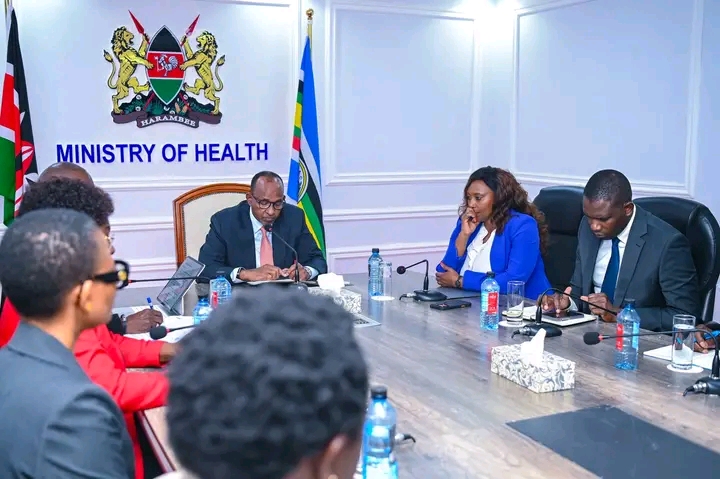
The Ministry of Health, under Cabinet Secretary Aden Duale, has continued to coordinate national response activities with technical support from WHO. The collaboration involves sharing information, strengthening emergency response teams, providing essential medical supplies, conducting contact tracing and improving public awareness about the disease.The cooperation covers several areas, including disease surveillance, laboratory coordination, patient management, infection prevention and control, contact tracing and public communication.
WHO has also been supporting the government in strengthening emergency preparedness through training programmes and simulation exercises. These activities help healthcare workers and emergency response teams understand the procedures required when handling suspected Ebola patients.
The organisation has further supported the distribution of protective equipment and diagnostic supplies to ensure that healthcare workers can perform their duties safely.
WHO Representative to Kenya, Dr Neema Rusibamayila Kimambo, has emphasised the importance of protecting frontline health workers and ensuring that communities receive accurate information about the disease.Following the confirmation, health authorities immediately began investigations to identify people who had come into contact with the patient.
The government subsequently identified individuals who had been exposed through family relationships, healthcare interactions and travel connections.
Eight additional cases were later confirmed, bringing the country's total to nine. According to WHO's November 6 situation report, all the secondary cases were epidemiologically linked to the initial imported case.
Two deaths had been reported among the nine confirmed cases, while five patients had recovered and been discharged by November 3. Two patients were still receiving treatment at that reporting date. Following the first confirmed case, health authorities identified 135 contacts. These included family members, healthcare workers and other individuals who may have had direct exposure to the patient.
The contacts were placed under monitoring for 21 days, which is the maximum recognised incubation period for Ebola. During this period, health officials conducted regular checks, including monitoring body temperature and looking for symptoms associated with the disease.
According to WHO, eight of the 135 identified contacts subsequently became confirmed cases, while nine others left Kenya and the relevant international health authorities were notified.
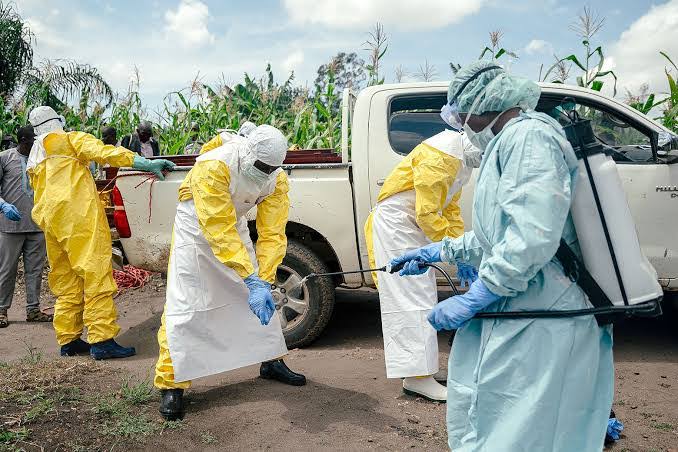
By November 3, 66 contacts had completed the mandatory 21-day monitoring period, while 52 were still under observation. Their follow-up was expected to end on November 11, provided they did not develop symptoms. The supplies included personal protective equipment such as protective suits, isolation gowns, goggles and face shields. Other items included Ebola testing kits, biohazard containers, infrared thermometers, disinfectant sprayers, waste bags and safety boxes for disposing of sharp medical equipment.
These materials are important because healthcare workers face considerable risks when handling suspected Ebola patients, collecting samples and providing treatment.
The protective equipment helps minimise direct contact with infected body fluids and contaminated materials.
WHO explained that protecting healthcare workers is a major priority because doctors, nurses, laboratory personnel and public health officers are among those most exposed when responding to infectious disease emergencies.
The supplies were mobilised through WHO's Regional Emergency Preparedness and Response Hub in Nairobi, which also supports emergency operations in other countries across the region.Laboratory testing is essential because symptoms alone cannot confirm whether someone has contracted Ebola. Suspected cases must undergo appropriate medical investigations to establish the cause of their illness.
Kenya has designated five laboratories to support testing and diagnosis. Mobile laboratory facilities have also strengthened testing capacity, particularly in areas where transporting samples to major health facilities could cause delays.
WHO has supported laboratory coordination by providing testing kits, technical guidance and assistance with the safe collection and transportation of samples.
The government is also working to ensure that laboratory personnel follow strict safety procedures when handling potentially infectious materials.Public awareness campaigns have therefore become an important part of the national response. Kenyans are being encouraged to understand how the disease spreads, recognise possible symptoms and seek medical assistance when necessary.
Ebola spreads through direct contact with the blood or body fluids of an infected person who is experiencing symptoms, or through contaminated objects. It is not spread through the air like common respiratory infections.
Some of the early symptoms include:
Fever and tiredness.
Headaches and muscle pains.
Joint pains and sore throat.
Vomiting and diarrhoea.
Other serious complications that may affect the body's organs.
WHO has emphasised that people should avoid direct contact with the body fluids of suspected or confirmed patients.The government has been working with WHO, Africa Centres for Disease Control and Prevention, UNICEF and other development partners to strengthen the country's health emergency response.
On November 3, 2026, Duale held a high-level engagement with a UNICEF delegation to review Kenya's Ebola response and strengthen cooperation on health emergency preparedness.
During the meeting, the government reported that there had been no new confirmed cases since October 19 and no evidence of transmission outside the identified cluster.
The discussions also highlighted the need to sustain investments in protective equipment, community health structures, infection prevention and control, and emergency response resources.
The government reaffirmed its commitment to working with WHO and other international partners to protect communities and maintain access to essential healthcare services.WHO's November 6 report indicated that the DRC had recorded 10,668 confirmed cases and 5,198 deaths as of November 3, 2026.
The continued spread of the disease in the neighbouring country means that Kenya cannot relax its surveillance and preparedness activities.
Regional cooperation is therefore essential in strengthening disease detection, sharing information and coordinating emergency responses.
Kenya's partnership with WHO provides an important platform for receiving technical guidance and accessing international expertise when dealing with public health emergencies.
The government is also expected to maintain communication with neighbouring countries to ensure that suspected cases and potential exposure risks are reported promptly.The country must complete the necessary monitoring period and continue investigating any suspected cases.
WHO uses a 42-day period without new cases, counted from the recovery or death of the last confirmed patient, as the standard for declaring an Ebola outbreak over.
The government must therefore maintain its emergency response structures, protect healthcare workers and ensure that suspected infections are investigated promptly.
The two patients who were still receiving treatment as of November 3 also required continued medical attention.
The public should avoid spreading unverified reports about suspected infections and instead depend on official updates from the Ministry of Health and WHO.

You Might Also Like
-
A 65-year-old man has been sentenced to life imprisonment after being convicted of defiling an 11-year-old girl in Kone Village, Tana River County, in an incident that occurred last year. The court's decision highlights the serious legal consequences of sexual offences against children and the impor
-
Director of Public Prosecutions Renson Ingonga has called for greater use of alternatives to prosecution to help address the growing challenge of case backlogs and improve the efficiency of Kenya’s justice system. The move seeks to encourage the resolution of suitable cases through lawful alternat
-
Heavy rainfall is expected across several parts of Kenya over the next seven days, with isolated areas likely to record cumulative rainfall amounts exceeding 120mm. The Kenya Meteorological Services Authority has warned that the rainfall will affect the Highlands East and West of the Rift Valley, La
-
The United States has tightened international air travel restrictions in response to the ongoing Ebola outbreak, introducing tougher measures targeting travellers who have recently visited the Democratic Republic of Congo (DRC). Under the new directive, individuals who have been in the DRC within th
-
Eight people, including five engineers, two Kenya Police Reservists and a driver, have been killed in a deadly morning ambush by unidentified gunmen along the Mandera-Arabia-Lafey road in Mandera County. The attackers reportedly targeted a security vehicle escorting workers involved in an ongoing ro
-
Deputy President Kithure Kindiki has challenged former senior government officials to account for their development record, questioning why they are now criticising the current administration despite having previously held influential positions in government. Kindiki argued that some of the leaders