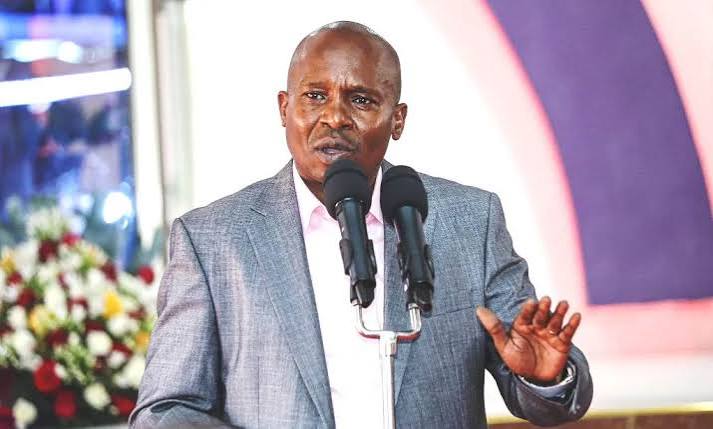
Deputy President Kindiki Challenges former government officials over their development record
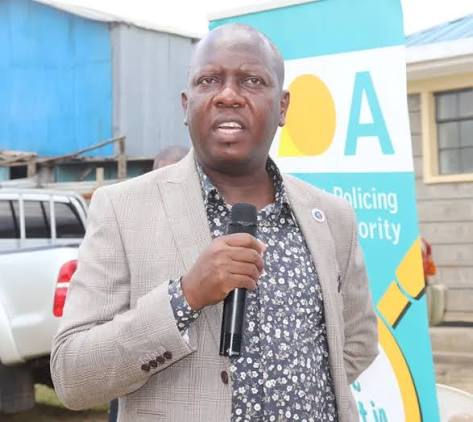
Deputy President Kithure Kindiki has challenged former senior government officials to account for their development record, questioning why they are now criticising the current administration despite having previously held influential positions in government. Kindiki argued that some of the leaders had sufficient opportunities to initiate and deliver development projects but failed to meet the expectations of Kenyans. He urged them to allow the current administration to focus on implementing its development agenda instead of continuously lecturing the government from outside power. The Deputy President maintained that the government remains committed to delivering projects across the country, improving infrastructure and ensuring equitable development for all regions. His remarks come amid growing political exchanges between government and opposition leaders as political activities intensify ahead of the 2027 General Election.
Deputy President Kithure Kindiki has criticised former senior government officials over their development record, questioning why they are now lecturing the current administration despite having previously held powerful positions in government. Kindiki argued that some of the leaders currently criticising the government had sufficient opportunities to serve Kenyans and implement meaningful development projects but failed to deliver according to the expectations of the people.
The Deputy President maintained that leaders who previously occupied senior government positions should reflect on their performance before attempting to blame the current administration for challenges facing the country. He challenged them to demonstrate what they achieved during their time in office instead of continuously questioning the government's development agenda.
Kindiki's remarks come amid growing political exchanges between leaders serving in government and those who have moved to the opposition. The political environment has increasingly been characterised by disagreements over development priorities, the management of public resources and the government's performance in delivering its promises.
The Deputy President insisted that the current administration should be given an opportunity to implement its programmes without unnecessary political distractions. He maintained that the government remains focused on delivering projects intended to improve the lives of Kenyans across different regions.
According to Kindiki, development should be measured through tangible projects and services that directly benefit citizens rather than political statements and public criticism. He argued that Kenyans expect leaders to demonstrate their commitment through practical action, including improving infrastructure, expanding economic opportunities and strengthening access to essential services.
His remarks also highlighted the growing debate surrounding the responsibilities of former government officials after leaving public office. Leaders who previously served in influential positions often remain active in national politics, with some joining opposition formations and using their experience to challenge the policies and decisions of the sitting administration.
However, Kindiki questioned the credibility of criticism from individuals who previously had the opportunity to influence government decisions and implement development programmes. He maintained that public leadership comes with responsibilities and that those who have served should be prepared to account for their performance.
The Deputy President's comments come at a time when the government is undertaking development activities in different parts of the country. The administration has continued highlighting investments in roads, electricity connectivity, affordable housing, healthcare, education and other sectors as part of its development priorities.
Kindiki has repeatedly maintained that the government's development agenda is intended to benefit all regions rather than concentrating resources in selected areas. He has also defended the administration's approach to distributing national resources, arguing that every part of the country deserves access to development opportunities.
The question of equitable development has remained an important issue in Kenya's political discussions, with leaders from different regions frequently raising concerns about infrastructure, employment opportunities and access to government services.
For the current administration, ensuring that development projects reach communities across the country has been presented as a major priority. Government leaders have continued using public engagements to explain ongoing projects and outline plans aimed at addressing historical development challenges.
Kindiki's criticism of former officials also reflects the increasing political competition ahead of the 2027 General Election. As political formations begin positioning themselves for the next electoral contest, government and opposition leaders have intensified their exchanges over development records, economic policies and leadership performance.
Opposition leaders have increasingly questioned the government's handling of various national issues, including the cost of living, taxation, unemployment, public debt and the implementation of development promises. They have also called for greater accountability in the management of public resources and improved delivery of essential services.
On the other hand, government leaders have maintained that the administration inherited several economic and development challenges and requires sufficient time to implement its programmes. They have continued defending ongoing projects while urging critics to provide alternative proposals rather than concentrating entirely on attacking the government.
Kindiki's latest remarks appear to reinforce this position, with the Deputy President challenging former officials to demonstrate what they would do differently if given another opportunity to serve in government.
The debate over development records is particularly significant because public infrastructure and service delivery remain central concerns for many Kenyans. Communities continue demanding better roads, reliable electricity, improved healthcare facilities, quality education and increased economic opportunities.
In rural areas, road connectivity remains important for farmers transporting agricultural produce to markets, while electricity access continues to influence the growth of small businesses and industries. Better healthcare facilities and educational infrastructure are also essential in improving living standards and expanding opportunities for young people.
The government has maintained that its development strategy seeks to address these challenges through investments in different sectors. Kindiki has been among the senior officials defending the administration's commitment to ensuring that public resources support projects with direct benefits to ordinary citizens.
However, the effectiveness of development programmes remains a subject of public debate, with citizens continuing to assess government performance based on completed projects, service delivery and the impact of policies on their daily lives.
The Deputy President's remarks also raise questions about the role of political experience in shaping national development discussions. Former government officials possess knowledge of public administration and policymaking, which can contribute to debates about the country's development direction.
At the same time, their previous responsibilities place them in a position where their own records can become part of the discussion whenever they criticise the performance of a new administration.
Kindiki appears to be arguing that political criticism should be accompanied by accountability and practical alternatives. Rather than simply pointing out shortcomings, he wants former officials to explain how they would address the country's challenges and what development priorities they would pursue.
The remarks are likely to generate further reactions from opposition politicians, particularly those who previously served in senior positions under different administrations. Some may defend their records by highlighting projects implemented during their time in government, while others may continue questioning the current administration's priorities.
The exchange also demonstrates how development has become a central issue in the political competition between government and opposition leaders. Both sides are seeking to convince Kenyans that their respective approaches offer the best solutions to the country's economic and social challenges.
As the 2027 General Election approaches, discussions about leadership performance, accountability and development delivery are expected to feature prominently in political engagements across the country.

You Might Also Like
-
A 65-year-old man has been sentenced to life imprisonment after being convicted of defiling an 11-year-old girl in Kone Village, Tana River County, in an incident that occurred last year. The court's decision highlights the serious legal consequences of sexual offences against children and the impor
-
Director of Public Prosecutions Renson Ingonga has called for greater use of alternatives to prosecution to help address the growing challenge of case backlogs and improve the efficiency of Kenya’s justice system. The move seeks to encourage the resolution of suitable cases through lawful alternat
-
Heavy rainfall is expected across several parts of Kenya over the next seven days, with isolated areas likely to record cumulative rainfall amounts exceeding 120mm. The Kenya Meteorological Services Authority has warned that the rainfall will affect the Highlands East and West of the Rift Valley, La
-
The United States has tightened international air travel restrictions in response to the ongoing Ebola outbreak, introducing tougher measures targeting travellers who have recently visited the Democratic Republic of Congo (DRC). Under the new directive, individuals who have been in the DRC within th
-
Eight people, including five engineers, two Kenya Police Reservists and a driver, have been killed in a deadly morning ambush by unidentified gunmen along the Mandera-Arabia-Lafey road in Mandera County. The attackers reportedly targeted a security vehicle escorting workers involved in an ongoing ro
-
Kenya's strengthened cooperation with the World Health Organization represents an important step towards containing the Bundibugyo Ebola virus and protecting the population from further infections. Through joint efforts in disease surveillance, contact tracing, laboratory testing, healthcare worker