



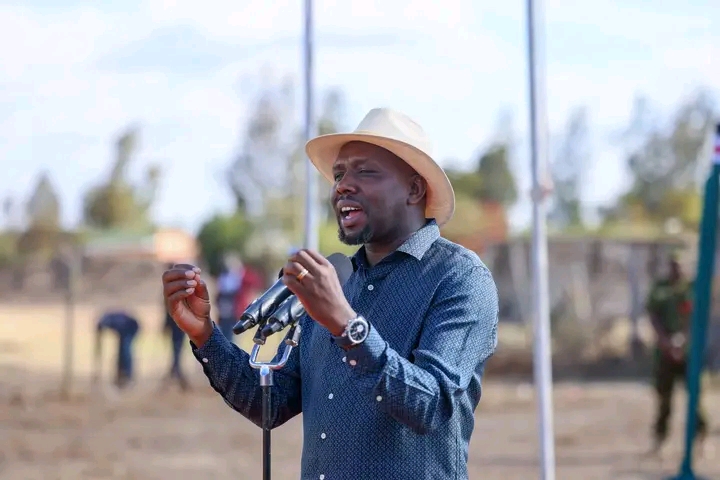
Kipchumba Murkomen Sends Strong Warning in Nyeri: “We Will Not Allow Politicians to Use Youth for Violence”
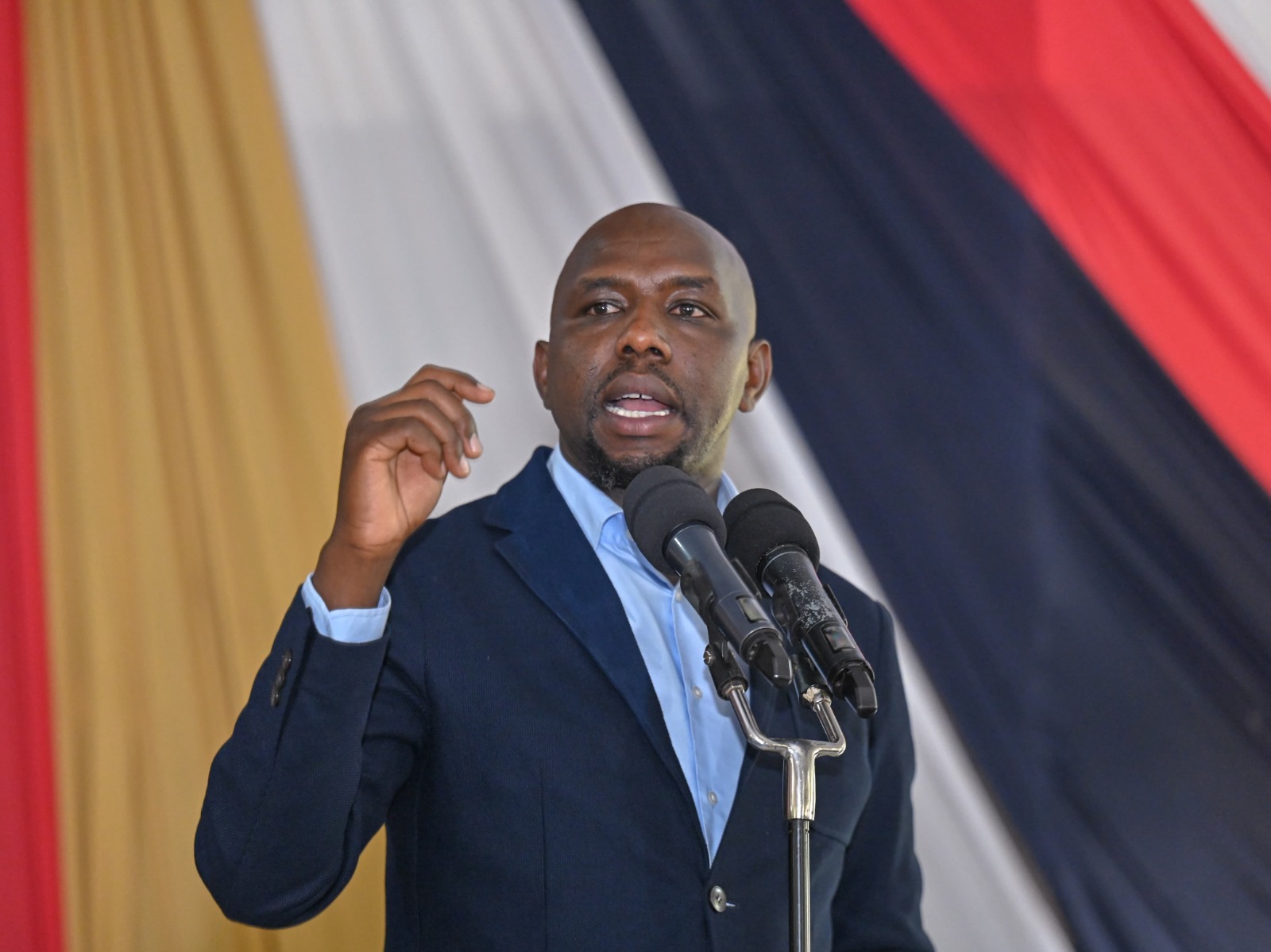
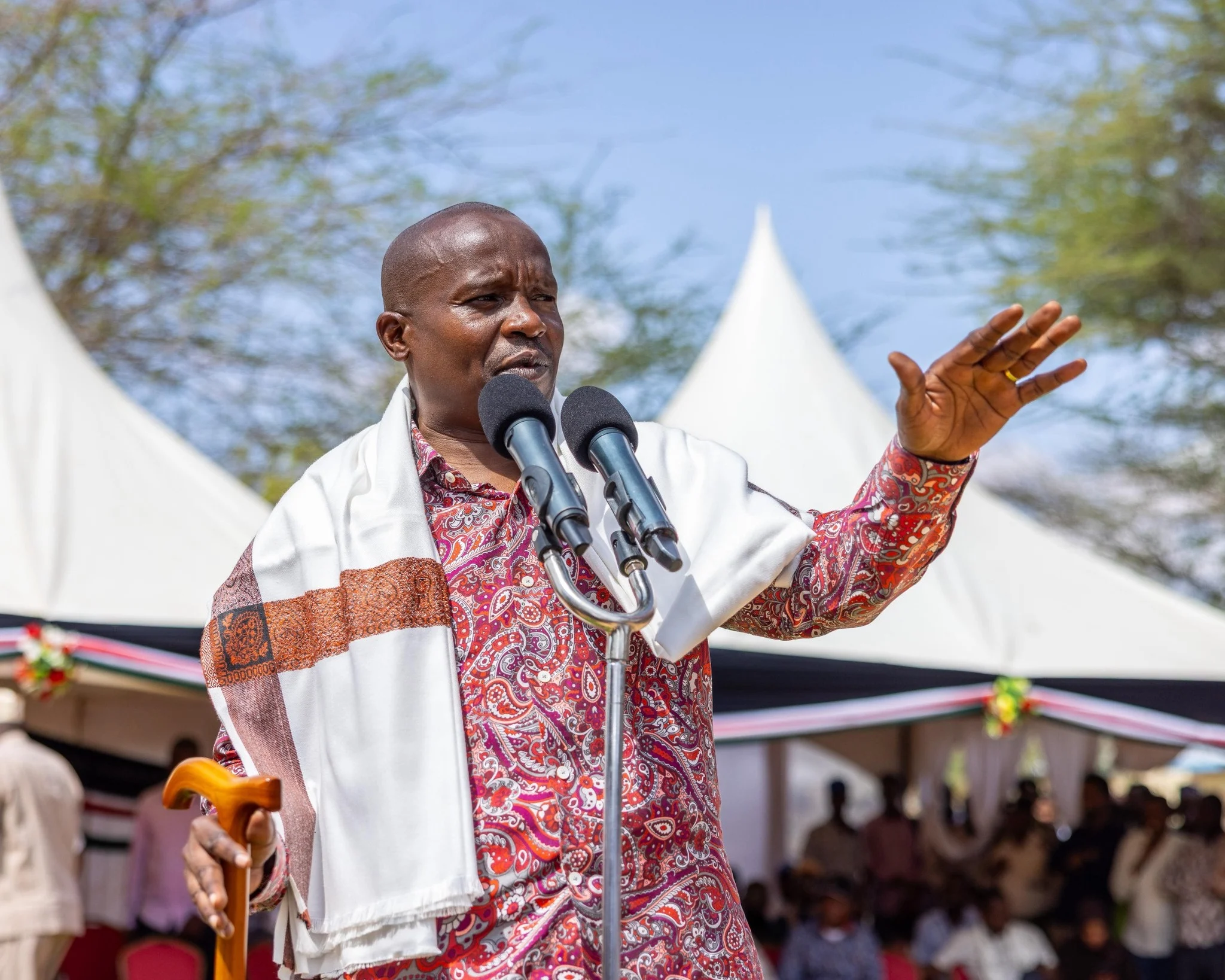
Kipchumba Murkomen's visit to Nyeri on September 19, 2026, was marked by a strong security message ahead of the 2027 General Election. He warned politicians against using young people to cause violence and assured Kenyans that security agencies would work to ensure peaceful elections. He also put drug dealers, illicit alcohol manufacturers, suppliers and alleged financiers of political violence on notice, saying the government had strengthened enforcement operations. At the same time, Murkomen addressed local economic concerns, including agriculture, coffee theft and livestock theft, while presiding over the launch of the Kieni West Onion Farmers Cooperative. His remarks placed security and economic development side by side, with the broader message that political competition, criminal enterprises and illegal trade should not threaten the safety and livelihoods of Kenyans. For Nyeri residents and the wider country, his statements are particularly significant because they come as political mobilisation gradually intensifies ahead of the 2027 elections. The effectiveness of these commitments will ultimately depend on how security agencies implement the law consistently and how political leaders and their supporters conduct themselves during the coming campaign period.
Interior and National Administration Cabinet Secretary Kipchumba Murkomen delivered a series of strong messages in Nyeri County on Saturday, September 19, 2026, focusing mainly on security, political violence, illicit alcohol and drugs, the protection of young people, and preparations for the 2027 General Election.
Murkomen's remarks came as Kenya moves closer to the 2027 elections, a period when political activity is expected to intensify across the country. Speaking in Kieni and at St George’s, Gataragwa-Kiawara grounds, he warned politicians, criminal networks and people allegedly financing violence that security agencies would take action against them.
Warning against using youth to cause violence
One of Murkomen's strongest messages in Nyeri concerned the use of young people in political violence.
Speaking in Kieni, the Interior CS directed security officials to ensure politicians do not get an opportunity to mobilise young people to cause violence.
Murkomen said security agencies would not allow politicians to use the youth as instruments of violence, regardless of the political motivation behind such actions. He warned that people involved would face government action.
He stressed that political competition should not become a reason for Kenyans to fight, injure one another or destroy property. According to Murkomen, his responsibility as the Cabinet Secretary in charge of security extends beyond protecting people during election day.
He said his mandate was to ensure that Kenya remains safe before, during and after the 2027 General Election.
This was particularly significant because Kenya's previous electoral cycles have at times been associated with political clashes and violence. Murkomen's remarks therefore placed emphasis on prevention rather than waiting for violence to occur before security agencies respond.
Murkomen promises security during the 2027 elections
Murkomen also assured Kenyans that the government would work to provide security throughout the 2027 election period.
He said that, as the Cabinet Secretary responsible for security, he would ensure that the elections are free, fair and secure.
The statement was part of a broader warning to political actors against incitement, profiling opponents and mobilising supporters to attack people associated with rival political parties.
Murkomen referred to remarks allegedly being made by unnamed political actors against people perceived to support President William Ruto's party. He said the government would not allow political disagreements to develop into threats against individuals or groups.
His message was that political competition must remain within peaceful and lawful boundaries. Rather than allowing political mobilisation to spill into physical confrontation, security agencies would intervene where there are threats of violence.
Warning to people financing political violence
Another major issue raised by Murkomen was the alleged connection between the illegal alcohol and drug trade and political violence.
The Interior CS warned people who allegedly use proceeds from illicit alcohol and drugs to finance political activities involving violence.
Murkomen said such individuals were already on the radar of security agencies.
He stated that the government had strengthened the Anti-Narcotics Unit and was intensifying operations against people involved in the production, supply and distribution of illicit drugs and alcohol.
The warning was particularly directed at individuals who may attempt to hide behind legitimate businesses while allegedly producing or distributing illegal alcoholic products.
According to Murkomen, some operations had already resulted in factories being closed and suspects being arrested, while other individuals had been identified for further action.
Focus shifts from small brewers to major suppliers
Murkomen's comments also indicated a shift in the government's approach to the fight against illicit alcohol.
Rather than concentrating exclusively on small-scale brewers, he said authorities were increasingly targeting industrial manufacturers, major suppliers, transporters and financiers involved in the illegal trade.
This means the government wants to pursue the wider supply chain behind illicit alcohol instead of focusing only on the individuals selling the final product.
Murkomen claimed that some facilities could appear legitimate from the outside while allegedly producing illicit or substandard alcohol in hidden parts of their operations.
He warned that people involved in such activities should expect enforcement action.
The government has been conducting a nationwide crackdown on illicit brews, counterfeit alcohol and drugs, with several government agencies involved in the operations.
Nyeri's alcohol consumption
Murkomen also spoke about alcohol consumption in Nyeri County.
He claimed that the county had recorded a reduction in alcohol consumption following government interventions against illicit alcohol.
According to his remarks, Nyeri had previously ranked much higher nationally in terms of alcohol consumption but had moved to approximately ninth or tenth position.
He encouraged residents to continue reducing alcohol consumption, particularly harmful and unregulated alcoholic products.
Murkomen's comments linked the fight against illicit alcohol to broader concerns about public health, young people and security.
His argument was that reducing the availability of illicit alcohol would not only protect consumers but could also weaken networks that allegedly use proceeds from illegal businesses to support criminal or political activities.
Launch of the Kieni West Onion Farmers Cooperative
Murkomen's visit to Nyeri was not exclusively about security.
At St George’s, Gataragwa-Kiawara grounds, he presided over the launch of the Kieni West Onion Farmers Cooperative.
The event brought together farmers and political leaders and provided an opportunity to discuss agriculture and economic activities in the region.
Murkomen said the government would continue implementing targeted interventions in the agricultural sector to support farmers.
This was significant because agriculture remains an important source of income for many households in Nyeri and other parts of central Kenya.
The cooperative approach is intended to give farmers greater opportunities to organise their production and marketing activities. Cooperatives can also provide a platform through which farmers can collectively address issues such as access to markets, inputs and bargaining power.
Murkomen therefore connected his visit to Nyeri's agricultural economy while also delivering his broader security message.
Coffee and livestock theft
The Interior CS also promised continued government action against coffee theft and livestock theft.
These are issues that directly affect farmers and rural communities.
Coffee theft can deprive farmers of income from their produce, while livestock theft affects households that depend on animals for food, income and savings.
By raising these issues during an agricultural event, Murkomen presented security as part of the wider economic wellbeing of rural communities.
His message was that government security agencies should not only respond to major political threats but should also address criminal activities that affect ordinary citizens and farmers.
Leaders who accompanied Murkomen
Murkomen's Nyeri visit also brought together several national and local leaders.
Among those who accompanied him were National Assembly Majority Leader Kimani Ichung’wah, Nyeri Senator Wahome Wamatinga and several Members of Parliament, including Rahab Mukami, Njoroge Wainaina, Erick Wamumbi and Irene Njoki, as well as nominated MP Sabina Chege and other leaders.
Their presence gave the event both an agricultural and political dimension, although Murkomen's central message as Interior CS was focused on security and peaceful political activity.
Why Murkomen's remarks matter ahead of 2027
The timing of Murkomen's remarks is important.
Kenya is approaching the 2027 General Election, meaning political parties, politicians and supporters are expected to become increasingly active.
The Interior Ministry plays a major role in coordinating national security and working with agencies responsible for maintaining law and order.
Murkomen's warning therefore signals that the government intends to pay close attention to political activities that could potentially lead to violence.
His remarks also come after he recently told the Senate that 1,189 people had been sentenced for offences linked to political violence and goonism since 2022. He also reported that more than 121,000 young people had been incarcerated in correctional facilities between 2022 and 2026, including thousands serving sentences associated with criminal gangs, violent extremism and political goonism.
These figures were presented by Murkomen as evidence that authorities are already dealing with individuals involved in violence and criminal activity.
Message to politicians
The central political message from Murkomen was that politicians should not recruit, encourage or manipulate young people into violence.
His warning was directed at politicians across the political divide rather than being limited to one party.
He argued that political disagreements should not result in Kenyans attacking each other.
The CS also warned politicians against profiling their opponents or describing supporters of rival political groups in ways that could encourage hostility.
According to Murkomen, security agencies would intervene where political rhetoric crosses into threats or violence.
Message to drug and alcohol dealers
Murkomen's second major message was aimed at people involved in illicit alcohol and drug networks.
He warned manufacturers, suppliers and financiers that security agencies were pursuing them.
The government has strengthened the Anti-Narcotics Unit and is seeking to use intelligence-led operations against larger networks involved in illicit drugs and alcohol.
The CS's remarks suggest that authorities are particularly interested in the financial side of the illegal trade, including people who may allegedly use proceeds from illicit businesses to finance political violence.
A broader security message
Taken together, Murkomen's Nyeri remarks were centred on three broad areas: protecting Kenyans from crime, preventing political violence and disrupting illegal financial networks.
He linked these issues by arguing that proceeds from illegal alcohol and drugs could potentially support political violence.
His message was therefore not simply about banning illicit alcohol. It was also about following the money and identifying people who allegedly benefit from illegal activities.
At the same time, he connected security to agriculture by addressing coffee and livestock theft and supporting the launch of the onion farmers' cooperative.

You Might Also Like
-
CS Kipchumba Murkomen has defended Kenya’s bid to host the 2029 World Athletics Championships, saying the country is transparent about doping cases and remains committed to fighting the vice
-
TRAGEDY IN BOMET: A first-year Bomet University student has tragically drowned at Mashinani Dam while reportedly fetching water. Her body was later retrieved as authorities investigate the incident.
-
President William Ruto has departed for New York to attend the 81st UN General Assembly, where he is expected to engage world leaders and advance Kenya’s diplomatic, economic and development interests.
-
DP Kithure Kindiki says he will ignore his critics and remain focused on his responsibilities, urging attention to the Government’s mission and service delivery.
-
President William Ruto's departure for New York is centered on Kenya's participation in the 81st United Nations General Assembly and a wider programme of diplomatic and economic engagements. His agenda includes attracting investment, promoting an Africa-financing-Africa approach, advancing artificia
-
KIRIGITI, KIAMBU: More than 30,000 Gikuyu, Embu, Mbeere and Ameru elders gathered at Kirigiti Stadium, calling for unity, peace, reconciliation and patriotism while pledging to support national development.