



Murkomen Sends Strong Security Message: Government Steps Up War on Banditry, Crime and Illegal Guns
Murkomen's latest statements present national security as a major government priority. He has maintained that the government will continue confronting banditry, recovering illegal firearms and dismantling criminal networks while strengthening the capacity of security agencies. His remarks about the recovery of thousands of illegal firearms and ammunition demonstrate the scale of the government's focus on disarmament in banditry-prone areas. The deployment of newly trained National Police Reservists and the graduation of additional police officers are also part of efforts to increase security personnel. At the same time, Murkomen has directed security officers to exercise caution and minimize harm to civilians during operations. He has also warned against political incitement and the misuse of security personnel or firearms for political purposes. With Kenya preparing for the 2027 General Election, security preparations are likely to remain a major national issue. Murkomen's position is that security agencies must remain prepared to protect lives, property and public order before, during and after the elections. Ultimately, the effectiveness of these measures will depend on enforcement of the law, professional conduct by security officers, cooperation between communities and security agencies, recovery of illegal weapons, and efforts to address the underlying causes of conflict in areas affected by banditry.
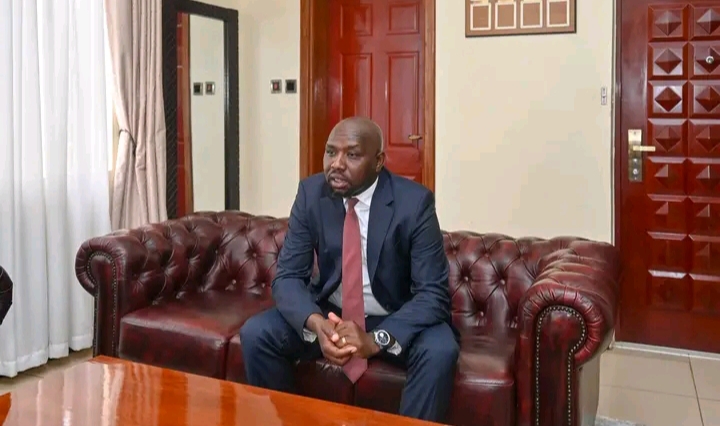
Interior and National Administration Cabinet Secretary Kipchumba Murkomen has issued a series of strong statements on the security of the nation, emphasizing the government’s determination to protect Kenyans, tackle banditry, recover illegal firearms and maintain peace across the country.
His latest remarks come at a time when security remains a major national concern, particularly in areas affected by banditry, cattle rustling, illegal firearms and politically linked violence. Murkomen has maintained that security agencies will continue working to protect lives and property while urging communities to cooperate with the government in the fight against criminal networks.
Government commitment to national security
Murkomen has repeatedly stated that the government will not allow insecurity to undermine the lives and livelihoods of Kenyans. In remarks reported on September 27, 2026, he said the government was committed to ending banditry in areas that have experienced insecurity for many years, including parts of the Kerio Valley, Pokot, Turkana, Samburu, Elgeyo Marakwet, Isiolo and Laikipia.
The Interior CS said the objective is to ensure that Kenyans can live peacefully regardless of where they reside. His comments highlight the government's broader security approach, which combines policing, recovery of illegal weapons and efforts to dismantle criminal networks.
Murkomen's statement also comes against the background of continued government operations in areas where banditry has affected communities, businesses, transport and agricultural activities.
Fight against illegal firearms
One of the major issues highlighted by Murkomen is the proliferation of illegal firearms.
According to the CS, security agencies have recovered approximately 3,000 illegal guns and 8,000 rounds of ammunition in banditry-prone areas over a period of about one and a half years. He said the recovery of illegal weapons remains an important part of efforts to reduce deaths and livestock theft.
Illegal firearms have long complicated security operations in some parts of northern and Rift Valley Kenya. Armed criminal groups can use such weapons to attack communities, steal livestock and resist security operations.
Murkomen has therefore warned individuals who are still holding illegal firearms that security agencies will continue with efforts to recover them.
The government's position is that reducing the number of illegal weapons in communities can help prevent armed confrontations and make it easier for security agencies to restore order.
Security operations against banditry
Murkomen has also defended ongoing security operations against banditry.
In Samburu, for example, the CS recently defended an intelligence-led security operation targeting people accused of involvement in banditry and illegal activities. At the same time, he directed security agencies to exercise maximum caution to minimize unintended harm to civilians and their property.
The statement is significant because security operations in areas affected by banditry can involve difficult terrain, armed suspects and communities whose livestock and livelihoods are closely connected to the affected areas.
Murkomen acknowledged reports of livestock being killed during an operation and said security officers must take the greatest possible precautions to avoid collateral damage.
This indicates that while the government intends to continue security operations, it is also emphasizing the need for security personnel to operate within the law and protect innocent civilians.
Newly trained National Police Reservists
Another part of the government's security strategy is the use of National Police Reservists (NPRs) in areas affected by insecurity.
On September 23, Murkomen presided over the passing-out ceremony of 705 newly trained National Police Reservists at Magado in Meru County. He warned the officers that firearms entrusted to them must be used to protect communities rather than threaten them.
The CS emphasized discipline and warned that reservists who misuse firearms for personal interests could face prosecution.
The government views reservists as an important component of community-based security, particularly in areas affected by cattle rustling and banditry.
Murkomen also cautioned the officers against being used by politicians to promote violence between communities. He urged them to remain focused on their responsibilities as security officers.
The warning reflects concerns that armed individuals could potentially be exploited during political disputes or community conflicts.
Security ahead of the 2027 General Election
National security has also become increasingly connected to preparations for the 2027 General Election.
Murkomen said in September that security agencies were preparing to ensure that campaigns and the elections take place peacefully. He stated that the government would work to provide security before, during and after the election period.
He warned politicians against profiling opponents, inciting violence or encouraging supporters to attack political rivals.
The CS also warned individuals involved in financing political violence through proceeds from illicit alcohol and drugs, saying security agencies were monitoring such activities.
His remarks come as political activities increase ahead of the 2027 polls. Kenya has experienced election-related violence in previous electoral cycles, making security preparations an important part of election planning.
Murkomen has therefore presented the government's security preparations as an effort to prevent violence rather than respond to it after it occurs.
Warning against political incitement
Murkomen has repeatedly called on Kenyans and political leaders to avoid inflammatory statements.
He has said security agencies will take action against people who encourage violence or threaten political opponents. His position is that political disagreements should not be allowed to turn into physical confrontations.
The Interior Ministry has an important role in maintaining public order, but the enforcement of security measures also raises the importance of respecting constitutional rights, including peaceful political participation.
Murkomen's recent statements therefore place emphasis on maintaining public safety while security agencies prepare for an increasingly active political environment.
Strengthening police capacity
The government has also been expanding the capacity of the National Police Service.
On September 18, Murkomen said the passing-out of new General Service Unit recruits would strengthen the ability of the National Police Service to secure the country, including during the period leading to and during the 2027 General Election.
He urged the officers to maintain discipline and integrity as they begin their careers.
The addition of trained officers is intended to improve the capacity of security agencies to respond to crime, public disorder, terrorism and other threats.
The government's broader security strategy therefore involves both increasing personnel and improving coordination among different security agencies.
Community involvement in security
Murkomen has also stressed that national security cannot depend entirely on police officers.
On September 22, he called for greater participation by students in national security and peace-building initiatives. He said institutions of higher learning face unique security challenges and should participate in discussions on preventing conflict.
The initiative known as Jukwaa la Wasomi is described as a student-led programme focusing on mediation and preventive security.
This approach recognizes the importance of involving communities, young people, students and local leaders in preventing insecurity before it develops into violence.
Community cooperation can also assist security agencies in identifying criminals, recovering stolen property and reporting suspicious activities.
Security and economic development
Murkomen's statements also underline the connection between security and economic development.
Areas affected by banditry can experience disruptions to farming, livestock keeping, education, transportation and business.
According to Murkomen, improved security has already allowed residents in some affected areas to return to farming.
This is an important aspect of the government's security agenda because peace allows communities to concentrate on economic activities.
When farmers can access their land safely, children can attend school without fear, businesses can operate normally and livestock can be moved safely between markets and grazing areas.
Security is therefore not only about preventing crime but also about creating conditions in which communities can develop.
Cross-border and transnational security
Kenya's security concerns also extend beyond its borders.
The Interior Ministry has been involved in discussions on transnational organised crime and security cooperation with other countries. During a September 10 meeting with China's Vice Minister for Public Security, Murkomen discussed security cooperation and efforts to combat transnational organised crime. He also assured China of the safety of its citizens, contractors and investments in Kenya.
This demonstrates that national security involves more than domestic policing. Kenya must also cooperate with neighbouring and international partners to address crimes that cross national boundaries.
Such cooperation can involve information sharing, investigations, border security and efforts against organised criminal networks.
Balancing firm security action with protection of civilians
A major theme in Murkomen's recent statements is the government's determination to act firmly against criminals while asking security officers to exercise caution.
His comments on operations in Samburu illustrate this balance. While defending the security operation and insisting that the government would continue fighting banditry, he also instructed officers to minimize collateral damage.
This is particularly important in areas where security operations take place among civilian populations.
Effective security requires public cooperation, and public trust can be affected if innocent people or their property are harmed during operations.
The government's challenge is therefore to maintain strong action against armed criminals while ensuring that security agencies operate lawfully and responsibly.
The wider national security picture
Murkomen's statements show that Kenya's security agenda covers several interconnected issues: banditry, illegal firearms, cattle rustling, organised crime, political violence, border security and public order.
The government is using several approaches, including recruitment and training of police officers, deployment of National Police Reservists, recovery of illegal firearms, intelligence-led operations and community engagement.
The Interior CS has also emphasized the importance of preventing political actors from exploiting security challenges for violence.
As Kenya approaches the 2027 General Election, the management of political gatherings and campaigns is likely to remain an important part of national security discussions.

You Might Also Like
-
The High Court's decision on September 28, 2026, has brought an important stage of the contempt proceedings involving Inspector General Douglas Kanja to a close. Kanja was found in contempt over the failure by police to comply with an existing court order concerning timely public advisories before
-
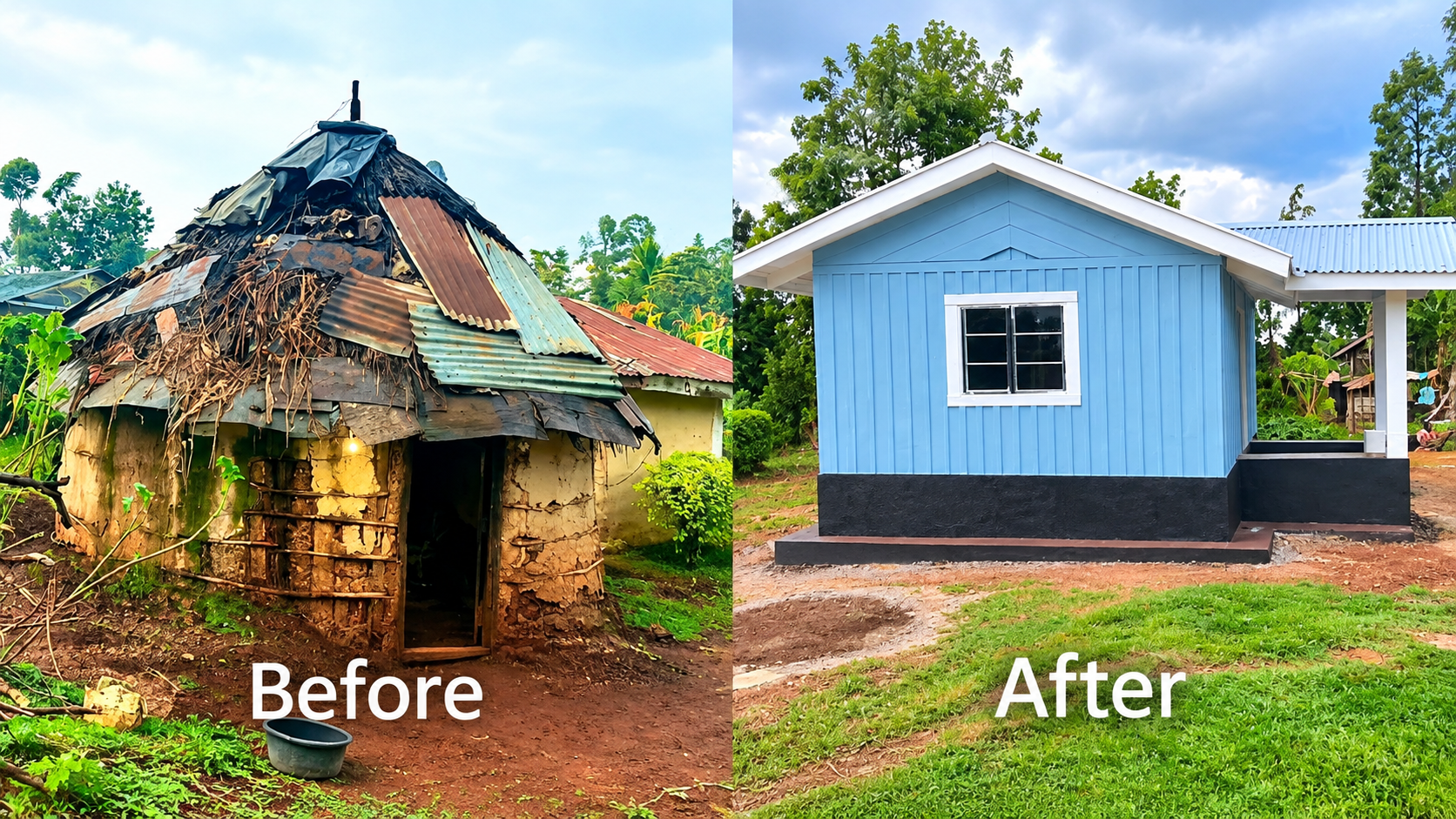 Residents of Bureti in Kericho County have come together to support Joseph Ngeno by helping construct a new house for him, demonstrating the power of unity, compassion and community solidarity. Through contributions of building materials, financial assistance and labour, the residents have shared th
 -
The coming together of political leaders from Emurua Dikirr during a Sunday church service provides an important picture of community interaction at a time when the constituency has experienced significant political changes. The presence and involvement of Aaron Cheruiyot, together with other leade
-
President William Ruto's visit to the Coast today comes as part of an extensive development tour covering all six coastal counties. In Kwale, the issuance of 94,175 title deeds has taken centre stage, giving thousands of beneficiaries formal documentation of their land ownership. Beyond land reform
-
IEBC has expanded diaspora voter registration from 12 to 26 countries ahead of the August 2027 General Election, giving more Kenyans abroad an opportunity to participate in the polls.
-
SHA has directed healthcare providers to renew their service contracts by September 30, 2026, to continue serving beneficiaries under the 2026–2029 contracting cycle.