National Assembly Passes Sexual Offences Amendment Bill to Protect Victims’ Rights
The National Assembly has passed the Sexual Offences (Amendment) Bill No. 78 of 2023, aimed at promoting public awareness, protecting victims’ right to education and aligning existing laws with the Constitution of Kenya. The proposed amendments highlight the importance of safeguarding victims’ rights, strengthening legal protections and improving public understanding of sexual offences. The Bill also underscores the need to create safer environments for victims and survivors to seek justice without fear of discrimination or stigma. It calls for greater awareness of the law and the responsibilities of institutions in protecting affected individuals. Its implementation will be crucial in ensuring that victims’ rights are respected and access to education is not disrupted by sexual violence.
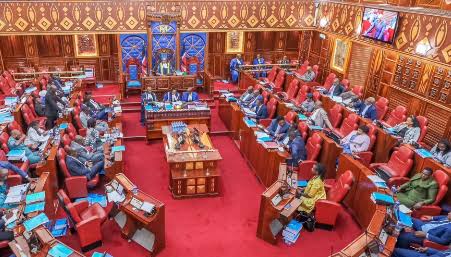
The National Assembly has passed the Sexual Offences (Amendment) Bill No. 78 of 2023, marking a significant step in legislative efforts to strengthen public awareness of sexual offences, protect victims’ rights to education and ensure that the existing legal framework is aligned with the Constitution of Kenya.
The proposed amendments seek to address concerns surrounding the handling of sexual offences, the protection of victims and the need for greater public understanding of the law. By passing the Bill, lawmakers have taken another step towards strengthening the legal framework governing sexual offences and improving the protection available to individuals affected by sexual violence.
The legislation places emphasis on the importance of public awareness, recognising that knowledge of the law is essential in preventing sexual offences and ensuring that victims understand their rights. Public education can help individuals identify abusive conduct, understand the available reporting mechanisms and seek assistance when their safety or dignity is threatened.
Sexual offences remain a serious social and legal concern, affecting individuals across different age groups and backgrounds. The consequences of sexual violence can extend beyond physical harm, affecting victims’ emotional well-being, social relationships, educational opportunities and participation in community life.
Through the proposed legal changes, Parliament seeks to strengthen awareness of sexual offences and promote a better understanding of the responsibilities of individuals and institutions in preventing abuse and protecting those affected.
One of the key issues highlighted by the Bill is the protection of victims’ right to education. Access to education is a fundamental right under the Constitution of Kenya, and the proposed amendments seek to reinforce the importance of ensuring that victims of sexual offences are not denied educational opportunities because of their experiences.
Victims of sexual violence may face several challenges when attempting to continue their education. These can include stigma, discrimination, emotional distress, financial difficulties and the fear of being judged by classmates or members of the community.
In some cases, victims may struggle to return to school because of concerns about their safety, a lack of adequate support or the failure of institutions to respond appropriately to their circumstances. Such challenges can interrupt learning and reduce the likelihood that affected individuals will complete their education.
Protecting victims’ educational rights is therefore an important part of ensuring that sexual violence does not permanently derail their futures. Schools and other educational institutions have a responsibility to provide safe and supportive environments in which learners can pursue their studies without discrimination or intimidation.
The proposed amendments also draw attention to the broader need to protect the dignity and rights of victims throughout the process of reporting and addressing sexual offences. Individuals who experience sexual violence should be able to seek assistance without being subjected to unnecessary humiliation, discrimination or intimidation.
A victim-centred approach requires institutions to treat affected individuals with respect, protect their privacy where required by law and ensure that complaints are handled appropriately. It also requires relevant authorities to take allegations seriously and provide information about the procedures available to victims seeking justice.
Public awareness is particularly important because a lack of knowledge about sexual offences can prevent victims and witnesses from reporting incidents. Some individuals may not understand what constitutes a sexual offence, while others may be afraid of the consequences of reporting abuse.
Fear of retaliation, social stigma and concerns about how authorities will respond can discourage victims from coming forward. Improving public understanding of the law may help address these barriers and encourage individuals to seek assistance through the appropriate channels.
Community education can also help challenge harmful attitudes that contribute to the mistreatment of victims. When communities understand that responsibility for sexual violence lies with the perpetrator, rather than the victim, they can play a more constructive role in supporting survivors and preventing further harm.
Parents, teachers, community leaders and other stakeholders have an important role in promoting awareness of personal safety, consent, respectful relationships and the legal consequences of sexual offences. Such efforts can help create environments where children and adults feel safer seeking help when they experience or witness abuse.
The passage of the Bill also raises the importance of aligning legislation with the Constitution. Kenya’s Constitution establishes fundamental rights and freedoms, including the right to education, equality, human dignity and access to justice.
Laws addressing sexual offences must operate consistently with these constitutional protections while providing an effective framework for preventing abuse, investigating complaints and holding offenders accountable through lawful procedures.
Constitutional alignment is important because legislation must reflect the principles and standards established by the country’s supreme law. Reviewing and amending existing laws can help address inconsistencies, clarify legal provisions and strengthen the protection of individual rights.
The legislative process also provides Parliament with an opportunity to consider the practical challenges that may arise when laws are implemented. By examining existing provisions and considering the objectives of proposed amendments, lawmakers can work towards a legal framework that responds more effectively to the needs of the public.
However, the effectiveness of any amendment will depend not only on its passage in Parliament but also on its implementation. Relevant government agencies, law enforcement officers, educational institutions and other stakeholders will need to understand their responsibilities and ensure that the law is applied appropriately.
Public awareness campaigns can help communicate changes in legislation and explain how the public can access support. These campaigns may also help clarify the responsibilities of institutions that interact with victims, particularly schools and agencies responsible for handling reports of sexual violence.
Training for relevant personnel can further strengthen the response to sexual offences. Those responsible for receiving complaints and supporting victims need appropriate knowledge of legal procedures, safeguarding requirements and the importance of treating affected individuals with dignity.
Educational institutions also need to maintain policies that protect learners from sexual harassment, exploitation and other forms of abuse. Where incidents occur, institutions should respond through appropriate procedures and cooperate with relevant authorities when required.
For victims, access to support services can make a substantial difference in their ability to recover and continue with their lives. Depending on individual circumstances, support may include medical care, counselling, legal assistance and protection from further harm.
Ensuring that victims can continue their education may also require practical arrangements that take their circumstances into account. These could include appropriate academic support, protection from harassment and access to counselling services.
Such measures can help reduce the risk of victims being excluded from education because of the consequences of sexual violence. They can also contribute to an environment in which affected individuals are treated fairly and have an opportunity to pursue their ambitions.
The Bill’s emphasis on public awareness further underscores the importance of involving communities in the prevention of sexual offences. Laws alone cannot eliminate sexual violence without broader efforts to promote respect, accountability and responsible behaviour.
Community members can contribute by reporting suspected abuse through appropriate channels, supporting victims without discrimination and avoiding the spread of private information that could expose affected individuals to further harm.
At the same time, allegations must be handled responsibly, with investigations conducted in accordance with the law and the rights of all parties respected. Protecting victims and ensuring fair legal procedures are important elements of a credible justice system.
The National Assembly’s passage of the Sexual Offences (Amendment) Bill No. 78 of 2023 therefore brings renewed attention to the relationship between legal protection, public education and the rights of victims.
The proposed changes seek to strengthen awareness of sexual offences, reinforce the importance of access to education for victims and promote consistency between the law and the Constitution.
The next steps in the legislative process and the eventual implementation of the amendments will be important in determining how the proposed measures translate into practical protections for the public.
For victims and their families, the central concern remains whether the legal framework can provide meaningful protection, support access to justice and prevent sexual violence from becoming a lasting barrier to education and personal development.
As the country continues to address issues surrounding sexual offences, sustained public education, effective enforcement of the law and cooperation among relevant institutions will remain essential.

You Might Also Like
-
The Kenya Meteorological Department's forecast for October 20–26, 2026, indicates that rainfall is expected in parts of 45 counties across western Kenya, the Rift Valley, Central Kenya, the Coast, the eastern region and the north-eastern counties. Afternoon thunderstorms are particularly relevant
-
Felix Koskei's participation in the Global Trust Summit 2026 placed Kenya's public service leadership within a major conversation about the relationship between institutions and the people they serve. The summit's first day focused on rebuilding trust from the frontline, examining democracy, publi
-
The October 21 protest by public health officers in Nairobi has brought renewed attention to the connection between workers' welfare, adequate staffing and Kenya's preparedness for infectious disease outbreaks. As their nationwide strike entered its 92nd day, the officers demanded the signing of a
-
Governor Patrick Ole Ntutu's reported peace message during the Mashujaa Day celebrations at Esoit Naibor Primary School highlights the importance of unity, security and cooperation in Trans Mara South. The gathering came amid concerns about inter-clan disputes and the need to prevent ethnic incitem
-
Deputy President Kithure Kindiki's development agenda in Gatundu North highlights two important areas: modern market infrastructure and improved road connectivity. Kanyoni Market represents the importance of supporting small-scale traders and farmers, while the inspection of the Thika–Magumu Mau M
-
Deputy President Kithure Kindiki's latest meeting in Karen on October 21, 2026, forms part of an intensified national campaign against illicit alcohol and drug cartels. The government reports that multi-agency teams carried out 125 raids over ten days, while new legislative proposals seek to strengt