



President Ruto Commissions Torit–Getarwet Road as South Rift Development Tour Enters New Phase
The commissioning of the Torit–Getarwet Road by President William Ruto today, September 9, 2026, represents an important moment in the President's ongoing South Rift development tour. The road is expected to strengthen connectivity, make transportation easier, support agriculture and trade, and improve access to essential services for communities in the area. More broadly, the commissioning reinforces President Ruto's message that roads are a major foundation for economic development. The speeches and public engagements surrounding the commissioning have centred on development, infrastructure delivery, economic opportunity and the government's commitment to projects in the South Rift. The event also forms part of a much larger four-day programme covering Bomet and Kericho counties.
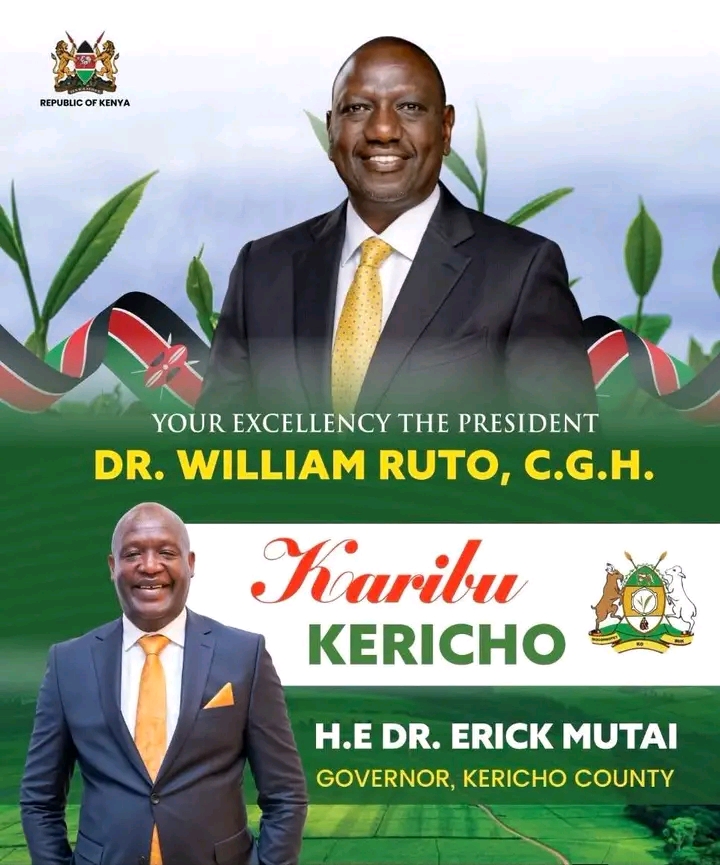
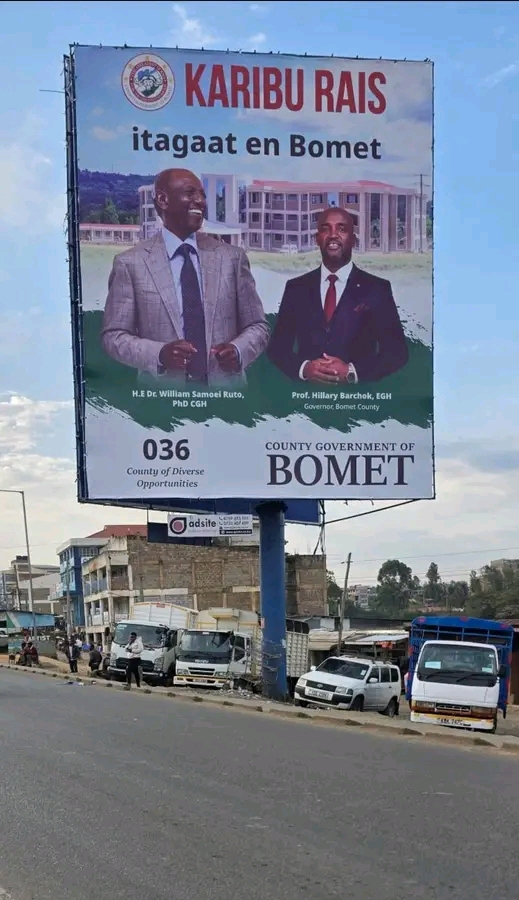
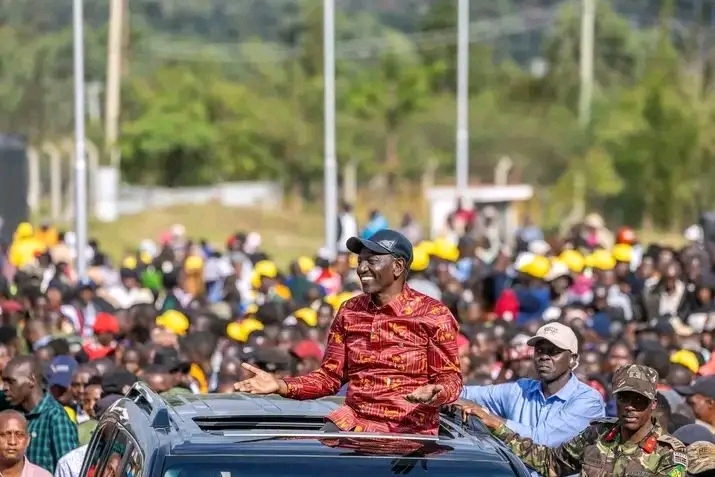
President William Ruto has today continued his development tour of the South Rift region, with infrastructure taking centre stage as the Head of State commissioned the Torit–Getarwet Road. The commissioning forms part of a wider four-day tour of Bomet and Kericho counties running from September 9 to September 12, 2026, during which the President is inspecting, launching and commissioning projects in roads, healthcare, housing and other sectors.
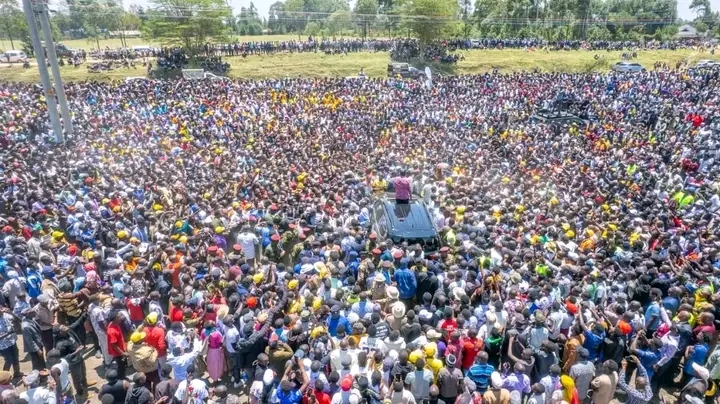
The road commissioning has attracted significant attention from residents and local leaders because improved road connectivity is expected to make movement easier, reduce transport challenges and support trade and economic activity in communities along the route.
He talked about the completion of the Kerenga Airstrip by December 2026.
He also promised 10 million Kenya shillings for Mindililwet Senior school.
He promised to build two referral hospitals one in Londiani and one in Kericho.
*Ruto's development tour of the South Rift*
The commissioning of the Torit–Getarwet Road is taking place against the background of President Ruto's extensive development tour of Bomet and Kericho counties.
According to the published programme, the President's four-day visit began on Wednesday, September 9, and is scheduled to run through Saturday, September 12. His itinerary includes inspections and commissioning of projects covering infrastructure, healthcare and affordable housing.
On the first day, President Ruto was scheduled to begin in Bomet by inspecting works at Itembe Airstrip before proceeding to the Bomet Mother and Child Hospital. He was also expected to inspect roads and Affordable Housing Programme developments in Bomet town before moving to other areas of Bomet and Kericho.
The road commissioning therefore fits into the broader government message that development projects must be spread across different parts of the country and that infrastructure should be used to open up rural and semi-urban communities.
Importance of the Torit–Getarwet Road
Road infrastructure is particularly important in a largely agricultural region such as the South Rift. Many residents depend on farming, small businesses, transport services and movement between markets.
A better road can reduce the time and cost required to transport agricultural produce. Farmers are able to move their tea, milk, vegetables and other products to markets more efficiently, while traders can access customers and suppliers more easily.
The road can also improve access to schools and health facilities. Residents who previously faced difficulties travelling during rainy conditions can potentially have more reliable access to essential services.
The wider government position is that road investment is not simply about improving transport but also about expanding economic opportunities. President Ruto has previously argued that increased investment in roads can accelerate economic growth by improving access to markets and opportunities.
The Torit–Getarwet project therefore fits into a broader infrastructure agenda that seeks to connect communities and stimulate economic activity.
President Ruto's message on infrastructure
One of the major themes associated with President Ruto's road-development speeches has been the need to expand Kenya's road network and improve connectivity.
The President has repeatedly presented infrastructure as a foundation for economic transformation. In previous remarks, he has emphasized that roads can connect producers to markets, reduce transportation costs and make it easier for people to access employment and services.
During today's commissioning, the focus on the Torit–Getarwet connection provided an opportunity to link local development with the national government's broader infrastructure programme.
The President's road agenda is also connected to his administration's longer-term plans for expanding and improving Kenya's road network. The government has previously announced ambitious plans involving the construction and upgrading of thousands of kilometres of roads over a decade.
*Message from local leaders*
The presence of local leaders during the President's tour has also highlighted the importance of the road to residents.
Local leaders generally use such occasions to present the priorities of their communities directly to the national government. Roads are frequently among the most important requests because they affect virtually every part of the local economy.
The South Rift tour has also brought together national and county-level leadership around development projects. In Bomet, Governor Professor Hillary Barchok has been among the leaders associated with the President's development engagements. The President's programme includes several projects within Bomet County before the tour proceeds through different parts of Kericho.
The message from local leadership has largely centred on the need for continued government investment in roads, healthcare, housing and other public infrastructure.
For residents, the commissioning is significant because it represents the transition from a road project being discussed or constructed to a completed or formally commissioned infrastructure asset that is expected to serve the community.
Economic impact expected from the road
One of the strongest arguments for the Torit–Getarwet Road is its potential economic impact.
Improved roads can benefit farmers in several ways. First, they can reduce the amount of money spent transporting farm produce. Secondly, they can reduce delays, especially when produce needs to reach markets quickly. Thirdly, better connectivity can attract traders and businesses to previously difficult-to-reach areas.
Small businesses can also benefit. Shops, markets, transport operators and other enterprises depend on the movement of people and goods. When roads improve, commercial activity can increase because customers and suppliers can move more easily.
The road can therefore become more than a transport route. It can form part of the economic infrastructure supporting communities in the region.
Access to health and education
Another important issue highlighted by road development is access to social services.
For patients, the condition of roads can determine how quickly they can reach hospitals and health centres. This is particularly important for emergencies, pregnant women, children and elderly people.
Similarly, students and teachers depend on reliable transport to reach schools. Better roads can make it easier for school-going children to travel, particularly in areas where poor roads become difficult to use during periods of heavy rainfall.
The President's South Rift tour has placed healthcare alongside roads as a major development priority. His itinerary includes the commissioning of the Bomet Mother and Child Hospital, demonstrating the administration's emphasis on infrastructure that directly affects people's daily lives.
Connection with other projects
The Torit–Getarwet Road commissioning is not an isolated activity. It forms part of a larger sequence of road and infrastructure projects being addressed during the President's visit.
The programme includes other road-related engagements in both Bomet and Kericho. On Thursday, the President is scheduled to visit areas including Furaha in Kipkelion East, Rungut Primary School and Kapkatet Stadium, before proceeding to Kiplokyi in Bomet Central and Kamureito in Sotik.
On Friday, the itinerary includes Kokwet in Kipkelion West and Kapsoit in Ainamoi, as well as an inspection of the Torit Junction–Kenegut–Kapsorok road.
This demonstrates that road connectivity is one of the central themes of the four-day tour.
A message about government delivery
Another important theme surrounding today's event is government delivery.
President Ruto's administration has increasingly presented completed projects as evidence that government programmes are reaching communities outside Nairobi and other major urban centres.
The commissioning of a road gives the government an opportunity to demonstrate physical development on the ground. Unlike policy announcements, infrastructure projects are visible to residents and can have an immediate impact on their daily lives.
At the same time, commissioning ceremonies give residents an opportunity to remind government leaders about unfinished projects and other needs in their communities.
This makes such events both development occasions and platforms for public engagement.
The President's wider political message
Although the visit is officially focused on development, President Ruto's public engagements often combine development messages with national political themes.
During his South Rift tour, the President has been speaking about government programmes and the need for continued development. His broader message has been that Kenyans should judge government by the projects being implemented and the services being delivered.
The timing is also significant because Kenya is approaching the 2027 General Election period. Consequently, large public development tours naturally attract political attention. However, the road commissioning itself is fundamentally an infrastructure event, with the central focus being the road and its expected benefits to residents.
What residents expect after commissioning
For residents, commissioning a road is not necessarily the end of the story. They will expect proper maintenance, drainage and protection of the road so that it remains usable for many years.
Road infrastructure requires continuous maintenance. Heavy rainfall, overloaded vehicles and normal wear can damage roads if maintenance is neglected.
Residents are therefore likely to expect both national and county authorities to ensure that the road remains in good condition.
They will also expect the improved connectivity to translate into broader economic benefits, including easier access to markets, employment opportunities and public services.
Broader South Rift development agenda
The Torit–Getarwet Road commissioning should also be viewed within the larger development agenda for Bomet and Kericho.
President Ruto's four-day tour includes roads, healthcare, affordable housing, markets and other infrastructure projects. The itinerary demonstrates an attempt to address multiple aspects of development rather than focusing on one sector.
The wider tour will continue into Kericho, where additional infrastructure projects will be inspected or commissioned.
You Might Also Like
-
President William Ruto is in Bomet today, Wednesday, September 9, 2026, as he begins a four-day development tour of the South Rift region covering Bomet and Kericho counties. The visit is focused on inspecting, launching and commissioning major projects in infrastructure, healthcare, affordable hous
-
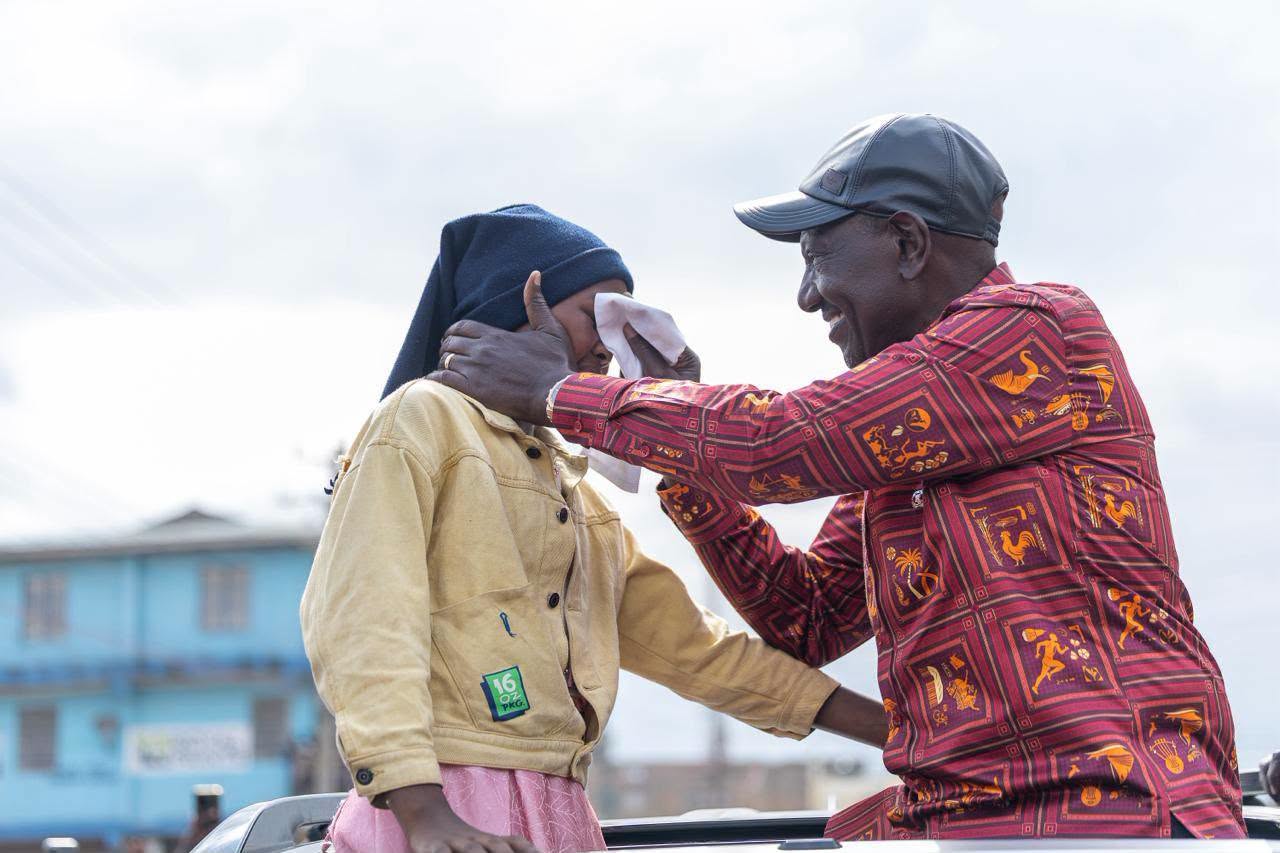
Young Chepchumba moved President William Ruto to tears during his development tour of Bomet, urging him to remain focused despite political criticism and negative labels from his opponents.
-
Kenya's nurses have officially called off their nationwide strike today, September 9, 2026, following a return-to-work agreement between the Kenya National Union of Nurses and Midwives and the Council of Governors. The industrial action had lasted about 43 days after beginning on July 29. KNUNM Secr
-
President William Ruto's signing of the Kenya-Italy-GKSD health partnership on September 8, 2026, marks an important development in Kenya's efforts to expand healthcare infrastructure. The programme will provide for 15 hospitals in 15 counties — 13 Level 5 county referral hospitals and two Level 6
-
President William Ruto’s visit to Kericho County is therefore an important development event for the region. Governor Dr Eric Mutai, local leaders and residents have welcomed the President as he undertakes a tour focused on development and the implementation of government projects. The projects e
-
President William Ruto's visit to Bomet today is one of the county's major development events of 2026. Governor Prof. Hillary Barchok and other leaders have welcomed the President, while residents have been preparing to turn out and participate in the historic tour. The visit begins with an inspect