



Rigathi Gachagua and the “One Candidate” Pledge: What It Means for Kenya’s 2027 Election
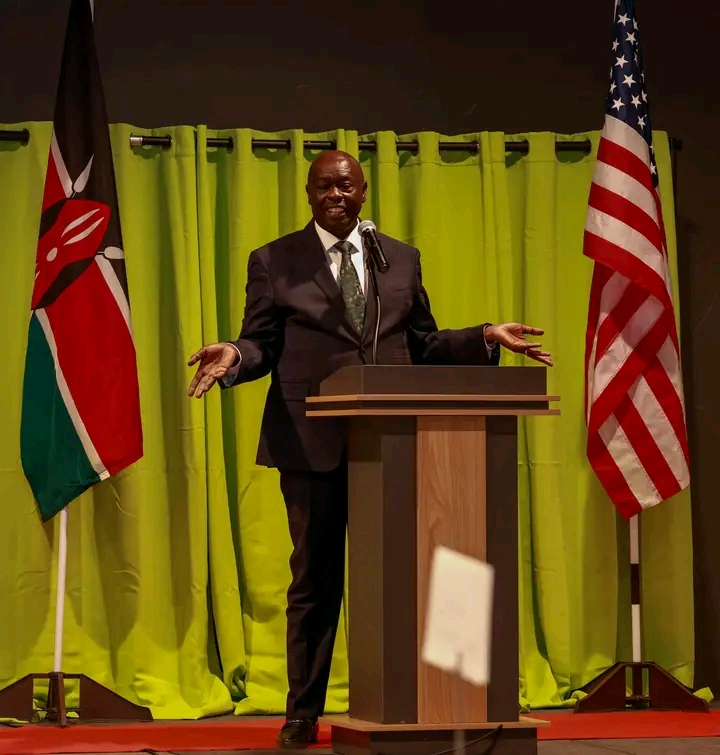
Rigathi Gachagua's one-candidate pledge has become one of the most important themes in his political activities ahead of Kenya's 2027 General Election. His central argument is that opposition leaders must put aside personal ambitions and agree on one presidential candidate who can consolidate their combined support against President William Ruto. Gachagua has maintained his own presidential ambitions, but he has repeatedly said that he will support another candidate if the opposition reaches a genuine agreement. The August 24 unity pact gave this idea greater political weight by formally committing opposition principals to a process for identifying and supporting one candidate. Gachagua's recent willingness to contemplate supporting or even deputising another candidate, including Edwin Sifuna, further demonstrates how strongly he is promoting the principle of unity. The real test, however, will come when the opposition has to choose its actual flag bearer. It is relatively easy for politicians to agree that there should be one candidate; the difficult question is whether all of them will accept the outcome when one leader wins the nomination and the others lose. If Gachagua and his colleagues honour the pledge, Kenya could witness one of the more significant opposition coalitions ahead of the 2027 election. If individual ambitions eventually override the agreement, the one-candidate strategy could face serious difficulties. For now, Gachagua's message remains clear: *the opposition should unite behind one candidate, and he says he is prepared to support whoever is legitimately chosen—even if that person is not himself.*
Former Deputy President Rigathi Gachagua has increasingly placed political unity and the selection of one opposition presidential candidate at the centre of his strategy ahead of Kenya’s 2027 General Election. His message is that opposition leaders should put aside individual ambitions and agree on a single candidate capable of challenging President William Ruto.
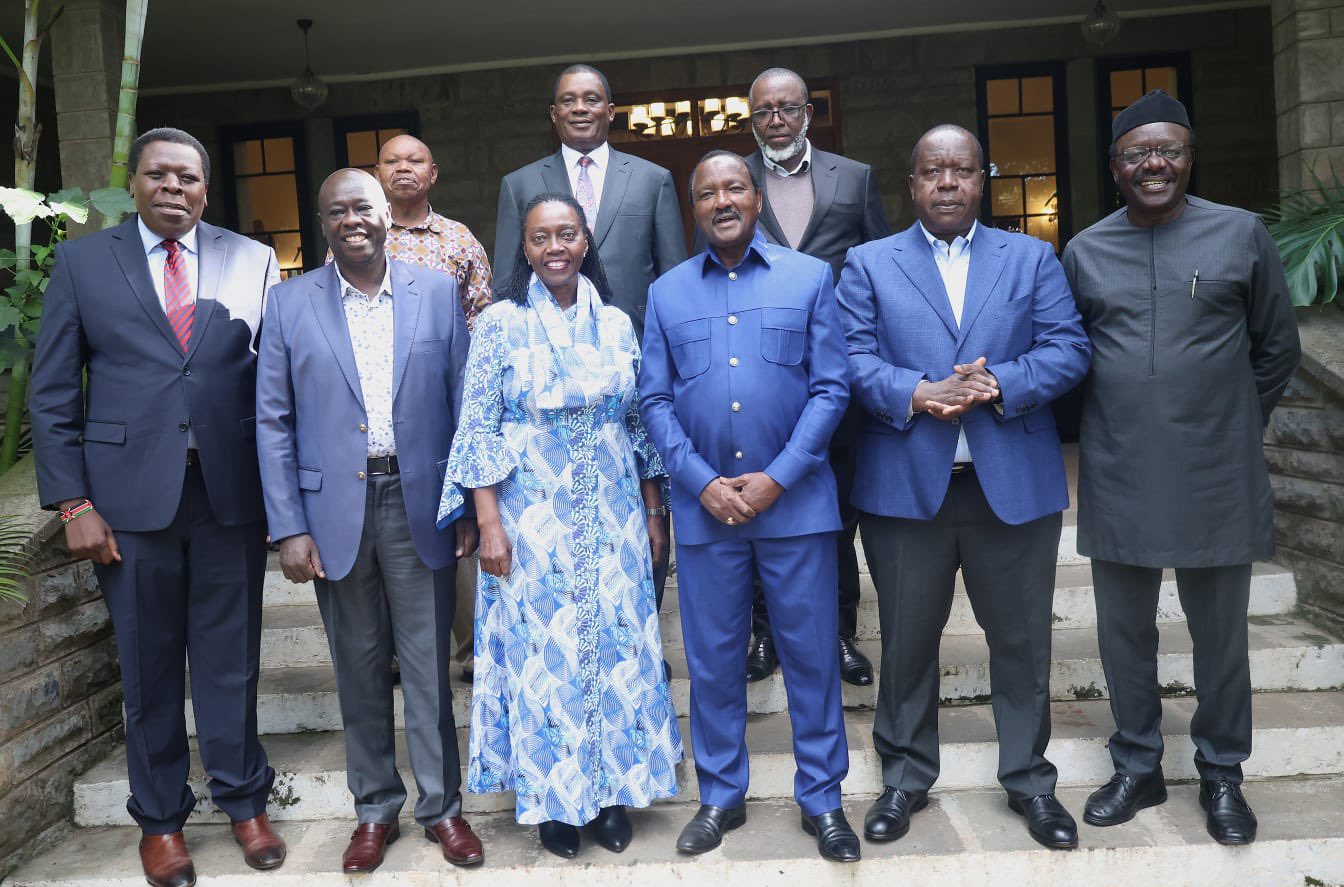
The issue has gained greater significance in recent weeks following the signing of a unity pact by opposition principals. On August 24, 2026, leaders associated with the United Alternative Government met at the Windsor Hotel in Kiambu County and signed a Personal Unity Pledge and Coalition Unity Agreement, committing themselves to remain united, participate in a process to identify one presidential candidate and support whoever emerges from that process.
For Gachagua, this position represents both a political strategy and a personal commitment. Although he has repeatedly presented himself as a strong potential presidential candidate, he has also said that he is prepared to support another opposition leader if that person is chosen through an agreed process.
Gachagua's call for one presidential candidate
Gachagua's argument is straightforward: a divided opposition could make it easier for President William Ruto to win another term, while a united opposition would have a stronger chance of consolidating votes across different parts of the country.
In August 2026, Gachagua said that the opposition's best opportunity was to settle on a single presidential candidate. He further pledged that if he did not receive the presidential ticket, he would support the candidate chosen by the opposition and could even take an active role in that person's campaign.
This is important because Kenya's presidential elections are strongly influenced by the ability of political coalitions to consolidate votes. When several candidates from broadly similar political camps compete against one another, they can divide support. Gachagua's proposal seeks to avoid such a situation by encouraging political leaders to agree on one candidate before the election.
The former Deputy President has therefore attempted to portray the one-candidate idea as being bigger than his personal presidential ambitions.
Gachagua is still interested in the presidency
Although he supports the idea of one opposition candidate, Gachagua has not withdrawn his own presidential ambitions.
In August, he described himself as a preferred candidate within the opposition coalition but simultaneously said that he would step aside if the opposition concluded that another person had a better chance of defeating Ruto. He said consultations had given him several political responsibilities, including holding the government accountable, helping unite the opposition and persuading political colleagues to support his presidential bid.
This creates an interesting political balance.
On one side, Gachagua wants to be considered seriously for the presidency. On the other, he wants to demonstrate that he will not allow his personal ambition to destroy opposition unity.
He has previously made the same argument in even clearer terms. In May 2026, he said that he would not become a divisive factor in the search for one presidential candidate. He acknowledged that he hoped the opposition would choose him but said he would support another candidate if that was the agreement reached by the coalition.
This pledge could become important as negotiations among opposition leaders become more intense.
The August 24 unity agreement
The most significant development in the one-candidate strategy came on August 24, 2026.
Opposition principals signed documents designed to formalise their commitment to working together. According to reports, the agreement requires the principals to remain within the coalition, participate in a credible process for choosing a presidential candidate and campaign for the person eventually selected.
The agreement is significant because political coalitions in Kenya have often faced difficulties after leaders fail to agree on who should lead them.
The latest pledge attempts to deal with that problem before the election campaign becomes fully intense.
Rather than allowing every leader to pursue an independent presidential campaign, the coalition wants to establish a mechanism through which one person becomes the flag bearer. The others would then be expected to support that individual.
For Gachagua, this fits closely with the position he has been promoting for months.
*Why the one-candidate strategy matters*
The biggest argument behind the pledge is vote consolidation.
Kenya's presidential election requires a candidate to win more than half of the national vote and meet the constitutional threshold for support in counties. Consequently, candidates need both a large national vote and geographical distribution.
An opposition coalition with several presidential candidates could potentially divide its support. A single candidate, on the other hand, could bring together supporters of several political parties and political personalities.
Gachagua therefore believes that bringing opposition voters behind one candidate could make the contest much more competitive.
He has repeatedly described one candidate as the easiest or surest strategy for challenging Ruto. Recent reports indicate that he has also said he is willing to support other figures, including Nairobi Senator Edwin Sifuna, if the broader opposition agrees on such a choice.
That statement illustrates how far the one-candidate argument has developed. It suggests that Gachagua wants the opposition to focus less on individual personalities and more on the process of choosing the person with the greatest chance of winning.
Gachagua's willingness to support another candidate
One of the most important parts of Gachagua's pledge is his stated willingness to support another person.
In June 2026, he said that if opposition colleagues agreed on another candidate, he and his supporters would support the agreed candidate.
This position helps him address concerns that his own presidential ambitions could interfere with coalition negotiations.
It also allows him to present himself as a team player while continuing to campaign for consideration as the eventual flag bearer.
In August, he went further by saying that if he did not receive the presidential ticket, he could become the campaign director for the eventual opposition presidential candidate.
Such a position could be politically significant because it demonstrates that the pledge is not simply about asking other candidates to step aside. Gachagua is also saying that he is prepared to accept the same principle himself.
His relationship with Edwin Sifuna
Gachagua's recent remarks about Edwin Sifuna have added another dimension to the one-candidate debate.
In September 2026, Gachagua said that Sifuna should pursue his political ambitions and indicated that he could even deputise him if the opposition ultimately agreed on Sifuna as its presidential candidate.
The statement is significant because it shows Gachagua's willingness to consider political arrangements beyond the traditional expectation that he must personally lead the ticket.
It also highlights the importance of generational politics within the opposition. Sifuna represents a younger generation of political leadership, while Gachagua is a more experienced national political figure.
If the opposition ultimately agrees on one candidate, the question of who becomes running mate or takes another senior role could become almost as important as the presidential nomination itself.
The role of Gachagua's political party
Gachagua is the leader of the Democracy for Citizens Party (DCP), which has become an important part of his political strategy.
The party has also attempted to portray itself as committed to internal democratic processes. In January 2026, Gachagua said DCP would not issue direct nomination tickets and that aspirants would have to compete in free and fair party primaries.
This position is relevant to the broader one-candidate debate because the opposition will need a credible mechanism for determining who gets the presidential ticket.
If leaders agree to support one candidate, questions will inevitably arise over how that candidate will be selected.
Possible approaches could include negotiations, opinion polling, delegates, party primaries or another agreed formula. The credibility of that process will determine whether leaders who lose the contest actually honour their pledges.
The challenge of keeping the opposition united
While the one-candidate pledge is politically attractive, keeping a coalition together will not be easy.
Several prominent opposition leaders may have presidential ambitions. Each has supporters, political networks and regional influence. Asking them to abandon their personal ambitions and campaign for another person will require significant trust.
The coalition must therefore ensure that the candidate-selection process is viewed as fair.
If one leader believes the process was manipulated, the entire agreement could come under pressure.
This is why the Personal Unity Pledge signed in August is important. The leaders are attempting to create a political commitment before the final candidate is announced.
The idea is that leaders should agree in advance that whoever wins the internal contest becomes everyone's candidate.
Gachagua's political calculation
For Gachagua, the one-candidate strategy also carries personal political advantages.
If he emerges as the opposition's preferred candidate, the unity agreement could provide him with support from several political formations.
If he does not emerge as the candidate, however, honouring his pledge could allow him to maintain influence within the opposition coalition.
His willingness to support another candidate could therefore strengthen his negotiating position while demonstrating his commitment to a broader opposition movement.
At the same time, his supporters will have to decide whether they are prepared to transfer their support to another candidate if Gachagua does not receive the ticket.
That will be one of the biggest tests of the pledge.
The wider 2027 political contest
The one-candidate debate must also be understood within the larger contest expected in the 2027 General Election.
Gachagua has made opposition unity a major part of his political message. Other opposition leaders are also engaged in discussions about forming a united political front.
The objective is to avoid a fragmented presidential race in which several opposition candidates compete separately against Ruto.
Reports in August indicated that opposition leaders had formally committed themselves to supporting a single candidate.
However, the final candidate has not been settled simply because a pledge has been signed. The difficult part will be translating the agreement into an acceptable candidate-selection process.

You Might Also Like
-
Jaswinder Bedi's decision to speak publicly has provided more information about the company behind Kenya's new police uniforms and the process through which it obtained the contract. Bedi Investments Limited, according to both the company and the National Police Service, is the manufacturer respons
-
The fire along the Voi–Taveta Road in Taita Taveta County on September 6, 2026, was initially reported as a possible tanker-related fire but was later confirmed by the Kenya Red Cross as a bush fire. The correction came after ground teams assessed the situation. The response brought together the
-
The death of Martina Chepkemoi Rutto has left her family facing profound grief while also demanding answers about what happened to their loved one. She had been reported missing on August 26 before her body was reportedly recovered from Kimugu River with multiple stab wounds. Police have opened inve
-
Content creator Eric Omondi has proposed major changes to Kenya's governance structure, including reducing the number of counties, scrapping the Senate and cutting the number of elected and nominated leaders. His proposal has sparked debate about the cost of governance, representation and the future
-
Caleb Amisi's Renaissance plan represents one of the emerging political projects ahead of Kenya's 2027 General Election. Through the People’s Renaissance Movement, he is presenting a vision centred on economic liberation, justice, youth empowerment, constitutionalism, anti-corruption measures, wom
-
United Opposition leaders are urging unity and selflessness as they prepare to choose a single flagbearer to challenge President William Ruto. The leaders say the selection process must identify the strongest candidate with national appeal, strong leadership qualities and the ability to unite the op