



Ruto Appoints Duncan Oburu Ojwang as New IPOA Chairperson to serve for six years
Ruto Appoints Duncan Oburu Ojwang as New IPOA Chairperson to serve for six years
Ruto Appoints Duncan Oburu Ojwang as New IPOA Chairperson
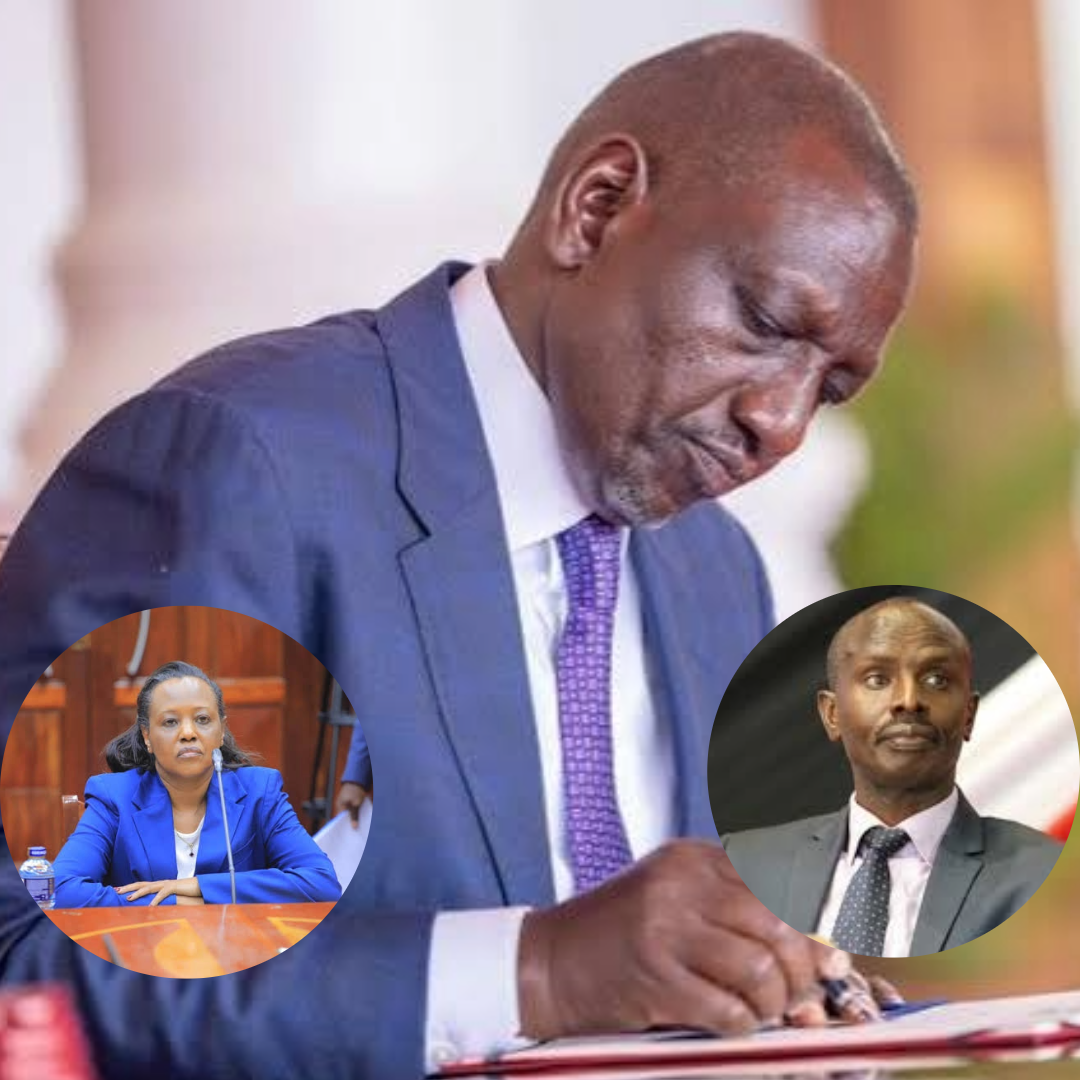
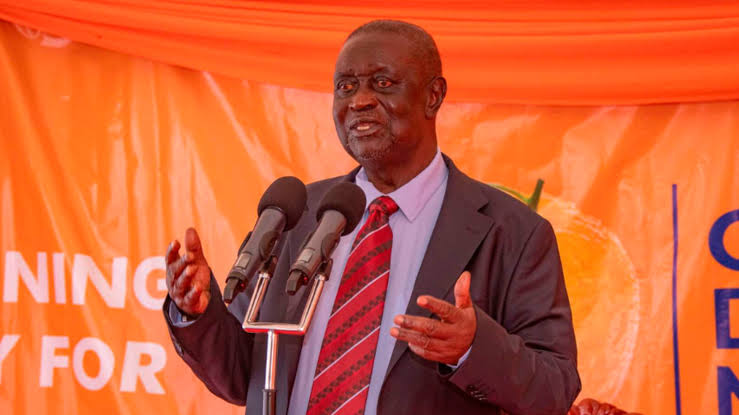
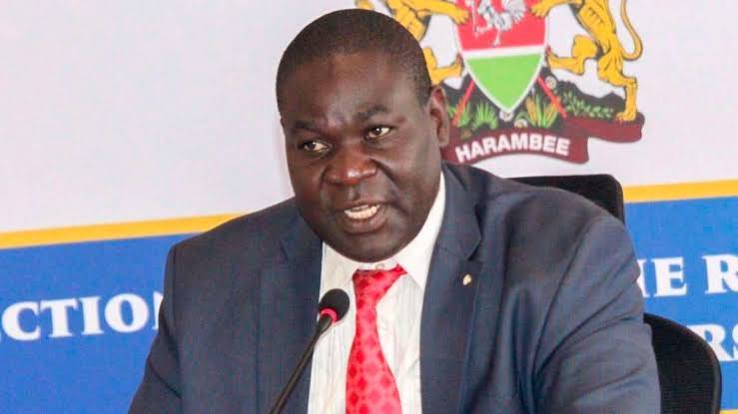
President William Ruto has appointed Duncan Oburu Ojwang as the new Chairperson of the Independent Policing Oversight Authority, IPOA, for a six-year term.
The appointment places Ojwang at the helm of the country’s key civilian police oversight institution at a time when accountability, professionalism and public confidence in the security sector remain important national issues.
IPOA was established to provide independent oversight over the work of the National Police Service and to promote accountability within the security sector. The authority investigates complaints and allegations of police misconduct, monitors police operations and conducts inspections of police premises, among other responsibilities.
As the new chairperson, Ojwang is expected to provide strategic leadership to the authority and work with other members of the IPOA board to strengthen oversight of policing activities across the country.
His six-year tenure will see him serve through a significant period in Kenya’s political and security landscape, including preparations for and the period following the 2027 General Election.
The appointment comes as public scrutiny of the conduct of police officers continues to attract national attention. Issues surrounding the use of force, arrests, detention, treatment of suspects and the handling of public demonstrations have remained central to conversations about policing and human rights in Kenya.
IPOA plays a critical role in examining such cases and making recommendations aimed at improving the conduct and professionalism of police officers.
The authority has previously investigated complaints involving police officers and made recommendations to relevant institutions. Its oversight role is intended to ensure that police officers exercise their powers within the law while respecting the rights and freedoms guaranteed under the Constitution.
Ojwang's appointment therefore places him in a position where he will be expected to help strengthen the relationship between the police service and members of the public.
One of the major responsibilities facing IPOA is ensuring that complaints against police officers are handled independently, professionally and transparently. The authority is also expected to monitor police operations and identify areas where reforms may be necessary.
The new chairperson will also have to work closely with IPOA management, government institutions, civil society organisations and other stakeholders in addressing concerns surrounding policing in the country.
Public confidence is considered an important component of effective policing. When members of the public believe that complaints of police misconduct will be investigated fairly, they are more likely to cooperate with law enforcement agencies and participate in efforts aimed at improving security.
The appointment of Ojwang could therefore mark a new chapter for the authority as it seeks to strengthen its oversight mandate and contribute to reforms within the National Police Service.
His six-year term provides an opportunity for the authority to pursue long-term strategies rather than focusing only on short-term interventions. This could include strengthening investigative processes, improving public awareness of IPOA's mandate and enhancing mechanisms through which members of the public can report alleged police misconduct.
The chairperson will also be expected to help ensure that IPOA remains independent in carrying out its constitutional and legal responsibilities.
The issue of police accountability has become particularly significant in recent years, with Kenyans and various organisations calling for greater transparency in the security sector. Concerns have ranged from allegations of excessive use of force to claims of unlawful arrests and other violations.
At the same time, the government has continued to emphasise police reforms, better working conditions for officers and the modernisation of the National Police Service.
The oversight role performed by IPOA is an important part of this broader reform agenda. While the police are responsible for maintaining law and order, IPOA provides an independent mechanism for examining their conduct and ensuring that accountability remains part of policing.
Ojwang will consequently inherit an institution with a broad and sensitive mandate. His leadership is expected to be closely watched by government agencies, police officers, human rights groups and members of the public.
The timing of the appointment is also notable because Kenya is approaching the 2027 General Election, a period that traditionally places significant demands on security agencies.
During elections, the conduct of police officers often comes under increased scrutiny because of their responsibility to maintain security while allowing citizens to exercise their constitutional rights, including freedom of expression, assembly and political participation.
IPOA's role during such periods includes monitoring police operations and responding to complaints that may arise from the conduct of officers.
With Ojwang set to serve for six years, his leadership will extend beyond the 2027 elections and into the subsequent political period.
The appointment is therefore likely to attract attention from different sections of society as stakeholders assess the direction IPOA will take under his leadership.
For the authority, the focus will remain on strengthening accountability, improving public trust and ensuring that police officers operate within the law.
For members of the public, the expectation will be that IPOA continues to provide an accessible and independent avenue for addressing complaints involving the police.
President Ruto's appointment of Duncan Oburu Ojwang thus places a new leader at the centre of Kenya's policing oversight framework.
As he begins his six-year tenure, attention will be focused on how he steers the authority, strengthens its independence and responds to the challenges facing police accountability.
The coming years will provide an opportunity for IPOA to deepen its oversight role and contribute to efforts aimed at building a professional, accountable and people-centred National Police Service.
Ojwang's leadership will ultimately be judged by the authority's ability to effectively investigate complaints, promote accountability and strengthen public confidence in Kenya's policing institutions.

You Might Also Like
-
Kenyans Raise Over KSh261,000 in 24 Hours to Support Skater Kevin Kiarie’s Trip to Paraguay World Skate Games
-
The Kenya Red Cross Society has warned Kenyans to prepare for potentially heavy rains and flooding, particularly during the October–December 2026 rainy season. The warning comes amid forecasts of above-normal rainfall and possible El Niño conditions, raising concerns about river flooding, flash f
-
Kericho Governor Erick Mutai has announced the recruitment of 150 emergency nurses to help restore healthcare services disrupted by the ongoing nurses’ strike. The newly recruited nurses are undergoing induction and orientation before deployment to county hospitals, with the governor saying outpat
-
Teachers across the country are increasingly expressing frustration and impatience over what they describe as repeated promises from the government that have yet to translate into meaningful improvements in their working conditions, salaries and career progression.
-
Ruto Gazettes Appointment of Wilson Sossion and Antonina Lentoijoni to TSC
-
Orange Democratic Movement (ODM) party leader and Siaya Senator Dr Oburu Oginga has reportedly been readmitted to hospital, with doctors and hospital management imposing strict restrictions on visitors as he receives medical attention.