



Ruto Fires Back: Why Kenya Is Betting Big on Dangote’s Sh2 Trillion Lamu Oil Refinery
President William Ruto's defence of the Dangote refinery project comes at a significant moment for Kenya's energy and industrial development agenda. After personally touring Dangote's massive refinery in Lagos, the President has argued that Kenya has an opportunity to develop a similarly transformative industrial facility in Lamu. He has highlighted the project's estimated Sh2 trillion investment value, expected employment opportunities, potential contribution to energy security and wider industrial benefits. The proposed refinery is expected to process up to 700,000 barrels of crude oil per day and could be supported by a 1,000-megawatt power plant, according to plans announced by Dangote. The project is also expected to benefit from its proximity to Lamu Port and the wider LAPSSET Corridor. At the same time, the project faces practical questions, including crude-oil supply, financing, environmental considerations, land rights and the need for meaningful engagement with local communities. The September 30 groundbreaking will therefore be an important milestone. The larger test will be the project's progression from groundbreaking to construction, commissioning and eventual commercial operations. For President Ruto, however, the message is clear: the proposed Lamu refinery is being positioned as a major component of Kenya's long-term energy security and industrialisation strategy, with ambitions that extend beyond fuel production to jobs, electricity generation, manufacturing and regional trade.
President William Ruto has strongly defended the planned Dangote East African Oil Refinery in Lamu, describing the multibillion-shilling investment as a major opportunity for Kenya to strengthen its energy security, create employment and expand its industrial base.
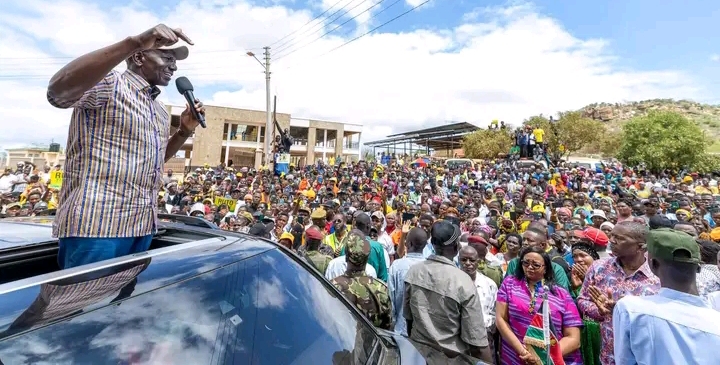
Speaking on Monday, September 28, 2026, during his development tour of the Coast region, President Ruto urged Kenyans and leaders to look beyond political differences and focus on projects that can contribute to economic development. His remarks came only days after he toured the existing Dangote Petroleum Refinery in Lekki, Lagos, Nigeria, where he personally inspected the massive industrial facility owned by Nigerian businessman Aliko Dangote.
The visit to Lagos gave President Ruto an opportunity to see firsthand the scale of Dangote's investment in the petroleum sector. Following the tour, he expressed confidence in the proposed Kenyan refinery and reaffirmed his administration's commitment to facilitating its establishment in Lamu.
According to reports, Ruto described the Nigerian facility as a remarkable example of science, engineering and industrial development. He said seeing the refinery physically had strengthened his confidence in the potential of the planned Lamu project.
Ruto says refinery will create thousands of jobs
One of the central arguments made by President Ruto in defending the Lamu refinery is its expected contribution to employment.
Speaking in Kwale County on September 28, the President said the Sh2 trillion project would create employment opportunities for about 60,000 young people. He also said the investment would generate foreign exchange and reduce the amount of money Kenya spends importing petroleum products from overseas.
The employment potential is expected to extend beyond workers directly employed at the refinery. Large industrial projects typically create opportunities in transportation, construction, engineering, security, hospitality, logistics, maintenance, manufacturing and other support services.
The refinery is also expected to stimulate businesses around Lamu and the wider Coast region. Small and medium-sized enterprises could benefit from increased demand for accommodation, food, transportation, equipment, professional services and other supplies.
For President Ruto, therefore, the project is not simply about producing petrol and diesel. He has presented it as part of a broader industrialisation programme intended to create opportunities for Kenyan workers and businesses.
The President's visit to the Lagos refinery
President Ruto's defence of the project followed his September 25 visit to the Dangote Petroleum Refinery in Lagos.
The Nigerian refinery has a reported crude-processing capacity of 700,000 barrels per day. During his inspection, Ruto was accompanied by First Lady Rachel Ruto and senior officials, while Dangote Group President and Chief Executive Officer Aliko Dangote hosted the Kenyan delegation.
Ruto praised the facility and said that seeing it personally demonstrated the scale of what African industrial investment can achieve.
The President also reaffirmed that Kenya was fully committed to the proposed Lamu refinery. He said the Kenyan government was working to remove administrative and bureaucratic obstacles that could delay the project.
Ruto's position is that the government should focus on creating an environment in which the private sector can invest, rather than allowing administrative processes to slow down major projects.
Lamu refinery expected to process 700,000 barrels per day
The planned East African refinery in Lamu is expected to have a crude-processing capacity of approximately 700,000 barrels per day.
That would place it at a very large scale by African standards. Reports on the project say it is expected to produce petroleum products including petrol, diesel and aviation fuel, while the wider complex could support petrochemical and other industrial activities.
The project has been valued at around Sh2 trillion, with some reports putting the investment at approximately $16 billion to $17 billion.
The planned facility is therefore being presented as more than a conventional refinery. It is expected to form part of a wider industrial complex around Lamu, potentially linking petroleum processing with manufacturing, energy generation and logistics.
Energy security at the centre of Ruto's argument
Another major reason President Ruto has given for supporting the project is energy security.
Kenya currently depends heavily on imported petroleum products to meet domestic demand. A refinery capable of processing large volumes of crude could potentially reduce the country's dependence on imported refined products, depending on how the facility is supplied and operated.
Ruto said the refinery would help Kenya save money currently spent importing fuel from distant markets. He also argued that the facility could serve markets beyond Kenya and supply petroleum products to the wider East and Central African region.
If successfully implemented, Lamu could therefore become an important petroleum-processing and distribution centre.
The project's location also connects it to the strategic Lamu Port and the wider LAPSSET Corridor, which is intended to provide a transport and economic link between Kenya and neighbouring countries.
Power generation could expand the project's economic impact
The proposed Lamu investment could also include a major electricity-generation component.
According to reports, Aliko Dangote said during Ruto's visit to Lagos that the planned Lamu complex would include a 1,000-megawatt power plant. About half of that electricity, or approximately 500 megawatts, could be sold to the Kenyan government, according to the reported plans.
If implemented as described, the electricity component would give the project significance beyond petroleum refining.
It could potentially support industrial activity in the surrounding area while also providing additional electricity to the national grid. The availability of reliable power is particularly important for manufacturing and other energy-intensive industries.
Lamu positioned as an industrial hub
President Ruto has repeatedly linked the refinery to his broader development plans for the Coast region.
The project is expected to complement Lamu Port and other infrastructure investments. The government's vision is for the Coast to play a larger role in trade, energy, manufacturing and the blue economy.
The President has also said that the Indian Ocean remains an underutilised economic resource and that his administration wants the Coast region to benefit more directly from maritime activities.
The refinery could strengthen Lamu's position as an energy and logistics centre if the project proceeds as planned.
Construction activity could also increase demand for roads, housing, water, electricity, telecommunications and other infrastructure.
Questions surrounding crude supply
Despite the government's strong support, the project has also raised questions about where sufficient crude oil will come from.
Recent reporting has highlighted uncertainty over the availability of regional crude supplies. Kenya's domestic oil production has not yet reached a level that would automatically guarantee the refinery's full requirements, while Uganda has been pursuing its own oil development and refining arrangements.
This means the refinery's long-term operations will depend partly on securing reliable and commercially viable crude supplies.
The issue is important because a refinery of such a large capacity needs a dependable source of crude to operate efficiently. The logistics and cost of transporting crude to Lamu will therefore be significant considerations.
These questions do not necessarily mean that the project cannot proceed, but they are among the issues that will need to be addressed as the investment moves from announcement and groundbreaking toward construction and eventual operations.
Environmental and land concerns
The Lamu project has also generated discussion about land rights and environmental conservation.
Lamu is an environmentally sensitive region with important coastal ecosystems and communities whose livelihoods are connected to land and the ocean. Some residents have welcomed the investment because of the anticipated employment and economic opportunities, while others have expressed concerns relating to land rights and environmental protection.
For a project of this scale, environmental assessments, community engagement, land issues and regulatory requirements will remain important.
The success of the project will therefore depend not only on financing and construction but also on how the government and investors address concerns raised by communities and other stakeholders.
Groundbreaking scheduled for September 30
The planned groundbreaking ceremony is scheduled for Wednesday, September 30, 2026, in Lamu.
Preparations for the project have already become visible, with reports indicating that construction-related equipment has begun arriving at Lamu Port. One report said a vessel carrying thousands of tonnes of project cargo arrived at Lamu Port on September 26.
The groundbreaking is expected to mark an important transition from planning to physical implementation.
The project has been described by the government as one of the largest private-sector investments in Kenya's history. Its scale means that construction itself could generate significant economic activity before the refinery begins operations.
Ruto says Kenya is fully behind Dangote
During his Lagos visit, President Ruto made it clear that his administration intends to provide strong government support for the project.
He said the Kenyan government was "100 per cent" behind the Dangote refinery project and indicated that land required for the development had already been secured. He also said the government was working on other necessary conditions to prevent administrative and bureaucratic processes from delaying construction.
The President has framed the investment as a partnership between Kenya and Dangote rather than simply a private development.
He has also emphasised the potential for the project to improve human capital by creating opportunities for engineers, technicians, business professionals and other skilled workers.
A project with regional ambitions
The planned refinery has implications beyond Kenya's borders.
A facility capable of processing hundreds of thousands of barrels of crude per day could potentially supply petroleum products to neighbouring countries, depending on production costs, market demand and regional trade arrangements.
Kenya already serves as an important transport and logistics centre for several landlocked countries in East Africa. Lamu's development could provide another route for regional energy and trade flows.
The LAPSSET Corridor is particularly relevant because it is intended to connect the Kenyan coast with parts of the wider East African hinterland.
If the refinery and supporting infrastructure are successfully developed, Lamu could gain a larger role in regional petroleum distribution.

You Might Also Like
-
Ameliah Cherotich from Keringet, Kuresoi South, is battling a serious heart condition and urgently needs specialised treatment in India. Her family is seeking KSh 2.5 million and is appealing to leaders, well-wishers and the community for support.
-
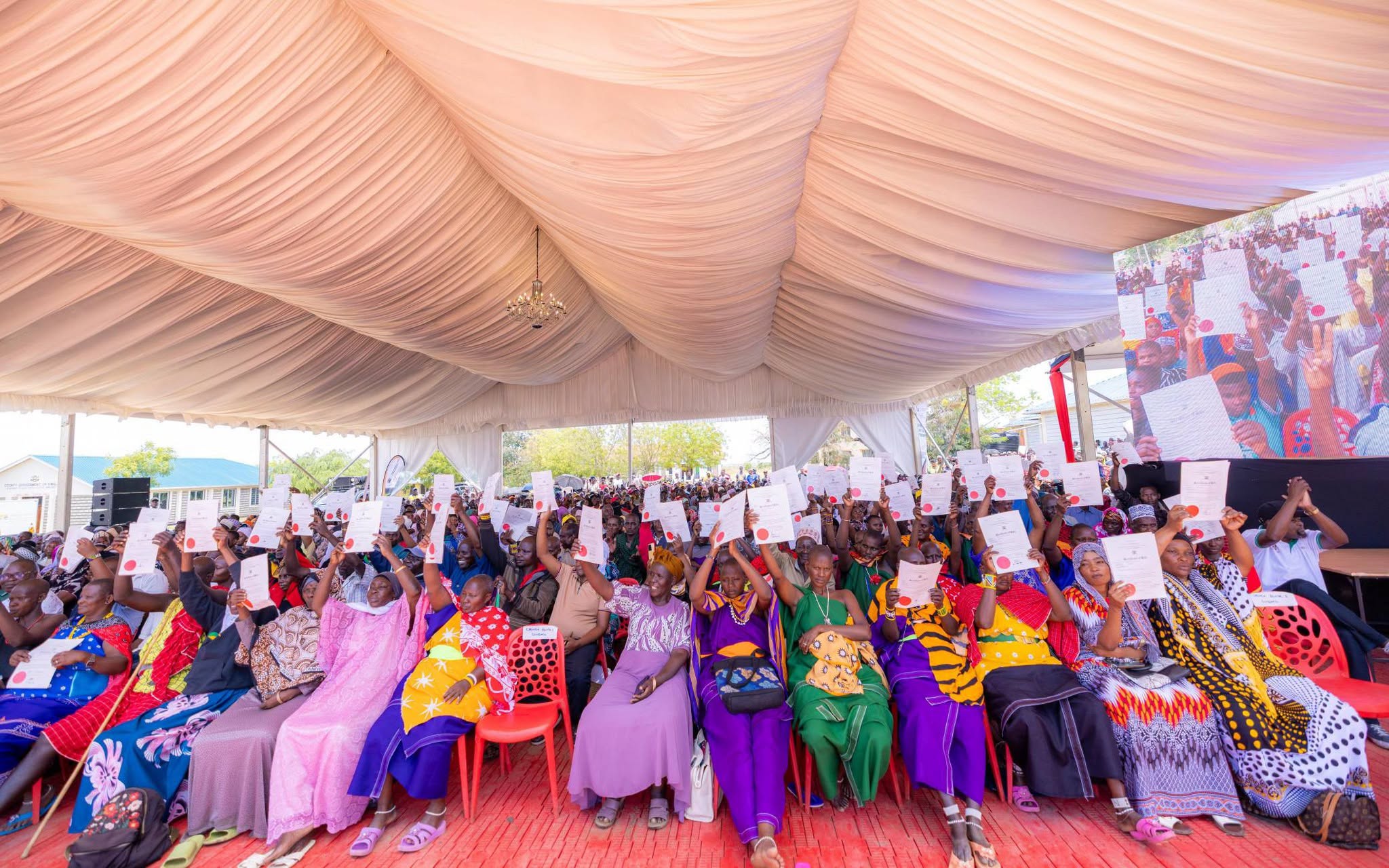
The government is targeting the issuance of at least 500,000 more title deeds in the Coastal region, building on an ongoing programme aimed at strengthening land ownership, resolving historical disputes and improving security of tenure.
-
The latest NTSA developments show that Kenya's matatu sector is entering another phase of regulatory and professional reforms. The authority is currently emphasizing qualified drivers and crew, roadworthy vehicles, proper licensing, maintenance records, authorised routes and responsible management o
-
Kenyan TikTok personality Patrick Mbacio, popularly known as “Patrick The Truth,” has died after being found dead inside his home in Nakuru, bringing to an abrupt end the life of a social-media figure who rose to fame through viral videos about his relationships, lifestyle and interactions with
-
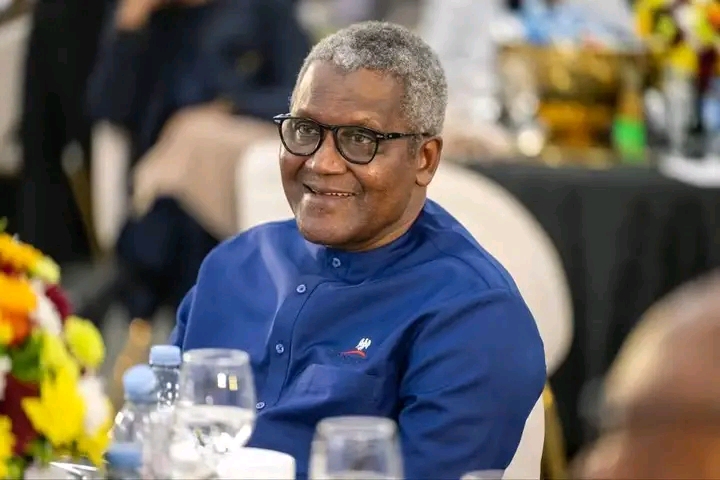
Aliko Dangote's journey has moved from commodity trading to one of Africa's largest industrial empires. His businesses now span cement, fertiliser, sugar, food products, petrochemicals, oil refining, logistics and related industries. Forbes currently estimates his wealth at approximately $31.4 billi
-
Lang’ata MP Jalang’o has announced a candle-lighting ceremony at Uhuru Park this Friday to commemorate the life and legacy of the late Raila Odinga.