



WADA Sounds the Alarm: Kenya Urged to Strengthen Anti-Doping Agency Ahead of 2029 World Championships
WADA's call for stronger support for Kenya's Anti-Doping Agency comes at a critical moment for the country's sporting sector. Kenya has made important progress in addressing previous compliance concerns, but the global anti-doping body wants those gains to be sustained through stronger institutions, adequate resources, effective legislation and greater protection for clean athletes. With the 2027 World Anti-Doping Code approaching and Nairobi preparing to host the 2029 World Athletics Championships, Kenya has a major opportunity to establish one of the strongest anti-doping systems in Africa. ADAK's work will remain central to that effort. The message from WADA is therefore clear: Kenya's fight against doping cannot depend on testing athletes alone. It requires sustained government backing, adequate funding, professional investigations, athlete education, strong legislation and an independent, properly equipped anti-doping agency capable of protecting the integrity of sport.
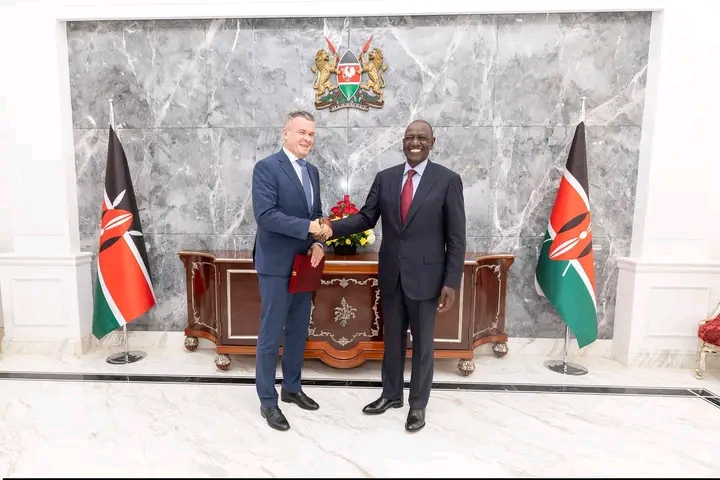
The World Anti-Doping Agency (WADA) has called for stronger support for the Anti-Doping Agency of Kenya (ADAK), emphasizing the need for adequate resources, institutional independence and continued government commitment to protect clean athletes and strengthen Kenya’s anti-doping system. The call comes as Kenya prepares for the implementation of the 2027 World Anti-Doping Code and looks ahead to hosting the 2029 World Athletics Championships in Nairobi. WADA President Witold Banka recently visited Kenya for discussions with government officials, athletes, anti-doping officials and other stakeholders on how the country can further improve its fight against performance-enhancing substances.
The WADA intervention is significant because Kenya is one of the world's leading athletics nations and has a large population of elite runners competing at Olympic, world and international level. The country’s reputation in athletics makes an effective anti-doping system particularly important. WADA wants Kenya to ensure that athletes who compete clean have confidence that competitions are fair and that doping violations are detected and handled according to international standards.
WADA wants ADAK to receive stronger support
The central message from WADA is that ADAK needs adequate support to effectively perform its responsibilities. The agency is responsible for anti-doping education, testing, investigations, intelligence gathering and management of anti-doping rule violations.
According to ADAK, its mandate includes protecting clean athletes through effective testing, educating athletes and sports stakeholders, and investigating suspected anti-doping violations. The agency also works with WADA and other anti-doping organisations in implementing anti-doping programmes in Kenya.
WADA's recent engagement with Kenya therefore focuses not simply on increasing the number of tests conducted, but on strengthening the entire system surrounding anti-doping. This includes legislation, governance, investigations, laboratory and sample-collection procedures, athlete education, intelligence gathering and enforcement.
The need for greater support also means ensuring that ADAK has enough financial and human resources to carry out its responsibilities across the country.
Kenya has made progress but still faces challenges
Kenya has been working to address weaknesses that had previously been identified in its anti-doping framework.
Government documents indicate that a WADA Code Compliance Audit identified 35 corrective actions affecting ADAK, with several considered high priority. The areas included the regulatory framework, organisational structure and institutional capacity, including human and financial resources.
The country subsequently undertook reforms to address the concerns. Kenya was placed on WADA's compliance watch list in 2025 while corrective measures were being implemented. By 2026, Kenya had made substantial progress in addressing the identified issues, with reports indicating that it was removed from the compliance watch list in March 2026.
The latest WADA engagement therefore comes at a time when Kenya is seeking to consolidate those gains rather than simply respond to past criticism.
Focus on independence and proper resources
One of the important issues highlighted during the WADA discussions is the need for a strong and properly resourced anti-doping institution.
A credible anti-doping agency must be able to conduct testing and investigations professionally and without inappropriate interference. This is important because anti-doping decisions can affect athletes' careers, reputations and participation in major international competitions.
WADA has consequently emphasized the importance of strengthening ADAK's ability to protect athletes who compete without banned substances. The goal is to ensure that clean athletes are not disadvantaged by competitors who use prohibited performance-enhancing substances.
The issue goes beyond athletics. Kenya's anti-doping framework is increasingly expected to cover athletes and sporting organisations across different disciplines.
Government support remains important
The Kenyan government has already taken steps to support anti-doping activities.
A parliamentary report stated that Kenya has continued building ADAK's capacity to collect samples through technical assistance agreements. The report also indicated that the government had allocated US$5 million annually for five years through the Sports and Social Development Fund for an enhanced anti-doping programme.
The same report highlighted cooperation between ADAK and several government institutions, including the Directorate of Criminal Investigations, Pharmacy and Poisons Board, immigration authorities, the National Intelligence Service, Judiciary and medical regulatory bodies.
Such cooperation is important because doping can involve substances, supply chains, medical practices and criminal activities that extend beyond sport itself.
New anti-doping laws are also being considered
Another major development is Kenya's ongoing effort to update its anti-doping legislation and policies.
ADAK announced that the Ministry of Youth Affairs, Creative Economy and Sports had developed the Anti-Doping (Amendment) Bill 2026, ADAK Anti-Doping Rules 2026 and the National Anti-Doping Policy 2026. The public was invited to submit comments on the proposed documents.
The proposed reforms are intended to bring Kenya's anti-doping framework into closer alignment with international standards.
Kenya News Agency reported that proposed amendments would recognise ADAK as the country's sole national anti-doping authority and expand the legal framework to cover areas such as gyms, fitness centres and sports organisations.
These reforms are particularly important as the 2027 World Anti-Doping Code approaches.
Preparing for the 2027 World Anti-Doping Code
The 2027 Code will introduce updated international requirements, meaning Kenya must ensure its laws, regulations and operational systems are ready.
ADAK has already been engaging Parliament on the issue. The agency held a strategic engagement with the National Assembly Departmental Committee on Sports and Culture to discuss the country's anti-doping framework and the review of the Anti-Doping Act, National Anti-Doping Policy and ADAK Anti-Doping Rules.
The engagement demonstrates that anti-doping is not only an issue for athletes and sports officials. It also requires legislative and government support.
The updated framework is expected to provide stronger foundations for testing, investigations, education and enforcement.
Education is a major part of the fight
WADA's push for stronger support for ADAK also comes as the anti-doping agency expands education programmes.
ADAK has been conducting clean-sport programmes among athletes and young sportspeople. Its mandate includes values-based education, sensitisation and awareness campaigns designed to help athletes understand the dangers and consequences of doping.
This preventive approach is important because testing alone cannot eliminate doping.
Young athletes need to understand which substances are prohibited, how contaminated products can create risks, their responsibilities under anti-doping rules and the importance of seeking professional advice before taking medication or supplements.
ADAK has also expanded its engagement beyond athletics. For example, the agency conducted a clean-sport workshop for Kenyan football clubs ahead of the 2026/27 season, covering doping-control procedures, the WADA Prohibited List and anti-doping rule violations.
Protection of clean athletes
At the heart of the WADA message is the protection of athletes who choose to compete clean.
Kenya has produced generations of successful athletes, particularly in long-distance running. The country's international sporting reputation depends heavily on public confidence that its athletes are competing fairly.
A strong ADAK therefore benefits both Kenyan athletes and the country's sporting reputation.
Effective testing can identify violations, while education can prevent athletes from unknowingly breaking the rules. Intelligence gathering and investigations can also help authorities identify deliberate doping activities rather than relying solely on routine testing.
ADAK's mandate specifically includes intelligence gathering, investigations and results management of anti-doping rule violations.
2029 World Athletics Championships increase the pressure
Kenya's preparations to host the 2029 World Athletics Championships in Nairobi add another dimension to the anti-doping debate.
WADA wants Kenya to have a robust and credible anti-doping system before the championships. Hosting a major international athletics event means Kenya will be under significant international scrutiny.
The country's preparations therefore involve more than stadiums, transport and accommodation. Anti-doping systems must also be capable of handling the demands of a major global sporting event.
WADA's recent message is that Kenya should use the period before 2029 to strengthen its institutions and ensure that its anti-doping system meets international expectations.
What stronger support could mean
Stronger support for ADAK could involve increased financial resources, recruitment and training of specialists, modern testing equipment, better intelligence systems, stronger investigations and expanded education programmes.
It could also mean continued technical cooperation between Kenya and WADA.
ADAK recently reported that a WADA technical support visit focused on strengthening Kenya's anti-doping framework and included engagement with the National Assembly's Sports and Culture Committee. The discussions highlighted the importance of legislative oversight in bringing Kenya's framework into line with the World Anti-Doping Code.
The cooperation demonstrates that WADA is not simply demanding action from Kenya but is also engaging with Kenyan institutions to improve the country's anti-doping capacity.