Woman’s body recovered from Eastleigh building rubble as rescue operation enters eighth day.
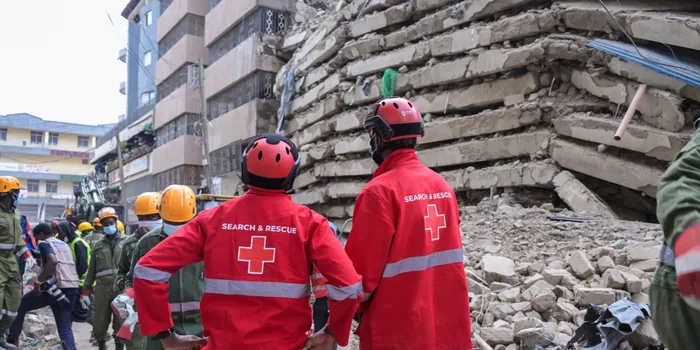
A woman's body has been recovered from the rubble of the collapsed building in Eastleigh, Nairobi, as search and rescue operations enter their eighth day. The recovery marks another tragic development in the ongoing operation, which has left families anxiously waiting for news about their missing loved ones. Rescue teams continue to navigate through the debris in search of anyone who may still be trapped. The incident has renewed concerns about building safety, construction standards and the enforcement of regulations in Nairobi. Meanwhile, affected families continue to hope for answers and closure as the rescue operation progresses.
The recovery of a woman's body from the rubble of the collapsed building in Eastleigh, Nairobi, has added another tragic development to the ongoing search and rescue operation, which has now entered its eighth day. Emergency response teams continue to work through the debris in an effort to locate anyone who may still be trapped beneath the remains of the structure.
The discovery has renewed attention on the devastating incident, which has left families anxiously waiting for information about their missing relatives. Since the building collapsed, rescue workers have been working tirelessly at the scene, navigating through heavy concrete slabs, twisted metal, broken construction materials and other debris in search of survivors and victims.
The recovery operation has been particularly challenging because of the nature of the collapsed structure. Large sections of the building came down, leaving behind massive piles of rubble that require careful examination before rescue teams can proceed to deeper sections. The possibility of additional people being trapped has made it necessary for emergency personnel to approach the exercise with caution.
The eighth day of the operation marks a significant period in the response efforts, with rescue teams continuing to coordinate their activities as they search different sections of the site. The recovery of the woman's body highlights the human cost of the tragedy and the uncertainty that continues to surround the incident.
For families whose relatives remain unaccounted for, every development at the scene carries enormous emotional weight. Many continue to hope that their loved ones will be found, while others are anxiously awaiting confirmation about the fate of those who were inside the building when it collapsed.
The tragedy has also drawn attention to the importance of effective emergency response systems, particularly in densely populated urban areas such as Eastleigh. The neighbourhood is known for its busy commercial activities, residential buildings and high population density, making incidents involving structural collapses especially concerning.
The incident has once again raised questions about building safety, construction standards and the measures put in place to protect residents and people conducting business in Nairobi's rapidly growing neighbourhoods. As the city continues to experience increased demand for residential and commercial spaces, the importance of ensuring that buildings meet the required safety standards remains a major concern.
Eastleigh is among Nairobi's busiest neighbourhoods, attracting residents, traders, shoppers and visitors from different parts of the country. Its vibrant commercial environment has contributed to significant growth in construction, with residential and business premises occupying increasingly valuable spaces. However, the growing demand for buildings also makes proper planning, supervision and compliance with construction regulations essential.
The collapse has therefore brought renewed attention to the need for strict enforcement of building regulations. Property developers, contractors, engineers and relevant authorities all have responsibilities in ensuring that structures are properly designed, constructed and maintained. Compliance with approved architectural plans, structural requirements and safety procedures is important in preventing incidents that could put human lives at risk.
Building collapses can have devastating consequences, particularly in areas where structures accommodate large numbers of people. Apart from the immediate loss of life and injuries, such incidents can leave families without their loved ones, disrupt businesses and create uncertainty among residents. The emotional and financial consequences can continue long after rescue operations have been completed.
For families affected by the Eastleigh tragedy, the recovery of another body is a painful reminder of the uncertainty they have endured since the building came down. Relatives of those who were inside the structure continue to face difficult moments as they wait for information about their loved ones. The recovery process is therefore not simply an emergency operation but also an important step towards helping affected families establish what happened.
The search and rescue teams have had to contend with the difficult task of navigating through the remains of the building. Collapsed structures often create unstable environments, where rescuers must carefully assess the surrounding debris before attempting to access particular sections. Moving heavy materials without proper precautions could potentially expose rescue personnel to additional dangers.
The safety of emergency responders remains an important consideration throughout the exercise. Rescue personnel are required to work under challenging conditions while maintaining coordination and following established procedures. Their work involves identifying accessible areas, examining sections of the rubble and determining the safest ways to continue searching.
The eighth day of the operation also demonstrates the complexity of responding to major structural disasters. Such exercises require coordination among different emergency response teams, appropriate equipment and effective communication. Every stage of the operation must be handled carefully to ensure that the search progresses without exposing those involved to unnecessary risks.
Beyond the immediate rescue efforts, the incident is likely to keep public attention focused on accountability and the enforcement of construction standards. When a building collapses, establishing the circumstances surrounding the incident becomes an important part of addressing the tragedy. Investigations, where undertaken, can help determine whether structural weaknesses, construction practices, maintenance issues or other factors contributed to the collapse.
It is equally important for relevant authorities to ensure that building inspections are conducted in accordance with established regulations. Construction approvals and inspection procedures are intended to ensure that buildings are safe for occupation and use. Where weaknesses are identified, appropriate corrective measures should be taken before they expose occupants and members of the public to danger.
The incident also highlights the importance of preparedness in responding to emergencies in heavily populated neighbourhoods. Effective rescue operations depend on the availability of trained personnel, suitable equipment and clear coordination among agencies. Communities also benefit from knowing how to respond when emergencies occur and where to seek assistance.
As the operation continues, the priority remains the careful examination of the collapsed structure and the recovery of anyone who may still be trapped. The recovery of the woman's body is another significant development in an incident that has continued to attract attention because of its tragic consequences.
The authorities and emergency response teams face the difficult responsibility of managing the operation while providing accurate information to affected families and the public. Timely communication is particularly important during such incidents because families need reliable updates as they try to establish the whereabouts of their relatives.
For the wider Eastleigh community, the tragedy serves as a painful reminder of the dangers associated with structural failures. Residents and business owners are likely to remain concerned about the safety of buildings in their neighbourhood, particularly where construction standards and compliance with regulations are questioned.
The incident also presents an opportunity to strengthen public awareness about building safety. Residents, tenants and property owners should be encouraged to take structural concerns seriously and report visible warning signs to the relevant authorities. Cracks, unusual structural movements and other signs of possible instability should be assessed by qualified professionals rather than ignored.
At the same time, developers and construction professionals must recognise that public safety should remain central to every construction project. Proper planning, qualified supervision, quality building materials and regular inspections are essential elements of responsible development.

You Might Also Like
-
The Council of Governors' call for regular workforce audits highlights the importance of accountability, transparency and effective human resource management in Kenya's public institutions. With concerns over payroll irregularities, recruitment practices, rising wage bills and staffing gaps, regula
-
Education Cabinet Secretary Julius Migos Ogamba's visit to Sotik Sub-County on Friday, October 30, 2026, to witness the distribution of learning materials to KJSEA candidates highlights the government's continued attention to education and the successful implementation of the Competency-Based Educat
-
The reported killing of Benard Kiplangat Ngetich near Jambo Kenya has raised concerns among residents and local leaders in the Kipkelion area. According to a report published on October 24, 2026, Ngetich was attacked while walking home with his friend Wilson Rono, who survived with injuries. The rep
-
The displacement of approximately 40,000 Ethiopians into Marsabit County has created an urgent humanitarian challenge for Kenya. Families fleeing violence around Moyale need food, safe water, shelter, healthcare and protection, while the communities hosting them require additional resources to preve
-
The President wants Russian companies to go beyond selling goods to Kenyan consumers and instead establish factories, invest in local industries, process resources and create employment. He has identified manufacturing, agriculture, energy, infrastructure, mining, engineering and technology as areas
-
The High Court has rejected the Teachers Service Commission’s (TSC) request to lift orders stopping the implementation of its circular regulating teachers’ conduct on social media. The decision means the rules remain suspended as the legal case continues. The dispute has attracted attention amon