Bomet KCSE Candidate Dies Suddenly at Home After Failing to Wake Up for Breakfast.
The family of 18-year-old Gideon Kiprop Ngeno is mourning his sudden death after he was found unresponsive at their home in Mogogosiek, Konoin Sub-County, Bomet County. The Ngererit Senior School student was preparing to sit for his KCSE examinations when tragedy struck. According to the family, Gideon failed to wake up for breakfast, prompting them to check on him, only to discover that he had passed away. The teenager had reportedly been living with epilepsy since his primary school years. His sudden death has left relatives and members of the community heartbroken. Questions remain about the circumstances surrounding his passing, with the exact cause of death yet to be established. His death has also highlighted the challenges faced by students living with long-term health conditions. May his family find strength during this difficult time.
An 18-year-old Kenya Certificate of Secondary Education (KCSE) candidate, Gideon Kiprop Ngeno, has died after reportedly passing away in his sleep at his family home in Mogogosiek, Konoin Sub-County, Bomet County. The heartbreaking incident has left his family, schoolmates and members of the surrounding community mourning the loss of a young student whose future was still unfolding.
Gideon, a student at Ngererit Senior School, was reportedly found unresponsive by his family after he failed to wake up for breakfast. His relatives became concerned when the teenager did not respond as expected during the morning hours, prompting them to check on him.
The family was devastated to discover that the 18-year-old had died while asleep. His sudden death has brought grief to those who knew him, particularly at a time when he was expected to be concentrating on his final secondary school examinations and preparing for the next stage of his life.
According to the information provided, Gideon had been living with epilepsy since his primary school years. Despite the condition, he continued with his education and progressed to Ngererit Senior School, where he was preparing to sit for his KCSE examinations.
His death has drawn attention to the challenges faced by learners living with long-term health conditions as they pursue their education and work towards achieving their academic ambitions.
The news of his passing has raised sadness among his relatives and those who had followed his educational journey. At just 18 years old, Gideon was at an important stage of his life, having reached the final year of secondary education with the hope of completing his studies and pursuing his future ambitions.
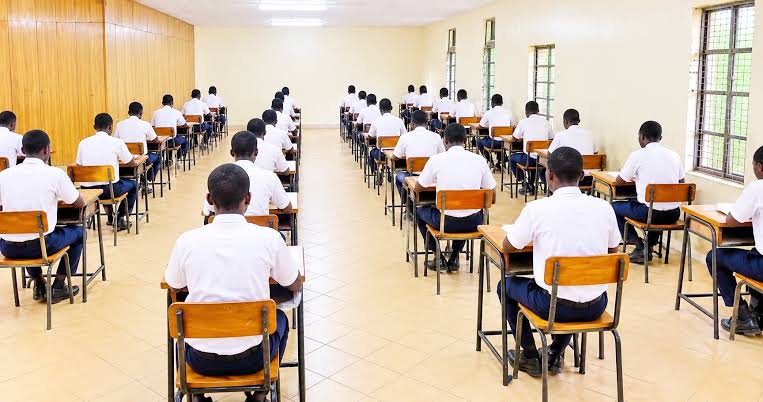
His death is particularly painful because it occurred at a time when many young people across the country are focused on their KCSE examinations. For candidates, the national examinations represent an important milestone after years of studying, making sacrifices and preparing for opportunities in higher education and other career paths.
Gideon's journey through school had reportedly involved living with epilepsy, a neurological condition that can cause recurring seizures. The condition affects people differently, with some experiencing occasional seizures while others may require ongoing medical attention and treatment.
Epilepsy is a long-term neurological disorder characterised by a tendency to experience recurrent seizures. These seizures occur because of unusual electrical activity in the brain and can affect a person's awareness, movements, behaviour and other bodily functions.
Although epilepsy can present different challenges, many people living with the condition are able to attend school, participate in social activities and pursue their personal ambitions with appropriate medical care and support.
Gideon living with the condition since primary school meant that he had spent several years managing a health challenge while continuing with his education.
His progress to Ngererit Senior School demonstrated that he remained part of the education system despite the challenges associated with his medical condition.
The circumstances surrounding his death have also raised questions about sudden deaths during sleep, particularly among people living with epilepsy. However, the available information does not establish that epilepsy caused Gideon's death.
A medical examination would be necessary to determine the actual cause of death. It would therefore be important for the family and relevant authorities to establish the circumstances surrounding the incident before any conclusions are made.
Epilepsy-related deaths can occur in different circumstances, although most people living with epilepsy can manage the condition through appropriate treatment and medical supervision.
One recognised but uncommon complication is sudden unexpected death in epilepsy (SUDEP). This refers to a sudden, unexpected death in a person with epilepsy where no other cause is established after appropriate investigation. However, it should not be assumed that Gideon died from SUDEP or any epilepsy-related complication without medical confirmation.
Health professionals encourage people living with epilepsy and their families to understand the condition, follow prescribed treatment and attend regular medical appointments.
Consistent access to healthcare is important in managing seizures and identifying possible changes in a patient's condition. Families and caregivers can also benefit from learning how to respond appropriately when someone experiences a seizure.
In educational institutions, awareness about epilepsy is equally important. Teachers, school administrators and fellow students can help create supportive environments for learners living with the condition.
Students with epilepsy should be treated with dignity and given opportunities to participate in academic and extracurricular activities without discrimination. Understanding the condition can also help reduce stigma and misinformation that sometimes surround neurological disorders.
The death of the young KCSE candidate comes at a time when thousands of students are working towards completing their secondary education and pursuing their dreams.
For many families, the KCSE examination period represents years of investment, encouragement and sacrifice. Parents and guardians often look forward to seeing their children complete secondary school and proceed to universities, colleges or other professional training institutions.
Gideon's death has interrupted what should have been an important chapter in his educational journey.
At 18, he was still young and had many opportunities ahead of him. His family had reportedly continued supporting his education despite the health condition he had lived with since childhood.
The incident also highlights the importance of strengthening awareness about health conditions affecting school-going children and ensuring that learners receive appropriate medical support.
Parents and guardians are encouraged to seek professional medical advice whenever they notice unusual symptoms or changes in the health of their children.
For individuals diagnosed with epilepsy, following treatment recommendations and maintaining communication with healthcare providers can help improve seizure management.
Medical professionals also advise families to understand basic seizure first aid. During a seizure, caregivers should protect the affected person from nearby hazards, place something soft under their head where possible and avoid restraining their movements.
They should never put objects, food or liquids into the mouth of someone experiencing a seizure. Emergency medical assistance should be sought when a seizure lasts five minutes or longer, when repeated seizures occur without recovery, or when other serious warning signs are present.
Such awareness can help families respond safely when medical emergencies occur.
Gideon's story is also a reminder that students living with chronic health conditions deserve understanding and support as they pursue their education.
Schools have an important responsibility to work with parents and healthcare professionals to ensure that learners with medical conditions are supported appropriately.
This may include having relevant emergency contacts, understanding individual health needs and ensuring that teachers know how to respond when a student requires medical attention.
The wider community also plays an important role in supporting families dealing with illness and bereavement.
In Mogogosiek and the surrounding areas, the news of Gideon's passing has brought attention to the loss of a young life that was still full of possibilities. His family is now facing the difficult task of coming to terms with his sudden death.
The circumstances of his passing have also highlighted the emotional challenges families experience when a loved one dies unexpectedly, particularly when the deceased is a young person.
Bereavement can be especially difficult for parents, siblings and relatives who had hoped to watch the young person grow, complete their education and establish a future.
As the family mourns, questions surrounding the circumstances of his death remain important, with medical clarification needed to establish what happened during the night.
The incident also serves as a reminder that epilepsy should not automatically be associated with every unexplained death involving a person diagnosed with the condition. Proper medical investigations are necessary to establish the facts.
The KCSE examinations remain an important period for students across the country, with candidates working towards completing their secondary school education.
Gideon, his journey has come to a tragic end before he could complete this important milestone.
His passing is a painful reminder of how quickly life can change and the importance of supporting young people, particularly those facing health challenges while pursuing their dreams.
As his family comes to terms with the loss, attention will remain on establishing the circumstances surrounding his death and supporting those affected by the tragedy.
The death of the 18-year-old Ngererit Senior School student has also renewed attention on the need for greater public understanding of epilepsy, access to medical care and support for learners living with long-term health conditions.
Gideon's passing remains a heartbreaking loss for his family, who have lost a young member of their household at a time when he was preparing for an important stage of his education.
The cause of Gideon's death has not been established in the information provided. Epilepsy should therefore not be presented as the confirmed cause without medical findings.

You Might Also Like
-
The Ministry of Health, through the Pharmacy and Poisons Board, has warned Kenyans against misleading social media claims that cetirizine can be used for vaginal tightening. The board clarifies that the medication is intended to treat allergic conditions such as allergic rhinitis and urticaria, with
-
Five bodies recovered following the devastating Eastleigh building collapse are undergoing postmortem examinations and identification procedures at the Nairobi City Mortuary as authorities work to establish the identities of the victims and inform their families. The tragedy occurred on October 23,
-
The Government of Kenya has launched the NYOTA Access to Government Procurement Opportunities (AGPO) digital training programme targeting at least 600,000 entrepreneurs across the country, in a major initiative aimed at empowering young people, women and persons with disabilities to access governmen
-
Residents of Manyatta B in Kisumu County have been left shocked following the discovery of the body of an unidentified man dumped inside a damaged septic tank near Yellow Bridge on November 3, 2026. The discovery was reportedly made by a local resident, Willy Otiende, who was searching for his missi
-
Democrats have taken control of both the United States House of Representatives and the Senate following the November 3, 2026 midterm elections, marking a major political setback for President Donald Trump and the Republican Party. The Democratic victories across several states have shifted the bala
-
The Seventh Principal Secretaries’ Forum of 2026 in Malindi, Kilifi County, was an important government coordination meeting focused on national development, accountability and improved service delivery. Chaired by Chief of Staff and Head of Public Service Felix Koskei, the forum addressed critic