



Counter-Protests Erupt After Pro-Government Supporters Demonstrate at Standard Group HQ
Counter-protests erupted outside Standard Group headquarters after pro-government supporters demonstrated over the media house’s coverage of President Ruto’s administration, drawing a response from human rights activists.
Tensions were reported outside the Standard Media Group headquarters along Mombasa Road in Nairobi on Friday, October 2, 2026, after a group of supporters of the government staged a demonstration over the media house’s coverage of the administration of President William Ruto.
The demonstrators arrived at the Standard Group offices carrying placards and twigs while voicing their concerns over what they described as negative coverage of the government.
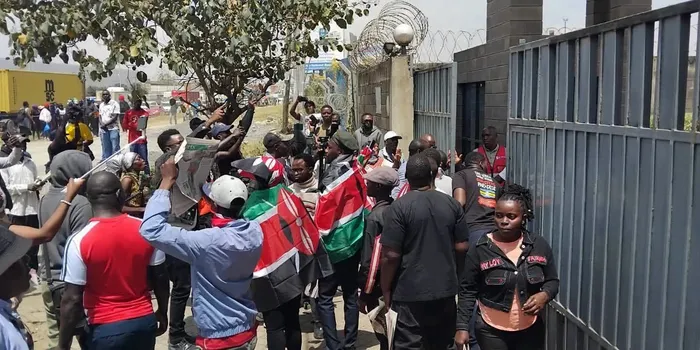
According to reports from the scene, the demonstration was later met by human rights activists who confronted the protesters, resulting in a counter-protest outside the media company's premises.
The incident brought together two groups expressing opposing views over the role of the media and the way the government is being covered.
Demonstrators Raise Concerns Over Media Coverage
The pro-government protesters said they were dissatisfied with the manner in which the Standard Group has been covering President Ruto's administration.
Their demonstration focused on what they characterised as unfavourable or negative reporting about the government.
The protesters used placards to communicate their concerns as they gathered outside the media house's headquarters.
The demonstration reflects the wider debate in Kenya over media coverage of political developments and the responsibility of media organisations when reporting on government activities.
Media houses play a central role in providing information to the public, particularly on matters involving government policies, public expenditure, political leadership and national development.
At the same time, political supporters and other members of the public have the right to express disagreement with particular reports or coverage, provided such demonstrations remain within the law.
Human Rights Activists Join the Scene
The situation changed when human rights activists arrived at the scene and confronted the pro-government demonstrators.
According to reports, the activists carried Kenyan flags and challenged the protesters while defending the media house's role in covering issues of public interest.
The arrival of the second group transformed the demonstration into a confrontation between opposing sides.
Images from the scene showed the two groups gathered outside the Standard Media Group offices as tensions rose.
The development once again brought attention to the delicate relationship between political actors, members of the public and the media in Kenya.
Debate Over Media Freedom
The confrontation comes amid an ongoing national debate over media freedom and the responsibilities of journalists.
Kenya's Constitution protects freedom of expression and the freedom of the media, while also providing for the rights of citizens to participate in peaceful assemblies.
The media is expected to provide information to the public and scrutinise those exercising public authority.
At the same time, media organisations are subject to professional and legal standards governing accuracy, fairness and responsible reporting.
Disagreements over coverage can therefore be addressed through established mechanisms, including complaints and professional regulatory processes.
The events outside the Standard Group headquarters demonstrate how disagreements over media coverage can quickly become politically charged when different groups seek to publicly defend their preferred narratives.
A Wider Political Context
The demonstration also comes at a time of heightened political activity in Kenya as political leaders and parties increasingly position themselves ahead of the 2027 General Election.
Political debate has intensified around the performance of the current administration, economic conditions, government projects, accountability and the direction of the country.
Media organisations have consequently faced increased scrutiny from both government supporters and critics of the administration.
Supporters of the government have at times accused media outlets of focusing disproportionately on negative developments, while critics and media freedom advocates have emphasised the importance of independent reporting and scrutiny of those in power.
These competing perspectives form part of Kenya's broader political and civic debate.
Importance of Peaceful Assembly
The events at the Standard Group headquarters also highlight the importance of peaceful assembly.
Kenya's Constitution recognises the right of every person to assemble, demonstrate, picket and present petitions peacefully and unarmed.
Where competing groups seek to demonstrate over the same issue, maintaining order becomes particularly important.
Past demonstrations in Kenya have sometimes resulted in confrontations between opposing groups, raising concerns about public safety and the protection of participants.
An Independent Policing Oversight Authority report on protests in June and July 2025 noted challenges surrounding counter-protests and spontaneous demonstrations, including the lack of clear guidelines under the Public Order Act for policing such situations.
The report also highlighted the need for better engagement between police and protest organisers and for consistent enforcement of the law.
The Role of the Media
The Standard Group is one of Kenya's major media organisations, with operations covering television, newspapers, radio and digital platforms.
Its journalists regularly report on government activities, political developments, economic affairs and other matters affecting the public.
Like other media organisations, the group operates in an environment where its reporting can attract both support and criticism.
Media coverage of political leaders is particularly sensitive because reports can influence public discussion and provide citizens with information about government decisions.
For this reason, disagreements between political supporters and media organisations are likely to remain part of the public conversation.
However, such disagreements are generally expected to be addressed through peaceful and lawful channels.
What Happened at the Headquarters?
According to the report published by Kenyans.co.ke, the pro-government supporters arrived at the Standard Group headquarters on Friday morning to protest what they considered negative reporting about President Ruto's administration.
The protesters reportedly carried placards and twigs while voicing their complaints.
Human rights activists subsequently confronted them outside the offices.
The activists were seen carrying Kenyan flags and expressing support for the media house's role in covering matters they considered to be of public interest.
The confrontation created a tense atmosphere outside the media organisation.
Further details about injuries, arrests or property damage were not included in the initial report, which indicated that more information was expected.
Political Reactions
The incident is likely to generate political debate because of the contrasting positions taken by the two groups.
Supporters of the government are expected to argue that media organisations should provide balanced reporting and give attention to the government's achievements and development programmes.
Human rights activists and media freedom advocates, on the other hand, emphasise the importance of allowing journalists to independently report on matters of public interest, including criticism of government policies and actions.
These positions are not necessarily mutually exclusive.
Responsible journalism requires accuracy, fairness and verification, while public officials and their supporters can challenge reports they believe are inaccurate through lawful avenues.
The key issue is how such disagreements are handled.
Media Accountability and Public Trust
The incident also raises questions about media accountability and public trust.
Citizens depend on journalists for information about government programmes, public spending, political decisions and other issues.
When sections of the public believe coverage is unfair, they may lose confidence in a media organisation.
For media houses, maintaining public trust requires adherence to professional standards, including accuracy, verification and giving relevant parties an opportunity to respond.
At the same time, criticism of media coverage should not prevent journalists from reporting on issues of public interest.
A functioning democracy depends on citizens having access to information from different sources and being able to form their own views.
Looking Ahead
The confrontation outside the Standard Group headquarters comes as Kenya enters a politically active period ahead of the 2027 elections.
Political parties, leaders, civil society groups and citizens are increasingly engaging in debates about government performance and the country's future direction.
The media is expected to remain a central part of these discussions.
As political competition intensifies, disagreements over news coverage may also increase.
The events at the Standard Group headquarters therefore provide another example of the challenges facing media organisations operating in a highly contested political environment.
For protesters, activists and political supporters, the challenge remains expressing their views peacefully while respecting the rights of others.
For media organisations, the challenge is to maintain professional standards and independence while responding to criticism from different sections of society.
Conclusion
Counter-protests broke out outside the Standard Media Group headquarters on Mombasa Road in Nairobi after pro-government supporters demonstrated against what they described as negative coverage of President William Ruto's administration.
Human rights activists later confronted the demonstrators and defended the media house's role in covering matters of public interest.
The incident highlights the continuing debate over media freedom, government accountability and public criticism in Kenya.
As the country moves toward the 2027 General Election, political discussions are expected to remain intense. The events also underscore the importance of peaceful assembly, responsible journalism and lawful channels for addressing disagreements over media coverage.
Further developments from the scene, including any official statements or action by authorities, will provide more clarity on the outcome of the confrontation.

You Might Also Like
-
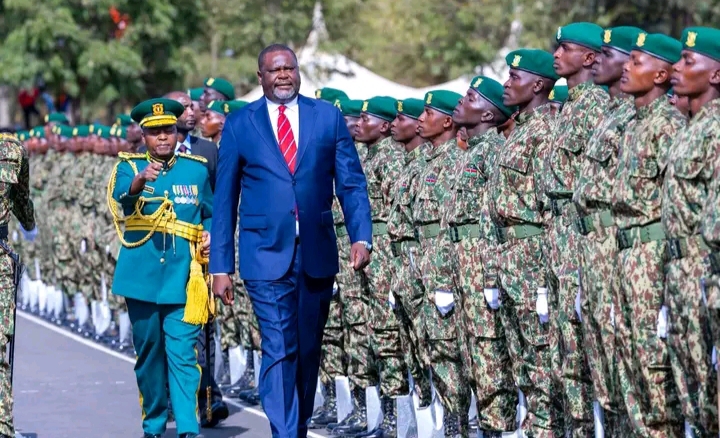
Public Service Cabinet Secretary Geoffrey Ruku represented President William Ruto at the NYS passing-out parade at the Paramilitary Academy in Gilgil on October 2, 2026, where 15,363 recruits from the 01/2026 cohort graduated after six months of intensive training. The class included 11,527 men, 3,8
-
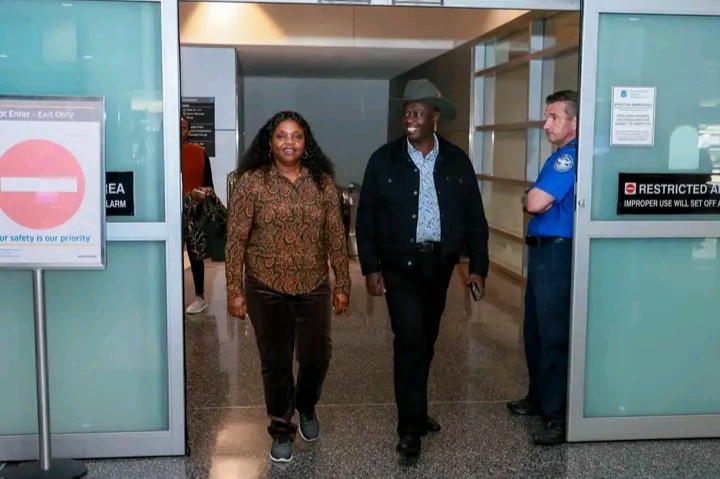
Rigathi Gachagua has arrived in Boston, Massachusetts, as he enters the final phase of his extensive United States tour, where he is engaging Kenyans in the diaspora on matters of national development, investment, leadership and Kenya’s political future. Accompanied by his wife, Pastor Dorcas Riga
-
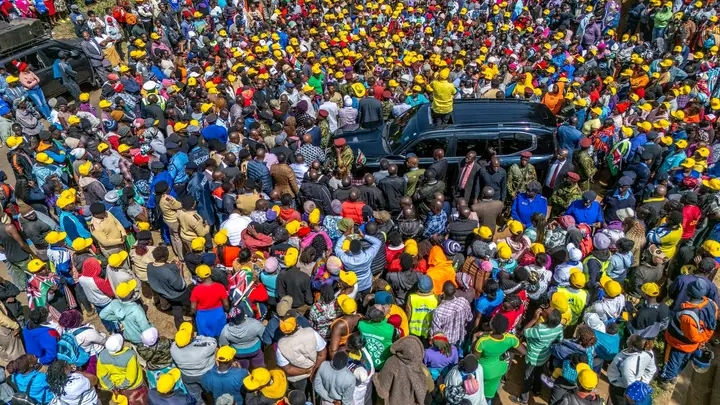
Deputy President Kithure Kindiki's announcement in Kiambu on October 2, 2026, signals a renewed phase in the government's campaign against illicit and harmful alcoholic drinks. The fresh inspections will target alcohol manufacturing premises to determine whether they comply with health, safety, qual
-
Kenya has begun preparations to host the 2029 World Athletics Championships, with World Athletics official Pierce O’Callaghan inspecting Kasarani, Nyayo and Ulinzi Sports Complex to guide infrastructure upgrades ahead of the global event.
-
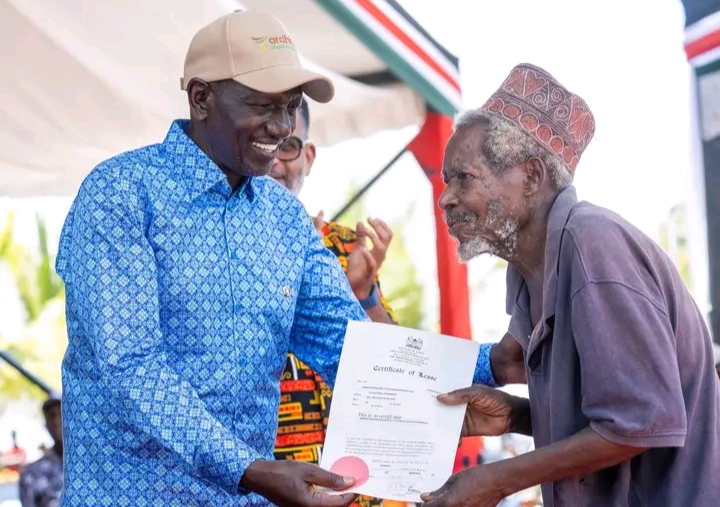
President William Ruto on October 2, 2026, presided over the issuance of about 5,000 title deeds to residents of Mombasa County at the Mama Ngina Drive Grounds, as part of a wider government programme aimed at resolving longstanding land ownership and squatter problems at the Coast. The Mombasa issu
-
Nairobi Governor Johnson Sakaja has given contractors 14 days to complete flood-control projects, as the county steps up efforts to improve drainage and tackle flooding across the city.