



Ruto Hands Over 5,000 Title Deeds in Mombasa as Coast Residents Gain New Hope in Land Ownership
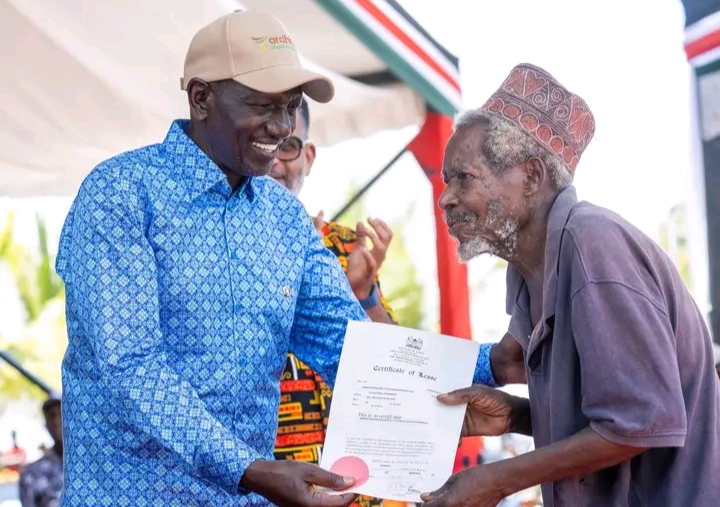
President William Ruto on October 2, 2026, presided over the issuance of about 5,000 title deeds to residents of Mombasa County at the Mama Ngina Drive Grounds, as part of a wider government programme aimed at resolving longstanding land ownership and squatter problems at the Coast. The Mombasa issuance forms part of a broader Coast-wide exercise in which the government says hundreds of thousands of title deeds are being processed or issued across Taita-Taveta, Kwale, Kilifi, Mombasa, Tana River and Lamu. Ruto said the government intends to address the insecurity faced by residents who have lived on land for years without formal ownership documents and warned against using title deeds to forcibly evict residents where ownership disputes remain unresolved. He also said the government had allocated Sh10 billion to address the squatter problem at the Coast and pledged to return to Mombasa for further title deed issuance.
President William Ruto on Friday, October 2, 2026, presided over the issuance of thousands of title deeds to residents of Mombasa County, as his eight-day development tour of the Coast region entered its final stages. The exercise formed part of a wider government programme aimed at addressing longstanding land ownership challenges and the squatter problem that has affected many communities in the Coast region for decades.
The title deed handover ceremony was held at the Mama Ngina Drive Grounds in Mombasa, where President Ruto was accompanied by Lands Cabinet Secretary Alice Wahome and other government officials. Reports from the ceremony indicated that about 5,000 title deeds were earmarked for beneficiaries in Mombasa County. Earlier programme information had put the Mombasa allocation at 4,360 title deeds, meaning the figure was subsequently reported more broadly as about 5,000.
The issuance of the documents is significant because a title deed provides formal evidence of land ownership. For families that have lived on land for many years without formal documentation, obtaining a title deed can provide greater security and certainty over their property. It can also make it easier for registered landowners to undertake lawful transactions involving their property, subject to applicable laws and regulations.
Ruto highlights longstanding Coast land challenges
During the ceremony, President Ruto described the title deed programme as part of efforts to address land ownership problems that have affected residents of the Coast for many years.
Ruto said the government was working to ensure that coastal residents who have lived on land without formal ownership documents receive the documentation required to secure their property rights. He said the wider programme would see approximately 300,000 title deeds issued across the Coast region by Saturday, October 3, 2026.
According to the President, the title deeds being distributed in Mombasa were part of this wider exercise covering several counties. The Coast tour has taken the President through Taita-Taveta, Kwale, Kilifi, Mombasa, Tana River and Lamu counties.
The government had earlier announced plans to issue approximately 200,000 title deeds during the Coast tour, while a broader programme was targeting more than 300,000 ownership documents by December. The Lands Ministry has said the exercise involves completing settlement schemes, surveys and other administrative processes necessary to facilitate formal ownership.
Squatter problem remains a major issue
Land ownership and the squatter question have remained sensitive issues in Mombasa and other parts of the Coast. Some residents have occupied land for decades without having title deeds, leaving them vulnerable to disputes over ownership and, in some cases, threats of eviction.
Speaking in Mombasa, President Ruto said his administration would continue working to resolve the problem. He also warned landowners against using title deeds to remove residents from land where ownership disputes remain unresolved.
Ruto said the government would engage landowners where compensation or other arrangements were necessary, while seeking to protect residents who have lived on disputed parcels for long periods. He challenged landowners seeking large compensation claims to provide documentation showing the basis of their claims.
The President also said the government had allocated Sh10 billion through its budgets to address the squatter problem at the Coast. He further indicated that he would return to Mombasa within two months to issue additional title deeds as the government continues with the programme.
What title deeds mean for beneficiaries
For residents receiving the documents, the exercise represents more than a government ceremony. A title deed formally records ownership of a parcel of land and can give beneficiaries greater certainty regarding their homes, farms or other properties.
Land documentation can also help reduce some forms of ownership disputes because the registered owner has formal records that can be used when dealing with government agencies, financial institutions and other parties.
However, a title deed does not automatically resolve every land dispute. Where competing ownership claims or court cases exist, the legal status of a particular parcel can remain subject to judicial or administrative processes.
This issue has already emerged around some land targeted by the Coast titling programme. In Jomvu, a group of residents has raised objections concerning a 70-acre parcel whose ownership is the subject of ongoing court proceedings. The residents' claims and the competing ownership claims have not been finally determined, illustrating the complexity surrounding some Coast land cases.
Government's wider Coast land programme
The Mombasa exercise is part of a much larger land-titling initiative. Government officials have said the programme is intended to settle historical and administrative land issues and give formal ownership documents to people who have lived on particular parcels for many years.
The Lands Ministry has been undertaking surveys, adjudication and settlement processes in different parts of the Coast. These processes are important because title issuance requires accurate identification and documentation of parcels and beneficiaries.
The government has also been negotiating with some private landowners to facilitate settlement schemes where residents have occupied land for long periods. According to the Kenya News Agency, the Lands Ministry has been finalising pending settlement schemes and negotiating with private landowners to enable residents to obtain formal ownership documents.
Ruto's message to coastal residents
President Ruto used the Mombasa ceremony to emphasise the importance of land ownership in giving families security. He said the government wanted coastal residents to enjoy equal rights and opportunities as citizens of Kenya.
He argued that people should not continue living with uncertainty over whether they would retain their homes or land. The President linked the land question to the broader development challenges that have affected parts of the Coast.
He also said the squatter issue was not the only challenge facing the region, pointing to the need for continued development and investment so that the Coast can benefit from national economic growth.
The President's remarks came during a wider Coast development tour that has included infrastructure, health, land and investment-related activities. On Thursday, he launched and inspected various projects in Mombasa, including the dispatch of medical equipment worth Sh500 million to 50 hospitals across the county under a national and county government partnership.
Broader Coast development agenda
The title deed programme has been one of several major issues highlighted during Ruto's current Coast tour. Another major development has been the planned Dangote East Africa Refinery project in Lamu, which the President has presented as a major investment for Kenya and the wider region.
The government has also discussed plans to connect Turkana oil resources to Lamu through a proposed pipeline. President Ruto said Kenya had agreed with businessman Aliko Dangote to invest in the pipeline, while the government is also planning a Special Economic Zone alongside the refinery project.
These developments have placed the Coast region at the centre of discussions on land ownership, infrastructure, investment, employment and economic development.
Significance of the Mombasa title deed issuance
The issuance of about 5,000 title deeds in Mombasa is therefore part of a broader effort to formalise land ownership at the Coast. For beneficiaries, the documents provide formal records of their property and potentially greater security against future ownership disputes.
At the same time, the exercise demonstrates the complexity of resolving historical land problems. Some parcels have competing claims, while others are affected by court cases or questions concerning previous ownership and transfers. The government therefore faces the task of balancing the need to issue title deeds quickly with the requirement to ensure that ownership processes comply with the law.
President Ruto has indicated that his administration intends to continue with the exercise beyond the current Coast tour. With additional title deeds expected to be issued in other coastal counties, the government is seeking to make land documentation a central part of its response to the region's longstanding land ownership challenges.
The Mombasa ceremony consequently marks another stage in the government's Coast land-titling programme, with thousands of residents receiving ownership documents while the wider administration works to address unresolved settlement and land disputes. The President's pledge to return for additional title deed issuance indicates that the programme is expected to continue as surveying, adjudication and settlement processes are completed in different areas.

You Might Also Like
-
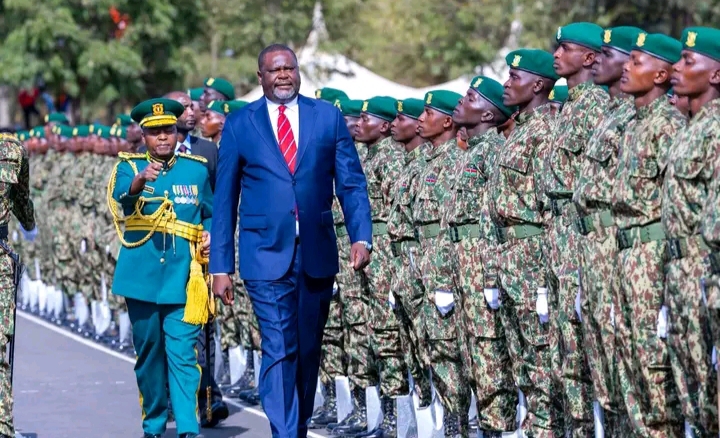
Public Service Cabinet Secretary Geoffrey Ruku represented President William Ruto at the NYS passing-out parade at the Paramilitary Academy in Gilgil on October 2, 2026, where 15,363 recruits from the 01/2026 cohort graduated after six months of intensive training. The class included 11,527 men, 3,8
-
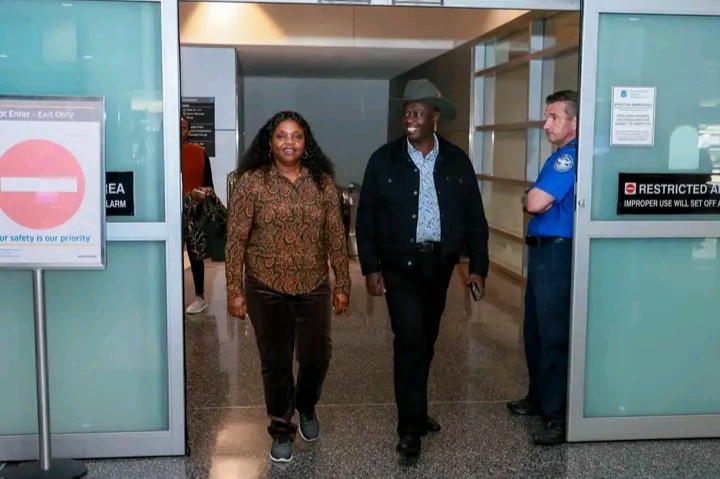
Rigathi Gachagua has arrived in Boston, Massachusetts, as he enters the final phase of his extensive United States tour, where he is engaging Kenyans in the diaspora on matters of national development, investment, leadership and Kenya’s political future. Accompanied by his wife, Pastor Dorcas Riga
-
Deputy President Kithure Kindiki's announcement in Kiambu on October 2, 2026, signals a renewed phase in the government's campaign against illicit and harmful alcoholic drinks. The fresh inspections will target alcohol manufacturing premises to determine whether they comply with health, safety, qual
-
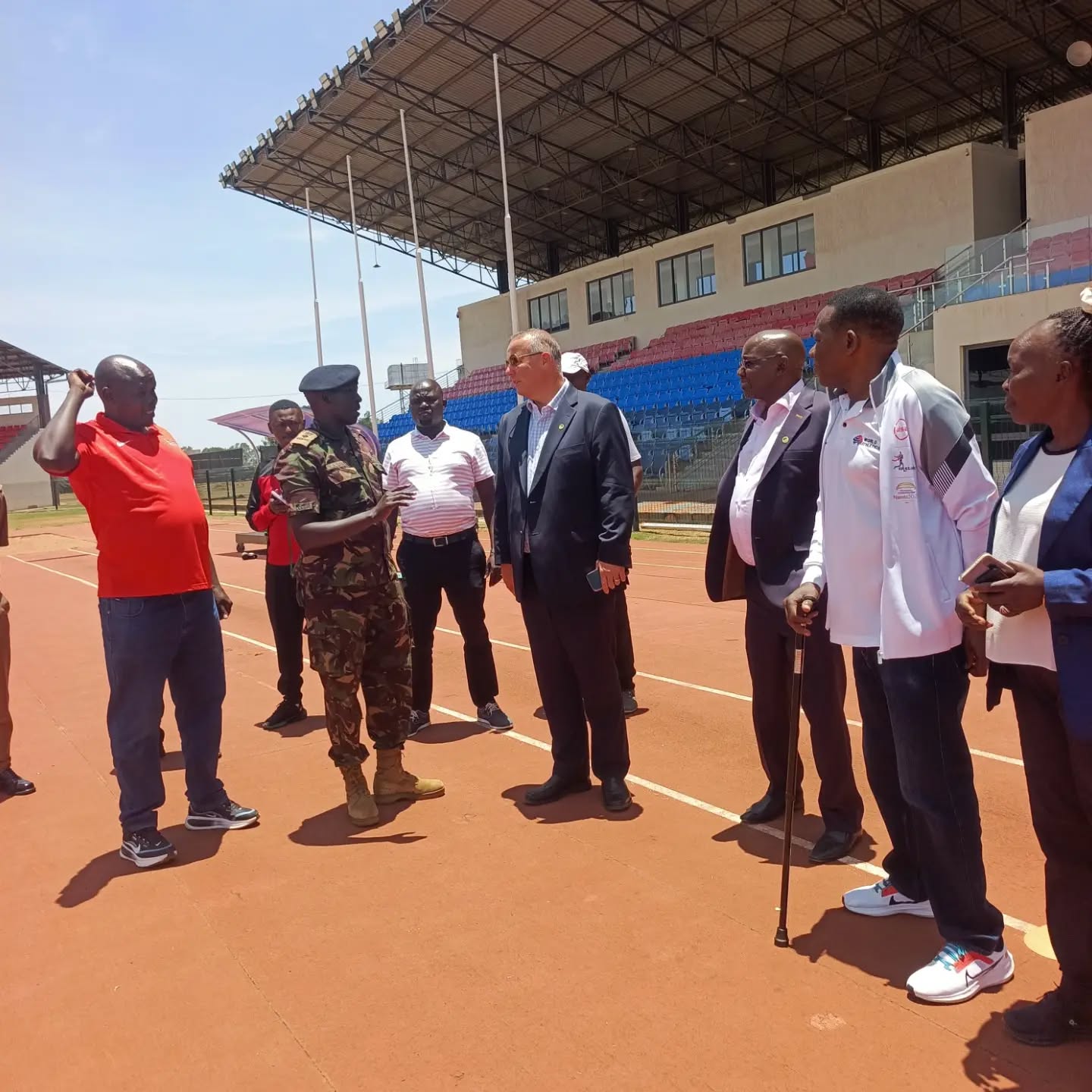
Kenya has begun preparations to host the 2029 World Athletics Championships, with World Athletics official Pierce O’Callaghan inspecting Kasarani, Nyayo and Ulinzi Sports Complex to guide infrastructure upgrades ahead of the global event.
-
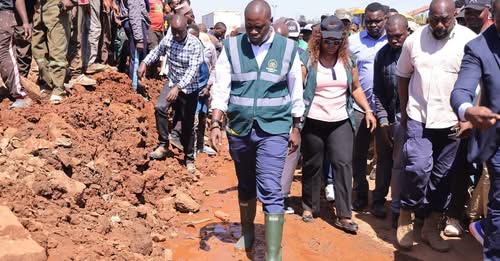
Nairobi Governor Johnson Sakaja has given contractors 14 days to complete flood-control projects, as the county steps up efforts to improve drainage and tackle flooding across the city.
-
Counter-protests erupted outside Standard Group headquarters after pro-government supporters demonstrated over the media house’s coverage of President Ruto’s administration, drawing a response from human rights activists.