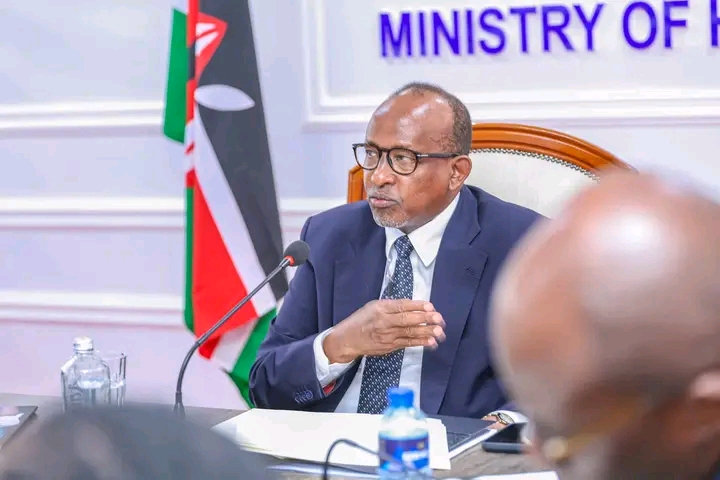
CS Aden Duale Faces Tough Questions in Parliament as Lawmakers Probe Kenya’s Readiness to Contain Ebola Outbreak
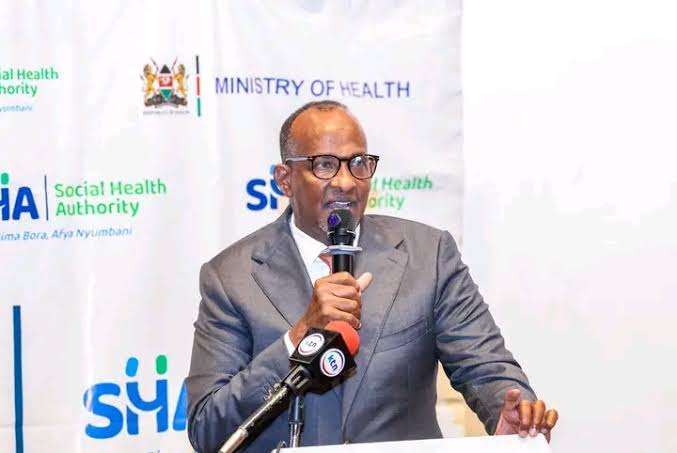
Health Cabinet Secretary Aden Duale has appeared before a parliamentary committee to respond to concerns surrounding Kenya's preparedness and response to the ongoing Ebola outbreak. During the engagement, Duale defended the government's containment measures, highlighting the successful tracing of all 135 identified contacts of the first confirmed imported Ebola patient. He also addressed quarantine arrangements, protection of healthcare workers, disease surveillance, emergency regulations and cooperation with international health organisations. The Cabinet Secretary maintained that the government had strengthened its response systems to prevent further infections and protect Kenyans. His appearance comes amid growing public concern over the outbreak, with lawmakers seeking accountability and assurances that the country has adequate medical facilities, trained personnel and resources to manage the health emergency.
The appearance, which took place on Tuesday, November 3, 2026, comes at a critical moment when Kenya is intensifying its public health response following the confirmation of its first imported Ebola case. The committee sought to understand the measures being implemented by the Ministry of Health, the effectiveness of disease surveillance systems, the management of people who came into contact with the infected patient and the country's ability to prevent further transmission.
During his appearance before the National Assembly Committee on Delegated Legislation, Duale provided an update on the government's response, highlighting achievements in contact tracing, quarantine arrangements, infection prevention and cooperation with international health organisations.He explained that the government had strengthened disease surveillance, contact tracing and quarantine operations to ensure that individuals who might have been exposed to the virus were identified and monitored.
The Ministry has also continued working with healthcare facilities and public health officers to ensure that suspected cases are identified early and handled according to established medical procedures.
The Cabinet Secretary emphasised that containing Ebola requires coordinated action involving healthcare professionals, government agencies, international partners and members of the public.
He also maintained that Kenya's response should be assessed through the effectiveness of its public health interventions rather than through criticism that could undermine public confidence.According to Duale, the Ministry of Health had successfully traced all the individuals, describing the achievement as an important milestone in the country's efforts to contain the outbreak.
The 135 individuals include passengers and crew members who travelled with the infected patient, airport employees, immigration and customs officers, healthcare workers and family members who interacted with the patient.
Duale told lawmakers that Kenya had achieved 100 per cent contact tracing, arguing that the country's efforts demonstrated its ability to respond effectively to serious public health emergencies.
Among those identified were 45 healthcare workers who had come into contact with the patient and were subsequently placed under quarantine and monitoring arrangements.Another important issue surrounding Kenya's Ebola preparedness is the management of individuals placed under quarantine.
Duale assured lawmakers that people undergoing quarantine were receiving appropriate accommodation, food, medical attention and continuous monitoring.
He explained that separate rooms had been allocated to individuals under quarantine to minimise the possibility of transmission.
Healthcare workers involved in managing suspected cases and monitoring contacts have also received specialised training and personal protective equipment.
The Ministry has emphasised the importance of protecting medical personnel because they are among the people most exposed to infectious diseases when responding to outbreaks.Duale defended the government's decision to introduce Ebola prevention and control regulations without undertaking the conventional public participation process.
He argued that the Public Health Act provides powers to the Health Cabinet Secretary to introduce urgent measures when dealing with serious public health emergencies.
According to the Cabinet Secretary, the urgency surrounding Ebola required immediate action to protect the population and prevent further transmission.
He maintained that emergency interventions should not be delayed by lengthy administrative processes when the country is facing a potentially dangerous infectious disease.Kenya's preparedness has attracted considerable attention since the first confirmed imported Ebola case was reported in October 2026.
Before the confirmation, the government had already introduced several measures to strengthen its ability to detect and respond to possible infections.
These included enhanced screening at airports and land border crossings, specialised training for healthcare workers, strengthening laboratory testing capacity and establishing isolation facilities.
The Ministry of Health had also activated its National Ebola Incident Management System to coordinate surveillance, emergency response and decision-making across the country.
Earlier, when appearing before Parliament on June 3, 2026, Duale reported that more than 71,000 travellers had been screened and that 22 suspected Ebola alerts investigated across different counties had all tested negative.The Cabinet Secretary expressed concern over restrictions imposed by Saudi Arabia, arguing that blanket travel measures were not consistent with international public health recommendations.
He explained that Kenya had engaged the Saudi Arabian government through diplomatic channels to seek a review of the restrictions.
According to Duale, the World Health Organization, Africa Centres for Disease Control and Prevention and the Ministry of Health had also engaged relevant Saudi authorities over the matter.
The government believes that countries should strengthen surveillance, early detection and containment measures rather than introduce unnecessary restrictions that could affect international movement and economic activities.Ebola is not a challenge that can be managed by one country acting independently, particularly when infected individuals may travel across borders before their condition is identified.
Kenya has continued engaging international health organisations, including the World Health Organization and Africa CDC, to strengthen its preparedness and response capabilities.
The cooperation involves technical assistance, disease surveillance, laboratory services, training of healthcare workers and sharing information about suspected infections.
The Ministry has also worked with regional partners to ensure that information concerning exposed individuals is communicated quickly to countries that may be affected.As the government continues implementing containment measures, Duale's engagement with lawmakers also brings attention to the responsibility of citizens in preventing the spread of Ebola.
Public awareness remains an important part of disease control because misinformation, delayed reporting and failure to follow medical guidance can complicate efforts to contain infections.
The Ministry of Health has continued encouraging Kenyans to obtain information from official government communication channels and report suspected cases to health authorities.
Members of the public are also being encouraged to cooperate with healthcare professionals and follow instructions issued by public health officers.
Ebola spreads through direct contact with the blood and other bodily fluids of infected individuals and contaminated materials. It is not spread simply by sharing the same air in ordinary social settings.The appearance of the Health Cabinet Secretary before the parliamentary committee is also significant because it demonstrates the role of Parliament in overseeing the government's handling of national emergencies.
Lawmakers have a responsibility to ensure that public resources allocated to disease preparedness are used appropriately and that the Ministry of Health remains accountable for its decisions.
The committee's engagement allows members to seek clarification on the availability of medical supplies, the readiness of isolation facilities, the deployment of healthcare workers and the effectiveness of surveillance systems.
It also provides an opportunity to examine the legal and administrative decisions made by the Ministry during the outbreak.Following the appearance, attention is expected to remain on the Ministry of Health as it continues monitoring individuals who have been exposed to the virus and strengthening surveillance across the country.
The government will also need to maintain communication with international partners, provide regular updates and ensure that healthcare facilities remain prepared to handle suspected infections.
The successful tracing of all 135 contacts is an important development, but authorities must continue monitoring those individuals according to public health protocols.
The country will also be watching developments surrounding international travel restrictions and the government's diplomatic efforts to have them reviewed.

You Might Also Like
-
More than 350 Kenyan workers who travelled to Saudi Arabia in search of employment have been forced to return home after being denied entry over concerns linked to the Ebola outbreak in Kenya. The unexpected development has disrupted their employment plans, leaving many uncertain about when they wil
-
Dr Raymond Omollo hosted the 5th Kenya-European Union (EU) Security and Defence Dialogue, bringing together key stakeholders to strengthen cooperation between Kenya and the European Union in addressing emerging security challenges. The discussions focused on combating terrorism and violent extremism
-
Inspector General of Police Douglas Kanja has appeared in court to respond to concerns surrounding the disappearance of Tanzanian activist Twaha Mwaipaya, who was reportedly last seen in Nairobi's Kamulu area on October 25, 2026. During the court proceedings, Kanja denied allegations that police off
-
The Ministry of Health has confirmed the discharge of five Ebola patients after medical tests established that they had fully recovered from the disease. The development marks a significant step in Kenya’s efforts to contain the outbreak and prevent further infections. The recoveries highlight the
-
Health Cabinet Secretary Aden Duale and Public Health Principal Secretary Mary Muthoni on Tuesday, November 3, 2026, held a high-level meeting with a UNICEF delegation led by Country Representative Shaheen Nilofer to review Kenya's ongoing response to the Ebola outbreak and strengthen collaboration
-
Former west pokot senator joined ODM.He was welcomed at Chungwa House in Nairobi on November 3, 2026, by ODM Deputy Party Leader Simba Arati and other party representatives. He was accompanied by a delegation of leaders from West Pokot County. His political move comes as he positions himself to con