Dawn Rush at Kipchoge Keino Stadium! Thousands Flock to Eldoret Before 4 am as Mashujaa Day Fever Grips Kenya
The thousands of Kenyans who flocked to Kipchoge Keino Stadium before dawn on October 20, 2026, demonstrated the excitement surrounding the 63rd Mashujaa Day celebrations in Eldoret. With the stadium reportedly reaching capacity in the early hours, many people arrived during the night in an effort to secure seats, while others were unable to gain entry after the gates closed. The event placed Uasin Gishu, Nandi and Elgeyo-Marakwet counties at the centre of national attention, showcasing the North Rift's sporting heritage and providing opportunities for local businesses. At the same time, the massive turnout highlighted the importance of effective security arrangements, crowd management and sufficient viewing facilities for major public events.
Thousands of Kenyans flocked to Kipchoge Keino Stadium in Eldoret before dawn on Tuesday, October 20, 2026, as excitement swept across the North Rift ahead of the 63rd Mashujaa Day celebrations. The national event attracted crowds eager to witness the historic ceremony, with reports indicating that the stadium had reached full capacity as early as 4:00 a.m.
The extraordinary turnout saw many people arrive late on Monday night and remain at the venue throughout the cold hours of the night to secure seats. By the early morning, the stadium was already packed, while other Kenyans continued arriving in the hope of gaining access to the celebrations.
Eldoret, the capital of Uasin Gishu County, became the centre of national attention as the country prepared to honour its heroes and heroines. The celebrations were being jointly hosted by Uasin Gishu, Nandi and Elgeyo-Marakwet counties, giving the wider North Rift region an opportunity to showcase its heritage, sporting achievements, cultural diversity and economic potential. Crowds arrive hours before sunrise
According to reports from the venue, the movement of people towards Kipchoge Keino Stadium began on Monday night, with crowds continuing to gather as midnight approached.
By approximately 4:00 a.m. on Tuesday, the stadium had reportedly filled to capacity. It was also reported that by 5:20 a.m., the gates had been closed after the venue reached its limit, leaving thousands of other Kenyans outside.
For many attendees, the decision to arrive so early was driven by the desire to witness the national ceremony in person rather than follow the proceedings through television or other media platforms.Security officers manage the growing crowds
The large number of people arriving at Kipchoge Keino Stadium required heightened security and careful coordination by the authorities.
Security personnel had been deployed around the stadium and other important locations in Eldoret ahead of the celebrations. The arrangements included police patrols, traffic management, security checks and measures to guide members of the public arriving at the venue.
Authorities had earlier indicated that additional officers would be deployed to the stadium, designated parking areas, accommodation facilities and other locations expected to attract large numbers of visitors.Eldoret takes centre stage in national celebrations
This year's Mashujaa Day celebrations placed Eldoret and the wider North Rift region in the national spotlight.
The joint hosting arrangement involving Uasin Gishu, Nandi and Elgeyo-Marakwet counties brought together three neighbouring counties with strong cultural ties and a shared connection to Kenya's sporting achievements.
For Eldoret, hosting the national ceremony was an opportunity to welcome visitors from across the country while showcasing the city's development, commercial activities and growing importance as an urban centre.The event was also expected to highlight the region's contribution to athletics, particularly its reputation for producing world-class distance runners who have represented Kenya in international competitions.
The North Rift has long been associated with athletic training, with its high-altitude environment attracting runners who want to improve their endurance and performance.
The presence of thousands of visitors offered an opportunity to showcase this sporting heritage alongside the region's agricultural activities, tourism attractions and investment opportunities.
The joint hosting arrangement also gave the three counties an opportunity to promote cooperation and strengthen their shared regional identity.
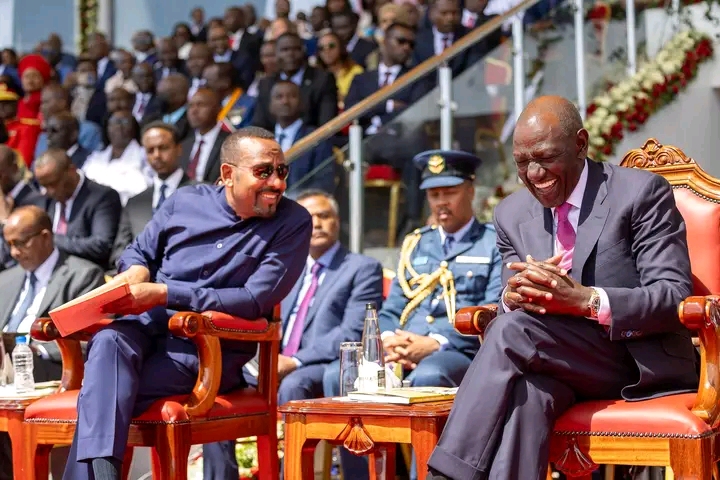
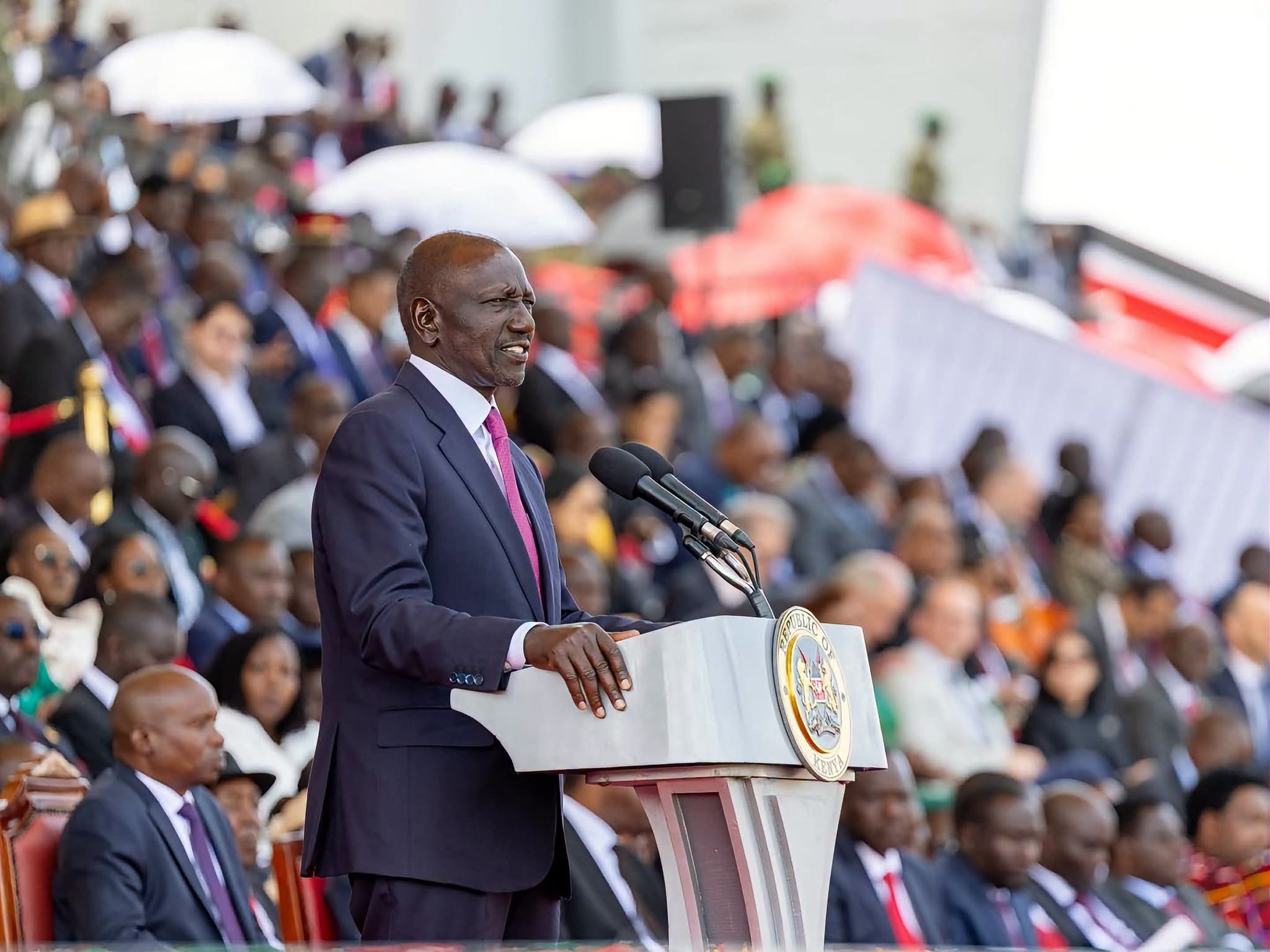
As residents gathered at the stadium, the celebrations represented more than a formal government ceremony. They provided a platform for communities to participate in a national occasion while presenting their region to the rest of Kenya.President William Ruto was expected to preside over the 63rd Mashujaa Day celebrations at Kipchoge Keino Stadium.
The national event brought together government leaders, invited guests, security officials and members of the public to recognise the contributions of Kenyans who have helped shape the country's past and present.
The occasion was also expected to provide an opportunity for the government to address issues affecting the country and highlight its priorities for national development.
Mashujaa Day ceremonies traditionally feature speeches, military displays, cultural performances and tributes to individuals whose contributions have made a difference in society.The event provides a national platform for celebrating Kenya's independence struggle, the sacrifices of freedom fighters and the contributions of people working to improve communities through education, healthcare, sports, public service, business and other sectors.
For residents attending the event, seeing the President and other national leaders in person was among the attractions of arriving at the stadium early.
The gathering also offered citizens an opportunity to participate in a major national occasion and witness the formal recognition of Kenya's heroes and heroines.
The meaning of Mashujaa Day
Mashujaa Day is one of Kenya's important national holidays and is celebrated annually on October 20.The day recognises individuals who have contributed to the country's liberation, development, unity and progress.
Its historical significance is closely linked to Kenya's struggle against colonial rule and the sacrifices made by freedom fighters who challenged the colonial administration in pursuit of independence.
Over the years, the meaning of heroism has expanded to include Kenyans who have made outstanding contributions to society in different fields.
Teachers who educate future generations, health workers who serve communities, athletes who represent the country internationally, entrepreneurs who create jobs and public servants who work to improve service delivery can all contribute to the nation's progress.
The day also encourages citizens to reflect on the responsibilities that accompany national freedom, including protecting peace, respecting the law and promoting unity.The huge turnout came as Kipchoge Keino Stadium underwent upgrades ahead of the national celebrations.
Reports published before the event indicated that construction and improvement works were still ongoing, with the project reported to be approximately 80 per cent complete. Authorities had maintained that the remaining work would not prevent the venue from hosting the ceremony.
Preparations included work on the stadium grounds and other sections of the facility, as organisers worked to ensure that the venue was ready for the national event.
Overflow seating areas and large screens were also reported to have been arranged to help accommodate additional spectators and enable more people to follow the proceedings.
Nevertheless, the early morning rush showed the difficulties of hosting a highly anticipated event at a stadium with limited seating capacity.The public's participation also carries responsibilities. Attendees must respect security instructions, protect public property, avoid dangerous crowd movements and ensure that other people can participate safely.
Government agencies, local leaders and event organisers likewise have a responsibility to protect public safety and ensure that national celebrations are accessible, orderly and respectful of citizens.
The success of such an event should therefore be measured not only by the number of people who attend but also by the safety of the crowds, the organisation of the programme and the positive experience of participants.

You Might Also Like
-
The decision by the PCEA congregation in Narok to break a longstanding taboo restricting unmarried men from church leadership marks a notable development in local religious life.A report on October 20 and another on October 19, 2026, the move challenges a tradition that treated marriage as a pre
-
President William Ruto has honoured nurse Jacobeth Jeptoo for her courage, compassion, and selfless service following the tragic February helicopter crash in Nandi County that claimed the lives of Emurua Dikirr MP Johana Ng’eno and five other people. The recognition highlights the vital role playe
-
Inspector General Douglas Kanja's approval of promotions for 1,948 police officers marks a significant development in Kenya's police administration following the Court of Appeal's October 16, 2026, judgment. The ruling resolved a major dispute over the authority to manage uniformed police officers,
-
Governor Jonathan Bii's speech during the October 20, 2026, Mashujaa Day celebrations in Eldoret placed the protection of fertile agricultural land and support for farmers at the centre of an important national discussion. His appeal was for Kenyans to balance the growing demand for housing with th
-
Ethiopian Prime Minister Abiy Ahmed's address at the 2026 Mashujaa Day celebrations in Eldoret centred on a clear message: Kenya and Ethiopia should transform their historical friendship into shared economic progress. He called for stronger trade, improved opportunities for farmers and producers, c
-
President William Ruto has praised Kenya’s broad-based government, commending leaders who set aside political differences to promote cooperation and national development. He noted that the partnership demonstrates how political competition can coexist with collective efforts to address the country